There's a quiet magic in a perfectly made bowl of udon soup. The chewy, satisfying noodles, the clear, deeply savory broth that warms you from the inside, the simple yet precise toppings. For years, I thought this magic was locked away in specialist restaurants. My first few attempts at home were... educational. Cloudy broth, bland flavor, overcooked noodles – you name it. But after talking to chefs during trips to Japan and a lot of trial and error in my own kitchen, I cracked the code. The truth is, a fantastic udon soup recipe is more about understanding a few key principles than following a rigid list of obscure ingredients.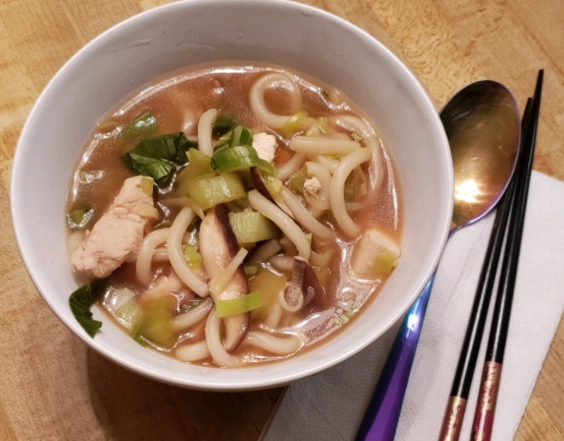
What You'll Find in This Guide
The Heart of the Matter: Demystifying Udon Soup Broth
Let's get straight to the point. The soul of any udon soup recipe is its broth, called "kakejiru." This isn't just any stock. Authentic versions are built on a two-stage foundation: first, a dashi (Japanese soup stock), then seasoned with soy sauce, mirin, and a bit of sugar.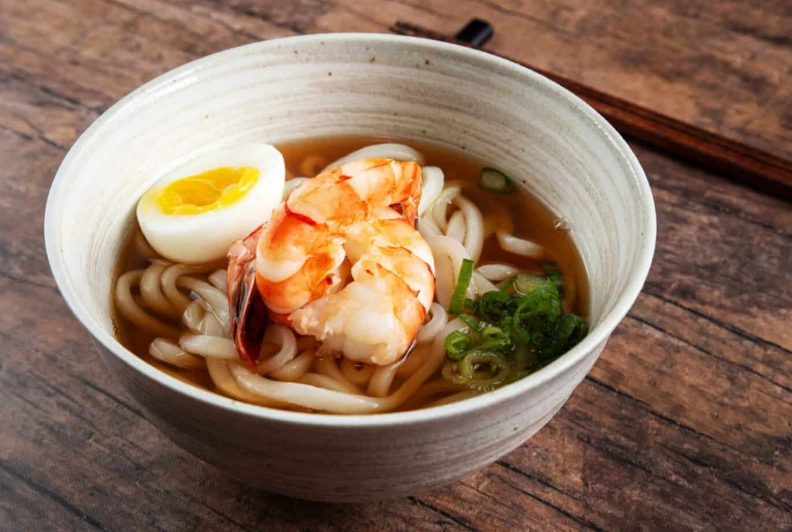
The dashi is where the umami lives. The classic, gold-standard method uses kombu (dried kelp) and katsuobushi (bonito flakes). You soak the kombu, heat it gently (never to a rolling boil), remove it, then bring the water to a boil and add the katsuobushi, immediately turning off the heat. The result is a clear, fragrant, profoundly savory liquid. It's simpler than it sounds, but it requires attention.
A Non-Consensus View on Dashi
Most recipes tell you to use "a piece of kombu." That's vague. The surface area matters more than weight for extraction. I use a piece about 4x6 inches for 4 cups of water. And here's the kicker many miss: after you take the kombu out, don't throw it away. You can slice it thinly and simmer it in the seasoned broth later as a topping. It becomes tender and delicious, reducing waste and adding texture.
Now, I know what you're thinking. "Bonito flakes? I don't have those." That's fine. The modern pantry has options. The key is understanding the flavor profile you're after so you can make informed choices or substitutions.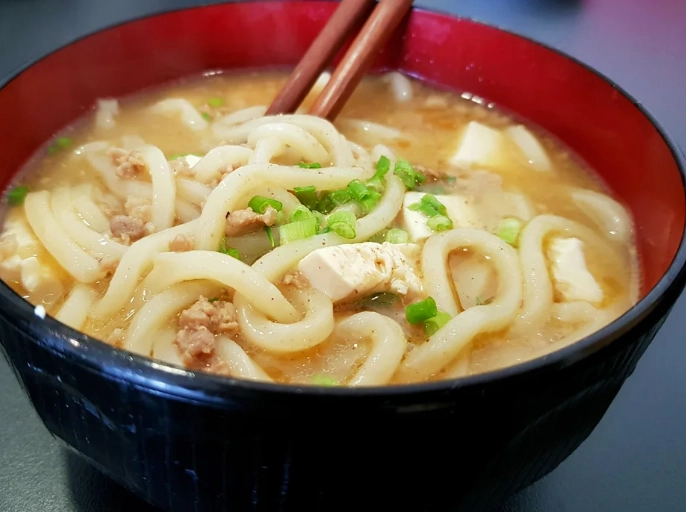
| Broth Base Option | Flavor Profile & Best For | Effort Level |
|---|---|---|
| Kombu + Katsuobushi Dashi | Classic, clean, layered umami. The authentic restaurant-style foundation. | Medium (requires specific ingredients) |
| Kombu + Shiitake Dashi (vegetarian) | Earthy, deep umami. Great meat-free option. Soak dried shiitake with kombu overnight. | Low (mostly hands-off soaking) |
| Instant Dashi Granules (Hondashi) | Convenient, savory, but can be saltier and have a distinct, slightly stronger flavor. | Very Low (just dissolve) |
| Simple Kombu-Only Dashi | Mild, slightly sweet oceanic flavor. A minimalist, elegant base. | Low |
For a beginner, using a good quality instant dashi (look for ones without MSG if you prefer, like brands from Marukin or Shimaya) is a perfectly respectable shortcut. The Japanese Ministry of Agriculture, Forestry and Fisheries even acknowledges the widespread home use of instant dashi. The goal is a delicious meal, not a purity test.
How to Make Udon Soup: A Step-by-Step Guide
Alright, let's cook. This is my go-to method for a reliable, deeply satisfying bowl that serves two generously.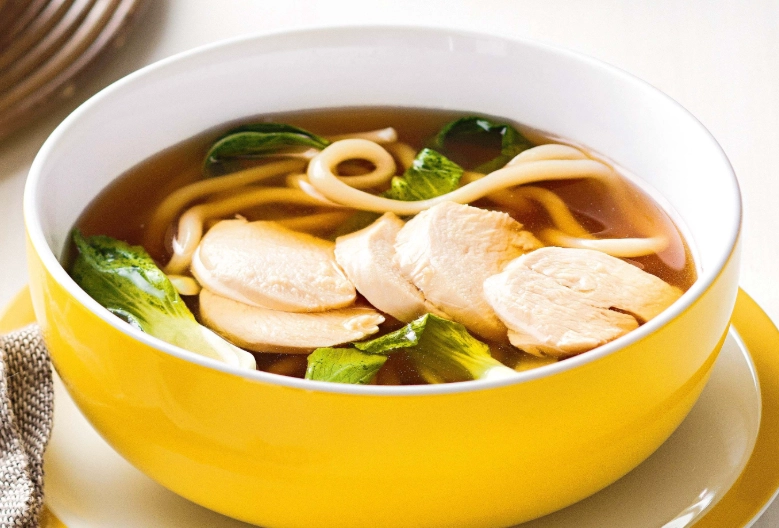
What You'll Need
- For the Dashi (or use 4 cups prepared dashi): 4 cups water, 1 piece kombu (4x6 in), 1 cup loosely packed katsuobushi (or 2-3 dried shiitake mushrooms for veg).
- For Seasoning the Broth: 3 tbsp soy sauce (I use a mix of regular and usukuchi/light soy for depth), 2 tbsp mirin, 1 tbsp sake, 1 tsp sugar (optional, balances salt).
- Main Event: 2 portions fresh or frozen udon noodles (about 14 oz total). Dried work too.
- Toppings (Start Simple): 2 green onions, thinly sliced, 2 slices narutomaki (fish cake) - optional, Shichimi togarashi (Japanese seven spice) for serving.
Building the Broth
First, make your dasha. Wipe the kombu with a damp cloth (don't wash off the good stuff). Add it to the cold water in a pot. Let it soak for 30 minutes if you have time. Then, heat on medium-low until small bubbles form at the edge – just before a full boil. Remove the kombu. Now, crank the heat to high. The moment it boils, add the katsuobushi and immediately turn off the heat. Let it steep for 2-3 minutes, then strain through a fine-mesh sieve or cheesecloth. Don't squeeze the flakes, or the broth turns bitter.
Return this clear dashi to the pot. Add the mirin and sake, bring to a simmer for a minute to cook off the alcohol. Then add the soy sauce and sugar if using. Taste. It should be savory with a hint of sweetness, but remember, it will be diluted slightly by the noodles. Keep it warm on low heat.
The One Step Everyone Skips (And Why You Shouldn't)
Here's the single biggest mistake I see in home udon soup recipes: dumping the noodles straight from the package into the broth.
Most udon noodles, especially fresh or frozen ones, are coated in excess starch to prevent sticking. If you cook them directly in your beautiful clear broth, you'll instantly cloud it and make it slightly gloopy. The texture changes.
The fix is simple: blanch the noodles separately. Bring a separate large pot of water to a rolling boil. Add the udon noodles. For fresh/frozen, they only need 1-2 minutes to heat through and loosen up. For dried, follow package directions. Drain them in a colander and give them a quick rinse under cold running water. This stops the cooking and washes off the surface starch. This step is non-negotiable for professional-looking results.
Now, divide the hot, rinsed noodles between your bowls. Ladle the hot seasoned broth over them. The noodles are perfectly cooked, the broth is crystal clear. It makes all the difference.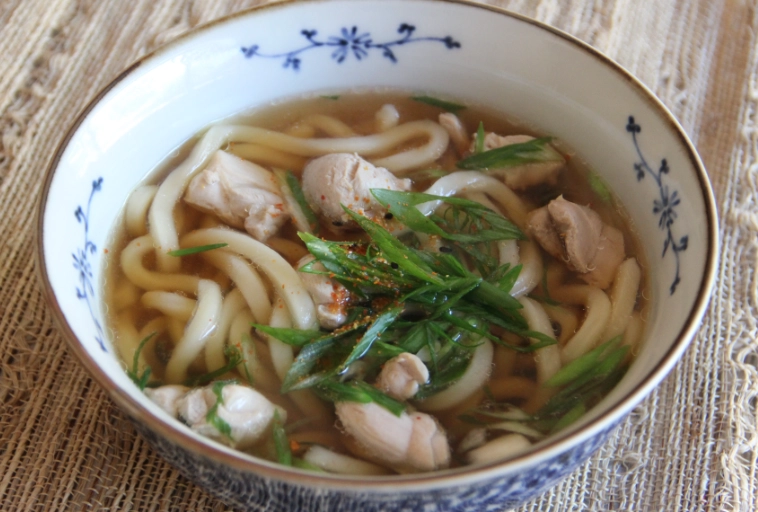
Beyond the Basics: Toppings & How to Customize Your Bowl
Udon soup is a fantastic canvas. Once you have the broth and noodle technique down, the world is your oyster (or your tempura shrimp).
The Classic Setup: Green onions and maybe a slice of narutomaki. It's pure, clean, and lets the broth shine.
For a Hearty Meal (My Weeknight Go-To): Add a soft-boiled egg (ajitsuke tamago if you're ambitious), a few slices of chashu pork (you can find easy braised pork belly recipes online, or buy pre-cooked), and some wilted spinach or bok choy. Suddenly it's a full, restaurant-worthy meal.
Tempura Udon (Tendon): Place a piece or two of shrimp or vegetable tempura on top just before serving. The crunch against the soup is incredible. Sites like Just One Cookbook have great tempura batter guides.
Kitsune Udon: My personal favorite. Top with a sheet of seasoned fried tofu pouch (aburaage, simmered in soy, mirin, and sugar). It soaks up the broth and becomes sweet and juicy.
The point is, your udon soup recipe is a template. Start with the classic, then build based on what's in your fridge or what you're craving.
Shortcuts, Substitutions & Answering Your Questions
Let's get practical. You don't always have kombu or 40 minutes to spare.
The 10-Minute Weeknight Version: Use 4 cups of hot water mixed with 2 teaspoons of good-quality instant dashi granules. Heat it up, add 2 tbsp soy sauce, 1 tbsp mirin. That's your broth. Boil and rinse your noodles separately. Top with whatever you have – a fried egg, some leftover chicken, frozen peas. Dinner is served in under 15 minutes. It won't win awards in Tokyo, but it will be delicious and comforting.
Can I use chicken broth? You can, but it will taste like chicken noodle soup with udon, not traditional Japanese udon soup. The flavor profile is completely different. For a hybrid, try using half dashi (even instant) and half low-sodium chicken broth.
Your Udon Soup Questions, Answered
What's the best type of udon noodle to buy for soup?
My udon soup broth always tastes too salty or too weak. How do I balance it?
Can I make the udon soup broth ahead of time?
I'm vegetarian. What's a good substitute for the fish-based dashi?
Can I use spaghetti instead of udon noodles?
The journey to a great udon soup recipe is about embracing the process, not chasing perfection. Start with a shortcut broth if you need to. Master the noodle-blanching trick. Taste and adjust. Before long, you'll be crafting bowls that not only satisfy a craving but make you wonder why you ever thought you needed to go out for them. The real secret is that it was never that complicated to begin with.
Reader Comments