If you've ever bitten into a perfectly crispy piece of tonkatsu or shrimp tempura and wondered, "What is this magic?", the secret often isn't just the chef's skill—it's the breadcrumbs. Japanese bread crumbs, universally known as Panko, are a game-changer in the kitchen. They're not just a different shape or brand; they're a fundamentally different product born from a unique process. While most home cooks think of breadcrumbs as a single category, swapping Panko for the sandy, dense crumbs in your pantry can lead to disappointing, soggy, or oily results. The uniqueness of Panko lies in its creation, texture, and performance, making it the undisputed champion for achieving that iconic, shatteringly crisp, and remarkably non-greasy crust.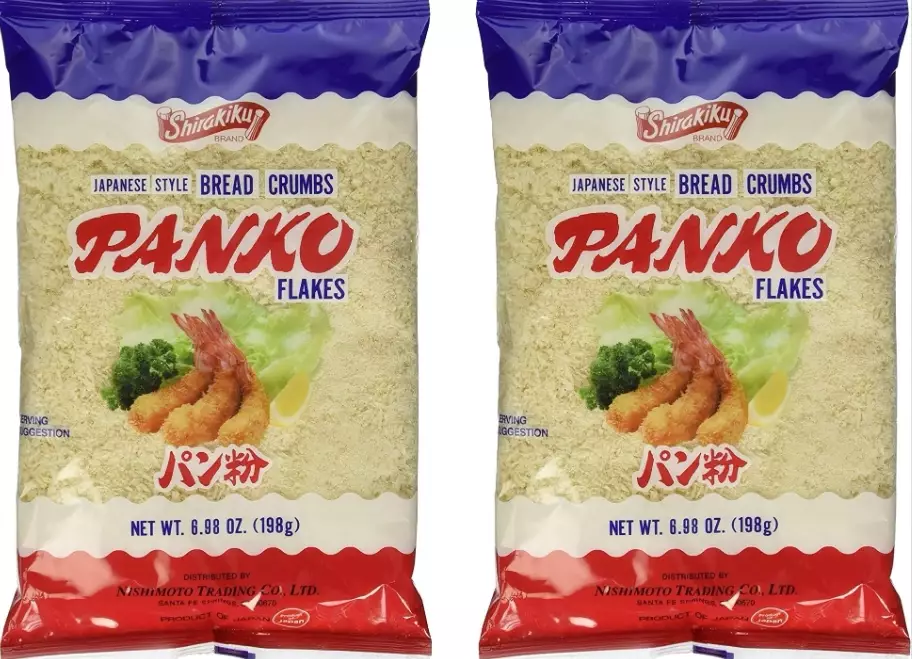
What You'll Discover in This Guide
- What Exactly Is Panko? (It's Not Just "Bigger Crumbs")
- The Unique Manufacturing Process: Why No Crust Matters
- Panko vs. Regular Bread Crumbs: A Side-by-Side Breakdown
- How to Use Panko Bread Crumbs for Maximum Crispiness
- Where to Buy Authentic Panko & Top Brand Recommendations
- Your Panko Questions, Answered by a Cook Who's Made the Mistakes
What Exactly Is Panko? (It's Not Just "Bigger Crumbs")
Let's clear this up first. Panko (パン粉) is the Japanese word for bread crumbs. But in global culinary terms, "Panko" specifically refers to the unique style of breadcrumbs developed in Japan. The most common misconception is that Panko is just coarser. That's like saying a croissant is just bigger toast. The difference is structural.
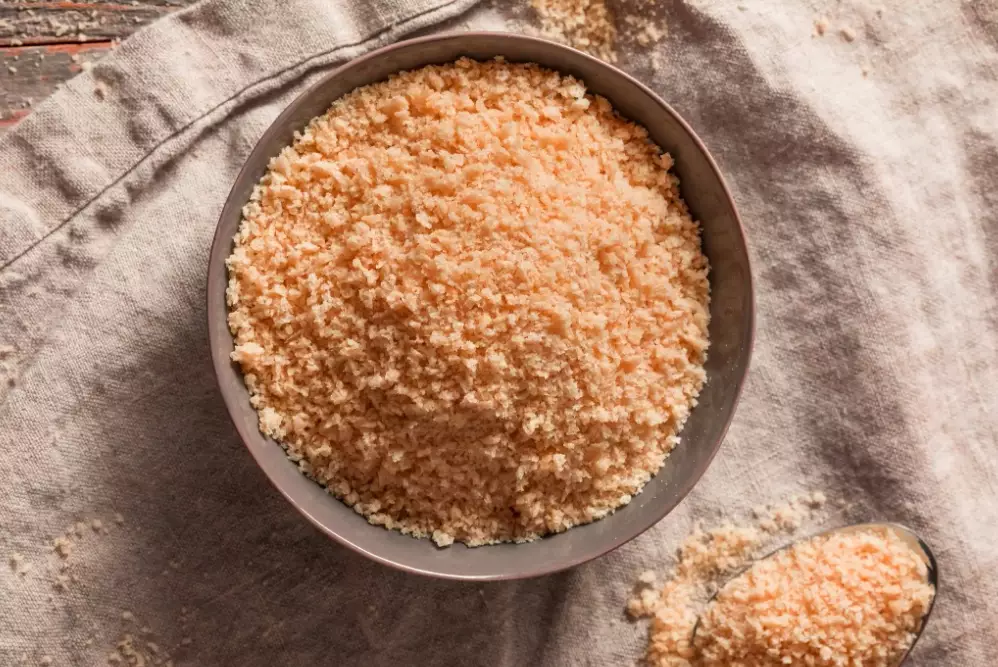
Panko crumbs are shards, flakes, or slivers. They have a light, airy, and jagged texture. This isn't an aesthetic choice. Those sharp, irregular edges and hollow centers are the result of a specific baking method using an electrical current, which we'll get into. This structure creates a crust with more surface area that stands away from the food, leading to a crispier, drier, and airier coating. Regular breadcrumbs, often made from toasted and pulverized loaf ends, are denser, finer, and more sand-like. They pack down, creating a tighter, harder shell that can sometimes taste more like fried bread than a delicate, crispy armor.
The Unique Manufacturing Process: Why No Crust Matters
This is where Panko's magic is engineered. Traditional Western breadcrumbs are often a byproduct. Bakeries take leftover bread, crust and all, dry it, and grind it. Panko production is a dedicated, start-to-finish process.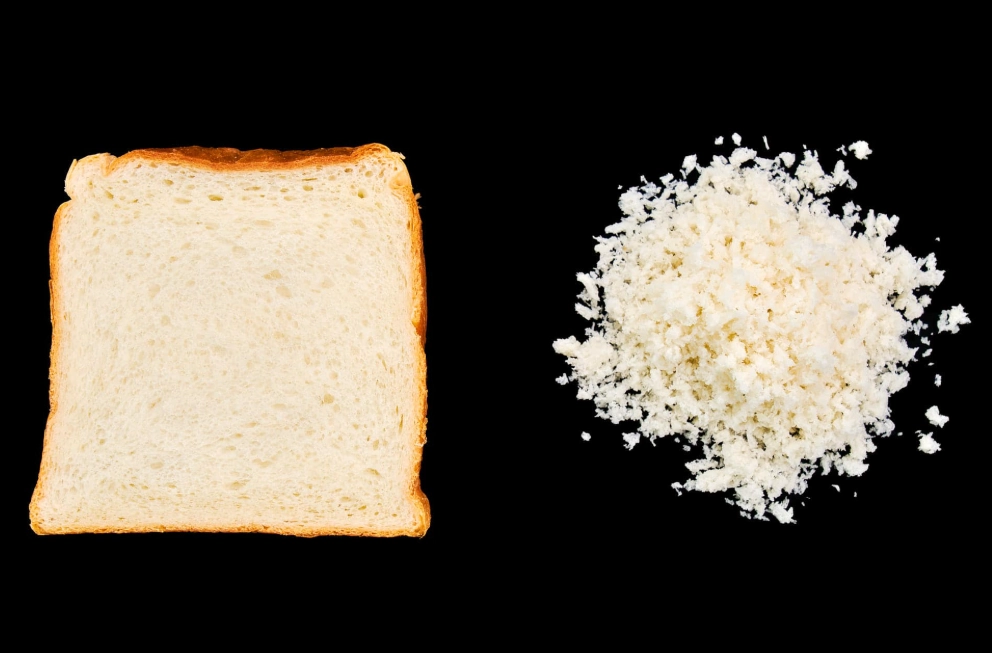
The Crustless Bread Loaf
Panko starts with a special, crustless white bread. The loaves are baked in a unique way, often using a method called "roller hearth" baking or, crucially, by baking with electrical current. Passing an electrical current through the dough during baking causes it to rise rapidly and uniformly from the center, preventing a hard crust from forming. According to resources from Japan's Ministry of Agriculture, Forestry and Fisheries (MAFF), this technique is central to creating the right base material.
Shredding, Not Grinding
After baking and cooling, this soft, crustless bread is coarsely shredded by large serrated rollers. It's not ground, milled, or pulverized. This shredding action tears the bread along its grain, creating those long, flaky slivers with a porous, air-filled interior. The crumbs are then dried to a perfect moisture content. This process preserves the structural integrity of each flake, which is completely destroyed in the grinding process of regular breadcrumbs.
I learned this the hard way early on. I tried to make "homemade Panko" by drying out sandwich bread and grating it. The result was closer to coarse sand than true Panko flakes. The crust on my bread and the lack of that specific airy, crustless crumb structure made it impossible to replicate. You need the right raw material.
Panko vs. Regular Bread Crumbs: A Side-by-Side Breakdown
Let's put them head-to-head. This table isn't just about listing features; it shows you when and why you would choose one over the other.
Flavor ProfileVery neutral, slightly sweet wheat flavor. Designed to not overpower the food.Often toasted, sometimes seasoned with herbs and salt (especially "Italian style"). Has a distinct "bread" taste.| Characteristic | Japanese Panko Bread Crumbs | Regular / Italian-Style Bread Crumbs |
|---|---|---|
| Texture & Shape | Large, flaky, shard-like, sharp edges, airy interior. | Fine, sandy, granular, uniform, dense. |
| Color | Bright white to very light golden. | Golden brown to deep tan. |
| Primary Use | Frying and deep-frying for ultra-crispy, light coatings (tonkatsu, tempura, fried fish). Also great for oven-baking to add crunch. | Breading for pan-frying, binding for meatballs/meatloaf, topping for casseroles and gratins, filler. |
| Crispiness Factor | Exceptionally crispy, shattering, stays crisp longer due to low oil absorption. | Firm and crunchy, but can become hard or soggy faster as it absorbs oil and moisture. |
| Oil Absorption | Low. The open structure doesn't soak up as much oil, leading to a lighter, less greasy feel. | High. The fine particles pack together and absorb oil readily. |
| A Classic Mistake | Using it as a 1:1 substitute in a meatball recipe. The large flakes won't bind properly, resulting in a loose, crumbly texture. | Using it for Japanese-style fried foods. The dense coating will be heavy, greasy, and lack the signature airy crisp. |
The biggest practical difference I've noticed is cleanup. Food fried with Panko tends to leave cleaner oil behind because less particulate matter sheds into the fryer. With regular crumbs, the oil darkens and picks up flavors much faster.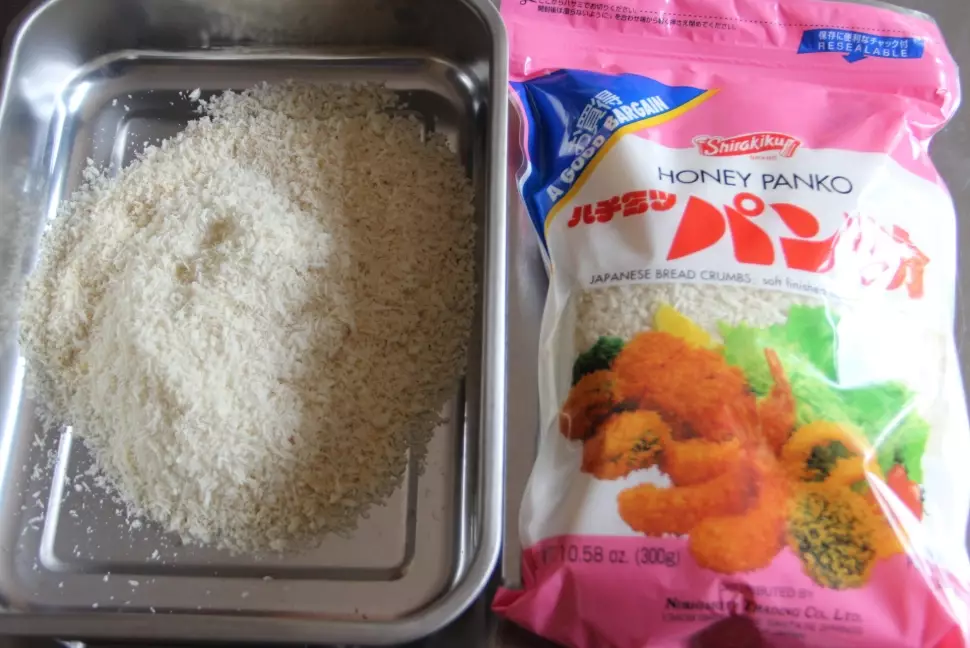
How to Use Panko Bread Crumbs for Maximum Crispiness
Knowing Panko is unique is one thing. Using it correctly is another. Here’s how to get the most out of it, beyond just the standard flour-egg-crumb routine.
The Breading Station is Non-Negotiable. For fried foods, you must set up a proper station: seasoned flour, beaten egg (often with a splash of water or milk), and Panko in separate shallow dishes. Pat your protein dry first. The flour creates a dry base for the egg to stick to, and the egg is the glue for the Panko. Don't skip the flour.
Don't Press Too Hard. This is a common error. When you place your egg-coated item into the Panko, gently pile the flakes on top and press just enough for them to adhere. If you smash it down, you crush the delicate, airy structure of the flakes, defeating their purpose. You want a loose, fluffy coating.
Let it Rest. After breading, let the item sit on a rack for 5-10 minutes before frying. This lets the egg set and helps the coating stay on during frying.
Fry at the Right Temperature. For deep-frying, maintain a steady oil temperature between 340°F and 350°F (170°C-175°C). Too low, and the food will soak up oil. Too high, and the Panko will brown before the inside is cooked. Use a thermometer.
Oven-Baking is a Great Alternative. For a healthier version, bread with Panko and bake on a wire rack set over a baking sheet at 400°F (200°C). Spray or lightly drizzle the coated items with oil before baking. The rack allows hot air to circulate, preventing a soggy bottom. You won't get the exact same richness as deep-frying, but you'll get excellent crunch.
Toasting Panko for Toppings. For adding crunch to casseroles, salads, or mac and cheese, toast dry Panko in a skillet with a little butter or oil until golden. This enhances its flavor and crunch without the sogginess risk of regular breadcrumb toppings.
Where to Buy Authentic Panko & Top Brand Recommendations
You can find Panko in most major supermarkets now, but the quality and authenticity vary.
- Asian Grocery Stores: Your best bet for variety, authenticity, and price. You'll find Japanese brands like Kikkoman and Nisshin, which are excellent standards. You might also find different grades, like finer Panko for specific uses.
- Major Supermarkets (Walmart, Kroger, Safeway, etc.): Look in the international aisle or the baking aisle near regular breadcrumbs. Common brands are Kikkoman Panko and store brands (like Kroger's "Private Selection"). The quality is generally good for home use.
- Online Retailers (Amazon, Thrive Market): Convenient for bulk purchases or finding specific brands like Ian's or JFC International.
My go-to is the standard Kikkoman Panko from the Asian market. It's reliable, consistently flaky, and reasonably priced. I've tried some store brands that seemed to have more "dust" (fine particles) at the bottom of the bag, which suggests poorer shredding quality or transport damage. Give the bag a gentle shake and feel before you buy—you want to hear and feel distinct flakes, not a bag of powder.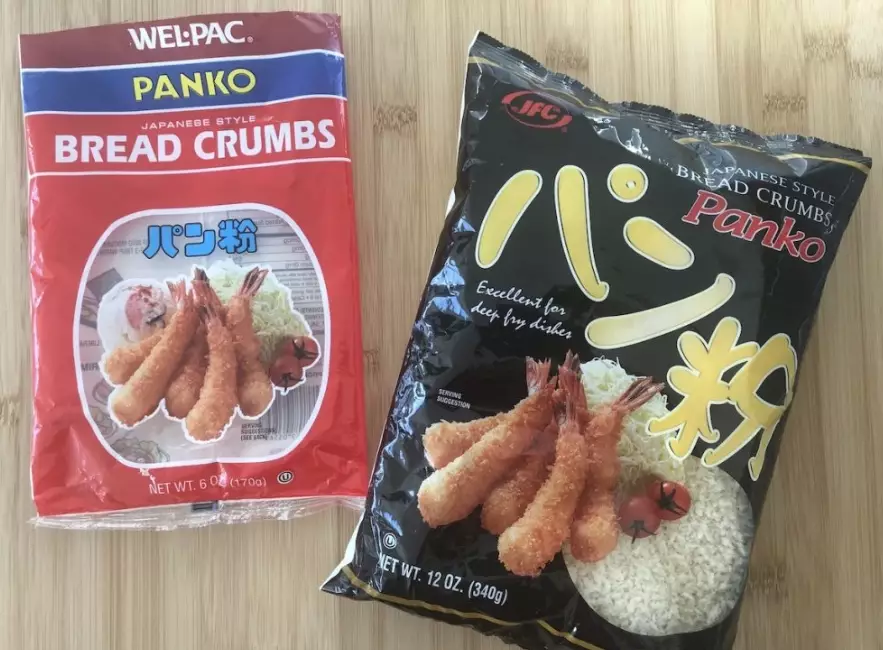
Your Panko Questions, Answered by a Cook Who's Made the Mistakes
Can I use regular breadcrumbs if I don't have Panko?
You can, but manage your expectations. The dish will be fundamentally different—denser, harder, and more absorbent. For a closer texture, try pulsing regular white sandwich bread in a food processor into coarse flakes (not powder) and lightly toasting them in the oven. It's a serviceable patch, but not the real thing.
Is there a gluten-free or whole wheat Panko option?
Yes, but tread carefully. True Panko's texture relies on wheat gluten's structure. Many "gluten-free Panko-style" crumbs use rice flour or other starches. They can be crispy but often lack the signature flaky, airy architecture and may brown too quickly. Brands like Ian's make a decent version. Whole wheat Panko exists but is less common; it has a nuttier flavor and a slightly denser texture.
 How should I store Panko, and how long does it last?
This is crucial. Because Panko is dried but not oily, its enemy is moisture, not rancidity. Transfer it to an airtight container or ziplock bag after opening. Store it in a cool, dark pantry. Properly stored, it can last for over a year, but for peak crispiness, try to use it within 6 months. If it smells musty or loses its snap, it's time to replace it. Don't refrigerate it—that introduces moisture.
Can Panko be used for something other than frying?
Absolutely. Its neutral crunch is a fantastic topping. Mix toasted Panko with melted butter, garlic, and parsley for a gratin topping. Use it as a binder in crab cakes (combined with a little mayo or egg) for a lighter texture than regular crumbs. It can even be used in a stuffing or dressing to add distinct pockets of crunch.
Why does my Panko coating sometimes fall off during frying?
Three likely culprits: 1) You didn't pat the food dry enough before flouring, so the egg slid off. 2) The oil temperature was too low, causing the egg to cook slowly and release its grip. 3) You moved the food too much in the first 30 seconds of frying. Let it form a seal before gently turning. Also, that resting period after breading is more important than most people think.
Is Panko healthier than regular breadcrumbs?
Not significantly in terms of calories or carbs. The main "health" benefit is practical: because it absorbs less oil, the final fried product is less greasy and may have slightly fewer calories from fat. Its light texture can also make you feel less heavy after eating. But it's still a bread product used for frying, so it's not a health food.
Reader Comments