You see "potato salad" on a menu or in a recipe book, but what you get can be two completely different dishes depending on which side of the Pacific it comes from. Japanese potato salad and American potato salad share a name and a base ingredient, but their soul, texture, and purpose on the plate are worlds apart. One is a creamy, harmonious side with a subtle complexity; the other is a bold, chunky picnic staple. Understanding these differences isn't just trivia—it helps you choose the right one for your meal, avoid culinary disappointment, and maybe even blend the best of both worlds in your own kitchen.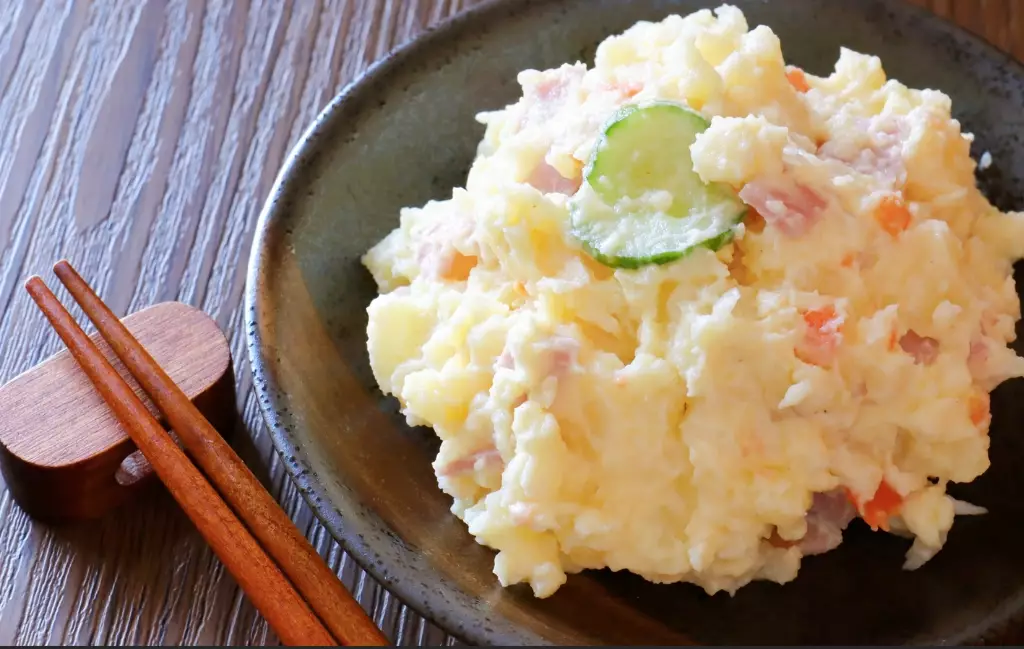
What You'll Discover
The Core Philosophy: Harmony vs. Boldness
Let's start with the mindset behind each dish, because that's where the real split happens.
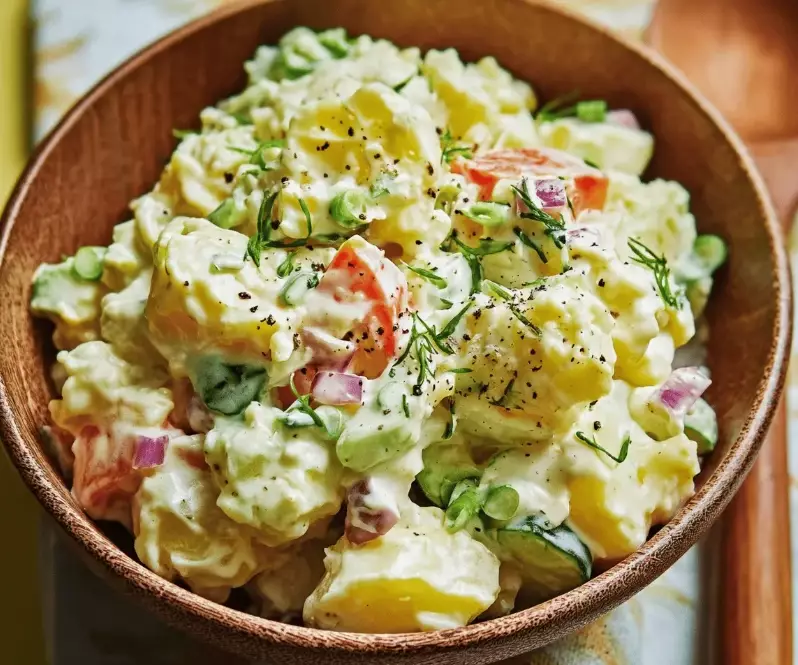
Japanese potato salad (ポテトサラダ) is a yōshoku dish—Western-inspired Japanese cuisine. Its goal is harmony and subtlety. Think of it like a well-composed orchestra where no single instrument overpowers the others. The potatoes, vegetables, and ham (if used) are cut small or mashed to create a unified, creamy mass. The flavor is balanced, slightly sweet from Japanese mayonnaise (more on that later), and meant to be a refreshing, light accompaniment to a main meal, often found in bento boxes or alongside a piece of grilled fish. It reflects the Japanese culinary principles of washoku, emphasizing seasonal ingredients and a delicate balance, even in an adopted dish. You can read more about these principles in resources from the Japanese Ministry of Agriculture, Forestry and Fisheries.
American potato salad, particularly the classic picnic style, is about boldness and contrast. It's a hearty, robust side meant to hold its own at a backyard barbecue next to burgers, ribs, and hot dogs. You get distinct chunks of potato, crunchy celery and onion, and a dressing that's tangy, savory, and often punctuated with mustard, pickle relish, or hard-boiled eggs. It's a dish of clear, separate components coming together in a flavorful, but not necessarily blended, way.
One subtle mistake home cooks make with the American version is under-seasoning the cooking water. If you don't salt the potato water generously, the potato chunks themselves will taste bland no matter how flavorful your dressing is. For the Japanese version, the common error is rushing the cooling process. Warm potatoes will make the mayo oily and separate—patience is non-negotiable.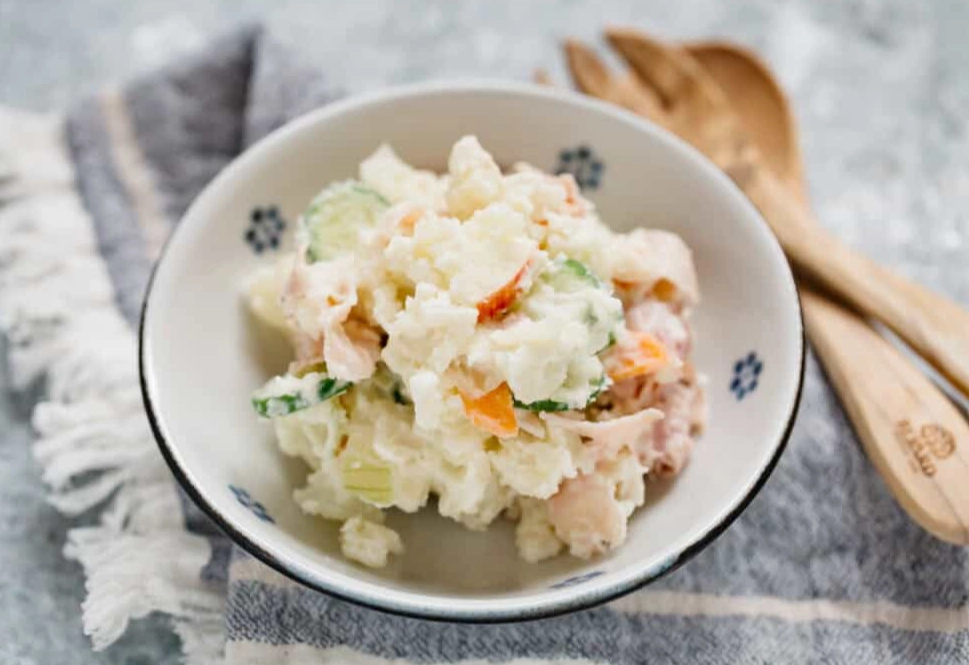
Ingredient Breakdown: A Tale of Two Salads
This is where the rubber meets the road. The ingredient lists tell the whole story. Here’s a side-by-side comparison of the typical components.
| Ingredient | Japanese Potato Salad | American Potato Salad |
|---|---|---|
| Potatoes | Often waxy types (like May Queen) or Yukon Gold. Boiled, then partially mashed while warm. | Starchy types (Russet) or all-purpose (Yukon Gold). Boiled firm and cut into chunks. |
| Vegetables | Cucumber (salted and squeezed), carrot, sweet corn, onion. All finely diced or grated. | Celery, red or white onion, bell pepper. Diced, but left crunchy and distinct. |
| Protein | Thinly sliced ham or boiled eggs are common, but cut small to integrate. | Hard-boiled eggs, often chopped or sliced. Bacon sometimes appears. |
| Dressing Base | Japanese mayonnaise (Kewpie). It's made with rice vinegar, egg yolks (not whole eggs), and MSG, giving it a richer, umami-packed, slightly sweet profile. | American-style mayonnaise (Hellmann's/Best Foods) or a mayo-sour cream blend. Tangier and less sweet. |
| Key Flavorings | Salt, white pepper, a touch of sugar or mirin. Mustard is rare. The focus is on creamy, mild umami. | Yellow mustard or Dijon, pickle relish (sweet or dill), vinegar, paprika, black pepper. Tangy and punchy. |
| Texture Goal | Smooth, creamy, and almost spreadable. A cohesive mixture. | Chunky, with defined pieces of potato and veg in a creamy binder. |
The mayonnaise is the biggest game-changer. Kewpie mayo is a non-negotiable for authentic Japanese potato salad. Its unique umami comes from using only egg yolks and containing monosodium glutamate (MSG). Substituting it with American mayo will give you a different, flatter taste. Conversely, using Kewpie in an American recipe would make it oddly sweet and lack the expected tang.
For the vegetables, the Japanese technique of salting cucumber slices to draw out water is crucial. Skip this, and your salad becomes a watery mess within an hour. It’s a step most Western recipes don't teach you, but it's fundamental to that perfect, non-soggy texture.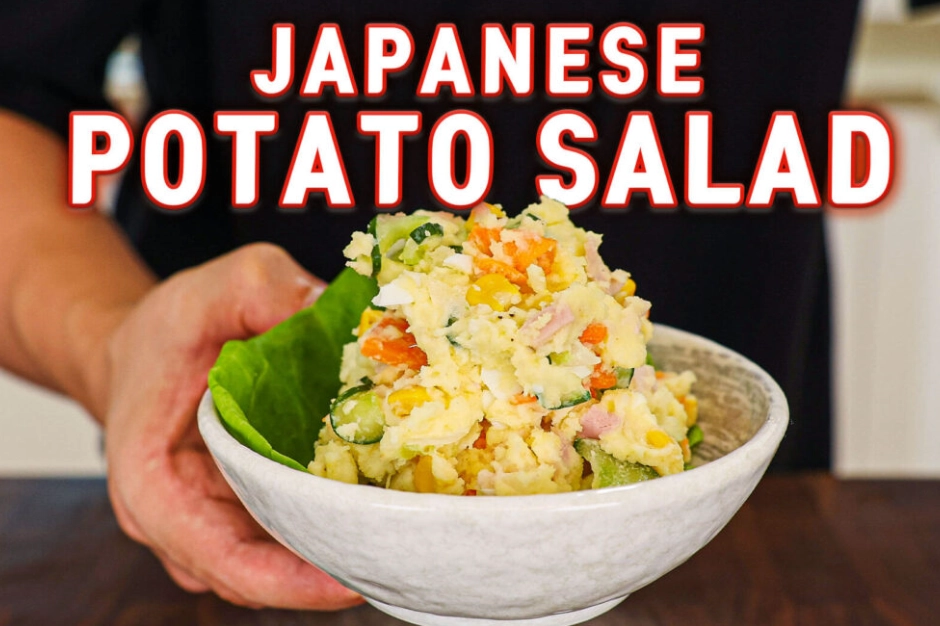
Texture & Flavor: The Ultimate Taste Test
Close your eyes and take a bite. What do you experience?
Japanese Potato Salad: A Creamy Umami Delight
The texture is uniformly smooth and creamy. You might get a tiny burst of corn or a bit of ham, but it all melds into one luxurious mouthfeel. It's cool, rich, and comforting. The flavor is subtly sweet, eggy from the Kewpie, with a clean, mild vegetable background. The salt-cured cucumber adds a refreshing note, not a crunch. It's surprisingly light for something so creamy. I find it addictively easy to eat straight from the bowl.
American Potato Salad: A Chunky, Tangy Classic
Here, you experience contrast first. Your teeth sink into a soft, starchy potato chunk, then hit a crisp piece of celery or a sharp bit of raw onion. The dressing clings to the components but doesn't homogenize them. The flavor is upfront: tangy from vinegar and mustard, savory, often a bit sweet from relish, with a peppery finish. It's hearty and satisfying in a different way—more of a "chew" than a "scoop." Sometimes, especially at potlucks, the American version can be overly gloppy with mayo, which masks the other flavors. A good one maintains balance.
Making the Perfect Version of Each
Let's get practical. Here’s how to nail each style, with tips you won't find on every generic blog.
Mastering Japanese Potato Salad
1. Potato Prep: Use yellow-fleshed potatoes. Boil them whole with the skin on to prevent waterlogging. Peel while hot (use a towel to hold them), then place in a bowl. Mash about two-thirds of them with a rice paddle or masher while still warm—this helps them absorb the seasoning. Leave some small lumps for texture.
2. The Cucumber Step (Don't Skip!): Thinly slice a Japanese or English cucumber. Toss with 1 tsp salt, let sit for 10 minutes, then squeeze firmly in a clean towel to remove as much water as possible. This concentrates the flavor and prevents sogginess.
3. Mixing: Let the mashed potatoes cool completely. I mean it—room temperature. Then fold in your finely diced carrots (often blanched), corn, cucumber, and ham. Add Kewpie mayo starting with a few tablespoons. Mix gently. The salad should hold together, not swim in mayo. Season with salt, a pinch of sugar, and white pepper.
4. Rest: Cover and refrigerate for at least an hour. This lets the flavors marry and the texture set perfectly.
Mastering American Potato Salad
1. Potato Choice & Cook: Russets or Yukon Golds are great. Cut them into even, bite-sized chunks before boiling. This ensures even cooking. Salt the boiling water like pasta water. Cook until just tender—a knife should pierce easily but the chunk shouldn't fall apart. Drain well.
2. The Dressing Build: While potatoes cook, mix your base. For a classic: 1 cup mayo, 2 tbsp yellow mustard, 2 tbsp sweet pickle relish, 1 tbsp apple cider vinegar, 1 tsp celery salt, ½ tsp black pepper. Whisk it well.
3. Combining: In a large bowl, place your warm (not hot) potato chunks. Pour about half the dressing over and toss gently. The warm potatoes will soak it up. Add your crunchy veggies—½ cup diced celery, ¼ cup minced red onion. Then add the remaining dressing to your liking. Fold in chopped hard-boiled eggs last to keep them from getting smashed.
4. The Finish: Sprinkle with paprika. Rest in the fridge for a few hours. The flavors develop, and the starches tighten everything up.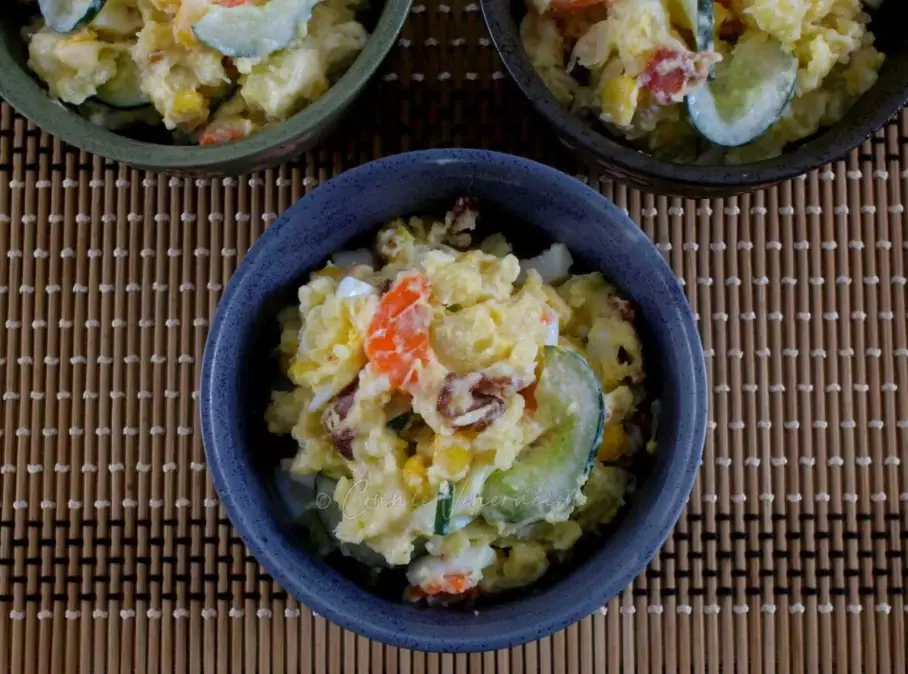
When to Serve Which: Context is King
Choosing the right salad isn't about which is better—it's about what fits.
Serve Japanese Potato Salad when: You want a refined, elegant side. It's perfect for bento boxes, as part of a multi-course Japanese meal (with miso soup, rice, and a protein), at a summer lunch, or as a unique offering at a potluck that will intrigue guests. Its creamy texture makes it a fantastic spread for sandwiches or on toast—something the chunky American style can't do.
Serve American Potato Salad when: You're hosting a classic American barbecue, going on a picnic (it's more stable at room temperature for short periods), or need a hearty, crowd-pleasing side for a potluck. It pairs with smoky, grilled meats and heavy dishes where its tangy punch can cut through the fat.
Personally, I lean towards the Japanese style for everyday eating. It feels more sophisticated and is less likely to sit heavily in your stomach. But for a Fourth of July cookout? You can't beat the nostalgic, bold taste of the American classic.
Your Potato Salad Questions, Answered
 My American potato salad always turns out dry. How do I fix it?
Reader Comments