Quick Guide to Japanese Curry
- The Unbeatable Foundation: The Holy Trinity of Vegetables
- The Protein Puzzle: What Meat Goes In?
- The Secret Sauce: Demystifying the Curry Roux Block
- Beyond the Basics: The Common Extras & Twists
- How It All Comes Together: The Typical Cooking Method
- Wait, Is Restaurant Curry Different?
- Regional Twists & Popular Variations
- Answering Your Burning Questions (FAQ)
- Wrapping It Up: The Heart of the Bowl
You know the smell. That warm, deeply spiced, slightly sweet aroma that fills the kitchen and promises a hug in a bowl. Japanese curry is different. It's not like the fiery Thai curries or the complex, layered Indian ones. It's its own thing—a thick, rich, savory stew that's pure comfort. But if you've ever stood in the grocery aisle staring at those boxes of golden roux blocks, or wondered why your homemade version doesn't taste quite right, you've probably asked yourself: what is typically in Japanese curry, really?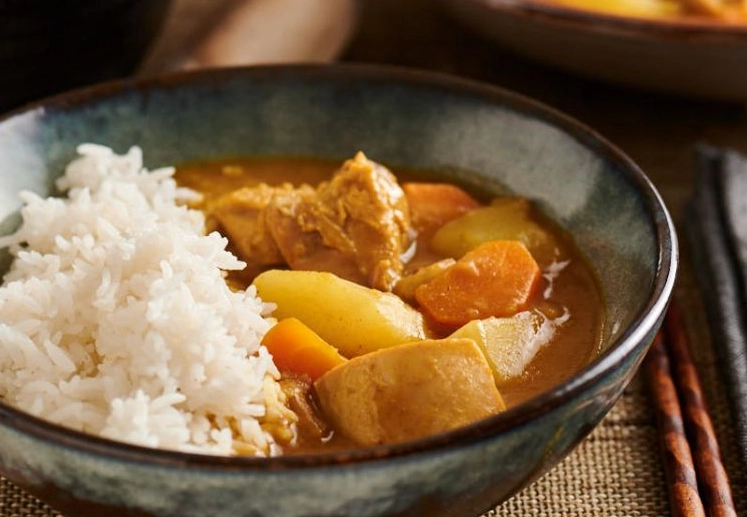
Let's clear something up right away. When most people ask this, they're not just talking about the final stew in the bowl. They're asking about the building blocks. The magic usually starts with a store-bought curry roux. This is the non-negotiable heart of the matter for probably 99% of Japanese households. Making a roux from scratch with dozens of spices? That's a weekend project for enthusiasts. The blocks are the everyday genius.
The Core Answer in a Nutshell: What is typically in Japanese curry? At its most basic, it's a combination of sautéed onions, carrots, and potatoes, a protein (like chicken, pork, or beef), simmered in water or broth, and thickened and flavored with a commercial curry roux block. The roux itself is a blend of spices (like cumin, coriander, turmeric, fenugreek), fats, flour, sweeteners, and umami boosters like tomato and apple puree.
But that's just the skeleton. The real soul of the dish is in the details, the little tweaks, and the understanding of why these ingredients work so well together. I remember the first time I tried to make it, just following the picture on the box. It was fine. Edible. But it lacked that deep, rounded flavor I loved from my favorite curry shop. I was missing the secrets.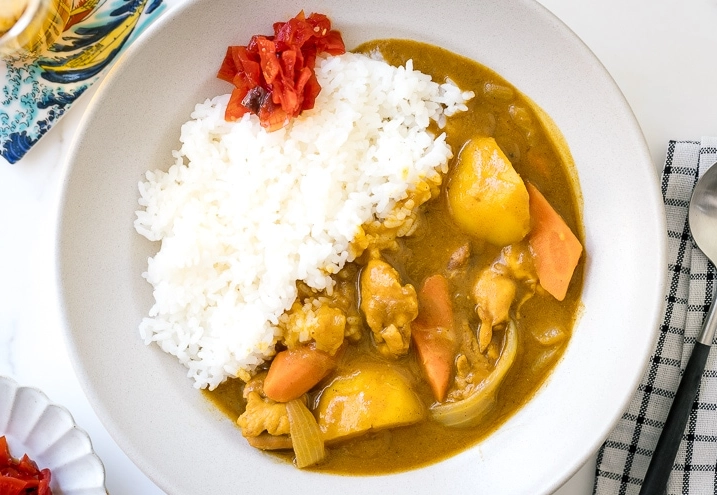
The Unbeatable Foundation: The Holy Trinity of Vegetables
Ask any Japanese person what's in their curry, and they'll almost always list these three first. They're the base, the texture, the sweetness, the bulk. You can add other things, but skipping one of these feels wrong, like a pizza without cheese.
- Onions: This is where the magic starts. And I'm not talking about a quick chop and toss in. For a really good curry, you slowly caramelize a mountain of sliced onions until they melt into a jammy, sweet, brown paste. This step alone can take 30-40 minutes, and it's the single biggest difference between a good curry and a great one. It builds an incredible depth of flavor that the roux then layers onto.
- Carrots: They add a natural sweetness and a bit of color. Cut into hearty chunks, they soften during the long simmer but still retain a slight bite. Some people grate a bit of carrot into the onion mixture to help it break down and sweeten the base even more—a pro move I highly recommend.
- Potatoes: Usually waxy potatoes like Yukon Golds or Japanese “May Queen” potatoes. They hold their shape beautifully and thicken the stew slightly as they release their starch. That soft, fluffy potato chunk soaked in curry sauce is a highlight for many.
See? Already, what is typically in Japanese curry is more than just a list. It's a process. The vegetables aren't just dumped in; they're treated with purpose.
The Protein Puzzle: What Meat Goes In?
This is where personal preference really shines. There's no single right answer, but there are clear champions.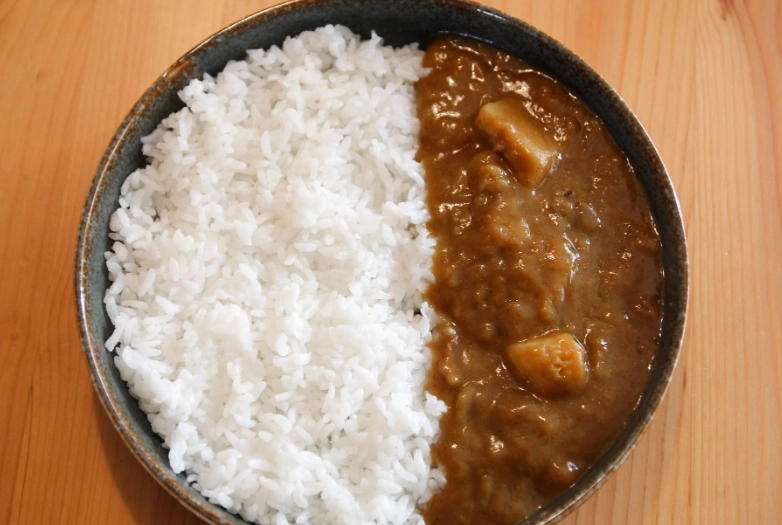
| Protein | Why It Works | Common Cut & Prep | My Personal Take |
|---|---|---|---|
| Chicken | Mild, affordable, cooks quickly. The fat from the skin (if used) adds richness. Probably the #1 choice for home cooking. | Bone-in chicken thighs, cut into chunks. Browned well first for flavor. | My go-to. Thighs are forgiving and stay juicy. Breast can get dry if you're not careful. |
| Pork | Slightly richer flavor than chicken. Very popular, especially in “pork cutlet curry” (katsu curry). | Diced pork shoulder (for stewing) or a breaded, fried cutlet (tonkatsu) placed on top. | Pork shoulder makes a fantastic, hearty stew. Katsu curry is a treat, but it's a different dish entirely. |
| Beef | Adds a robust, savory depth. Takes longer to become tender, so it's often stewed for hours. | Beef chuck or short rib, cut into large cubes. Often browned and braised separately. | The king of flavor, but also the most expensive and time-consuming. A weekend project. |
| Seafood/Other | Less common but regional. Shrimp curry exists! Also, vegetarian versions with chickpeas or just extra veggies. | Shrimp added at the very end to avoid overcooking. Tofu or boiled eggs are great in veggie curry. | I tried a “seafood mix” once. The textures were all wrong. Stick to shrimp or scallops if you go this route. |
So, when considering what is typically in Japanese curry, chicken or pork are your safest, most common bets. But don't be afraid to experiment once you've got the basics down.
The Secret Sauce: Demystifying the Curry Roux Block
This is the engine of the dish. The roux block is a precooked, solidified paste of fat (usually palm or vegetable oil), flour, and a meticulously balanced blend of spices and flavorings. It's what makes Japanese curry Japanese curry. Trying to list every spice would be guesswork, but brands like S&B Foods and House Foods have been perfecting their blends for nearly a century. According to S&B's own history, their research into curry powder began in the 1920s, aiming to create a taste suited to the Japanese palate.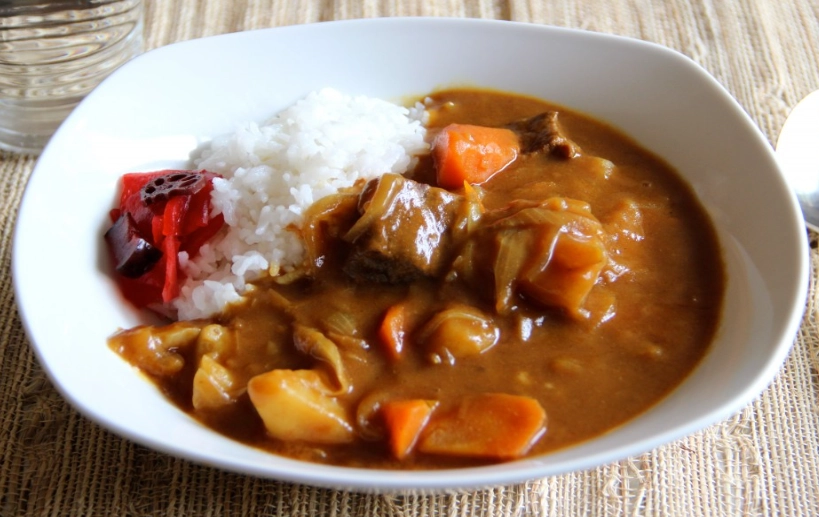
The typical spice profile includes:
- Core Spices: Cumin, coriander, turmeric (for that iconic yellow color), fenugreek, cardamom, cinnamon, clove, black pepper, nutmeg.
- The “Secret” Sweeteners: This is key! To balance the spices, roux blocks contain sweeteners like apple puree, honey, or even chocolate. No, it doesn't taste like dessert. It just adds a round, mellow fruitiness that removes any harsh edges. It's the reason Japanese curry is kid-friendly.
- Umami Bombs: Tomato paste, yeast extract, soy sauce, and sometimes even dashi (Japanese fish stock) powder are blended in to create that deep, savory, irresistible “more-ish” quality.
Pro Tip: Don't just crumble the block straight into the pot. Melt it in a ladleful of the hot stewing liquid first to make a smooth paste, then stir it back in. This prevents lumps and ensures even distribution. And always taste after adding the roux—those blocks are seasoned, so you rarely need extra salt.
You can learn more about the fascinating industrial process and food science behind these ubiquitous blocks from resources like the Japan Society for Bioscience, Biotechnology, and Agrochemistry, which publishes research on food fermentation and flavor development, key to understanding curry roux's complex taste.
Beyond the Basics: The Common Extras & Twists
Once you have the foundation, people get creative. These additions answer the broader question of what is typically in Japanese curry by showing its versatility.
The Flavor Boosters (My Favorite Part)
These are the “hacks” that take your curry from box-mix good to restaurant-level great.
- Grated Apple or Honey: If your roux isn't sweet enough, a tablespoon of grated apple (trust me, it disappears) or a drizzle of honey works wonders.
- Instant Coffee or Chocolate: Sounds wild, right? A teaspoon of instant coffee granules or a small square of dark chocolate (70% cocoa) adds an incredible depth and richness, not a coffee or chocolate flavor. It just makes the curry taste… more.
- Tonkatsu Sauce or Worcestershire: A splash adds a tangy, fruity, savory punch. It complements the spices perfectly.
- Milk or Cream: A bit of dairy (or coconut milk) right at the end creates a slightly creamier, milder sauce. A classic style called “cream curry” uses this as its base.
The Texture & Garnish Game
What is typically in Japanese curry isn't just about what's *in* the stew, but what's *on* it.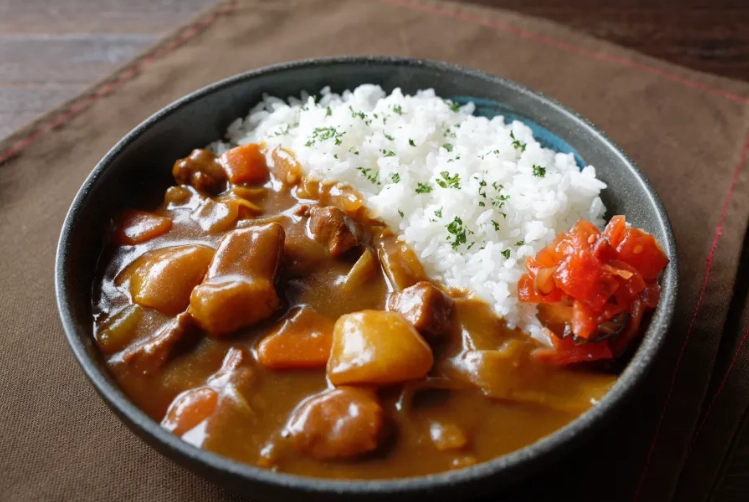
The classic pairing is with rice.
But specifically, short-grain Japanese rice, cooked slightly firmer than usual so it doesn't become mushy under the sauce. The curry is almost always served poured over or next to a dome of this rice.
Then come the garnishes:
- Fukujinzuke: This is the classic red pickle. It's a mix of daikon, cucumber, and eggplant pickled in soy sauce and sweet sake. The crunchy, sweet-salty-tangy bite cuts through the rich curry like nothing else. You can find it at any Asian grocer.
- Rakkyo: Sweet pickled pearl onions. Another classic, cleaner-tasting pickle.
- Soft-Boiled or Poached Egg: A runny yolk mixing into the curry and rice is a thing of beauty.
- Cheese: Yes, cheese. A slice of mild processed cheese (like American) melted on top of hot curry rice is a popular, decadent, slightly weird-but-wonderful addition. Don't knock it till you've tried it.
How It All Comes Together: The Typical Cooking Method
Let's walk through the standard home cook's process. This is where “what is typically in Japanese curry” becomes a verb.
- Sear the Protein: Brown your meat in a heavy pot. Get some good color on it for flavor, then remove and set aside.
- The Long Onion Cook: In the same pot, with the meat drippings, add a huge pile of sliced onions. Cook them low and slow, stirring often, until they're deeply caramelized and brown. This is the most important step. Be patient.
- Build the Stew: Add the carrots (and maybe some grated carrot), then the seared meat back in. Cover with water or broth (I use a simple dashi or chicken broth). Bring to a boil, skim any scum, then reduce to a simmer. Let it go for 20-30 minutes until the meat is almost tender.
- Potato Time: Add the potato chunks. Simmer for another 15-20 minutes until the potatoes are cooked through.
- The Roux: Turn off the heat. Take a few blocks of your chosen curry roux (mild, medium, hot—your call) and melt them in a ladleful of the hot broth. Once smooth, stir this paste back into the main pot.
- Final Simmer: Turn the heat back to low and simmer gently for 5-10 minutes, stirring occasionally, until the sauce has thickened to a gravy-like consistency. It will thicken more as it cools.
- Serve: Ladle over hot rice. Top with fukujinzuke and maybe an egg. Devour.
See? It's a one-pot wonder, really. The active time isn't huge, but the simmering time builds flavor.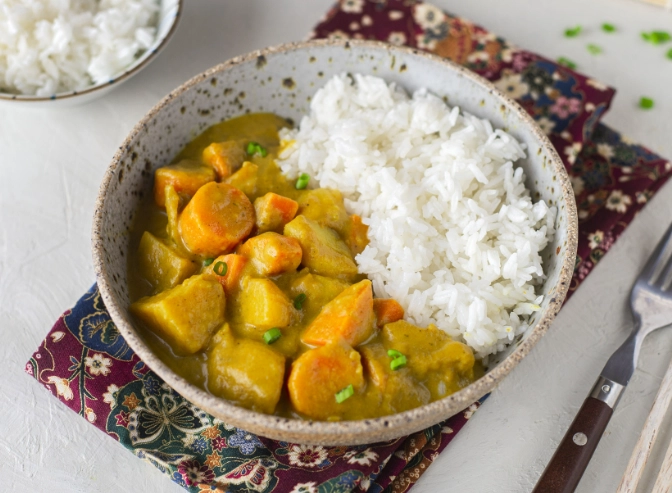
Wait, Is Restaurant Curry Different?
Good question. Sometimes you eat a curry at a specialist shop (“curry-ya”) and it tastes… different. More complex, often smoother, sometimes with a distinct flavor you can't place.
Many high-end or traditional curry restaurants do make their roux from scratch. They toast and grind whole spices, make a roux with butter and flour, and slowly build the sauce. This allows for incredible customization and depth. Some shops are famous for their “spice blend” (スパイス調合).
Others might use a commercial roux base but then add their own proprietary mix of spices, stocks, and flavorings. The base might be a beef bone broth simmered for days, or a vegetable stock with secret ingredients. The Ministry of Agriculture, Forestry and Fisheries (MAFF) of Japan even highlights curry as a key example of “yoshoku” (Western-inspired Japanese food) and its cultural significance, which explains why so much care goes into its preparation at dedicated establishments. You can explore more about yoshoku and its history on the MAFF official website.
So, when pondering what is typically in Japanese curry, remember there's a spectrum: from the quick, reliable home version built on a roux block, to the elaborate, slow-crafted masterpiece at a specialty shop. Both are authentically and wonderfully Japanese curry.
Regional Twists & Popular Variations
The basic template is a canvas. Here are some famous ways people paint on it:
- Katsu Curry: The iconic one. A breaded, deep-fried pork cutlet (tonkatsu) served on rice with curry sauce poured around (not over!) it. The crunch of the cutlet with the sauce is divine.
- Beef Curry (ビーフカレー): Often a more premium, stewed version. Sometimes served with pickled shallots or a dollop of cream.
- Soup Curry (スープカレー): A Hokkaido specialty. The broth is much thinner, more soup-like, but packed with intense spice flavor. Vegetables are often left in large, recognizable pieces (a whole carrot, a half potato). It's lighter but somehow more potent.
- Dry Curry (ドライカレー): Not a stew at all. It's spiced ground meat (like a Japanese-style keema) served over rice. A quick, different take on the “curry rice” idea.
- Naval Curry (海軍カレー): A tradition from the Japanese Navy, often served with bread instead of rice and containing a wider variety of vegetables. It's a historical style you can still find in some ports.
Answering Your Burning Questions (FAQ)
Wrapping It Up: The Heart of the Bowl
So, what is typically in Japanese curry? It's more than ingredients. It's caramelized patience in the form of onions. It's the humble, comforting trio of carrot and potato. It's the accessible genius of a spiced roux block, a product of a century of culinary refinement. It's a protein of choice, simmered until tender.
But most of all, it's adaptability. It's a template for comfort that welcomes your little tweaks—a grate of apple, a whisper of coffee, a slice of melting cheese. It's a home-cooked meal that fills the house with promise and the belly with warmth. It's deceptively simple to make, yet has depths that can keep a food enthusiast curious for years.
The next time you see those yellow boxes, you'll know exactly what's behind them. And better yet, you'll know how to take that foundation and build your own perfect bowl of Japanese comfort. Now, if you'll excuse me, all this writing has made me crave a plate. I think I have some chicken thighs in the fridge… and onions that need caramelizing.
Reader Comments