You've seen it on sushi restaurant menus, a vibrant green tangle in a small bowl, often served as a refreshing starter. Wakame seaweed salad seems simple, but getting it right—that perfect balance of savory, sweet, tangy, and oceanic—hinges entirely on understanding its ingredients. It's not just rehydrated seaweed. The magic is in the dressing and the supporting cast. I learned this the hard way after my first homemade attempt tasted more like salty ocean water than the delicate salad I craved. Let's fix that for you.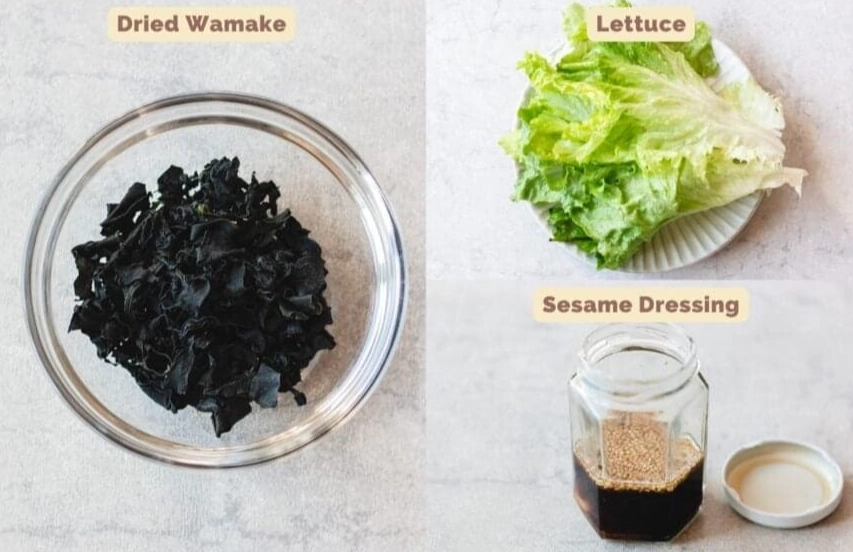
What's Inside This Guide
The Core Ingredients of Wakame Salad
Think of a classic wakame salad as having three component layers: the seaweed base, the aromatic vegetables, and the transformative dressing. Missing one layer leaves the dish feeling incomplete.
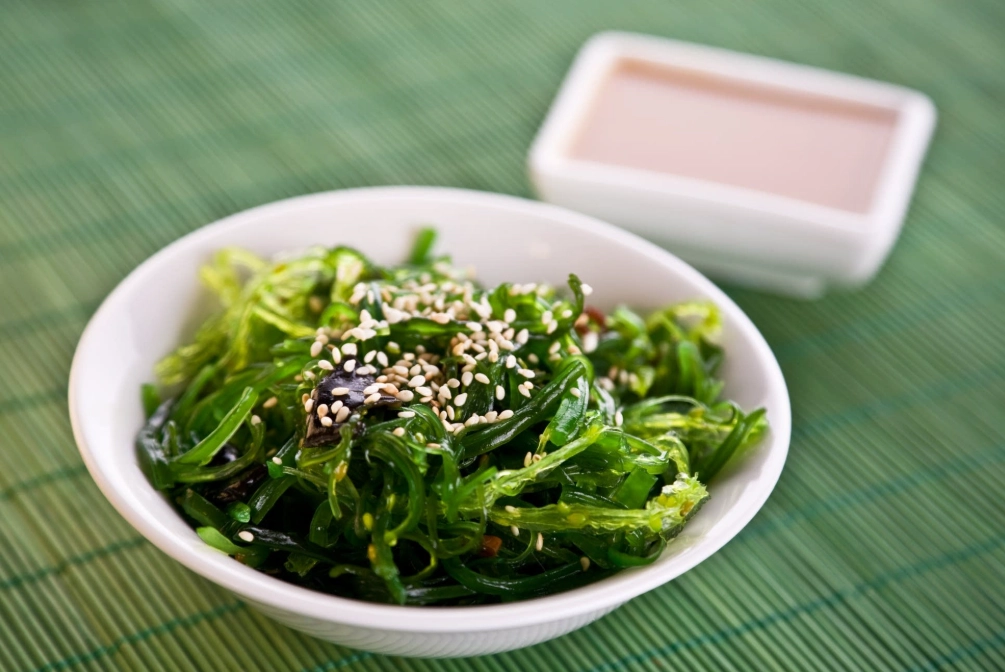
The Base: It all starts with dried wakame. This isn't the flat sheets used for sushi (nori). Wakame comes shredded or in large, wrinkled pieces that expand dramatically in water. You'll also find pre-cut "salad cut" wakame, which is a huge time-saver.
The Aromatics & Texture: This is where you can personalize. The classic trio is cucumber, sesame seeds (both white and black for visual pop), and sometimes very finely sliced scallions. The cucumber needs to be prepared right—salted and squeezed to remove excess water, or it will dilute your dressing into a sad pool at the bottom of the bowl.
The Dressing: This is the soul of the dish. It's a potent, balanced mix that clings to the wakame. The non-negotiables are soy sauce (or tamari), rice vinegar, a sweetener like sugar or mirin, sesame oil, and often a touch of grated ginger and garlic. The quality of each component here matters more than you think.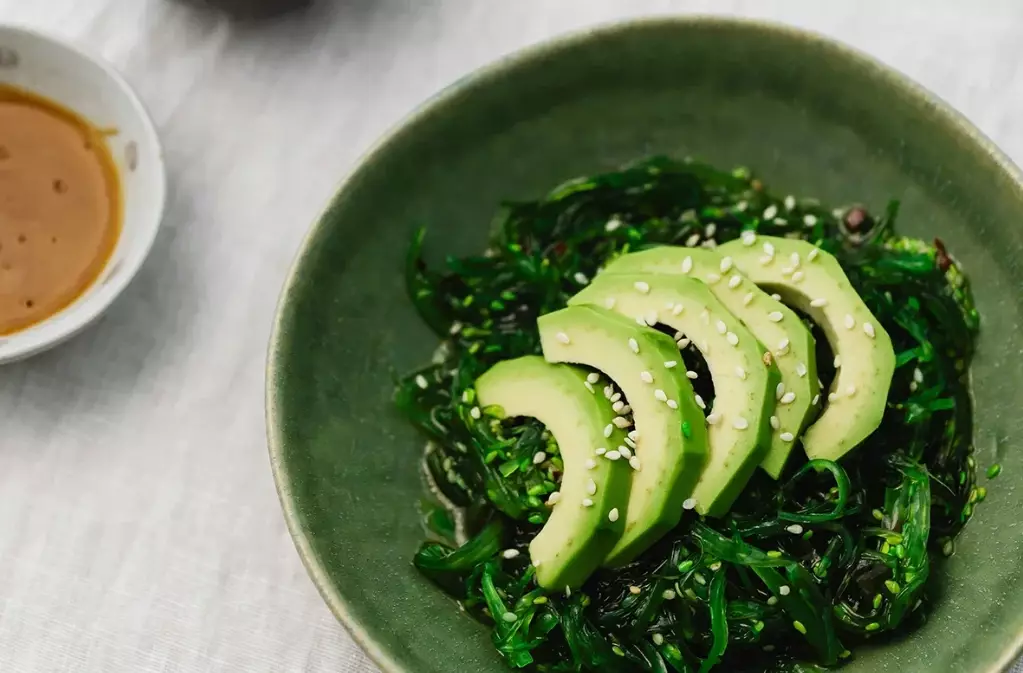
Choosing Your Wakame: Types and Preparation
Not all wakame is created equal. Your end result depends heavily on what you start with.
| Type of Wakame | What It Looks Like | Best For | Prep Notes |
|---|---|---|---|
| Dried, Cut Wakame | Small, dark green fragments or thin strips. | Classic salad. Most common and convenient. | Rehydrates in 5-10 minutes in cool water. Expands 4-5x in size. |
| Dried, Whole Wakame | Large, leathery, dark pieces (often with the central rib). | If you want to control the cut size. Often higher quality. | Rehydrate, then cut away the tough central rib before slicing. |
| Salt-Preserved Wakame | Bright green, moist, sold refrigerated in packages. | Superior texture and flavor. Minimal prep. | Just rinse thoroughly to remove excess salt. No soaking needed. |
| Pre-made Salad Mix | Rehydrated, seasoned, often colored (green/orange). | Extreme convenience. Restaurant-style look. | Ready to eat from the package. Less control over flavor. |
Here's a tip most recipes don't mention: Don't over-soak. Once the wakame is rehydrated and tender (about 5-10 minutes for dried), drain it immediately and squeeze it firmly with your hands. I mean, really squeeze out that water. This step is crucial. It prevents a watery salad and helps the wakame better absorb the dressing. If you leave it sitting in water, it becomes slimy and loses its delicate bite.
The Dressing, Deconstructed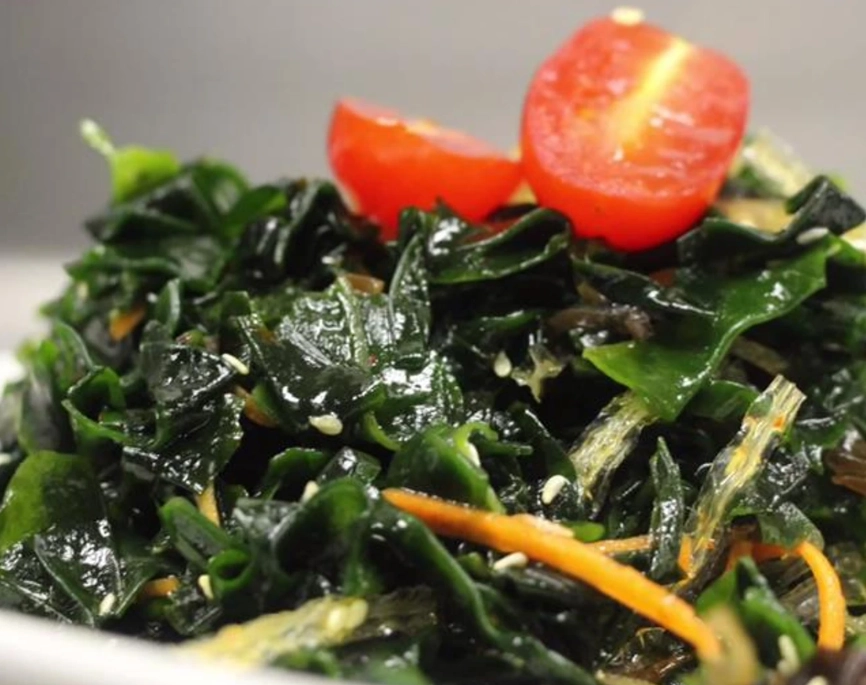
Let's get granular. A tablespoon difference here, a substitution there, and the whole profile shifts.
Soy Sauce: Use a Japanese soy sauce (shoyu) like Kikkoman. It's less aggressive than some Chinese dark soy sauces. For gluten-free, tamari works perfectly. Light soy sauce can be too salty.
Rice Vinegar: Unseasoned rice vinegar is the standard. It's mild and slightly sweet. If you only have seasoned rice vinegar (which has added sugar and salt), reduce the other sweetener and soy sauce in your recipe accordingly. This is a common oversight.
Sweetener: Granulated sugar dissolves fine, but mirin (sweet Japanese cooking wine) adds a lovely depth. Agave or maple syrup can work in a pinch, but they change the flavor subtly.
Sesame Oil: Use toasted sesame oil. This is not the oil for cooking; it's the finishing oil with the intense, nutty aroma. A little goes a very long way. Don't skip it.
Aromatics: Freshly grated ginger and a small amount of finely minced or grated garlic are the secret weapons. The pre-minced stuff in jars lacks the bright, pungent kick you need.
Step-by-Step Recipe & Assembly
Let's put it all together. This makes about 4 side servings.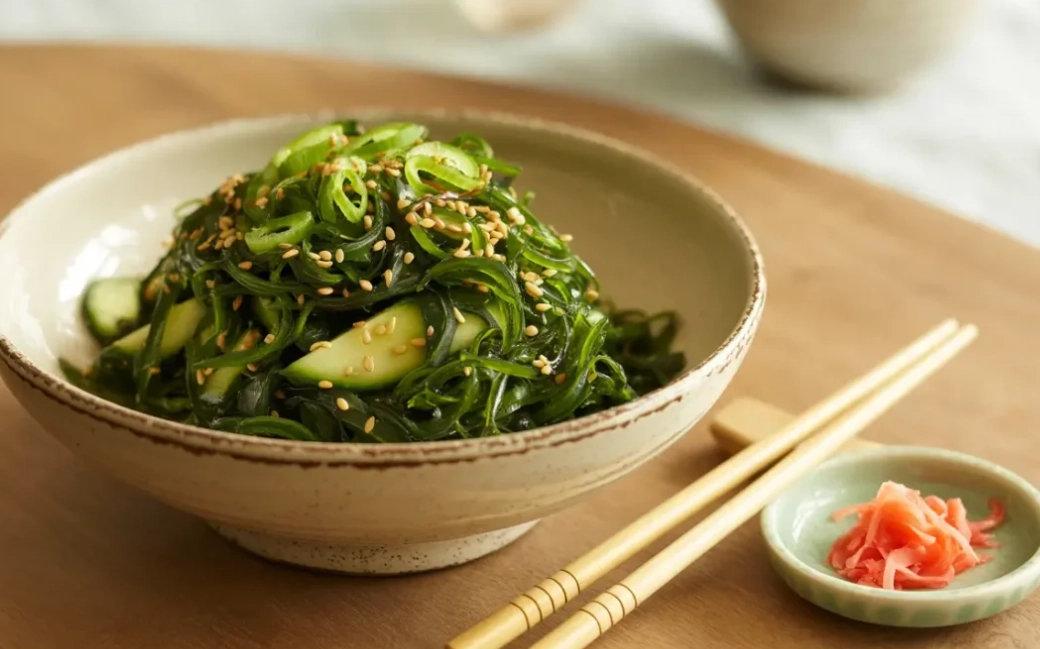
Ingredients:
- 1/4 cup dried cut wakame
- 1/2 English cucumber, thinly sliced or julienned
- 1 tsp salt (for the cucumber)
- 2 tbsp white sesame seeds, toasted
- 1 tsp black sesame seeds (optional, for color)
For the Dressing:
- 3 tbsp rice vinegar (unseasoned)
- 1 1/2 tbsp soy sauce
- 1 tbsp sugar or mirin
- 1 tsp toasted sesame oil
- 1 tsp fresh ginger, grated
- 1/2 small garlic clove, grated (optional)
- A pinch of red pepper flakes (optional)
Method:
- Prep the cucumber: Toss cucumber slices with 1 tsp salt. Let sit in a colander for 15-20 minutes. Rinse quickly and, most importantly, squeeze handfuls tightly to remove as much liquid as possible. This keeps your salad crisp, not soggy.
- Rehydrate the wakame: Place dried wakame in a medium bowl. Cover with cool water. Let it sit for 5-10 minutes until fully expanded and tender. Drain in a fine-mesh sieve and press/squeeze firmly to remove all excess water.
- Make the dressing: In a small bowl or jar, whisk together all dressing ingredients until the sugar is fully dissolved.
- Combine: In your serving bowl, combine the squeezed wakame, prepared cucumber, and most of the sesame seeds. Pour the dressing over and toss thoroughly to coat everything.
- Rest & Serve: Let the salad sit for at least 10-15 minutes before serving. This allows the flavors to meld and the wakame to fully absorb the dressing. Garnish with the remaining sesame seeds.
Common Mistakes and How to Avoid Them
I've made these so you don't have to.
Mistake 1: Not squeezing the wakame and cucumber. This is the #1 reason for a watery, bland salad. You're essentially adding a quarter cup of water to your dressing if you skip this. Squeeze like you mean it.
Mistake 2: Using low-quality or wrong soy sauce/sesame oil. That generic brand soy sauce might be fine for stir-fry, but in a simple dressing, its flaws shine. Same with plain (untoasted) sesame oil—it has no flavor. Invest in the good stuff for this recipe; you use so little it lasts ages.
Mistake 3: Skipping the resting time. Tossing and eating immediately means the wakame is still tasting of plain sea. Letting it marinate for 15-30 minutes in the fridge transforms it. The flavors penetrate and balance out.
Mistake 4: Overcomplicating the add-ins. Some recipes throw in carrots, bell peppers, edamame. That's fine, but it becomes a different, busier salad. The classic version's beauty is in its simplicity—the wakame is the star. If you add other veggies, prepare them to be moisture-free (blanched and dried, roasted, etc.).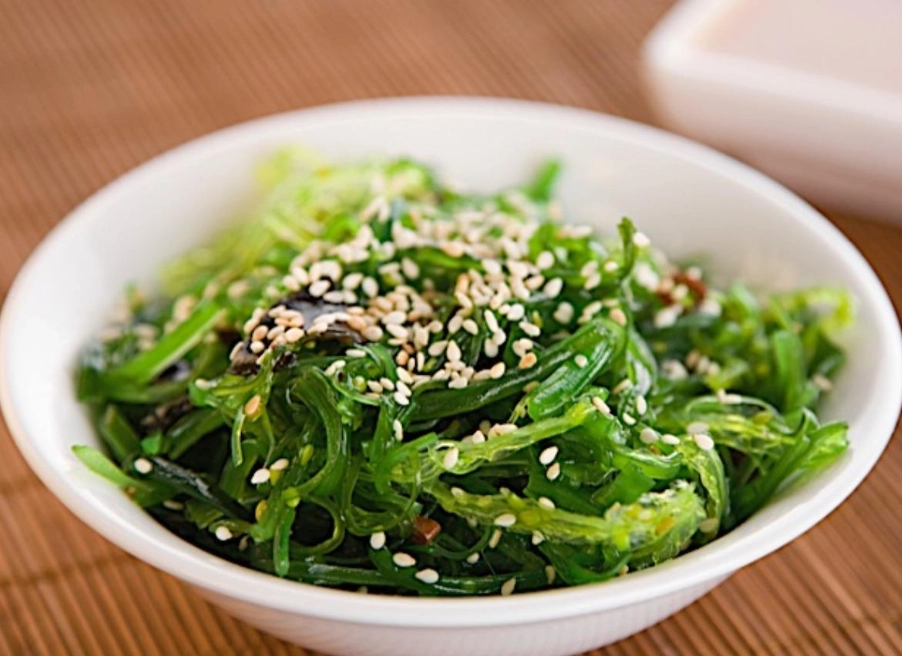
Your Wakame Salad Questions Answered
Can I use the pre-made, brightly colored wakame salad mix from the Asian market as a base?
You can, but understand what you're getting. That mix is already seasoned, often with MSG and artificial colors (like the vibrant green and orange). It's a shortcut. If you use it as a base and add more dressing, the flavor can become overpoweringly salty and artificial. It's better to use it on its own, or mix a small amount with plain rehydrated wakame for color and convenience without losing control of the flavor.
My homemade dressing never tastes as rich and complex as the restaurant's. What's missing?
Two likely culprits: dashi and MSG. Many restaurant versions use a splash of dashi (Japanese soup stock) in the dressing, which adds a deep umami backbone. A tiny pinch of MSG (or using a soy sauce that contains it) will also mimic that "more-ish" restaurant quality. Try adding 1/4 teaspoon of dashi powder or a small pinch of MSG to your dressing mix. Also, ensure you're using enough sesame oil and letting the salad rest.
How long does homemade wakame salad keep in the fridge?
It's best within 24 hours. After that, the cucumber loses its crunch and can release more water, and the wakame continues to absorb the dressing, eventually becoming overly soft and salty. It's still safe to eat for 2-3 days, but the texture deteriorates. For meal prep, keep the dressing separate and combine it with the squeezed wakame and cucumber just before you're ready to eat.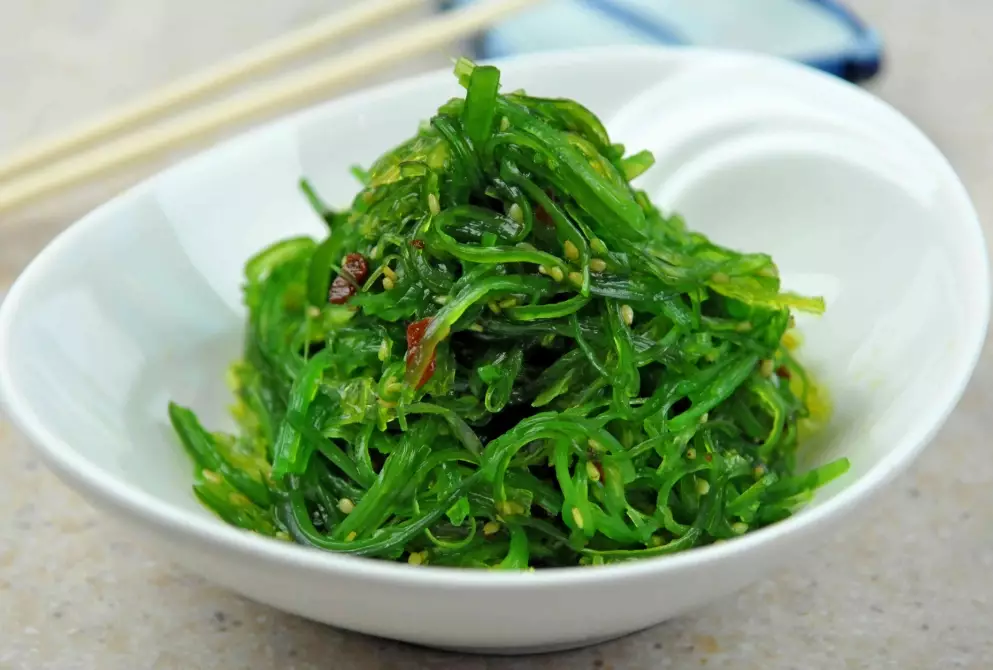
Is wakame salad actually healthy, or is the dressing too sugary?
Wakame itself is incredibly nutritious—low in calories, packed with iodine, magnesium, calcium, and folate (check the USDA FoodData Central for detailed nutrition facts). The dressing is the variable. The sugar content in a single serving (about 1 tbsp of dressing) is relatively small, roughly 3-4 grams. You can reduce it or use a sugar substitute. The bigger health benefit comes from the minerals and fiber in the seaweed itself, making it a far better choice than many other salad starters.
Where's the best place to buy good quality dried wakame?
Skip the spice aisle of a regular supermarket. Go to a Japanese or Korean grocery store, or order online from reputable Asian food retailers. Look for brands from Japan or Korea. The packaging should be airtight. You'll get better flavor, texture, and often a more reasonable price for a larger bag that lasts months. The Japan Fisheries Agency highlights regions famous for seaweed production, which can be a marker of quality.
Reader Comments