You sit down at a nice sushi bar or a traditional kaiseki restaurant. Before the main event, a small, lacquered bowl arrives. Inside, a perfectly clear broth holds a few delicate slices of mushroom, a twist of yuzu peel, maybe a single shrimp. You take a sip. It's light, sure, but it's also deeply savory, fragrant, and complex. That's the magic of clear Japanese soup, and most home cooks get it completely wrong. They think it's just boiled water with a bit of soy sauce. It's not. It's a precise technique built on a foundation called dashi, and mastering it will change how you think about soup forever.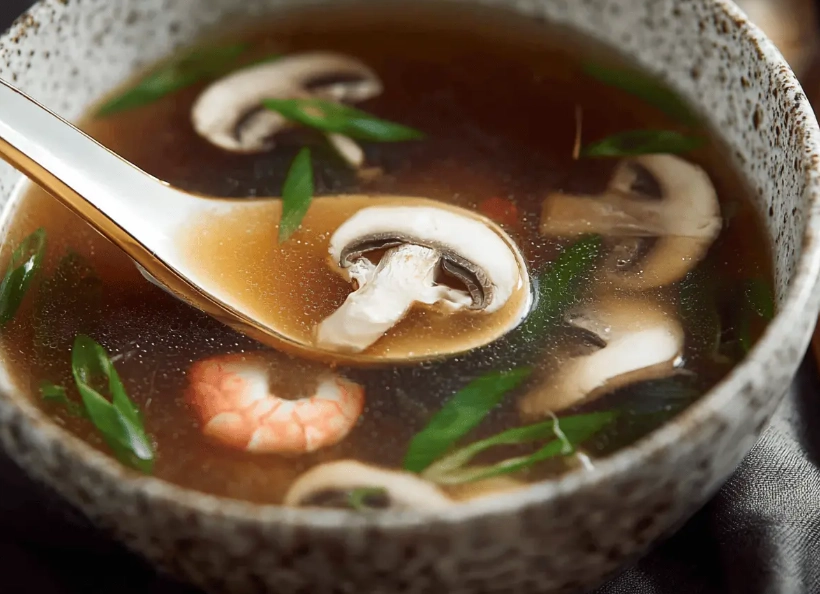
I remember my first attempt years ago. I threw some bonito flakes in water, boiled it hard, and ended up with a cloudy, bitter liquid that tasted like fishy dishwater. I was missing about five critical steps. This guide is what I wish I had back then. We'll break down the science of clarity, the soul of umami, and give you recipes you can actually execute.
What's Inside This Guide
- What Exactly Is "Clear Japanese Soup"?
- The Non-Negotiable Foundation: Dashi
- Step-by-Step: How to Make Perfect Clear Soup at Home
- Beyond the Basics: Types of Clear Japanese Soup
- Where to Taste the Best Clear Soups (In Japan & Abroad)
- The 3 Most Common Mistakes (And How to Fix Them)
- Your Clear Soup Questions, Answered
What Exactly Is "Clear Japanese Soup"?
Let's clear up the terminology first. In the West, "clear soup" often means consommé or a simple broth. In Japan, it primarily refers to two categories served in specific contexts: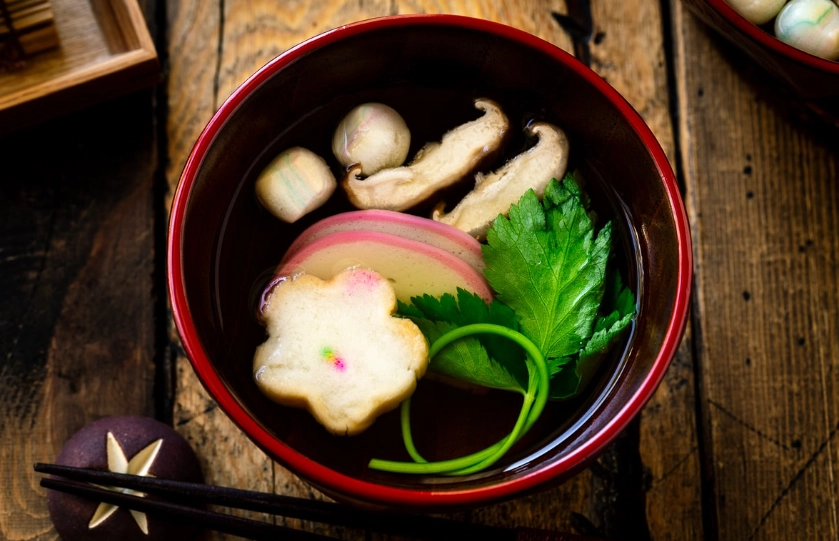
Suimono (吸い物): This is the elegant, clear soup served at the beginning of a formal meal. The name means "something to sip." It's characterized by its crystal-clear dashi base, subtle seasoning (usually just salt and premium soy sauce), and exquisite, minimalist garnishes. The goal is to awaken the palate, not overwhelm it. Think a single clam, a sliver of bamboo shoot, a sprig of mitsuba.
Misoshiru (味噌汁): Yes, miso soup. While not always perfectly clear due to the miso paste, a well-made miso soup has a clarity to its broth before the miso is dissolved. The dashi base should be clean and refined. A cloudy, gritty miso soup is a sign of poor technique—either boiling the dashi or dissolving the miso incorrectly.
The unifying principle is dashi. If Western stocks are about body and richness (from long-simmered bones), Japanese clear soup is about extracting pure, clean umami essence, often in under 30 minutes.
Key Takeaway: Don't confuse "clear" with "flavorless." The clarity is a textural and visual ideal that allows the pure, layered flavors of umami to shine without being muddied by fat or impurities.
The Non-Negotiable Foundation: Dashi
You cannot make authentic clear Japanese soup without dashi. It's the alphabet of Japanese cuisine. There are several types, but for clear soups, two are essential:
1. Awase Dashi (合わせだし)
This is the all-purpose, gold-standard broth. It combines two umami powerhouses:
- Kombu (昆布): Dried kelp from specific regions of Japan (Rausu, Rishiri, Makombu are top grades). It provides a savory, slightly sweet, oceanic base note. The magic is in gentle heat infusion, not boiling.
- Katsuobushi (鰹節): Shaved, fermented, and smoked skipjack tuna bonito flakes. These look like pink wood shavings and deliver a punch of smoky, meaty, complex umami. They are added off-heat to preserve their aroma.
Making awase dashi feels more like brewing tea than cooking stock. You soak kombu in cold water, bring it just to the point before a rolling boil, remove the kombu, then turn off the heat to add the katsuobushi. Let it steep, then strain gently—never squeeze the flakes.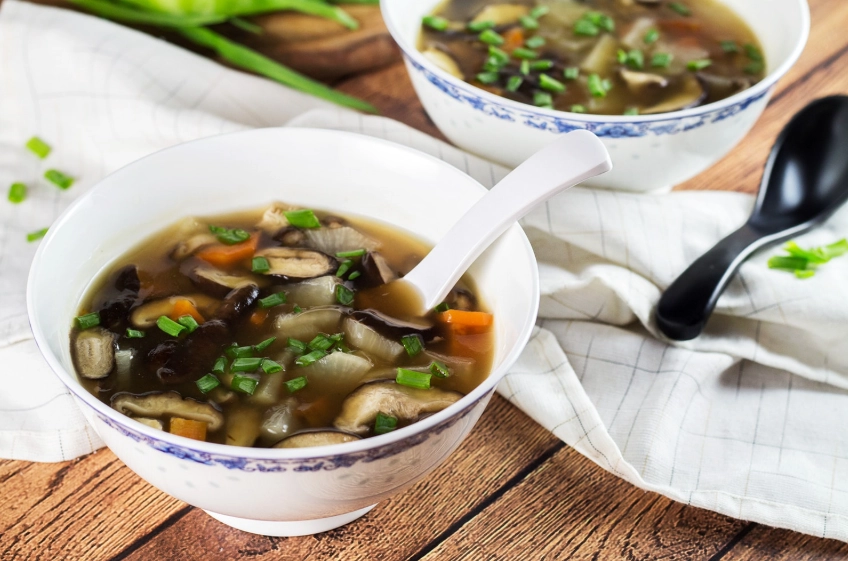
2. Ichiban Dashi (一番だし) vs. Niban Dashi (二番だし)
This is a pro distinction most recipes gloss over. Ichiban dashi is the first extraction. It's incredibly fragrant, clear, and delicate. This is exclusively for clear soups like suimono or as the base for delicate dishes. Niban dashi is made by re-simmering the used kombu and katsuobushi from the first batch. It's stronger, darker, and used for miso soup, stews, or simmering dishes. Using ichiban dashi for miso soup is a bit like using Champagne for cooking—wasteful overkill.
| Ingredient | Umami Compound | Flavor Profile | Best For |
|---|---|---|---|
| Kombu (Kelp) | Glutamate | Sweet, oceanic, smooth | Base of all dashi, provides depth |
| Katsuobushi (Bonito) | Inosinate | Smoky, meaty, sharp | Layering umami, adding aroma |
| Shiitake (Dried) | Guanylate | Earthy, forest-like | Vegetarian dashi, adds body |
| Niboshi (Baby Sardines) | Inosinate/Histidine | Strong, fishy, robust | Heartier regional miso soups |
Step-by-Step: How to Make Perfect Clear Soup at Home
Let's make a classic Wakame and Tofu Suimono. This is your foolproof entry point.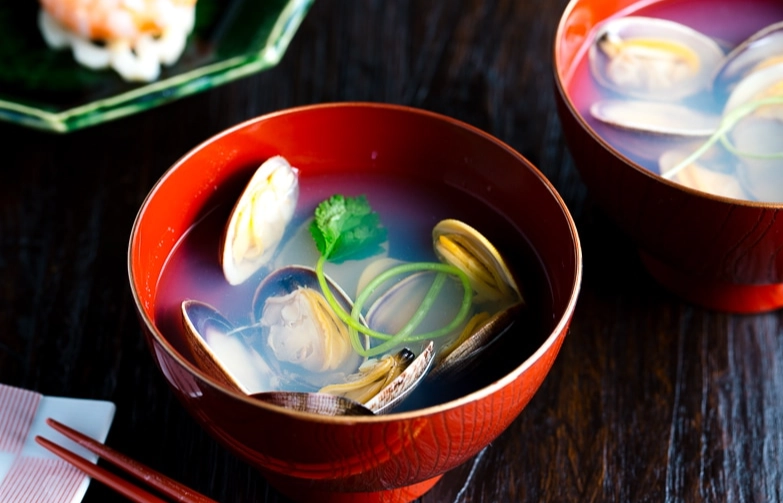
Ingredients (for 2 servings):
- 500ml (about 2 cups) Ichiban Dashi (see method above or use 1 tsp high-quality dashi powder like "Hondashi" in a pinch, but fresh is best)
- 1/2 tsp usukuchi shoyu (light-colored soy sauce) - This seasons without darkening the broth.
- 1/4 tsp salt (fine sea salt)
- 1/2 tsp mirin (optional, for a hint of sweetness)
- 2-3 small cubes soft/silken tofu
- 1 tbsp dried wakame seaweed
- 1 green onion, thinly sliced
- A few drops of yuzu juice or a tiny zest of lemon (the secret weapon)
The Critical Process:
- Rehydrate: Soak the wakame in cold water for 5 minutes. It will expand 4x in size. Drain.
- Heat Gently: In a pot, bring your dashi to a bare simmer over medium-low heat. You should see small bubbles at the edge, not a rolling boil. Boiling will shatter the umami compounds and cloud the broth.
- Season: Add the salt, usukuchi shoyu, and mirin. Stir once gently. Taste. The flavor should be subtle and balanced, not salty. It will intensify slightly as it cools.
- Assemble with Care: Place the tofu cubes and rehydrated wakame in your serving bowls. Ladle the hot broth over them. This cooks the garnishes just enough without making them soggy.
- The Finish: Top with green onion and that drop of yuzu juice. The citrus aroma is transformative—it lifts the entire soup.
The biggest mistake here is over-handling. You're not "cooking" the soup; you're warming and assembling.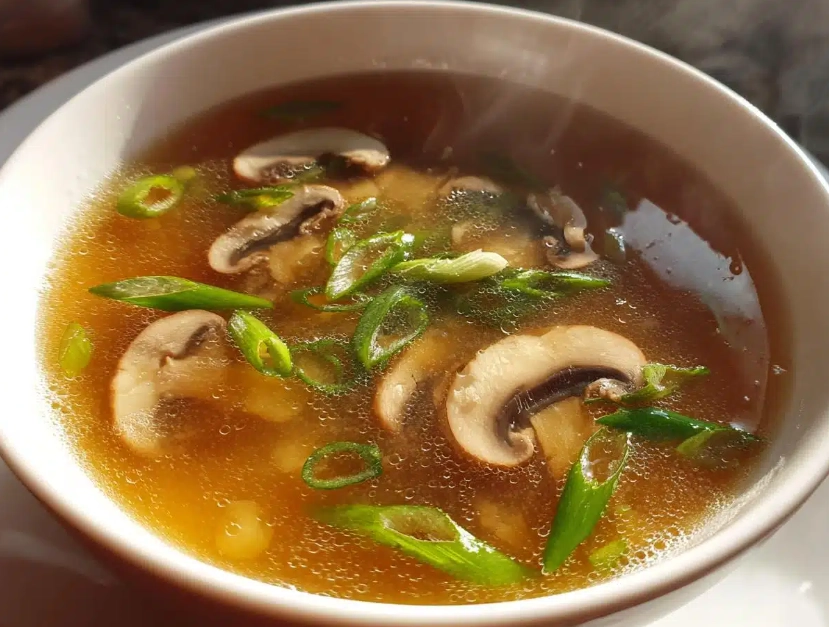
Beyond the Basics: Types of Clear Japanese Soup
Once you master the basic suimono, a world opens up.
- Sumashijiru (清まし汁): A slightly more robust clear soup, often with chicken or seafood. The dashi might be fortified with chicken bones or clams, but it's still meticulously clarified.
- Osuimono (お吸い物): Essentially a more formal, garnished suimono served for celebrations. It might include a hanpen (fish cake) or a decorative knot of kanpyo (dried gourd).
- Regional Miso Soups: In Hokkaido, miso soup is often made with a salmon-based broth. In Kyoto, you'll find white miso (sweet and mild) soups. The clarity of the base dashi remains paramount.
Where to Taste the Best Clear Soups (In Japan & Abroad)
Tasting is believing. Here are places where the soup is the star.
1. Ginza Kagari (銀座 篝) - Tokyo, Japan
Address: 6 Chome-4-12 Ginza, Chuo City, Tokyo. There's always a line.
The Soup: They are famous for their chicken-based tori paitan ramen, but their chicken dashi clear soup ramen is a masterclass. The broth is a golden, utterly clear chicken consommé achieved through a French-inspired clarification technique (rafting) applied to Japanese dashi principles. It's light but has the depth of a whole chicken.
Price: Around 1,200 JPY ($8 USD).
Hours: 11:00 AM - 10:30 PM.
2. A Traditional Kaiseki Experience - Kikunoi (菊乃井) - Kyoto, Japan
Address: Multiple locations; the main branch is in Higashiyama.
The Soup: The opening suimono in a kaiseki meal here is seasonal art. In spring, it might be a clear broth with a single cherry blossom shrimp and a fukinoto (butterbur bud). In autumn, a slice of matsutake mushroom. The dashi is made with pristine Rishiri kombu and meticulously selected katsuobushi. You're tasting hundreds of dollars worth of ingredients in one sip.
Price: Kaiseki meals start around 20,000 JPY ($130 USD).
Note: Reservations are essential and often require a hotel concierge.
3. TabeTomo - New York City, USA
Address: 131 Avenue A, New York, NY.
The Soup: While known for tsukemen, their assari (light) ramen broth is a fantastic example of a clear, seafood-and-chicken-based soup accessible outside Japan. It's clean, refreshing, and lets the noodle texture shine.
Price: $16-$18.
Hours: Check their website for current hours.
The 3 Most Common Mistakes (And How to Fix Them)
I've made all of these. Learn from my cloudy, bitter failures.
Mistake #1: Boiling the Dashi. Kombu releases mucilage and bitterness when boiled. Katsuobushi's delicate aromas evaporate. Fix: Heat kombu-infused water only until small bubbles form at the bottom of the pot (about 70°C/158°F), then remove the kombu. Bring to a bare simmer, turn OFF the heat, then add katsuobushi. Steep, don't cook.
Mistake #2: Squeezing the Strainer. After steeping, you strain the dashi through a fine-mesh sieve or cheesecloth. The urge to press every last drop out of the katsuobushi is strong. Don't. Squeezing forces out fine, bitter particles and oils that cloud the broth. Fix: Let it drain naturally. Be willing to "waste" that last tablespoon of liquid.
Mistake #3: Using the Wrong Soy Sauce. Your standard dark soy sauce (koikuchi shoyu) will turn your beautiful clear dashi into a murky brown. Fix: Invest in a bottle of usukuchi shoyu (light-colored soy sauce). It's actually saltier, so you use less, and it's brewed specifically to season without coloring. It's the single easiest upgrade for visual clarity.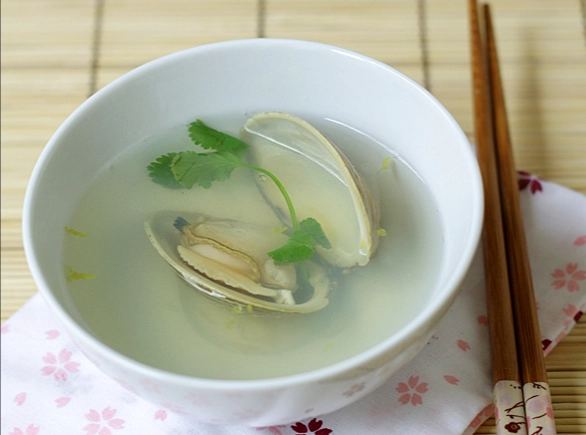
Your Clear Soup Questions, Answered
The journey to a perfect bowl of clear soup is one of patience and precision. It teaches you to listen to your ingredients—to heat water until it whispers, not shouts. Start with a simple wakame-tofu suimono. Taste the clarity. Then try it with a drop of yuzu. You'll realize this isn't just a soup course; it's the quiet, essential opening note to a much larger culinary philosophy.
Reader Comments