Forget everything you think you know about a quick bowl of cereal or a greasy fry-up. A traditional Japanese breakfast, or asagohan, isn't just a meal; it's a deliberate, balanced, and almost meditative start to the day. It's the culinary embodiment of washoku principles—harmony, seasonality, and nutrition. But here's the thing most online guides gloss over: it's not about rigid rules. It's a flexible template built on a few core pillars. After spending years in Japan and countless mornings trying to perfect this at home, I've realized the biggest mistake people make is getting intimidated by the supposed complexity. Let's break it down into something you can actually understand and, more importantly, make.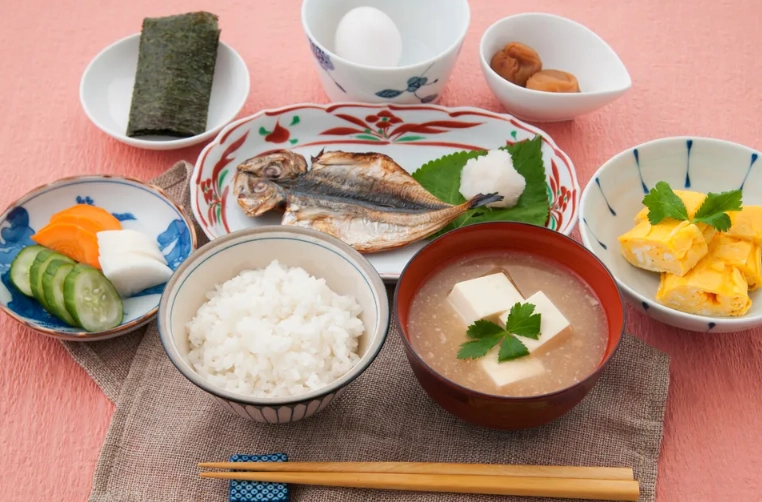
In This Article
What is a Traditional Japanese Breakfast? The Philosophy on a Plate
At its heart, the Japanese breakfast follows the ichiju-sansai principle: "one soup, three dishes" plus rice. This isn't arbitrary. It's designed for nutritional completeness and sensory satisfaction. You get your carbohydrates from rice, protein from fish or tofu, vitamins and minerals from pickles and vegetables, and hydration from soup. The Japanese Ministry of Agriculture, Forestry and Fisheries promotes washoku for its health benefits, and this meal is its flagship.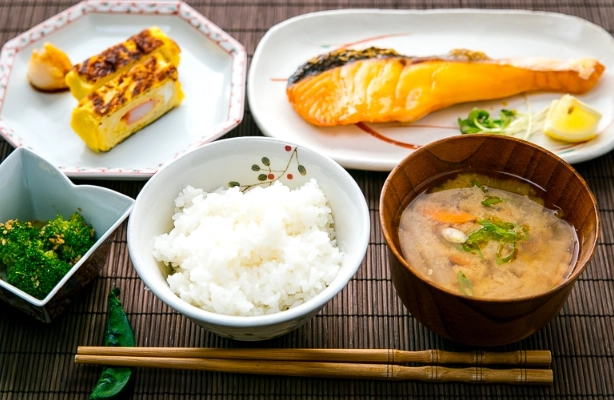
But is it practical for a busy weekday? Absolutely not, if you try to go full traditional every day. And that's okay. The modern interpretation, even in Japan, is about adapting the spirit, not slavishly following a checklist. The goal is balance, not burnout.
The Essential Components of a Japanese Breakfast, Demystified
Let's walk through each element. Think of this as your ingredient toolkit—you don't need to use every tool every time.
1. Rice: The Unshakable Foundation
Short-grain Japanese rice, steamed. It's sticky, slightly sweet, and the anchor of the meal. Leftover rice from dinner is often reused, sometimes made into ochazuke (rice with green tea poured over it) for a simpler version. A rice cooker is non-negotiable for consistency.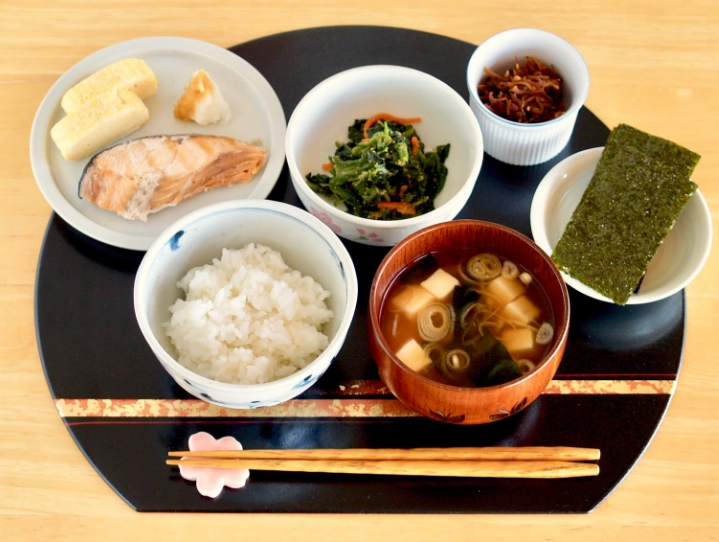
2. Miso Soup: The Soul-Warming Elixir
This is where seasonality shines. The dashi (broth) base might be kombu (kelp) and katsuobushi (bonito flakes). The miso paste varies by region—white (shiro) is milder, red (aka) is stronger. The toppings change daily: wakame seaweed, tofu cubes, clams in summer, root vegetables in winter. The key is to never let it boil after adding miso to preserve its probiotics and flavor.
3. The Protein: Usually Grilled Fish
Shake (salmon) is the classic, but saba (mackerel) or aji (horse mackerel) are common. It's lightly salted and grilled until the skin is crisp. This is the element that takes the most time, so many households do this the night before or use pre-grilled options from the supermarket. A great alternative is a rolled omelette (tamagoyaki) or simply a soft-boiled egg.
4. Side Dishes: Variety and Pickles
This is the "three dishes" part. One might be a small salad or simmered vegetables (nimono), like spinach with sesame (ohitashi) or simmered kabocha squash. Another is often natto (fermented soybeans)—an acquired taste but a probiotic powerhouse. The third is always some form of pickles (tsukemono), like umeboshi (pickled plum) or takuan (daikon radish), to cleanse the palate.
5. The Extras: Seaweed, Nori, and Green Tea
A sheet of nori seaweed to wrap rice, a small piece of seasoned seaweed salad, and a pot of unsweetened green tea (ryokucha or hojicha) complete the picture.
Pro Tip from a Kyoto Inn Keeper: "The order matters. Start with a sip of soup to awaken the stomach. Then, alternate bites of rice with the different side dishes. Let the pickles reset your taste buds between different flavors. It's a dance, not a race."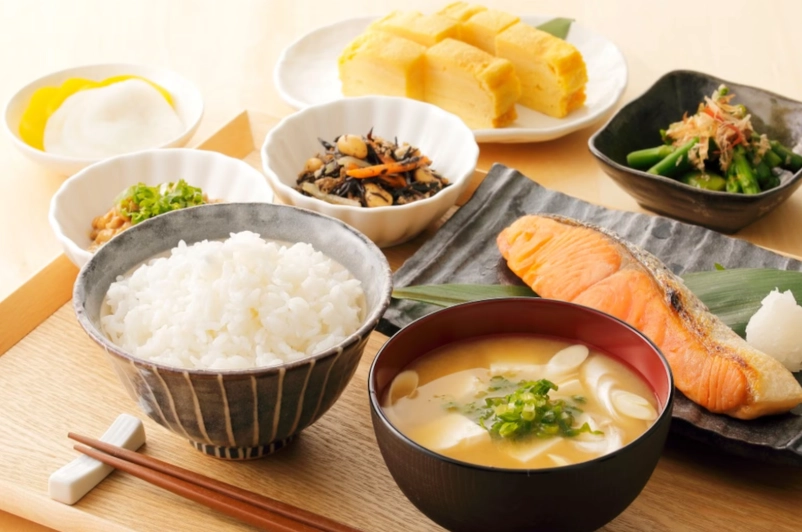
How to Build Your Own Japanese Breakfast at Home (A Realistic Plan)
Convinced but overwhelmed? Here’s a practical, tiered approach. Use this table to mix and match based on your time and ambition.
| Ambition Level | Core Components | Time-Saving Swaps & Prep Tips |
|---|---|---|
| The Weekend Ritual (Full Traditional) | Steamed rice, homemade miso soup with tofu/wakame, grilled salmon, tamagoyaki, spinach ohitashi, pickles. | Make extra rice and freeze in portions. Prep miso soup base (dashi) in advance and store in the fridge for 3 days. Marinate and grill the fish the night before; it tastes great cold. |
| The Wednesday Warrior (Simplified Balance) | Steamed rice, instant miso soup (quality packets), pre-grilled mackerel from store, store-bought pickles, a soft-boiled egg. | Invest in high-quality instant miso soup from a Japanese grocer. Keep frozen edamame or pre-washed salad greens on hand. A 7-minute egg is your best friend. |
| The 5-Minute Hustle (Spirit of the Meal) | Leftover rice warmed up (or cooked rice), ochazuke packet (tea-rice seasoning), a handful of pre-made seaweed salad, umeboshi. | Ochazuke packets are a lifesaver. Just pour hot water over rice and the seasoning. Pair with any ready-made protein like leftover chicken or a hard-boiled egg. |
The biggest hurdle isn't the cooking—it's the mindset shift from a sweet, quick bite to a savory, composed plate. Start with the "Wednesday Warrior" version once a week. You'll notice you feel fuller, longer, without the mid-morning crash.
Where to Experience the Best Japanese Breakfast
To truly get it, you need to taste it in context. Here’s where to go, both in Japan and abroad.
In Japan: The Ryokan (Traditional Inn) Experience
This is the gold standard. A ryokan breakfast is served in your room, artfully arranged in multiple lacquer boxes. It's a feast for the eyes and stomach. Expect local, seasonal specialties you'd never find at home.
- Try: Gion Hatanaka in Kyoto. Their kaiseki-style breakfast features local Kyoto vegetables and exquisite presentation. It's pricey (around ¥8,000 per person with accommodation) but unforgettable. Book months in advance.
- A More Accessible Option: Many business hotel chains like Mitsui Garden Hotels offer excellent Western/Japanese buffet breakfasts. You can try a bit of everything—grilled fish, miso soup, salads—for about ¥2,000. It's a fantastic sampler.
Outside Japan: Finding Authenticity
Look for restaurants run by Japanese chefs that specifically offer breakfast or weekend brunch. Avoid places where it's just a side menu item.
- In New York: OKONOMI / YUJI Ramen in Brooklyn. They serve a set ichiju-sansai breakfast (rice, miso, fish, egg, pickles) Wednesday through Sunday from 9 AM to 12 PM. It's precise, authentic, and around $25. No substitutions—they're purists.
- In London: Cafe Japan in Golders Green. A no-frills, family-run spot that does a hearty Japanese breakfast set until 11:30 AM. It feels like a home kitchen.
My personal litmus test? Check if the miso soup is made from real dashi (it should taste deeply savory, not just salty), and if the rice is proper short-grain. If they serve long-grain or brown rice as the default, their heart might not be in it.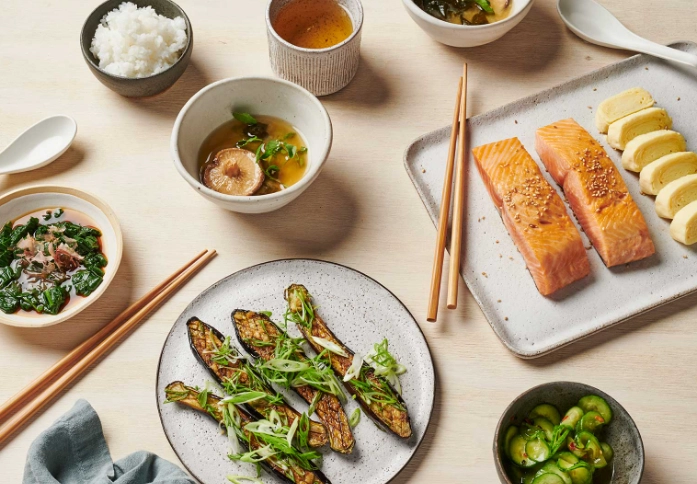
Common Mistakes (And How to Avoid Them)
After teaching many friends, I've seen the same errors repeated.
Mistake 1: Using the wrong soy sauce for the table. The soy sauce you use for cooking is often darker and saltier. For dipping or seasoning at the table, use a dedicated, lighter usukuchi soy sauce or a premium koikuchi. It makes a difference.
Mistake 2: Overcomplicating the sides. You don't need three elaborate cooked dishes. One cooked side (like simmered veggies), one ready-made item (pickles), and one simple item (a tomato wedge) is perfectly valid. The principle is variety, not volume.
Mistake 3: Serving everything piping hot. Only the rice and soup need to be hot. The grilled fish is often served at room temperature, and the pickles are cold. This temperature variation is part of the experience and makes serving logistically easier.
Mistake 4: Skipping the pickles because you don't like them. Their primary role is as a palate cleanser. A tiny bite of takuan between a bite of fish and a sip of soup resets your mouth. Try a small piece. If you truly hate all pickles, a slice of fresh cucumber or radish can serve a similar purpose.
Your Japanese Breakfast Questions Answered
The journey into a Japanese breakfast is less about mastering a recipe and more about adopting a philosophy. It’s about starting the day with intention, nourishing your body with a spectrum of flavors and textures, and finding a calm moment before the day begins. Don't aim for perfection on day one. Start with a bowl of rice, a cup of miso soup, and a single side. You might just find your new favorite morning ritual.
Reader Comments