Let's get this out of the way: making a legit traditional ramen recipe from scratch is a project. It's not a 30-minute weeknight dinner. But if you've ever had that perfect bowl of tonkotsu—creamy, complex, soul-warming—and wondered if you could ever get close at home, the answer is a hard yes. You can. I've spent years tinkering, failing (my first broth was a sad, gray puddle), and finally nailing a process that works in a home kitchen. This guide is that process. We're focusing on tonkotsu, the rich, pork-bone-based ramen from Kyushu, Japan, because mastering it teaches you the fundamentals of all great ramen.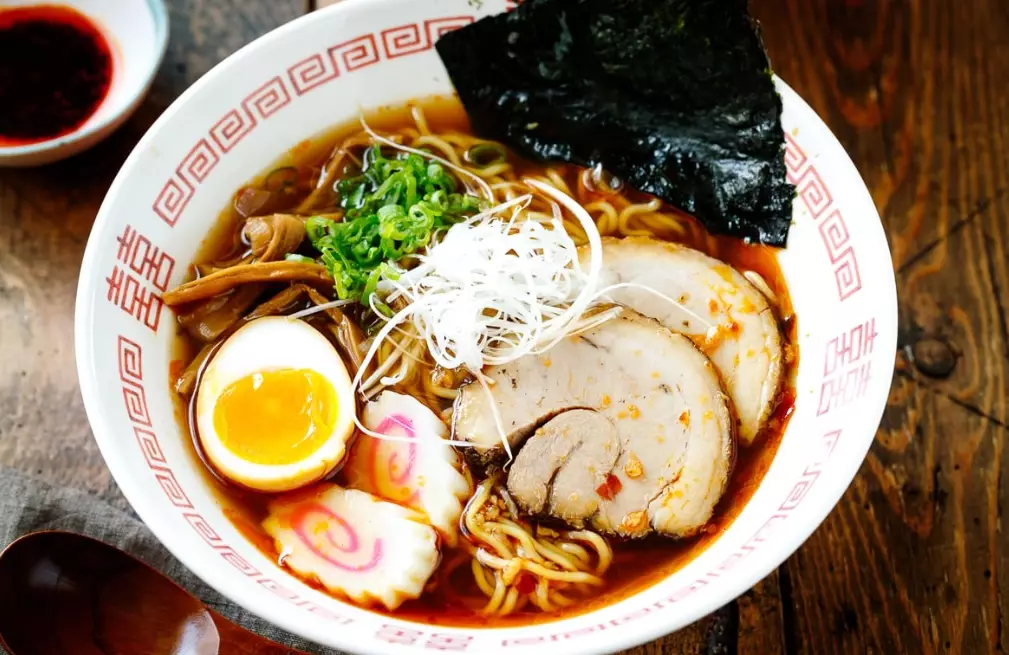
What's Inside This Guide
What is Traditional Ramen, Really?
Forget the instant packets. Traditional ramen is a composed dish of four distinct elements, each prepared separately and combined at the last second. The magic is in the balance. It's not just "noodle soup." It's a specific broth type paired with a specific noodle style, seasoned with a concentrated sauce, and finished with curated toppings. The most common misconception? That the broth's flavor comes from a long, gentle simmer like French stock. For tonkotsu, it's the opposite—a violent, rolling boil is non-negotiable. That's the first big home cook pitfall.
The Four Pillars of a Great Ramen Bowl
Think of your bowl as a team where every player has a crucial role.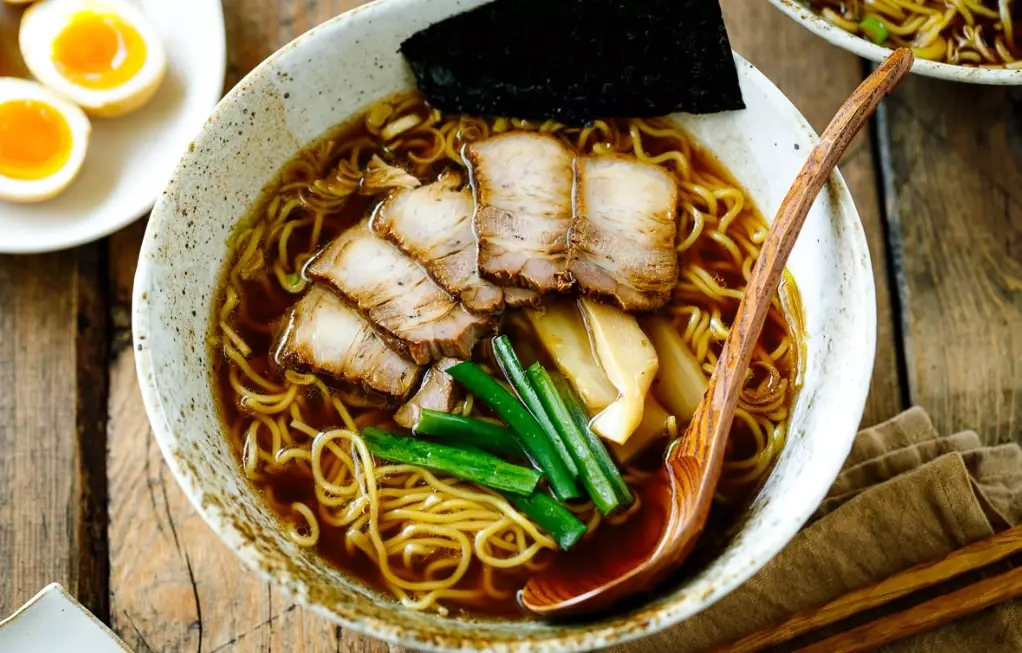
The Core Components
Broth (Dashi/Soup): The soul. For tonkotsu, it's made by boiling pork bones (and often chicken frames) for hours until the collagen and marrow emulsify into a creamy, white liquid.
Noodles (Men): The heart. Ramen noodles are wheat noodles made with kansui (alkaline mineral water), which gives them their signature yellow color, firm bite, and unique flavor that stands up to the rich broth.
Seasoning Sauce (Tare): The brain. This is a concentrated, salty, umami-packed sauce (often soy-based, salt-based, or miso-based) that seasons the broth. You add it to the bowl first, then pour the broth over it. It determines the base flavor profile.
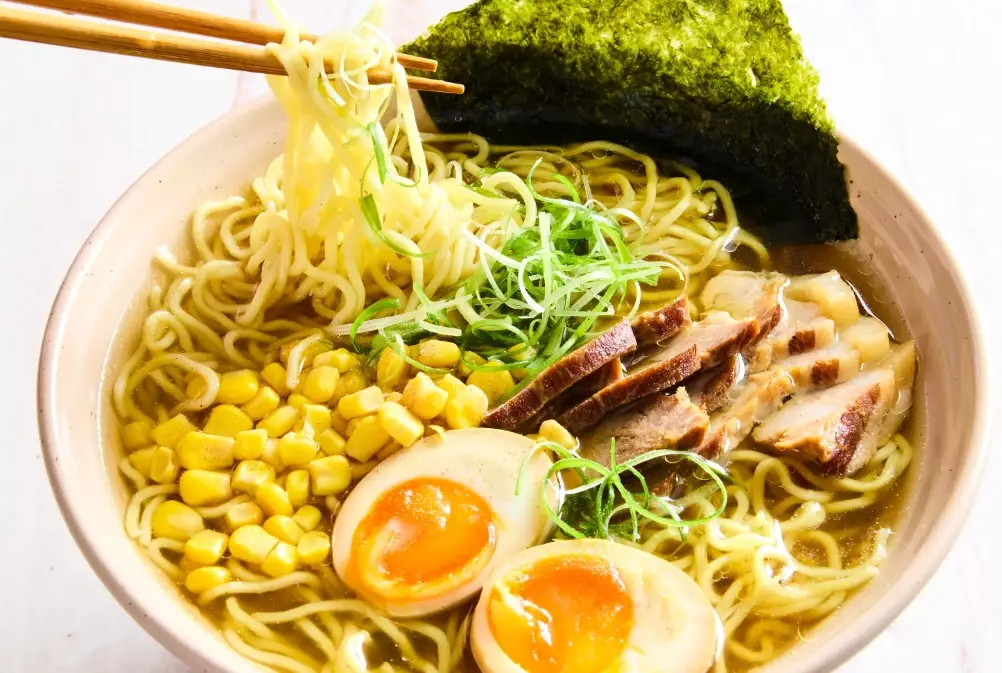
Toppings (So): The personality. Chashu (braised pork belly), seasoned eggs (ajitsuke tamago), menma (fermented bamboo shoots), nori, scallions. Each adds texture and bursts of flavor.
How to Make Tonkotsu Broth: The 12-Hour Project
Here's where the commitment starts. A great tonkotsu is milky, rich, and sticky with collagen. The key is emulsification, achieved by a hard boil that shreds fat and tissue into the liquid.
Ingredients & Equipment You Absolutely Need
Bones: 4-5 lbs of pork femurs and/or neck bones. Get them split or chopped from your butcher. Some trotters (feet) add incredible body. I often add one chicken carcass for extra depth. Pro tip: Blanching the bones is not optional. It removes impurities (scum) that would otherwise cloud your broth and give it a faint off-flavor. Don't skip it.
Pot: A very large, heavy-bottomed stockpot (at least 12 quarts). The volume will reduce significantly.
Aromatics (added in the last hour): A whole onion (halved, skin on for color), a whole head of garlic (halved), a large knob of ginger (smashed).
The Step-by-Step Process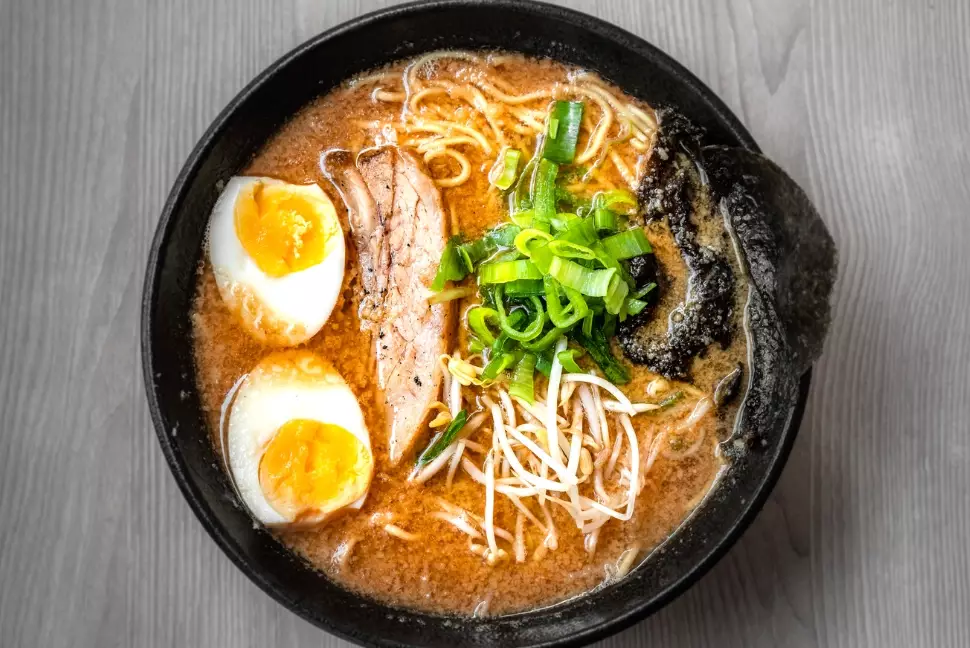
1. The Initial Blanch (1 hour): Cover bones with cold water in your pot. Bring to a boil and let it roll for 5-10 minutes. You'll see lots of gray-brown foam. Dump everything into the sink, rinse the bones under cold water, and scrub the pot clean. This step gives you a clean canvas.
2. The Long Boil (10-12 hours): Return cleaned bones to the clean pot. Cover with fresh cold water by about 2 inches. Bring to a rolling boil over high heat, then reduce just enough to maintain that vigorous, bubbling boil. Not a simmer. A boil. You should see constant movement. Top up with hot water as needed to keep bones submerged. Skim off any obvious fat or foam, but don't stress over it.
3. The Final Flavoring (Last 1 hour): Add your onion, garlic, and ginger. Let the boil continue. The broth should now be turning opaque white or light tan.
4. Strain and Store: Carefully strain the broth through a fine-mesh sieve. Do not press on the solids; let it drain naturally for clarity. You should have 2-3 quarts of intensely flavored broth. It will be liquid gold. Let it cool, then refrigerate. It will set like a meaty jelly—that's perfect.
Crafting Authentic Ramen Noodles
You can buy fresh or dried ramen noodles, but making them is rewarding. The kansui is what makes them "ramen." You can find food-grade kansui powder online, or use a baked baking soda substitute in a pinch.
| Ingredient | Weight (for 4 servings) | Purpose |
|---|---|---|
| Bread Flour | 400g | High protein for chew |
| Water | 152g | Hydration |
| Kansui Solution (or 1 tsp baked baking soda in the water) | 8g (1.6 tsp kansui powder + 8g water) | Alkalinity for color, flavor, and texture |
| Salt | 4g | Strengthens gluten |
Mix until a shaggy dough forms, then knead for 10 minutes (a stand mixer with a dough hook is a lifesaver). Rest the dough, wrapped, for 30 minutes. Then roll it out thinly—this is tough without a pasta roller. If you have one, sheet it to setting #2 or #3, then cut with the spaghetti cutter. Dust liberally with cornstarch to prevent sticking. These noodles are best used the same day.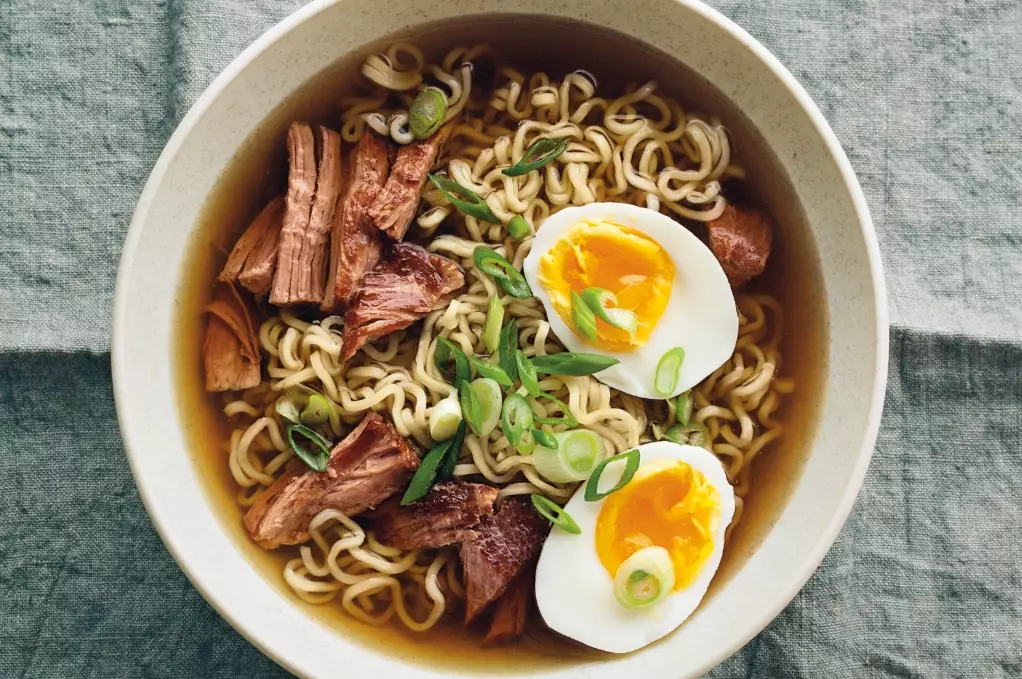
The Supporting Cast: Tare & Toppings
Your broth is unseasoned. The tare does the heavy lifting. A simple shoyu (soy) tare works beautifully with tonkotsu.
Quick Shoyu Tare: Combine 1 cup soy sauce, 1/2 cup mirin, 1/2 cup sake, a 2-inch piece of kombu, and a handful of dried shiitake mushrooms. Simmer gently for 15 minutes, strain. It keeps for weeks in the fridge.
Chashu (Braised Pork Belly): Roll a slab of pork belly and tie it. Sear all sides. In a pot, combine 1 cup each of soy, sake, mirin, and water with some sugar, sliced ginger, and garlic. Braise the belly, covered, on low heat for 2 hours. Let it cool in the liquid, then slice thinly before serving.
Ajitsuke Tamago (Marinated Eggs): Soft-boil eggs (6.5 minutes in rolling water, then ice bath). Peel. Marinate in a 1:1:1 mix of soy, mirin, and water (diluted with some of your chashu braising liquid if you have it) for 4-12 hours. The yolk should be custardy, not runny.
The Final Assembly: Building Your Bowl
This is the sprint at the end of the marathon. Everything needs to be hot and ready at once.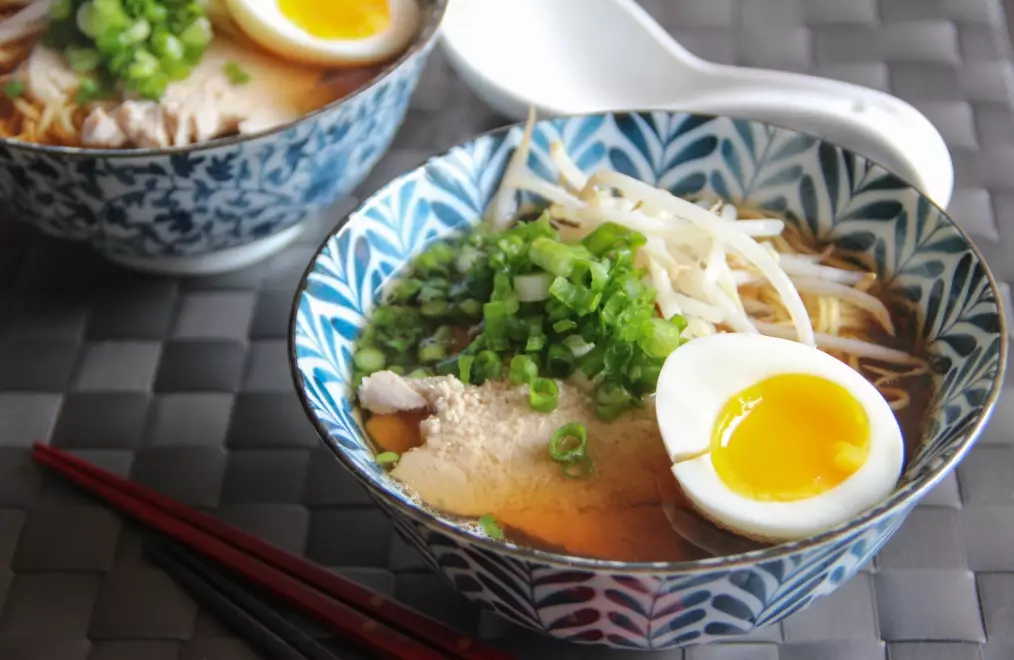
- Warm your bowl. Pour hot water into your serving bowl to heat it up.
- Prepare the tare base. Empty the bowl. Add 1.5-2 tablespoons of your shoyu tare to the bottom.
- Cook the noodles. Boil fresh noodles for about 90 seconds (dried according to package). They should be firm (katame). Drain well.
- Heat the broth. While noodles cook, bring your tonkotsu broth to a furious boil.
- Assemble. Place the drained noodles into the bowl over the tare. Ladle the piping hot broth over the noodles. It will mix with the tare. Quickly arrange your toppings: 2-3 slices of chashu, a halved marinated egg, a sheet of nori, some sliced scallions, a few pieces of menma.
Serve immediately. Slurp loudly—it's polite, and it aerates the noodles and broth, enhancing the flavor.
Your Ramen Roadblocks, Solved
Two likely reasons. First, the boil wasn't vigorous enough. You need a rolling, churning boil to properly emulsify the fat and collagen into the water. A gentle simmer gives you a clear, brown stock. Second, you might have used the wrong bones. You need bones with a lot of marrow and connective tissue, like femurs and neck bones. Lean bones won't do the trick.
A pressure cooker can make a decent broth in about 2-3 hours, but the texture and color will be different. It will be rich and flavorful, but often clearer and less emulsified than the classic milky tonkotsu. You can try blitzing it with an immersion blender at the end to force some emulsification. A slow cooker is a complete no-go for tonkotsu—it only simmers, which is the opposite of what you need.
 My homemade noodles are too soft or break easily. What went wrong?
This usually points to insufficient gluten development or incorrect hydration. Knead the dough longer—until it's very smooth and elastic. The resting period is also crucial for the gluten to relax and the dough to hydrate evenly. If they're breaking after cooking, you may have overcooked them. Fresh ramen noodles cook in just 60-90 seconds.
The best substitute is baked baking soda. Spread regular baking soda on a baking sheet and bake at 250°F (120°C) for 1 hour. This changes its chemical composition, making it more alkaline, similar to kansui. Use 1 teaspoon of this baked baking soda dissolved in the water for the noodle recipe. The flavor won't be 100% identical, but it gets you very close. Don't use unbaked baking soda.
If you have to choose, buy good quality fresh or frozen ramen noodles and focus all your energy on the broth and tare. A mediocre noodle in an incredible, homemade broth is still a fantastic meal. A perfect homemade noodle in a weak, store-bought broth is a disappointment. The broth is the soul of the dish. Prioritize it.
Reader Comments