Your Quick Navigation
Let's talk about harumaki. You know, those crispy, golden rolls you get at Japanese restaurants that somehow never turn out the same when you try at home. I've been there. A pile of torn wrappers, filling leaking everywhere, oil spitting like it's angry at you. Not a good look. The secret, almost always, starts with the harumaki ingredients. Get those right, and half the battle is won.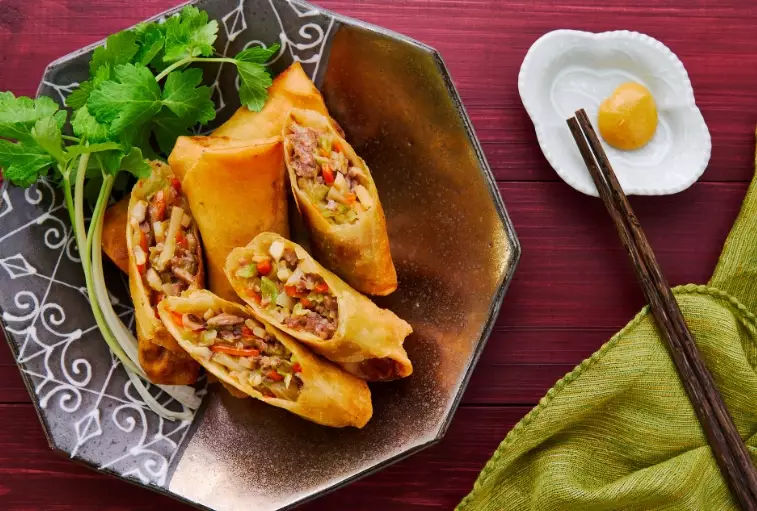
I remember my first attempt. I thought, how hard can it be? It's just stuff wrapped in a sheet and fried. I used whatever veggies were wilting in the fridge and a packet of wrappers I found at the back of the freezer. The result was... soggy. A sad, greasy log that tasted of regret. That failure sent me down a rabbit hole. I talked to cooks, read old cookbooks (like the fantastic resource on traditional Japanese cooking from the Japan National Tourism Organization), and made more batches than I'd care to admit. This guide is what I wish I had back then.
The Core Cast: Non-Negotiable Harumaki Ingredients
Think of your filling like a band. You need a solid rhythm section, a great lead, and some harmony. For harumaki, that means vegetables for texture and bulk, protein for heartiness, and aromatics for the soul.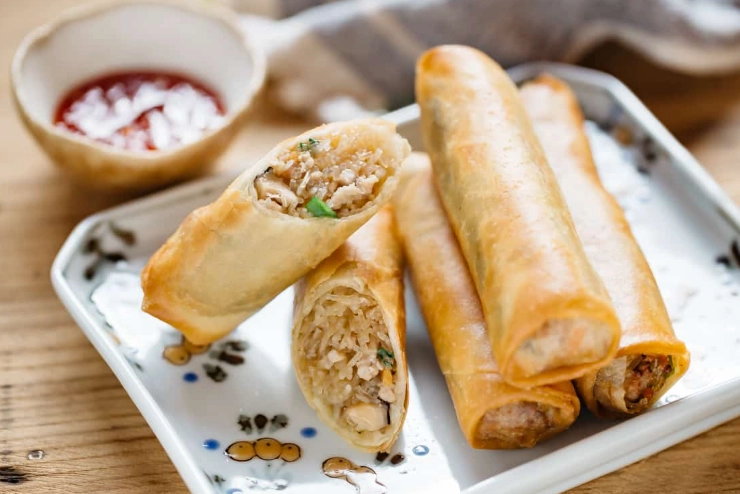
The Vegetable Foundation
This is the bulk of your filling. The goal is a mix that cooks down well, retains a slight bite, and doesn't release too much water (soggy roll alert!).
- Cabbage: The undisputed king. Finely shredded. It sweetens as it cooks and gives that classic, slightly layered texture. I use green cabbage for crunch, but savoy works if you like it tender.
- Carrots: Julienned or grated. They add color, sweetness, and their texture holds up beautifully against the fry.
- Bean Sprouts: (Moyashi). A classic for a reason. They add a fantastic, clean crunch and cook in seconds. Don't skip them.
- Bamboo Shoots: (Takenoko). If you can get fresh, it's a game-changer. Canned is fine—just rinse well. They have a unique, woody crunch that's irreplaceable.
- Shiitake Mushrooms: Dried or fresh. Dried, rehydrated shiitakes have a more intense, smoky flavor. Chop them small. They're little flavor bombs.
You see a pattern here? Crunch, sweetness, umami. It's a balancing act. I once tried a version with just spinach and tofu. It was a mushy, bland disaster. Lesson learned: texture is everything in your harumaki ingredients list.
The Protein Players
This is where you can really make it your own. The protein needs to be finely chopped or minced so it integrates seamlessly.
| Protein | Best Preparation | Flavor Profile | My Take |
|---|---|---|---|
| Ground Pork | Brown it well, break it into tiny crumbles. | Rich, savory, classic. | The standard for a reason. Fat=flavor. |
| Minced Chicken | Thigh meat is better than breast. Cook with ginger. | Lighter, adaptable. | Great for a lighter roll. Can be dry if overcooked. |
| Shrimp | Finely chopped, not puréed. Pat very dry. | Sweet, oceanic. | Elevates everything. Expensive, but a treat. |
| Firm Tofu | Freeze, thaw, squeeze dry, then crumble. | Neutral, spongy texture. | Soaks up sauce beautifully. My go-to for vegan versions. |
| Thinly Sliced Beef | Marinate in soy/ginger, then chop small after cooking. | Robust, meaty. | Feels luxurious. Don't skimp on the marinade time. |
Mixing proteins can be great too. A little pork with shrimp is a classic combo. The key is to pre-cook your protein fully. Raw meat inside won't cook through in the short frying time.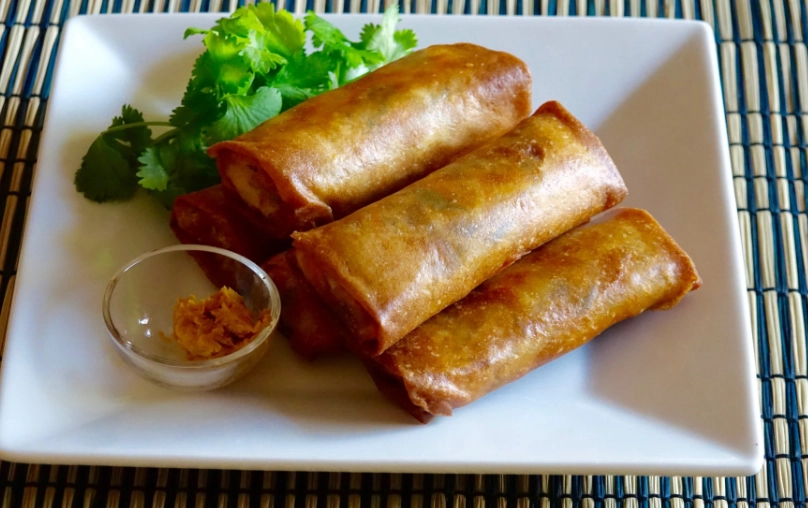
The Flavor Architects: Aromatics & Seasonings
This is where the magic happens. Without these, your filling is just steamed veggies and meat.
Can't-Live-Without Aromatics:
- Ginger: Freshly grated. It adds a bright, spicy kick that cuts through the richness.
- Garlic: Minced finely. Use it generously.
- Green Onion (Scallion): The white parts cooked with the filling, the green parts saved for a fresh garnish.
- Sesame Oil: A few drops at the end of cooking. The aroma is unreal. Don't cook with it—it burns.
The seasoning sauce is simple but precise. For a standard batch of filling (enough for 12-15 rolls), I whisk together:
- 2 tbsp soy sauce (use a good one, like Kikkoman or a naturally brewed type)
- 1 tbsp oyster sauce (or vegetarian oyster sauce for plant-based)
- 1 tbsp sake or dry sherry
- 1 tsp sugar
- A good crack of black pepper
- 1/2 tsp chicken powder (optional, but adds depth)
You mix this, add it to your cooked veggies and protein in the wok or pan, and let it all cook together until the liquid is absorbed. That's it. The filling should be savory, a little sweet, and deeply flavorful, but not wet. If there's pooling liquid, keep cooking.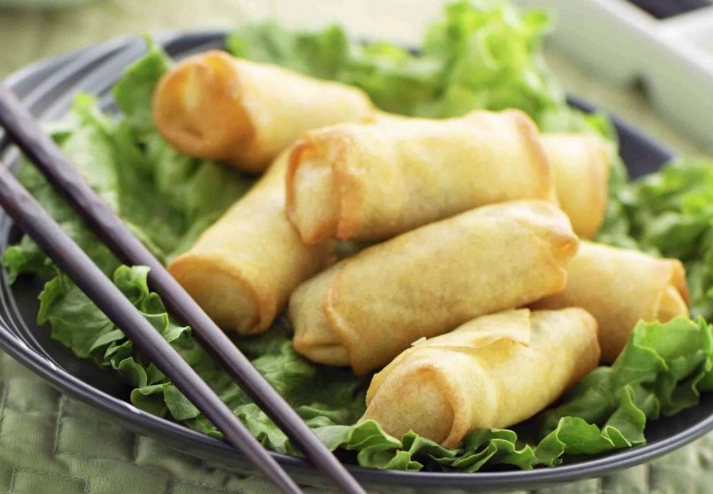
Beyond the Classic: Creative & Modern Harumaki Ingredients
Once you've mastered the classic, the world is your oyster (and you could probably put oysters in there, but I haven't been that brave). The basic principle remains: balanced texture, controlled moisture, big flavor.
Here are some twists that actually work:
- Cheese & Corn: Sounds wild for a Japanese dish, but it's a thing in some izakayas. Sweet corn, a melty cheese like mozzarella, some minced chicken, and green onion. The cheese must be low-moisture, or you'll have a leaky mess.
- Thai-Inspired: Minced chicken or tofu with lemongrass, lime leaf, fish sauce, and a bit of red curry paste. Serve with a sweet chili dip instead of soy sauce. Incredible.
- Breakfast Harumaki: Scrambled eggs, crispy bacon bits, potato, and cheddar. Fry until golden and serve with ketchup. Don't knock it till you've tried it.
- Dessert Harumaki: Thinly sliced apples or pears cooked with cinnamon and brown sugar, maybe a dab of cream cheese. Use spring roll wrappers and dust with powdered sugar. A fantastic way to end a meal.
The point is, the harumaki format is a vehicle. As long as you respect the moisture rule, you can get creative. I found some great inspiration for fusion approaches from resources like BBC Good Food's spring roll collection, adapting their ideas back to a Japanese core.
The Unsung Hero: The Wrapper
You can have the best filling in the world, but if your wrapper is wrong, it's all for nothing. This is a major point of confusion.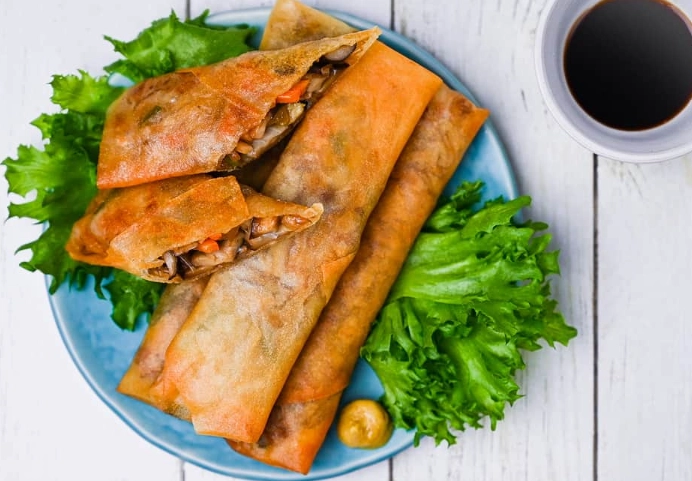
You'll generally find two types in stores:
- Spring Roll Wrappers (Shanghai-style): These are the thin, almost papery wheat flour sheets. They fry up incredibly crisp and shatteringly light. This is what most Japanese restaurants use for harumaki. They're usually square.
- Egg Roll Wrappers: Thicker, often contain egg, and are more doughy. They get bubbly and chewy-crisp. These are more common in American-Chinese takeout. Not wrong, just different.
- Rice Paper Wrappers: For Vietnamese Goi Cuon (fresh rolls) or fried rolls. They fry up with a unique, bubbly, glass-like crispness. They're gluten-free but can be trickier to handle when dry.
For authentic harumaki, seek out the thin spring roll wrappers. Brands like "Menlo" or "Typhoon" are common. They're in the freezer section. Thaw them slowly in the fridge overnight. Keep them covered with a damp cloth while you work—they dry out and crack in minutes.
My method: place a wrapper like a diamond. Put 2-3 tablespoons of cooled filling near the bottom corner. Fold that corner over the filling, tuck it in tightly, then fold in the left and right sides. Roll it up snugly, and seal the final tip with a paste of flour and water. Not too much paste, or it won't fry nicely. The roll should be firm, not loose, but don't overfill it. That's a surefire path to bursting.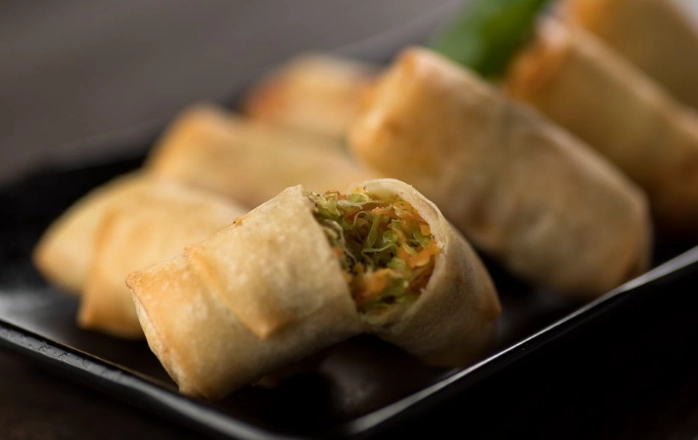
The Finale: Dipping Sauces & Serving
Harumaki isn't complete without its dip. It's not just an afterthought; it's a crucial harumaki ingredient in the eating experience.
- Soy-Based Dip: The classic. Equal parts soy sauce and rice vinegar, a touch of mirin, and a few drops of chili oil or rayu. Grate a little daikon radish into it for a fresh, pungent kick. Perfection.
- Ponzu Sauce: Citrusy and bright. Great with shrimp or vegetable-heavy rolls.
- Sweet Chili Sauce: The universal crowd-pleaser. Especially good with any fusion-style fillings.
- Simple & Elegant: Just a small pile of good, flaky sea salt. Sounds too simple, but with a perfectly fried, well-seasoned roll, it's stunning. Lets the harumaki ingredients shine.
Frying is the traditional method. Use a neutral oil with a high smoke point—canola, peanut, vegetable. Get it to 350°F (175°C). A thermometer is non-negotiable. Too cool = greasy. Too hot = burnt outside, raw inside. Fry in batches, don't crowd the pan, and drain them well on a rack, not paper towels (which steams the bottom and makes it soggy).
Baking is an option. Brush the rolls generously with oil and bake at 425°F (220°C) on a rack over a sheet pan until golden. They won't be as uniformly crisp as deep-fried, but they're still delicious and much lighter. Air-frying works on a similar principle—spray with oil and cook at a high heat.
Your Harumaki Ingredients Questions, Answered
I get a lot of the same questions from friends. Here are the big ones.
So there you have it. From the humble cabbage to the choice of wrapper, every element matters. It seems like a lot, but once you've done it a couple of times, it becomes second nature. You'll stop measuring and start feeling it. And when you pull that first batch of perfectly golden, shatteringly crisp harumaki out of the oil, you'll know it was worth the effort. Happy wrapping.
Reader Comments