So you're staring at a sushi menu, and you see "Kamikaze Roll." It sounds intense. Is it incredibly spicy? Does it have some wild, unexpected ingredient? What exactly is a kamikaze roll? Let's cut through the confusion right now. A Kamikaze Roll is a popular American-style sushi roll, typically featuring spicy tuna and avocado on the inside, wrapped in seaweed and rice, and then topped with slices of raw fish (often salmon or tuna), a drizzle of unagi sauce (that sweet, sticky eel sauce), and sometimes tempura flakes or spicy mayo. It's a creation built for flavor and texture contrast—creamy, spicy, sweet, and savory all in one bite. It's not a traditional Japanese roll, but it's a staple in many sushi restaurants across the US and beyond.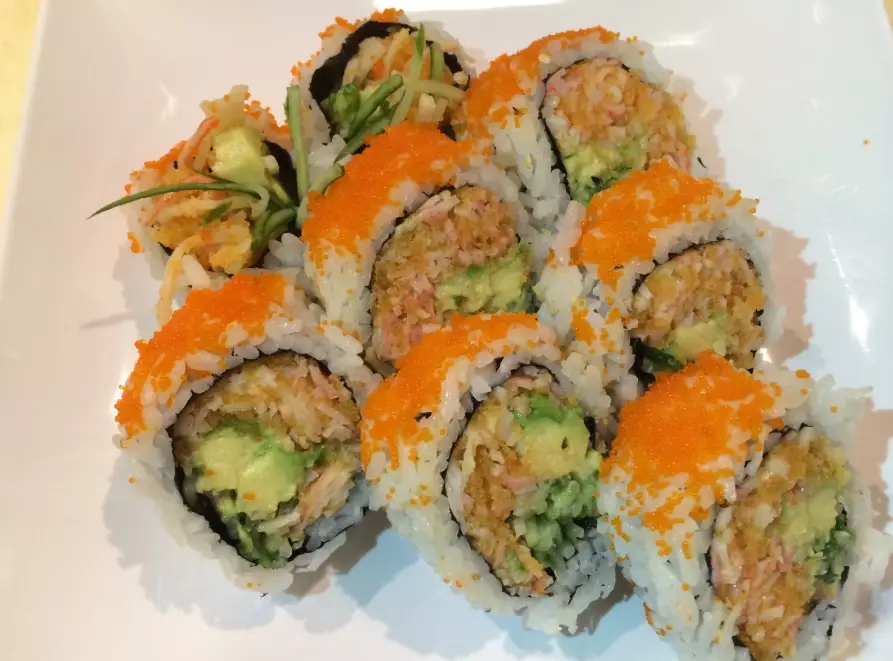
What You'll Discover
- What is a Kamikaze Roll? Breaking Down the Ingredients
- The Kamikaze Roll vs. The Spicy Tuna Roll: What's the Difference?
- Where Did the Kamikaze Roll Come From? (It's Not From Japan)
- Where to Find a Great Kamikaze Roll: A Short List of Notable Spots
- How to Order a Kamikaze Roll Like a Pro
- Common Myths and Misconceptions About the Kamikaze Roll
- Frequently Asked Questions (FAQ)
What is a Kamikaze Roll? Breaking Down the Ingredients
Think of the Kamikaze Roll as a flavor orchestra. Each component has a specific role. The base is almost always nori (seaweed) and sushi rice. From there, the standard build goes like this:
| Ingredient | Role in the Roll | Common Variations |
|---|---|---|
| Spicy Tuna | The core filling. Usually made from chopped raw tuna mixed with spicy mayo (sriracha and mayonnaise). Provides the main protein and heat. | Sometimes made with spicy salmon or a mix. Spice level varies wildly by chef. |
| Avocado | Adds a cool, creamy texture that balances the spice. Almost always present. | Can be replaced or supplemented with cucumber for crunch. |
| Outer Topping (Fish) | Thin slices of raw fish draped over the top. Most commonly fresh salmon or tuna. | Yellowtail (hamachi), white fish, or even cooked eel (unagi) are sometimes used. |
| Unagi Sauce | The signature sweet glaze. This is what often visually defines the roll, giving it a glossy, dark drizzle. | Some kitchens use a "special sauce" blend or add sriracha dots. |
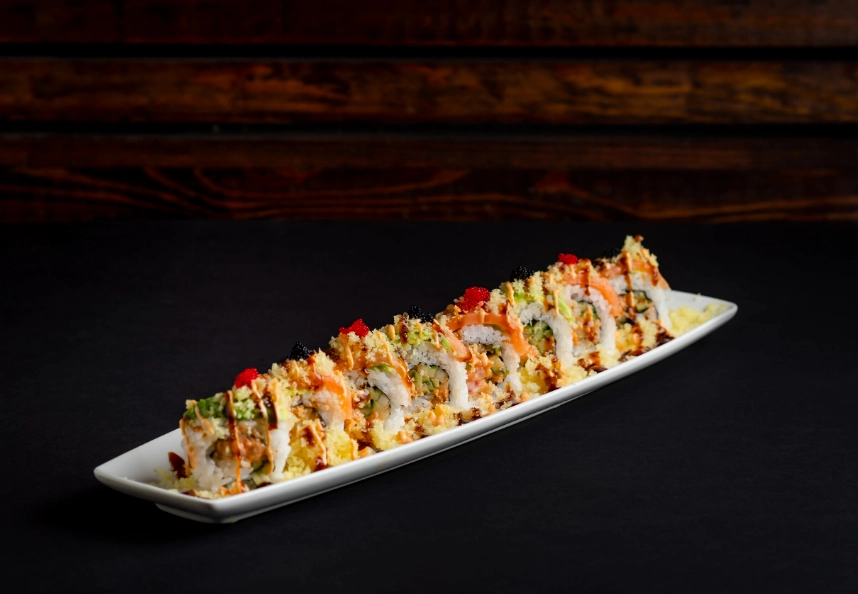
| Garnish | Adds final texture and visual pop. Often tempura flakes (crunch), sesame seeds, or green onions. | Spicy mayo, tobiko (flying fish roe), or finely sliced jalapeños. |
The result? You get the initial sweetness from the unagi sauce, followed by the rich fat of the avocado and the outer fish, then the kick from the spicy tuna inside. The rice provides a neutral base, and the nori adds that essential umami and slight chew. It's a well-engineered bite.
Here's a pro tip most menus won't tell you: the quality of the spicy tuna mix is everything. A great Kamikaze Roll uses freshly chopped tuna, not pre-mixed, mushy filler. You should still be able to discern small chunks of fish. If the spicy tuna is a homogeneous pink paste, the roll is likely low-tier.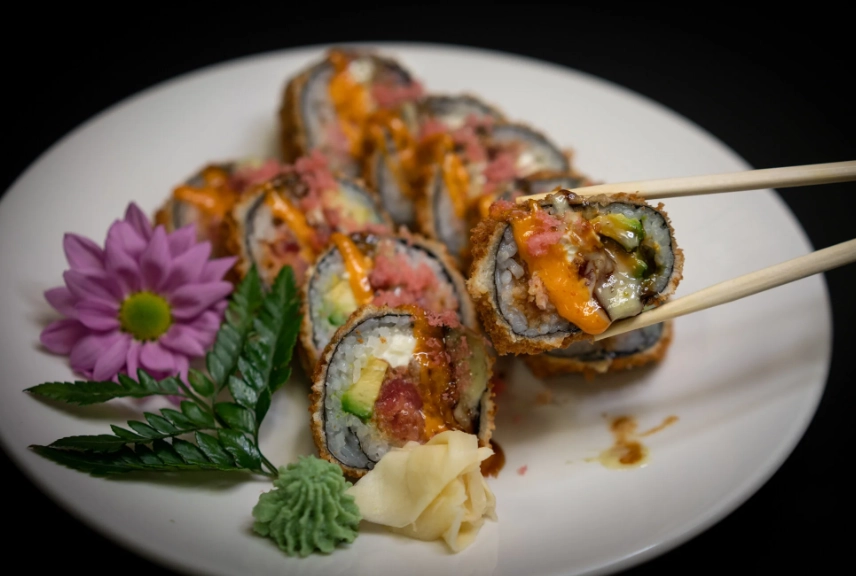
The Kamikaze Roll vs. The Spicy Tuna Roll: What's the Difference?
This is where most people get tripped up. They see "spicy" and "tuna" and think they're the same. They're cousins, not twins.
The Simple Analogy: A basic Spicy Tuna Roll is like a classic cheeseburger. A Kamikaze Roll is that same burger, but with bacon, avocado, special sauce, and served on a brioche bun. It's an upgraded, more complex version.
A standard Spicy Tuna Roll (Tekka Maki with spice) is minimalist: spicy tuna inside, rolled with rice and nori, and that's it. Maybe a sprinkle of sesame seeds on the outside. It's simple, direct, and all about the tuna.
The Kamikaze Roll, as we've detailed, layers on more. The avocado inside is a key differentiator. But the real giveaways are the outer layer of fish and the unagi sauce drizzle. You almost never see those on a basic spicy tuna roll. The Kamikaze is a "fancy roll" or "special roll," designed to be a showstopper on the plate.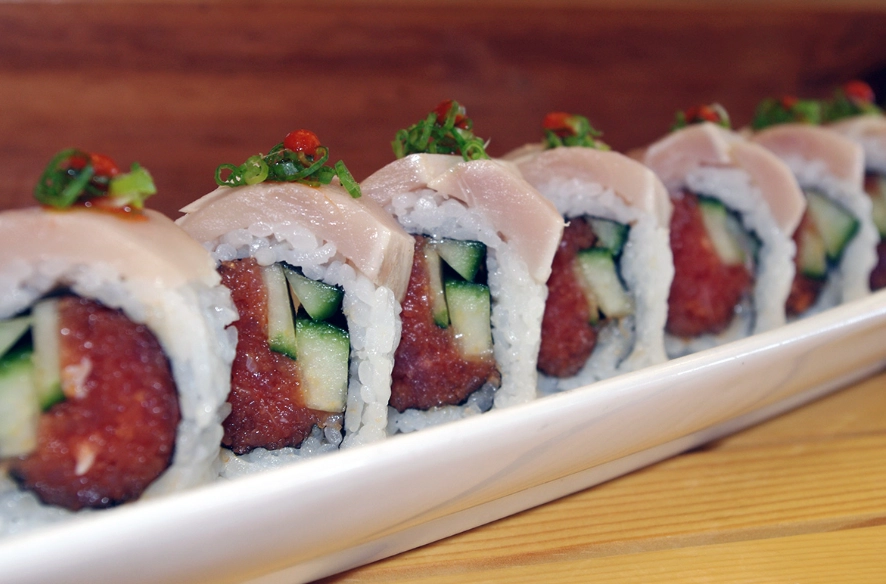
Where Did the Kamikaze Roll Come From? (It's Not From Japan)
Let's be clear: you won't find an authentic "Kamikaze Roll" in Tokyo. The name and the creation are firmly rooted in the world of American fusion sushi. Like the California Roll or the Philadelphia Roll, it was invented to cater to Western palates, combining familiar textures and bold, sweet-spicy flavors.
The exact origin is murky, as is the case with many sushi bar creations. It likely emerged in the 1980s or 1990s in major US coastal cities like Los Angeles or New York, where sushi chefs began experimenting beyond traditional forms. The name "Kamikaze"—referring to the Japanese WWII suicide pilots—is a classic example of exotic, edgy branding used in American restaurants. It's meant to evoke something daring and intense, presumably referring to the spicy kick.
Frankly, the name is a bit problematic and tone-deaf, but it stuck. Inside the industry, it's just another menu code for a specific set of ingredients. The roll's popularity spread because it works—it's delicious, visually appealing, and satisfies the desire for something more elaborate than a simple tuna roll.
Where to Find a Great Kamikaze Roll: A Short List of Notable Spots
Since the Kamikaze Roll is an American creation, the best ones are often found in innovative, high-volume sushi spots across the US. Quality varies massively. Here are a few places known for doing it well, based on consistent reviews and personal visits (I travel for sushi more than I'd like to admit).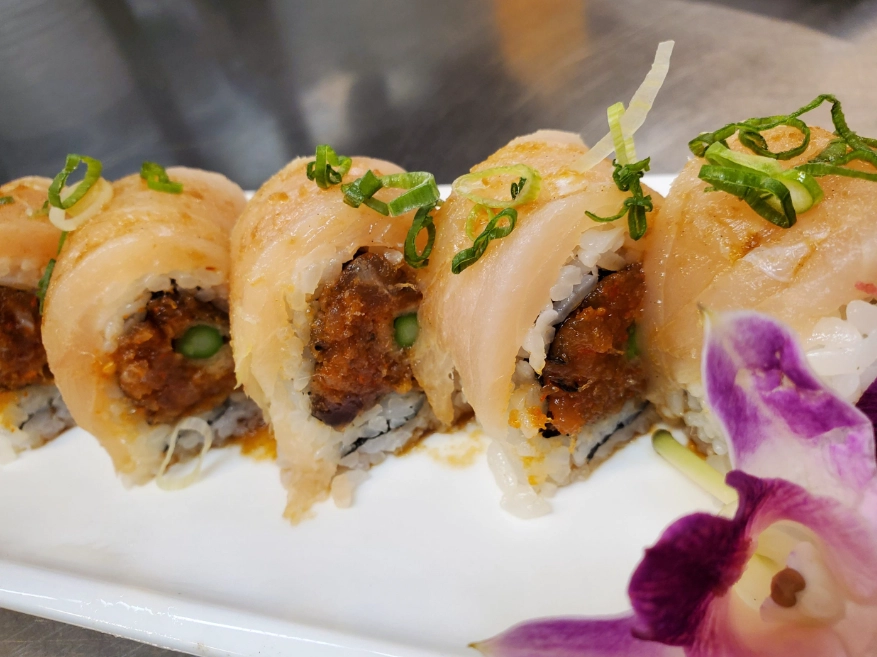
1. Sushi Gen (Los Angeles, CA)
Address: 422 E 2nd St, Los Angeles, CA 90012 (Little Tokyo)
The Kamikaze Vibe: This is a classic, no-frills interpretation in a legendary, often-packed restaurant. Their version is perfectly balanced—the spicy tuna has a clean heat, the avocado is ripe, and the unagi sauce isn't overly sweet. It's a benchmark.
Price Point: Around $14-$16 for the roll.
Pro Tip: Go for lunch. The wait is shorter, and they have fantastic lunch specials that might include a piece of their Kamikaze Roll.
2. Sugarfish (Various Locations, primarily CA & NY)
Address: Multiple locations; the original is in Studio City, LA.
The Kamikaze Vibe: Sugarfish is famous for its "Trust Me" omakase-style sets. While not always on the regular menu, their spin on a spicy tuna roll (which shares DNA with the Kamikaze) is sublime. They focus on pristine fish quality above all else. If they offer a special roll with similar ingredients, get it.
Price Point: Rolls are part of set menus ranging from $35 to $65.
Pro Tip: Don't ask for modifications here. The chef decides the best way to serve it.
3. Momotaro (Chicago, IL)
Address: 820 W Lake St, Chicago, IL 60607
The Kamikaze Vibe: Upscale and creative. Momotaro's version might be called something else on the menu, but look for descriptions containing spicy tuna, avocado, and unagi. Their execution is artistic, with high-grade fish and house-made sauces. Expect to pay more, but for a refined experience.
Price Point: $18-$22 for a specialty roll.
Pro Tip: This is a date-night or special occasion spot. Make a reservation.
Remember, your local neighborhood sushi joint might have a fantastic Kamikaze Roll. The key is to look for places that cut their fish fresh daily.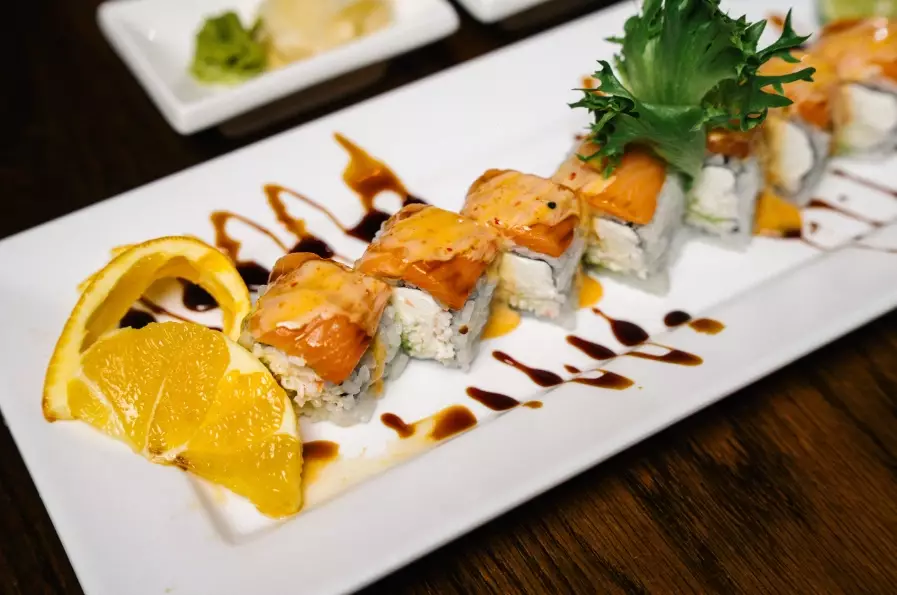
How to Order a Kamikaze Roll Like a Pro
Walking into a sushi bar and confidently ordering can change your whole experience. Here’s how to handle the Kamikaze Roll.
First, scan the menu description. If it just says "Kamikaze Roll," it's safe to assume the standard build. If it lists ingredients, you know exactly what you're getting.
Ask about the spice level. This is my number one tip. I've had Kamikaze Rolls that were gently warm and others that felt like a culinary dare. Just ask your server, "Is your Kamikaze Roll very spicy?" A good restaurant will tell you if they can adjust it.
Consider customization. Don't be shy. Want no avocado? Ask for cucumber instead. Prefer salmon on the outside instead of tuna? Most places will accommodate for a small upcharge. Want it ura-maki style (rice on the outside)? They can usually do that too.
Pair it wisely. The Kamikaze Roll is rich and flavorful. Pair it with cleaner dishes to balance your meal. A simple miso soup, a green salad with ginger dressing, or some sashimi (plain slices of fish) work perfectly. Don't order it alongside another heavy, sauced-up roll, or your palate will get overwhelmed.
I once made the mistake of ordering a Kamikaze Roll and a Dragon Roll (another unagi sauce-heavy roll) back-to-back. It was a sugar-and-sauce overload I regretted. Learn from my mistake.
Common Myths and Misconceptions About the Kamikaze Roll
Let's bust some myths wide open.
Myth 1: It's always insanely spicy. False. The "kamikaze" name is more marketing than a Scoville scale promise. The spice level is entirely up to the chef. Some are mild, some are medium, a few are hot. Always ask.
Myth 2: It's an authentic Japanese dish. As discussed, it's a Western creation. Using the name doesn't make it traditional. This is important for culinary accuracy, though it doesn't make the roll any less tasty.
Myth 3: The unagi sauce is just for show. Wrong. That sauce is a critical flavor component, adding a necessary sweetness and umami that cuts through the fat and spice. A Kamikaze Roll without it would taste incomplete.
Myth 4: All Kamikaze Rolls are created equal. This is the biggest one. The variation in quality is astronomical. A $8 roll from a mall food court and a $22 roll from a top-tier restaurant are worlds apart in fish quality, rice preparation, and balance.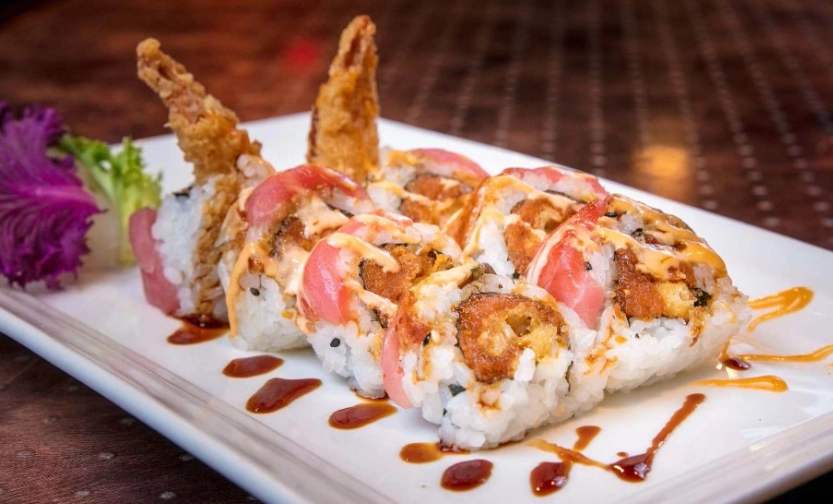
Frequently Asked Questions (FAQ)
Is the kamikaze roll always made with raw fish?
I don't like spicy food. Should I avoid the kamikaze roll entirely?
 What's the best drink to pair with a kamikaze roll?
Can I make a kamikaze roll at home?
Why is it sometimes more expensive than a regular spicy tuna roll?
Reader Comments