You know that potato salad you get at a good Japanese izakaya? The one that's impossibly creamy, a little sweet, and packed with crunchy bits of vegetable? That's what we're making. Japanese potato salad with egg isn't just a side dish; it's a textural masterpiece that balances soft, creamy potato with the crisp bite of cucumber and carrot. Most recipes online get the basics right but miss the subtle tricks that take it from good to "can I have the recipe?" level. I learned this the hard way after my first attempt turned into a watery, bland mess. Let's fix that.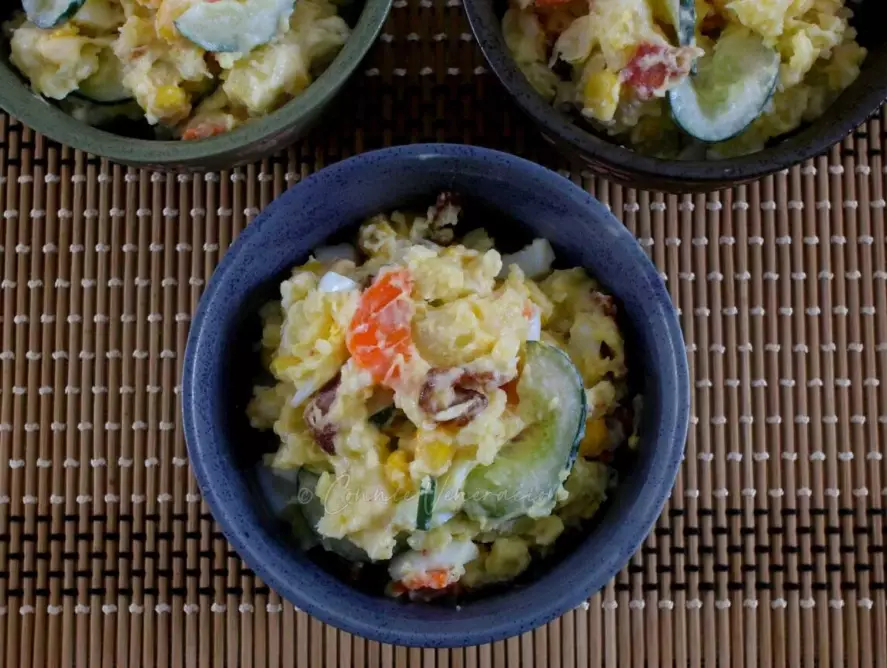
What's Inside This Guide
- What Makes Japanese Potato Salad Different?
- Essential Ingredients for Authentic Flavor
- Step-by-Step Recipe: Building Layers of Flavor
- Common Mistakes and How to Avoid Them
- Serving Suggestions and Variations
- Why This Recipe Works: The Science Behind the Creaminess
- Your Questions, Answered (Expert FAQ)
What Makes Japanese Potato Salad Different?
Forget the heavy, mustard-forward American picnic version. Japanese potato salad is its own thing. The texture is smoother, often with bits of potato skin left for character. The dressing is based on Japanese Kewpie mayonnaise, which is richer, eggier, and tangier than its Western counterparts due to using only egg yolks and rice vinegar. It's also slightly sweet. But the real signature is the mix-ins: finely diced cucumber, carrot, and ham are non-negotiable for that essential crunch. It's a salad that feels light yet indulgent.
I once served this to a friend who claimed to hate all potato salads. She finished the bowl. The difference is in the balance.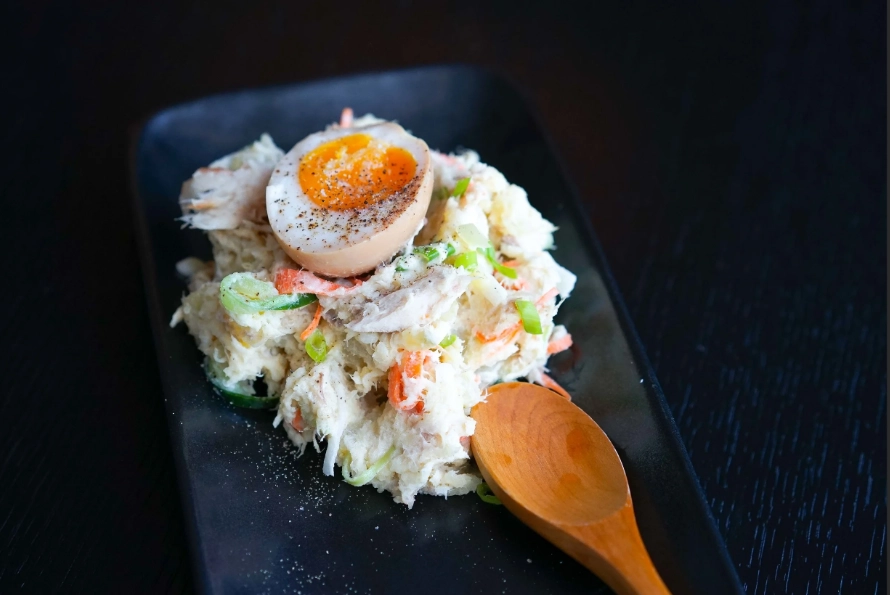
Essential Ingredients for Authentic Flavor
You can't just swap things willy-nilly here. Each ingredient plays a specific role. Let's break down the cast of characters.
| Ingredient | Role & Why It Matters | Best Choice / Pitfall |
|---|---|---|
| Potatoes | Provides the creamy base. Starch content is key. | Use Yukon Gold or Russet. Waxy potatoes like Red Bliss stay too firm. Peel only half for better texture. |
| Kewpie Mayonnaise | The soul of the dressing. Imparts umami, richness, and tang. | There's no true substitute. Find it in Asian grocery stores or online. If desperate, mix regular mayo with a pinch of sugar and MSG (trust me). |
| Japanese Cucumber | Adds crucial hydration and crunch without excess water. | Thinner skin, fewer seeds. If using regular cucumber, de-seed it thoroughly. |
| Carrot | Sweetness, color, and a firmer crunch. | Boil or microwave briefly to soften just slightly. Raw carrot is too hard. |
| Eggs | Adds protein, richness, and helps bind the salad. | Hard-boil perfectly (no grey yolks). Mash them while still slightly warm for better integration. |
| Ham | Salty, savory counterpoint. Optional but traditional. | Use a thick-cut, good quality ham steak, diced. Avoid watery, thin-sliced deli ham. |
| Rice Vinegar & Sugar | Brightens the flavor and balances the richness. | A must. Season the potatoes while hot so they absorb it. |
See that note about cucumbers? That's a classic mistake. A regular cucumber will weep water into your beautiful salad, turning it soggy in an hour. You have to salt and drain it, or better yet, seek out the Japanese or Persian variety.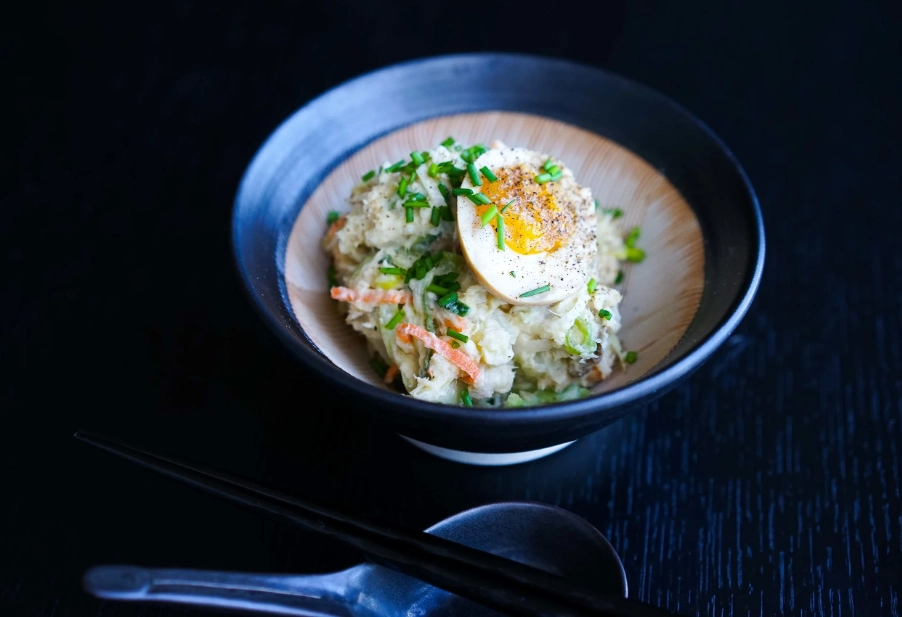
Step-by-Step Recipe: Building Layers of Flavor
This isn't a dump-and-stir operation. The order matters.
Prep Your Vegetables (The Crunch Foundation)
Dice your cucumber and carrot into small, uniform pieces—about 1/4-inch cubes. This isn't just for looks; it ensures every bite has a bit of everything. For the cucumber, if it's not a seedless variety, cut it in half lengthwise and scrape out the seeds with a spoon. Toss the diced cucumber with a pinch of salt, let it sit for 10 minutes, then squeeze out the excess water in a clean kitchen towel. This step is non-negotiable for a non-watery salad. Briefly cook the carrot dice in simmering water for 90 seconds, just to take the raw edge off, then drain and cool.
Cook and Season the Potatoes (The Creamy Base)
Peel and cube your potatoes. Boil them in well-salted water until a knife slides in easily. Drain them well, then return them to the hot pot for a minute to evaporate any surface moisture. This is critical. While they're still steaming hot, transfer them to a large bowl and lightly mash them with a fork or potato masher. You want a chunky-smooth texture, not puree. Immediately, while hot, sprinkle the rice vinegar and sugar over them and mix gently. The heat helps the potatoes absorb this seasoning, which prevents blandness.
Assemble with Intention
Let the potatoes cool to room temperature. Don't add mayo to hot potatoes—it will separate. Once cool, add the hard-boiled eggs (chopped or mashed), the squeezed-dry cucumber, the blanched carrot, and diced ham. Now, add the Kewpie mayo. Start with about 3/4 of what you think you need. Fold everything together gently. The goal is cohesion, not destruction. Taste. Adjust with more mayo, salt, or a tiny bit of black pepper.
Cover and refrigerate for at least an hour. This is when the magic happens. The flavors meld, and the texture sets perfectly.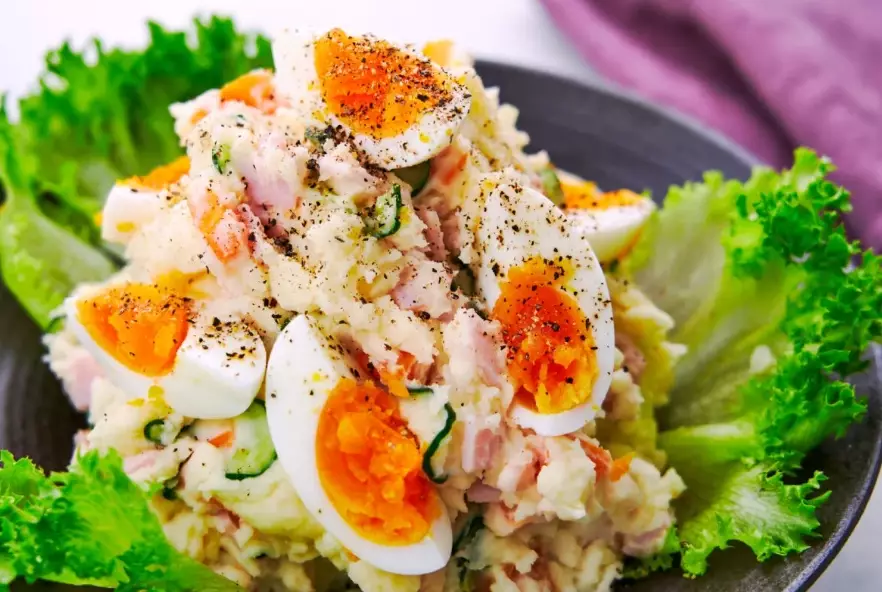
Common Mistakes and How to Avoid Them
Here’s where most home cooks trip up.
Watery Salad: The arch-nemesis. Caused by undrained potatoes, un-salted cucumbers, or watery vegetables. Always dry your boiled potatoes in the hot pot and always salt and squeeze your cucumbers.
Bland Flavor: Seasoning the potatoes only after they're cold. Season them with the vinegar and sugar while they're hot. The starch is more receptive.
Wrong Mayo Texture: Using cold mayo straight from the fridge on warm-ish ingredients can make the dressing seize up. Let your mayo sit out for 15 minutes before using.
Over-mixing: You're making a salad, not mortar. Fold gently to maintain the distinct textures of the add-ins.
Serving Suggestions and Variations
This salad is incredibly versatile.
As a side, it's perfect with grilled fish, chicken karaage, or tonkatsu. For a light lunch, pile it on thick, buttered toast—a Japanese cafe staple. You can also use it as a filling for sandwiches or onigiri (rice balls).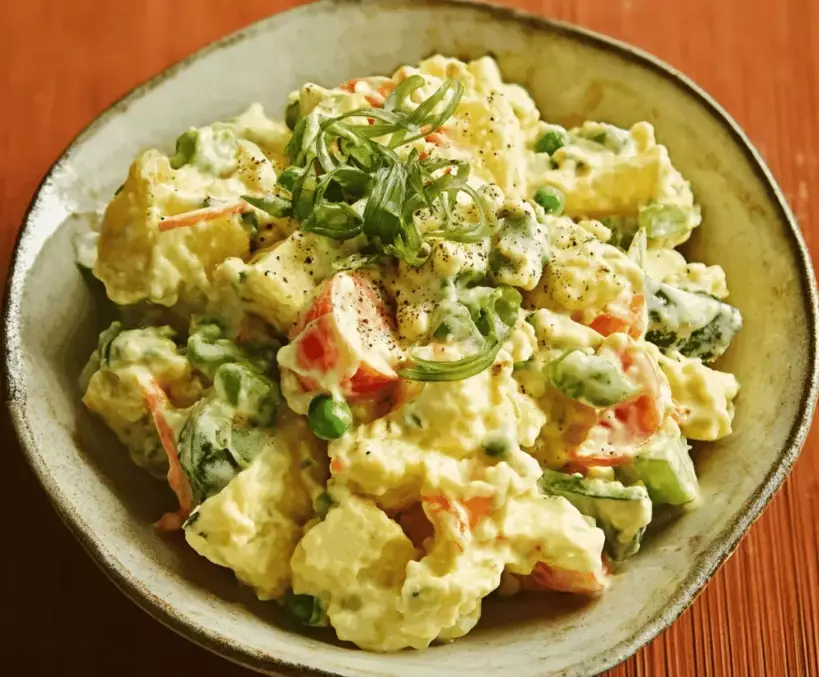
Want to mix it up? Try these variations:
- Seafood Twist: Replace the ham with flaked, cooked crab meat or small shrimp.
- Vegetarian: Omit the ham and add sweet corn kernels and blanched green peas.
- Extra Creamy: Add a tablespoon or two of plain Greek yogurt to the mayo for a tangier, lighter feel.
Why This Recipe Works: The Science Behind the Creaminess
The creaminess isn't just from mayo. It's a combination of factors. Yukon Gold potatoes have a medium starch content and a naturally buttery texture that mashes well. Seasoning them while hot with vinegar partially breaks down the cell walls, releasing more starch which then helps bind the dressing later. Kewpie mayo, with its higher egg yolk content and monosodium glutamate (MSG), creates a more stable, flavorful emulsion that clings to the potatoes better than standard mayo. The University of Tokyo's Department of Agricultural and Life Science has published on the role of starch gelatinization in texture, which is what we're manipulating here by seasoning hot potatoes. It's simple food science, applied deliciously.
Your Questions, Answered (Expert FAQ)
 What's the best substitute for Kewpie mayo if I can't find it?
 Is it safe to leave Japanese potato salad with egg out at a picnic?
Reader Comments