You just made a big bowl of creamy, crunchy Japanese potato salad. It's delicious. Now you're staring at the leftovers, wondering how long it's actually safe to eat. The answer isn't a single number. It depends on how you handle it from the moment you cook the potatoes. If you store it perfectly in the fridge, you can enjoy it for 3 to 5 days. Push it beyond that, and you're gambling with food poisoning. Let's break down exactly why, how to maximize that window, and the clear signs that tell you it's time to toss it.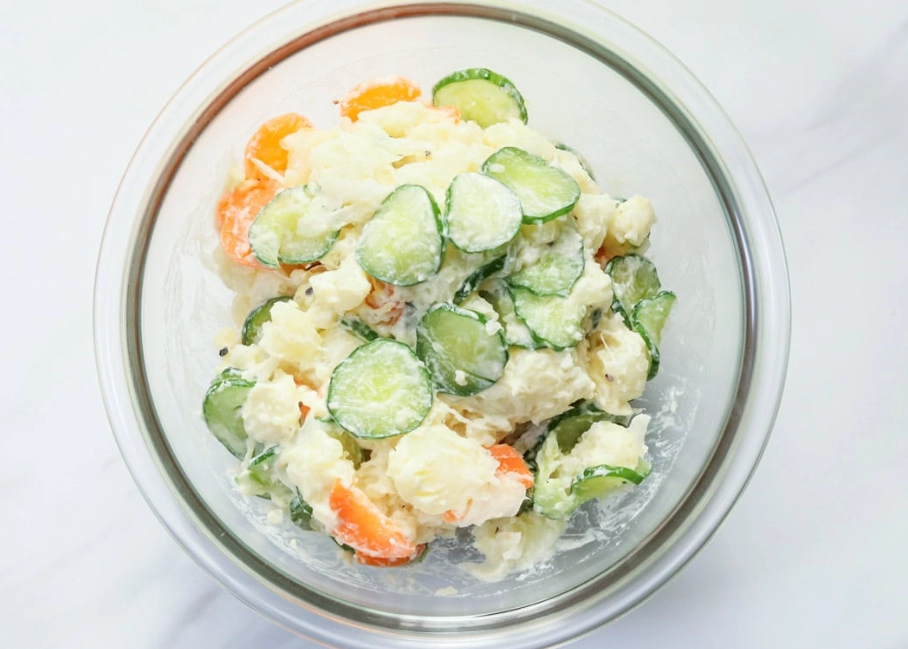
Quick Navigation Guide
Japanese Potato Salad Shelf Life in the Refrigerator
Forget the "one-week" rule you might use for other leftovers. Japanese potato salad is a high-risk food. The combination of moist potatoes, dairy (or mayo-based dressing), and often raw vegetables creates a perfect breeding ground for bacteria like Listeria and Staphylococcus aureus. The U.S. Food and Drug Administration (FDA) categorizes prepared potato salads as a "potentially hazardous food" that requires strict time and temperature control.
How Storage Method Drives Shelf Life
Where you put it in the fridge and what container you use matters more than most people think. The back of the bottom shelf is the coldest, most stable spot. Never leave it on the door. Use an airtight container. A shallow container is better than a deep one—it allows the salad to chill faster and more evenly, slowing bacterial growth from the start. That hour it sits on the counter cooling down? That's bacteria's happy hour. Get it sealed and into the fridge as soon as it's no longer steaming warm.
Unmistakable Signs Your Potato Salad Has Gone Bad
Your nose and eyes are the best tools. If you see or smell any of the following, throw the entire batch away immediately. Don't taste it.
- Sour or Off Smell: This is the most reliable indicator. Fresh potato salad has a mild, creamy, and slightly tangy aroma. A sharp, sour, or frankly unpleasant smell means bacterial waste products are present.
- Texture Changes: The mayo or dressing may appear to have "separated," looking watery or oily. The potatoes might become unpleasantly slimy or mushy beyond their normal softness.
- Mold Growth: Any visible fuzz, spots, or discoloration (green, black, pink) means it's contaminated. You can't just scoop out the moldy part; invisible threads (hyphae) have likely spread throughout.
- Unexpected Fizzing or Bubbles: This suggests active fermentation by yeast or bacteria, which is a definite sign of spoilage.
| Condition | Safe to Eat? | Notes & Action |
|---|---|---|
| Freshly made, stored immediately | Yes | Peak quality for 3 days. |
| Day 4 in fridge, smells/tastes fine | Use Caution | Eat immediately if no off signs. |
| Day 5+ in fridge | Not Recommended | High risk of spoilage, best to discard. |
| Left out for 2+ hours (above 40°F/4°C) | No | Danger zone for bacterial growth. Discard. |
| Visible mold or sour smell | No | Discard entire container immediately. |
Freezing Japanese Potato Salad: A Viable Option?
Most sources will tell you not to freeze potato salad. They're right about the texture. Freezing is brutal on the delicate emulsion of mayonnaise and the cell structure of potatoes and vegetables. Thawed, it will be watery, grainy, and the vegetables will be limp. However, if your primary goal is to avoid food waste and you plan to use the thawed salad as a cooking ingredient rather than eating it straight, freezing can work.
I've done this in a pinch. The thawed salad makes a fantastic filling for korokke (Japanese croquettes) or a flavorful mix-in for savory bread dough. You wouldn't serve it as a side dish, but it's not useless.
How to Freeze (If You Must)
Portion the salad into amounts you'd use for cooking. Wrap tightly in plastic wrap, then place in a heavy-duty freezer bag, squeezing out all air. Label with the date. It will maintain best quality for about 1 month, though it's safe indefinitely while frozen. Thaw overnight in the refrigerator, never at room temperature. Expect significant liquid separation; you may need to drain it or mix it into a batter where moisture is acceptable.
Expert Techniques to Extend Freshness from the Start
The battle for shelf life is won during preparation, not in the fridge. Here’s what most home cooks miss, leading to salad that sours a day early.
1. Cool Your Potatoes COMPLETELY Before Dressing. This is the number one mistake. Adding mayo or yogurt to warm potatoes is an invitation for bacteria. The heat can also break the emulsion, making your dressing oily. Spread the diced potatoes on a baking sheet to cool at room temperature for 15 minutes, then pop them in the fridge for another 30 until they're genuinely cold to the touch.
2. Choose Your Ingredients Wisely.
- Mayonnaise: Use a full-fat, store-bought mayo like Kewpie (which contains vinegar and MSG as natural preservatives) or a reputable American brand. Avoid homemade mayo or "light" versions for salads you plan to store; they spoil faster.
- Vegetables: Pat your cucumbers, onions, and carrots completely dry after slicing or soaking. Extra water = faster spoilage. Blanching hard vegetables like carrots or corn briefly can extend their crunch and reduce surface bacteria.
3. The Acid is Your Friend. The vinegar in the dressing isn't just for flavor; it lowers the pH, creating a less hospitable environment for microbes. Don't skimp on it. A little extra squeeze of lemon juice or rice vinegar can add a safety buffer.
4. Practice Utensil Hygiene. Always use a clean spoon to scoop out servings. Double-dipping introduces saliva enzymes and bacteria directly into the batch, dramatically shortening its life.
Your Japanese Potato Salad Safety Questions Answered
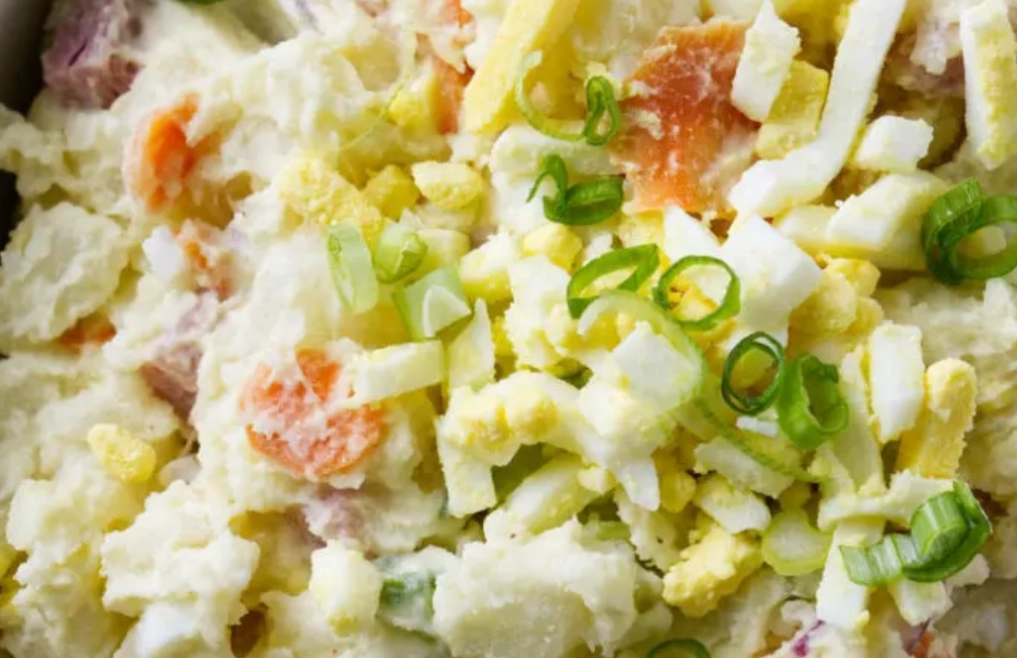 How does store-bought Japanese potato salad last longer than homemade?
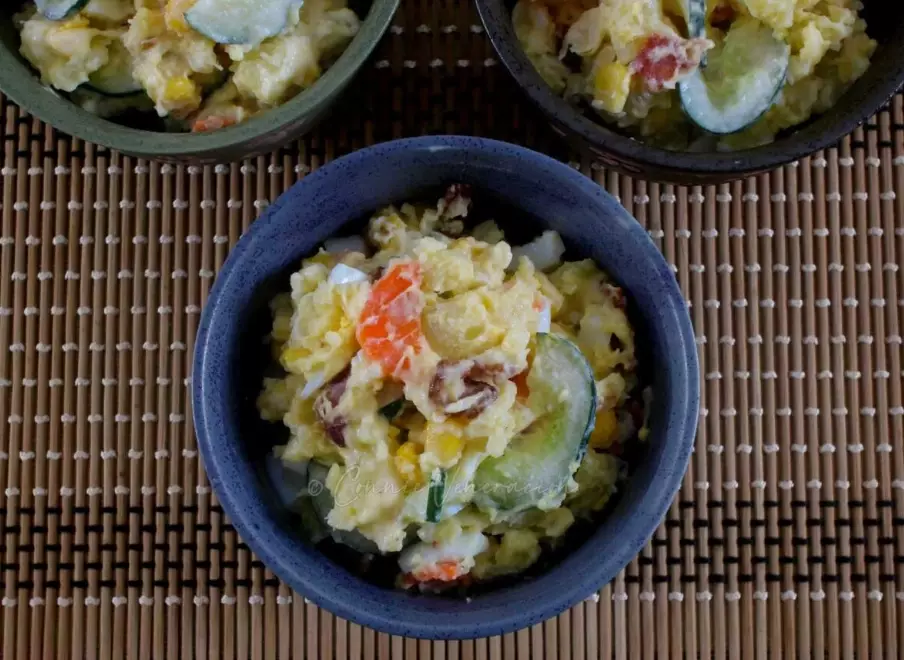 I added ham or boiled eggs to my salad. Does this change the storage time?
Reader Comments