You've seen it a hundred times. That bright green, sometimes unnaturally so, pile of seaweed next to your sushi roll. The traditional wakame seaweed salad. It's a staple, but let's be honest, the pre-made version can be a gamble. Sometimes it's a crisp, savory delight; other times it's a soggy, overly sweet mess. What if you could make the authentic version at home, the one that balances umami, tang, and a perfect crunch every single time? That's what we're doing today. Forget the shortcuts and the food coloring. We're going back to the roots of this classic Japanese side dish, or tsukemono, and building it from the ground up. I've spent years tweaking this recipe, learning from mistakes (like using the wrong type of wakame the first time—a disaster), and I'm here to save you the trial and error.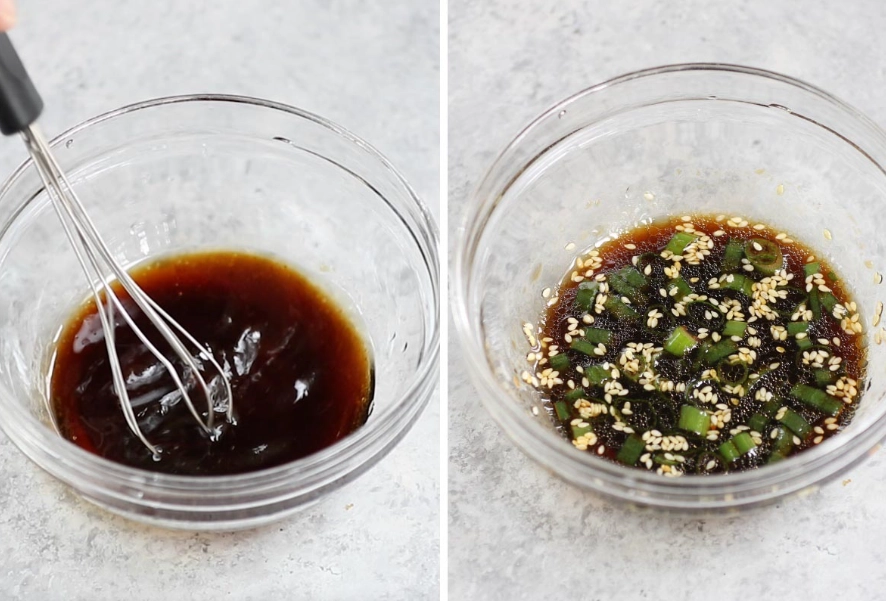
What's Inside This Guide
What Makes a Wakame Salad "Traditional"?
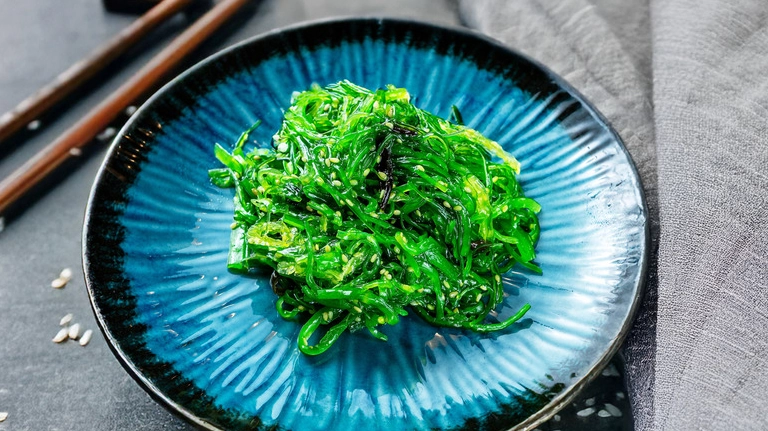
First, let's clear something up. The neon-green salad often served in the West is a simplified, mass-produced adaptation. A traditional preparation is subtler. The color is a deeper, natural green or brownish-green. The texture is key—wakame should be tender yet retain a slight firmness, not be mushy. The flavor profile isn't just sweet and salty; it's a complex dance of umami (from seaweed and soy), tang (from rice vinegar), a hint of sweetness, and often a toasted sesame finish.
The base is always rehydrated dried wakame. Not fresh, not the pre-marinated stuff in a bag. Dried. This gives you control. You'll often find additions like finely julienned cucumber, shredded carrot, or katsuobushi (bonito flakes) in home-style versions, but the seaweed is the undisputed star.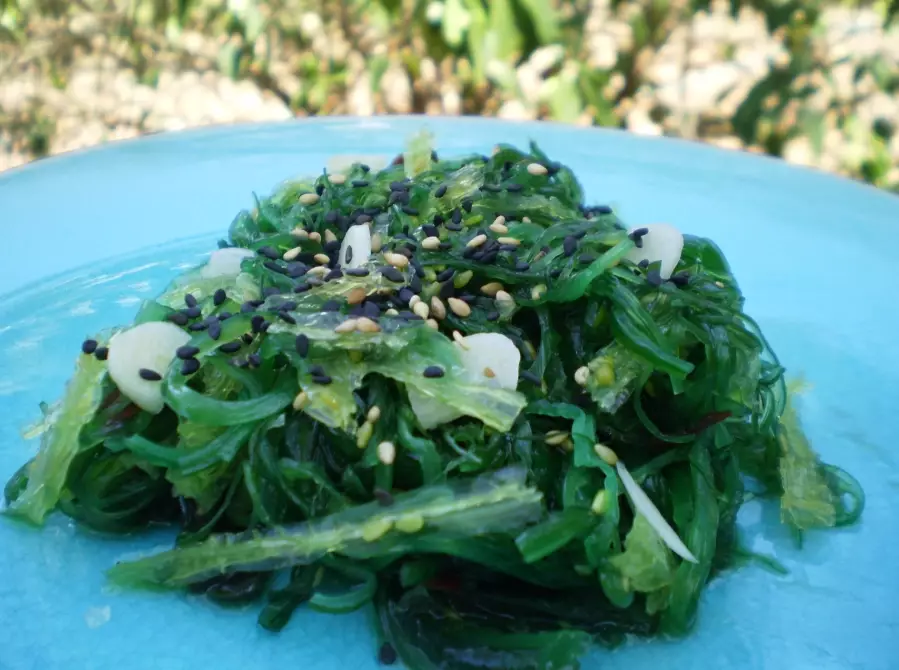
My first mistake: I bought "cut wakame for soup." It turned into a slimy, stringy mess perfect for miso but terrible for salad. For salad, you need dried wakame salad strips. They're cut wider and rehydrate into the perfect ribbon-like texture. Look for packages that specifically say "for salad" or "sunomono" (vinegared dishes).
The Non-Negotiable Ingredients Breakdown
Here’s your shopping list. Sourcing matters. A trip to a Japanese or well-stocked Asian grocery like H Mart or Mitsuwa is your best bet for quality and authenticity. You can find some items online or in larger supermarkets, but the selection might be limited.
| Ingredient | What to Look For & Why It Matters | Where to Find It / Brand Suggestion |
|---|---|---|
| Dried Wakame (for salad) | Wide, flat strips. Avoid the tiny flakes for soup. This is the foundation. | Japanese grocery aisle. Brands like Shirakiku or J-Basket are reliable. |
| Rice Vinegar | Unseasoned. Seasoned rice vinegar has added sugar and salt, which throws off your dressing balance. | Any supermarket, international aisle. Marukan is a common brand. |
| Soy Sauce | Use a Japanese soy sauce like Kikkoman for its cleaner, less fermented taste compared to some Chinese varieties. | Supermarket. Kikkoman or Yamasa. |
| Toasted Sesame Oil | This is your flavor bomb. Don't use plain sesame oil. The toasted aroma is non-negotiable. | Asian grocery or oil aisle. Kadoya is excellent. |
| Sesame Seeds | White and/or black, toasted. Toasting them yourself in a dry pan takes 2 minutes and makes a world of difference. | Any supermarket. Toast them yourself for max flavor. |
| Sweetener | Traditional uses granulated sugar dissolved in the vinegar. Mirin (sweet rice wine) is a great authentic alternative that adds depth. | Mirin is in the Asian aisle. If using sugar, any white sugar works. |
| Optional Add-ins | Julienned cucumber (seeds removed), shredded carrot, thin slices of red chili, bonito flakes. | Produce section. For bonito flakes (katsuobushi), Japanese grocery. |
Step-by-Step Recipe: How to Make It at Home
This isn't complicated, but timing and technique are everything. Follow this sequence.
1. Rehydrate the Wakame (The Most Critical Step)
Take a handful of dried wakame (about 1/4 cup). It looks like nothing. Place it in a large bowl. Cover with plenty of lukewarm water. Not hot—hot water can make it slimy. Not cold—it takes forever.
Set a timer for 8-10 minutes. Watch it bloom. It will expand 4-5 times in size. Once it's tender but still has a bit of bite (al dente, if you will), drain it in a colander.
Here's the secret step most recipes skip: Squeeze it dry. Don't just drain it. Grab small handfuls and gently but firmly squeeze out the excess water over the sink. This prevents a watery, diluted dressing. Place the squeezed wakame in a clean, dry mixing bowl.
2. Prepare the Add-ins (If Using)
While the wakame soaks, prep your veggies. For cucumber, slice it thinly, stack the slices, and cut into matchsticks. Sprinkle with a tiny pinch of salt, let it sit for 5 minutes, then squeeze out the water. This keeps the salad crisp and prevents waterlogging. Same logic as the wakame.
3. Whisk the Dressing
In a small bowl or jar, combine 3 tablespoons of unseasoned rice vinegar, 1 tablespoon of soy sauce, 1.5 tablespoons of sugar (or 2 tablespoons of mirin), and 1 teaspoon of that glorious toasted sesame oil. Whisk or shake until the sugar is fully dissolved. Taste it. It should be boldly tangy-sweet-salty. It will mellow once mixed with the seaweed.
The Dressing: Where the Magic Happens
Let's talk about ratios. The classic balance is 3:1:1.5 (vinegar : soy : sugar). But I don't treat it as law. The brand of your soy sauce, the acidity of your vinegar—they vary.
My advice? Adjust to your palate. Want it more savory? Add a dash more soy. More bright? A splash more vinegar. The sesame oil is a finisher; too much can overpower. Start with 1 tsp.
Pro Tip: The Marinating Time Don't dress the salad and serve it immediately. Let it marinate in the fridge for at least 30 minutes, ideally an hour. This allows the wakame to fully absorb the flavors and the texture to perfect itself. Overnight is fine too, though it will become more tender.
Pour the dressing over the squeezed, dry wakame (and any add-ins) in your mixing bowl. Toss gently with your hands or chopsticks to coat every strand.
4. The Final Touch
Transfer to a serving dish. Just before serving, generously sprinkle with your freshly toasted sesame seeds. This preserves their crunch and aroma. If you're using bonito flakes, add them now too—they'll dance in the steam.
Health & Nutrition: More Than Just a Side
This isn't just a tasty filler. Wakame is a nutritional powerhouse, which explains its surge in popularity in health-conscious circles. According to a review published in the Journal of Applied Phycology, seaweeds like wakame are rich in minerals often lacking in land vegetables.
Let's break it down:
Iodine: Crucial for thyroid function. Wakame is one of the best natural sources. A small serving can meet your daily needs—something hard to get from typical salads.
Fiber: It's packed with soluble fiber, which aids digestion and can help you feel full. That's why it's such a great, low-calorie side (the dressing is where the calories are, so mind your portions).
Minerals: Calcium, magnesium, and iron are all present in bioavailable forms. A study referenced by the National Institutes of Health notes the potential of seaweed minerals for bone health.
Fucoxanthin: This is the buzzword. It's a carotenoid found in brown algae (like wakame) with studied antioxidant and potential metabolic benefits. You won't get this from lettuce.
The takeaway? Making your own lets you control the sugar and sodium, turning this from a potentially sugary side into a genuinely healthy one.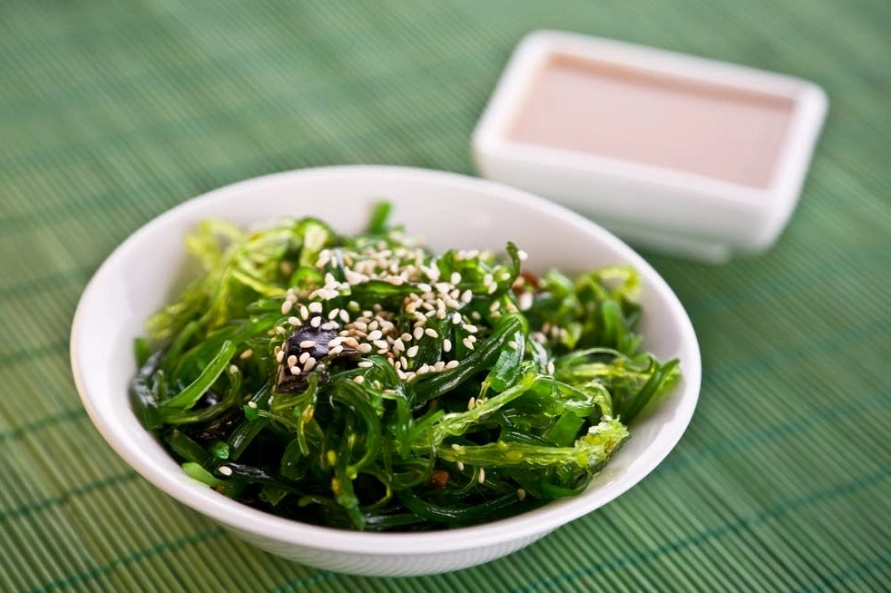
Your Questions, Answered
Why does my homemade wakame salad taste bland compared to the restaurant version?
Two likely culprits. First, you didn't squeeze the rehydrated wakame dry enough. Excess water dilutes the dressing dramatically. Squeeze it like you mean it. Second, under-seasoning. The dressing needs to taste quite strong on its own. Restaurant versions often use a heavier hand with sugar and MSG (in the form of dashi powder). Try adding a tiny pinch of dashi powder to your dressing mix for that professional umami kick.
Can I use the pre-cut wakame salad mix that's already seasoned?
You can, but you're buying a finished product. The point of this guide is to make the traditional base from scratch. That pre-mixed stuff often contains preservatives, artificial color, and a one-note flavor profile. It's the difference between buying a cake mix and baking from scratch. One is convenient; the other is authentic and customizable.
 How long does homemade wakame salad last in the fridge?
In an airtight container, it keeps well for 2-3 days. The texture will continue to soften, and the vinegar's sharpness will mellow. It won't "go bad" quickly due to the vinegar's preserving nature, but it's best within 48 hours for optimal texture. Do not freeze it—the texture will be completely destroyed upon thawing.
My salad turned out too chewy/rubbery. What went wrong?
You either used the wrong type of wakame (soup wakame is tougher) or you didn't rehydrate it long enough. Ensure you're using "salad wakame" and give it a full 8-10 minutes in lukewarm water. Test a piece—it should be pliable and tender, not leathery.
Is there a way to make this vegan?
Absolutely. The core recipe is vegan if you use sugar instead of mirin (some mirin contains alcohol or additives). Just skip the bonito flakes garnish. For extra umami, add a small pinch of mushroom powder or a few drops of vegan fish sauce alternative to the dressing.
Reader Comments