Quick Guide
Let's be honest, the first time you saw a California Maki, you probably had questions. Sushi rice on the outside? Crab stick and avocado? It doesn't exactly scream "traditional." I remember walking into a sushi joint years ago, thinking I knew my nigiri from my sashimi, only to be completely baffled by this inside-out roll taking up half the menu. But here's the thing – that unassuming roll, often wrapped in a blanket of toasted sesame seeds or bright orange tobiko, is arguably the most influential piece of sushi in the Western world. It's a gateway. For millions, the California roll was the first step into a much larger world of Japanese cuisine. So, is it authentic? That's a debate for later. Is it delicious, accessible, and fascinating in its own right? Absolutely.
This isn't just another recipe post. We're going deep on the California Maki. We'll dig into its murky origin story (involving a supposed avocado shortage, a Canadian chef, and Los Angeles in the 1970s), break down exactly how to make a stellar one at home (even if you're all thumbs with a bamboo mat), and tackle all those questions that pop up when you're staring at a menu or the seafood counter. Whether you're a sushi newbie or a seasoned pro looking to understand the roll that started it all, you're in the right place.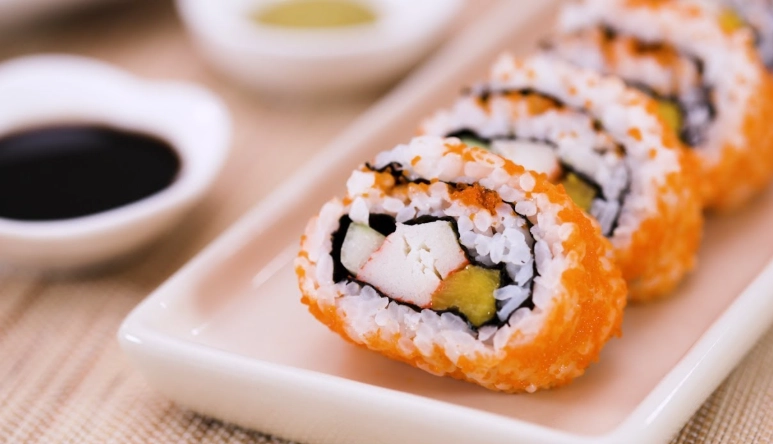
The Origin Story: A Tale of Avocado and Innovation
So, where did the California Maki come from? The story most people know goes something like this: In the late 1960s or early 1970s, a sushi chef in Los Angeles needed to cater to American customers who were squeamish about raw fish and put off by the look of nori (seaweed) on the outside. The solution? Hide the nori on the inside. Use cooked ingredients like crab stick (imitation crab made from surimi) and creamy, familiar avocado. Roll it with the rice on the outside, and voilà – a friendly, approachable sushi was born.
The name "California Maki" itself is a bit of a giveaway. "Maki" means "roll" in Japanese. It was named for its place of invention, much like a Philadelphia roll or a Boston roll. But pinning down the exact creator is where history gets fuzzy. Two names are often tossed around: Chef Ichiro Mashita at the Tokyo Kaikan restaurant in LA's Little Tokyo, and Chef Ken Seusa at a restaurant called Kin Jo. Mashita's story often involves the avocado substitution due to a tuna shortage. Seusa's version is similar. The truth is, it was likely a culinary evolution influenced by several chefs adapting to a new market. The Japanese Ministry of Agriculture, Forestry and Fisheries even acknowledges the California roll as a prime example of how Japanese food has been adapted internationally, though they might do so with a slightly resigned sigh.
Some purists, and I understand their point to a degree, scoff at the California roll. No raw fish? Imitation crab? It breaks the rules. But innovation often does. Think of it less as a corruption of tradition and more as a brilliant adaptation – a diaspora dish that created its own legacy and, ironically, helped fuel the global sushi boom that allowed more people to discover "real" sushi later on.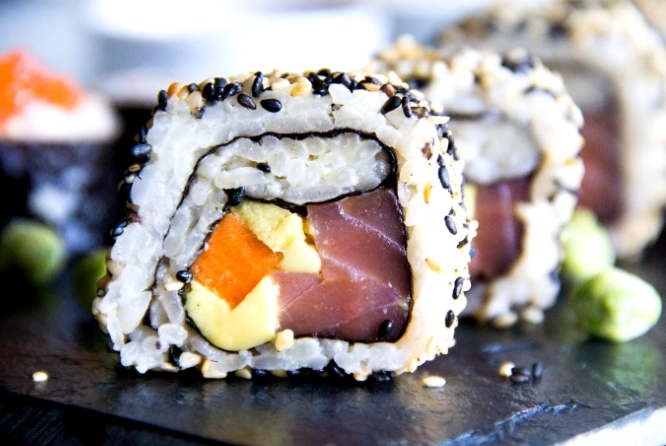
What Exactly Is a California Maki? Deconstructing the Roll
At its core, a classic California Maki is an inside-out roll ("uramaki"). Let's break down the standard lineup:
The Classic Components
- The Outer Layer: Sushi rice, often lightly pressed and sometimes rolled in toasted white or black sesame seeds, tobiko (flying fish roe), or masago (capelin roe) for extra texture and visual pop.
- The Hidden Wrap: A sheet of nori (seaweed), now on the inside, holding everything together.
- The Classic Filling Trinity:
- Kani (Crab Stick/Imitation Crab): Almost always the cooked, seasoned surimi product. Real crab is a premium variation.
- Avocado: Ripe but firm, sliced into strips. The creaminess is non-negotiable.
- Cucumber: Usually English or Japanese cucumber, julienned for crunch and freshness.
That's the blueprint. But walk into any sushi restaurant today and you'll see variations. Some add a dab of mayonnaise (often Japanese mayo like Kewpie) for extra richness. Others might include a thin slice of tamagoyaki (Japanese omelet) or a sprinkle of sesame oil. The beauty of the California Maki is its simplicity and flexibility.
How does it stack up against its traditional cousins? Let's be clear.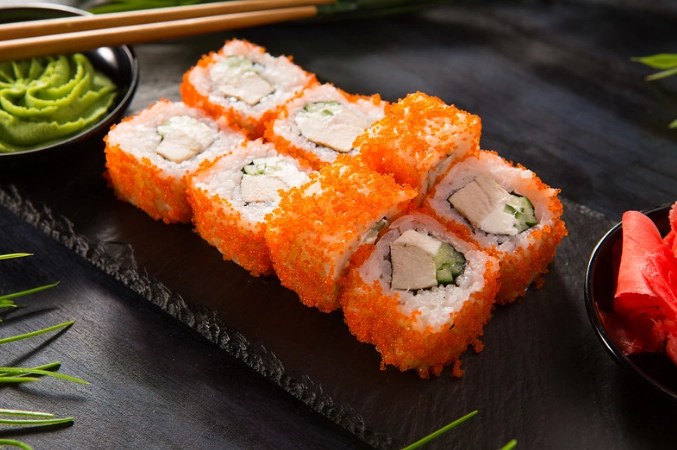
| Feature | Traditional Hosomaki (e.g., Tekka Maki) | California Maki |
|---|---|---|
| Rice Placement | Inside, nori on the outside | Outside (uramaki), nori inside |
| Core Ingredients | Often one primary item (tuna, cucumber) | Multiple cooked/fresh items (crab, avocado, cucumber) |
| Fish | Almost always raw | Almost always cooked (surimi) or none |
| Flavor Profile | Clean, focused, umami-forward | Creamy, crunchy, sweet, and savory |
| Gateway Factor | Lower | Extremely high |
See? They're almost different categories of food. Calling a California Maki "inauthentic" is like calling a taco salad "inauthentic Mexican food." It's a different beast born from a specific context.
Making California Maki at Home: A Step-by-Step Guide
I have to admit, the first California Maki I ever made was a complete mess. The rice stuck everywhere but the roll, the fillings burst out the sides, and my cuts looked like a crime scene. But after many (many) attempts, I've found a rhythm. Making it at home is totally doable, fun, and way cheaper than restaurant prices. Here's a no-nonsense guide.
Gathering Your Arsenal: Tools & Ingredients
You don't need a professional kitchen. Here's the essentials list:
Tools:
- Bamboo Sushi Mat (Makisu): The one non-negotiable tool. Wrap it tightly in plastic wrap before you start. This keeps rice from sticking to it and makes cleanup a breeze.
- Very Sharp Knife: A chef's knife you've recently sharpened. A dull knife will crush your beautiful roll.
- Bowls & Damp Cloth: For holding ingredients and keeping your hands clean. Sushi rice is sticky.
Ingredients (for 4 rolls):
- Sushi Rice: 2 cups short-grain Japanese rice (like Koshihikari), cooked and seasoned with sushi vinegar (rice vinegar, sugar, salt).
- Nori Sheets: 4 full sheets. Get the toasted kind for sushi.
- Crab Stick: 8 sticks, split lengthwise. Look for brands with a higher fish content.
- Avocado: 1 large, ripe but firm. Slice into thin strips and drizzle with a little lemon juice to prevent browning.
- Cucumber: 1/2 an English cucumber, seeds removed, cut into long, thin matchsticks.
- Toppings: Toasted white sesame seeds are classic. Tobiko (flying fish roe) adds amazing color and a fun popping texture.
- Optional: Japanese mayonnaise (Kewpie), sriracha for a spicy mayo.
The Assembly Line: Rolling Your First California Maki
This is where the magic happens. Don't rush.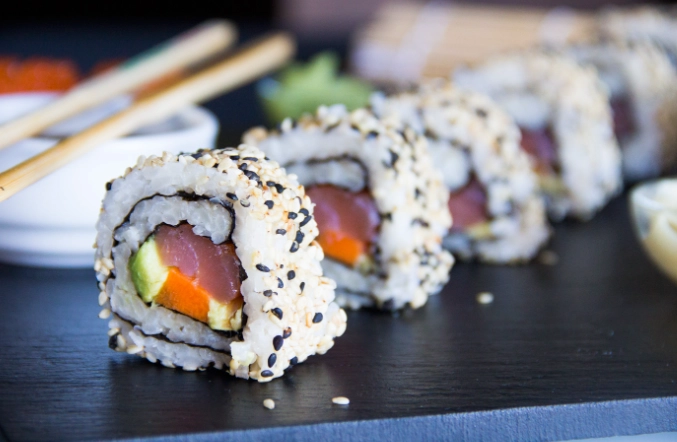
- Prep Your Station: Lay your plastic-wrapped bamboo mat on the counter. Have a bowl of water with a splash of vinegar (for dipping your hands), your bowl of sushi rice, nori, and prepped fillings all within reach.
- Place the Nori: Take a sheet of nori. The shiny side goes down on the mat. The rough side will hold the rice better.
- Spread the Rice: This is the trickiest part. Dip your fingers in the vinegar water to prevent sticking. Grab a handful of rice (about 3/4 cup) and gently spread it over the nori, leaving a 1-inch strip bare at the top edge. Aim for a thin, even layer. Don't press the rice into a paste! You want the grains to still have some individuality. Some people use a rice paddle for this, but I find wet fingers give me more control.
- Flip It Over: This is the "inside-out" move. Carefully lift the entire sheet, rice-side down, and flip it over onto the mat. The bare nori strip should now be at the top, away from you. The rice is now against the plastic-wrapped mat.
- Add the Fillings: Line up your fillings horizontally across the center of the nori (which is now facing up). A strip of crab, a few avocado slices, a line of cucumber. Don't overstuff! This was my biggest mistake. Less is more. If using mayo, add a thin squirt here.
- The Roll: Using the mat to guide you, lift the edge of the mat closest to you and start rolling it over the fillings, tucking them in tightly. Pull the mat back slightly, then continue rolling forward, applying gentle, even pressure until you reach the bare nori strip at the top. The moisture from the rice should seal it. Give the whole roll a gentle, firm squeeze along its length with the mat to compact it into a nice cylinder.
- The Topping (Optional but Recommended): Before you cut, this is the time to add sesame seeds or tobiko. Spread your topping on a plate or cutting board. Gently roll your finished California Maki roll in the topping, pressing lightly so it adheres to the outer rice layer.
- The Cut: Wipe your knife clean and dampen it slightly. Place the roll on your cutting board. In one smooth, confident motion (no sawing!), cut the roll in half. Then line the halves up and cut each half into thirds, making six pieces total. Wipe the knife clean between cuts for clean edges.
And there you have it. Your own homemade California Maki. The first one might be a little loose or uneven. Who cares? It'll taste amazing. I remember trying to impress a date by making sushi at home. The rolls were lopsided, but the California Maki, with its familiar flavors, saved the night. She didn't care about the shape, just the taste.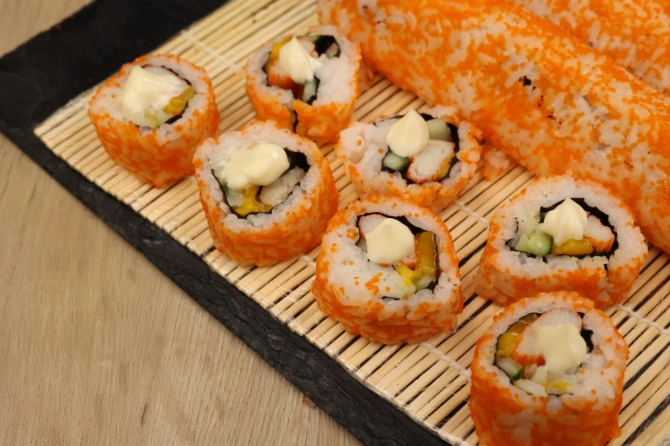
Common Questions & The Great Sushi Debate
This is the million-dollar question. By the strictest, most traditional definitions from Japan? No. It uses non-traditional ingredients (avocado, imitation crab) and an inside-out style created abroad. But authenticity is a slippery concept in food. Is it a valid and beloved form of sushi that exists within the global sushi culture? Absolutely. The Smithsonian Institution even has an article discussing the California roll as a significant example of culinary cultural exchange. It's best to think of it as its own category – Western-style sushi or American sushi. It doesn't diminish traditional sushi; it just exists alongside it.
Nothing. Zero. Zilch. "Maki" is the Japanese word for "roll." So "California Maki" is just the full, slightly more formal name. On menus, you'll see both. They refer to the same thing.
You can try. I've seen people use a clean kitchen towel, a sheet of parchment paper, or even just plastic wrap. But let me be straight with you: it's much, much harder. The mat gives you the leverage and even pressure needed for a tight roll. For less than $10, it's a worthwhile investment if you plan to make sushi more than once.
It's processed food, so it's not as "pure" as a piece of fresh fish. Surimi is typically made from white fish (like pollock) that's pulverized, rinsed, and mixed with starch, sugar, egg whites, and flavorings to mimic crab. It's cooked and usually lower in mercury than some large fish. According to the U.S. Department of Agriculture's FoodData Central, it provides protein but can be higher in sodium and carbohydrates than real crab. It's fine in moderation, but real crab is a healthier, more luxurious upgrade.
A few common culprits: 1) Too much filling – the roll can't hold it. 2) Rice layer too thick or too mushy – it can't bind properly. 3) Nori is stale – if it's been open for a while, it loses its plasticity and tears easily. 4) Not rolling tightly enough – be confident with that tuck and squeeze.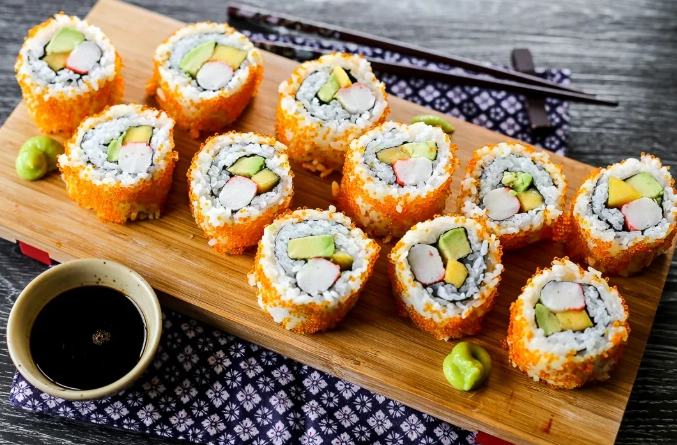
Is California Maki Healthy? A Nutritional Perspective
So, you're trying to eat well. Is ordering the California Maki a good move? Let's break it down, because it's a mixed bag.
The Good:
- Avocado: Packed with heart-healthy monounsaturated fats, fiber, and vitamins.
- Cucumber: Hydrating and very low in calories.
- Fish Protein: Even surimi provides a decent protein hit.
- Seaweed (Nori): A good source of iodine, vitamins, and minerals.
The Not-So-Good:
- Sushi Rice: It's seasoned with sugar and salt. A single roll can contain a surprising amount of refined carbs and added sugar.
- Imitation Crab: As mentioned, can be high in sodium and contain additives.
- Portion Size & Sauces: Restaurant rolls are often huge, and creamy sauces like spicy mayo add significant calories and fat.
Here's a rough comparison per typical 6-piece restaurant roll (estimates vary widely):
| Roll Type | Approx. Calories | Key Nutritional Notes |
|---|---|---|
| California Maki | 250 - 350 | Moderate calories, carbs from rice, some healthy fats from avocado. |
| Spicy Tuna Roll | 290 - 400 | Often higher due to fatty tuna and spicy mayo sauce. |
| Salmon Avocado Roll | 300 - 380 | Excellent omega-3s from salmon, plus avocado fats. |
| Vegetable Roll | 200 - 280 | Lowest calorie option, all fiber and vitamins. |
The bottom line? A California Maki can be part of a balanced diet. To make it healthier at home: use less sugar in your sushi vinegar, add more cucumber or even some spinach, use brown sushi rice (it's harder to work with but higher in fiber), and go easy on the mayo. Opt for real crab when you can. And remember, soy sauce is a sodium bomb – use low-sodium or dip lightly.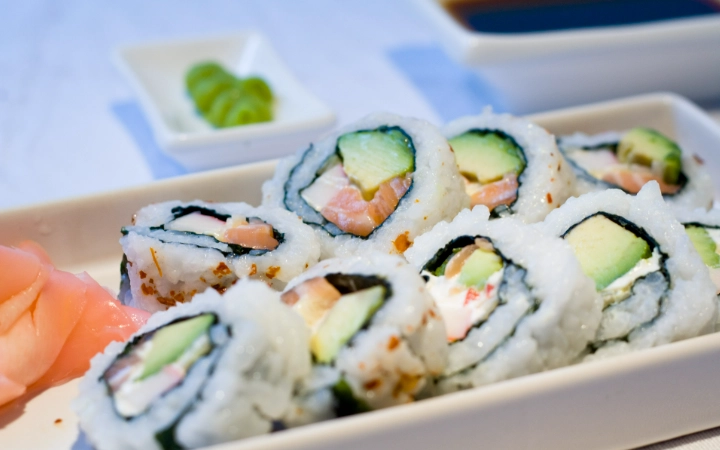
The Last Bite: More Than Just a Roll
Look, the California Maki might not have the prestige of otoro or the elegance of a piece of uni nigiri. But its impact is undeniable. It's the friendly face of sushi for countless people. It's a testament to how cuisines travel, adapt, and create something new and lasting. It's also just really satisfying to eat – that combination of cool avocado, sweet crab, crunchy cucumber, and savory rice is hard to beat.
Whether you're making it at home for a fun weekend project or ordering it as a safe bet at a new restaurant, you're participating in a piece of modern food history. So next time you see a California Maki on the menu, don't dismiss it as "basic." Appreciate it for the ingenious, gateway creation it is. And hey, if you're feeling adventurous, use it as a springboard. Try a roll with real snow crab next time. Or add a slice of mango. The original California Maki was all about innovation – why stop now?
Now, if you'll excuse me, all this writing has made me crave one. I think I've got some avocado that's just ripe enough...
Reader Comments