You've probably seen it. A perfectly rectangular, golden-brown loaf with a tight, velvety crumb. It looks simple, almost plain. Then you take a bite. The texture is impossibly moist, springy, and dense yet light, with a deep, caramelized honey flavor that's not too sweet. This is castella cake, Japan's beloved sponge that hides centuries of history and technique behind its humble appearance. Forget everything you know about dry, crumbly sponge cakes. A proper Nagasaki castella is a lesson in culinary precision and a testament to the art of baking with just a few perfect ingredients.
Your Quick Castella Cake Guide
Where Did Castella Cake Really Come From?
Let's clear up a common misconception right away. Castella is not originally Japanese. Its story starts in the 16th century, when Portuguese merchants and missionaries arrived in Nagasaki, the only port open to foreign trade during Japan's period of isolation.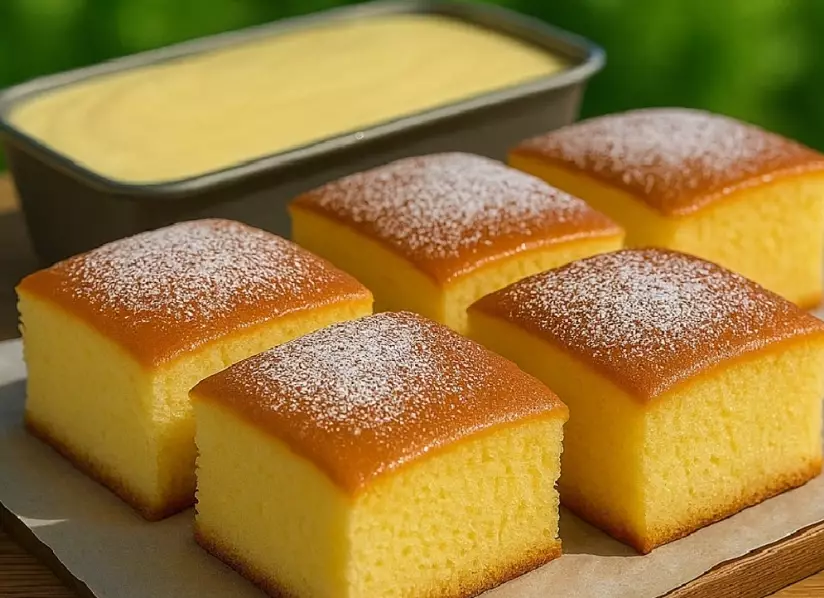
They brought with them a simple cake called "Pão de Castela," or "Bread from Castile." The Japanese locals adapted it, replacing the original ingredients with what was available and refining the technique. They used mizuame (a Japanese starch syrup) and high-quality Japanese honey for sweetness and moisture, and developed the specific mixing and baking methods to achieve that signature fine, moist texture. Over centuries, it evolved from a foreign novelty to a quintessential Japanese wagashi (traditional confectionery), especially famous as a souvenir from Nagasaki.
What Makes a Real Castella Cake So Different?
If you think a castella is just a sponge cake baked in a loaf pan, you're missing the point. The magic is in the details, and most mass-produced versions outside of specialty shops get these details wrong.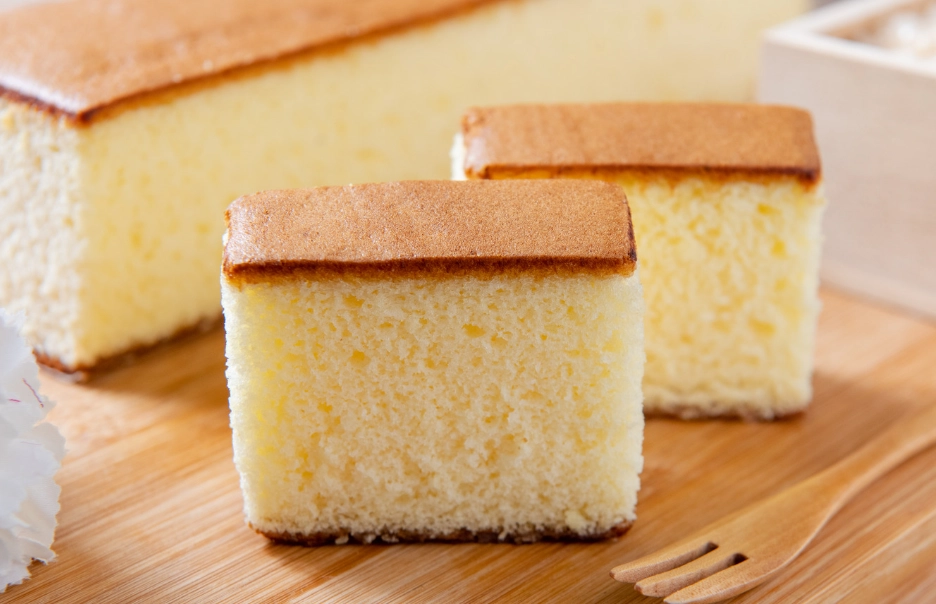
The Texture is Everything. A true castella has a uniquely elastic, bouncy, and moist crumb. There should be almost no large air bubbles. When you press it, it springs back slowly and completely. This comes from a specific, gentle folding technique that preserves the air in the egg foam without over-developing the gluten.
Minimalist Ingredients, Maximum Flavor. Authentic recipes call for only four core ingredients: eggs, sugar, flour (usually bread flour for higher gluten), and honey or mizuame. No baking powder, no butter, no oil. The honey isn't just a sweetener; it's a humectant that locks in moisture for days, giving castella its legendary shelf-life and sticky-sweet bottom crust.
The Special Box. Traditionally, castella is baked in a wooden box (called a castella-oke). This isn't just for aesthetics. The wood absorbs excess moisture from the batter, helping to form a crisp top crust while keeping the interior supremely moist. Many home bakers struggle to replicate this with a metal loaf pan.
The One Mistake Everyone Makes
Here's a tip you won't find in every basic recipe blog, something I learned after a few failed, rubbery loaves. The biggest mistake is over-mixing after adding the flour. You're not making bread. The moment the flour is just incorporated, stop. Any further mixing develops the gluten and leads to a tough, chewy cake instead of that tender, melt-in-your-mouth feel. Fold with a light hand, as if you're handling a cloud.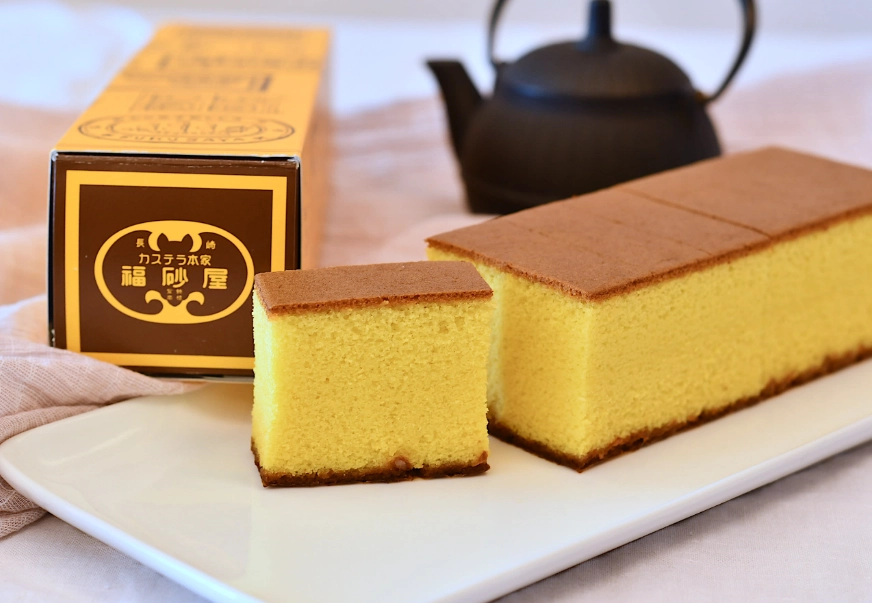
How to Make Authentic Castella Cake at Home
Ready to try it yourself? It's a test of patience and technique, but deeply rewarding. You won't need fancy equipment, but you will need a digital scale. Baking is science, and this recipe demands precision.
>Used to dilute the honey for even distribution.| Ingredient | Weight (Metric) | Notes for Success |
|---|---|---|
| Large Eggs (room temp) | 150g (about 3) | Cold eggs won't whip to the needed volume. Separate yolks and whites. |
| Granulated Sugar | 100g | Split between yolks (30g) and whites (70g). |
| Bread Flour (or Hi-Gluten) | 100g | Sift twice. Bread flour gives structure; cake flour is too soft. |
| Honey (or Mizuame) | 20g | Warm slightly with 15g of hot water to make it pourable. |
| Hot Water (for honey) | 15g |
The Critical Steps:
1. Whip the meringue to stiff peaks. This is your leavening. The whites should be glossy and form a firm peak that doesn't droop. Under-whipped, and your cake will be dense.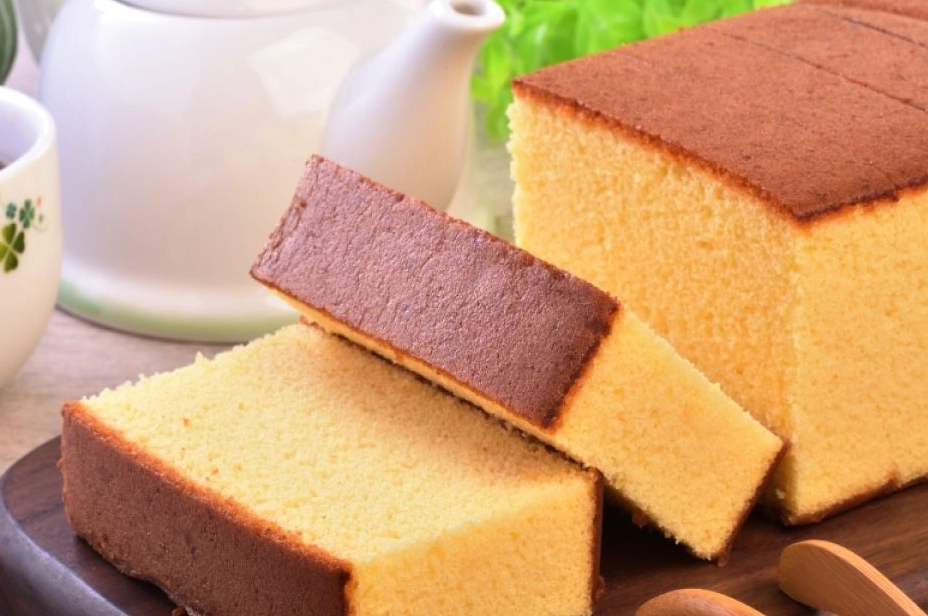
2. Fold, don't stir. Add the yolk-sugar mixture to the meringue. Then, sift the flour over the top in batches. Use a flexible spatula and a gentle, sweeping motion from the bottom up. Rotate the bowl. Stop the second you see no dry flour streaks.
3. Temper the honey. Mix the warm honey-water with a small scoop of the batter first. This tempers it, preventing the heat from deflating the whole mixture. Then fold it back in gently.
4. Bake low and slow. Pour into a parchment-lined loaf pan (a 7.5x3.5 inch one is ideal). Drop the pan on the counter a few times to release large bubbles. Bake at 320°F (160°C) for about 50-60 minutes. The top should be a deep golden brown.
5. The Post-Bake Ritual. This is non-negotiable. Immediately after baking, wrap the entire cake (still in the pan) tightly in plastic wrap. Let it cool completely upside down on a rack. This traps steam, ensuring maximum moisture and that classic dense texture. Only unwrap and slice the next day.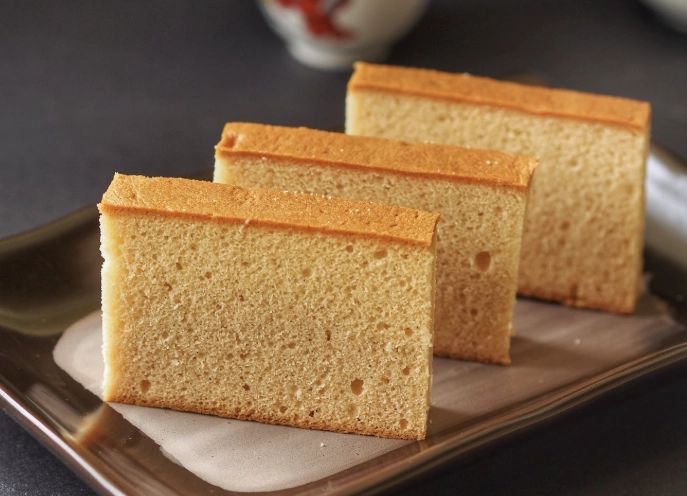
Where to Buy the Best Castella Cake (In Japan & Online)
If a trip to Nagasaki isn't on the cards, you can still experience top-tier castella. Here are the benchmarks, from legendary shops to reliable online sources.
1. Fukusaya (Nagasaki - The Original)
Address: 1-1 Funadaikumachi, Nagasaki City. Multiple locations in Nagasaki.
Why it's special: History in edible form. Their castella uses a traditional recipe, baked in wooden boxes. The flavor is deep, rich, and less sweet than modern versions. It's the standard against which all others are measured.
Price: A standard loaf runs about ¥1,500 - ¥2,500.
Tip: Go for the classic "Hon Castella." They also sell smaller, individual-serving sizes perfect for sampling.
2. Bunmeido (Nationwide & Online)
Access: Stores across Japan (Tokyo, Osaka, Kyoto). Also ships internationally via services like Japanese Taste or their own website.
Why it's special: Consistently excellent quality and more accessible than Nagasaki-only shops. Their cake is beautifully moist with a pronounced honey flavor. A safe and superb choice for a first-time buyer.
Price: Around ¥1,800 per loaf online, plus shipping.
My take: Sometimes I find their syrup a tad too sweet, but the texture is always flawless.
3. Castella from Japanese Supermarkets (Don't Underestimate These)
Brands like Morinaga or Fujiya make packaged castella sold in the bakery section of stores like Don Quijote, Seijo Ishii, or premium supermarkets. They're fresher than you think, often made daily, and a fraction of the price of specialty shops (¥400-¥800). The texture might be slightly airier, but it's a fantastic, affordable way to get your fix. Perfect for a casual snack.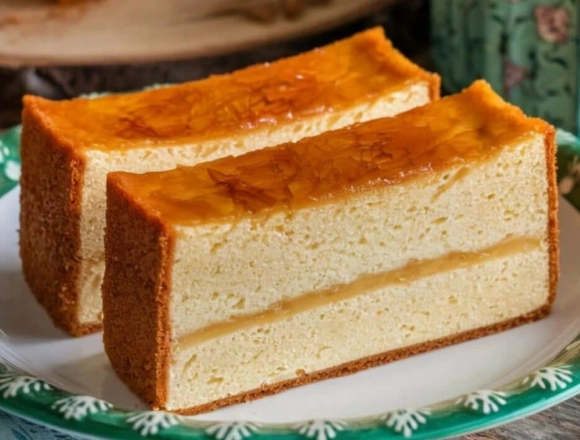
Reader Comments