Let's talk about Japanese golden curry. You've probably seen those distinctive yellow boxes in the Asian aisle. Maybe you've tried it at a restaurant—that thick, savory, slightly sweet sauce over rice, often with a crispy tonkatsu on top. It's comfort food at its finest. But do you know why it's called 'golden'? Or why your homemade version sometimes tastes a bit... off compared to what you get in Japan? I've been cooking and eating this stuff for over a decade, and I'm here to walk you through not just the recipe, but the soul of the dish. We'll cover its surprising history, the one ingredient most recipes skip that makes all the difference, and where to find the best bowls in Tokyo and New York if you want to skip the stove.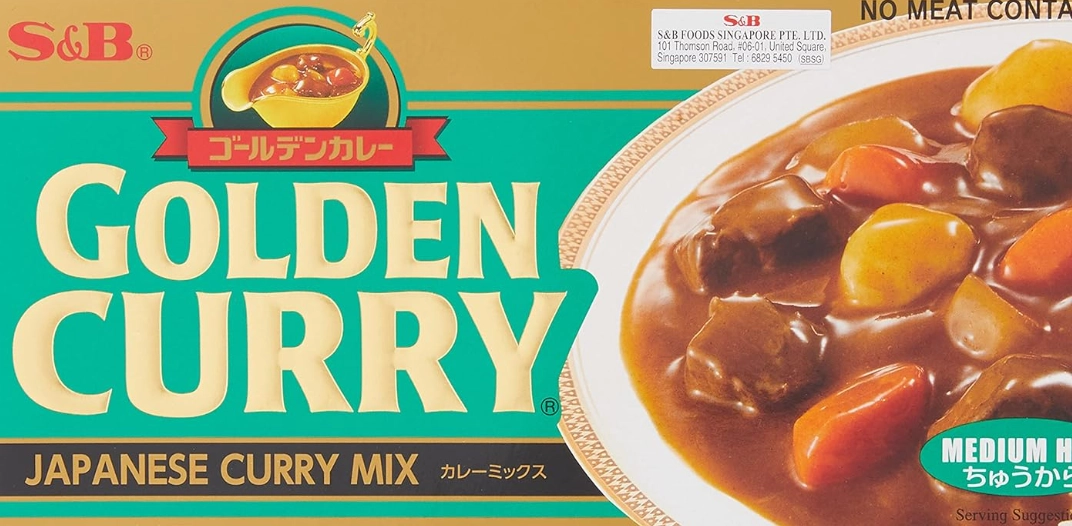
What's Inside This Golden Curry Guide?
What Exactly is Japanese Golden Curry?
First off, forget Indian or Thai curry. Japanese curry (kare) is its own beast. It arrived in Japan via the British in the late 19th century and got a massive makeover. It's thicker, sweeter, and less spicy-hot. The 'golden' part? That comes from the turmeric and other spices in the commercial roux blocks, giving it a rich, warm yellow hue that's brighter than other Japanese curries.
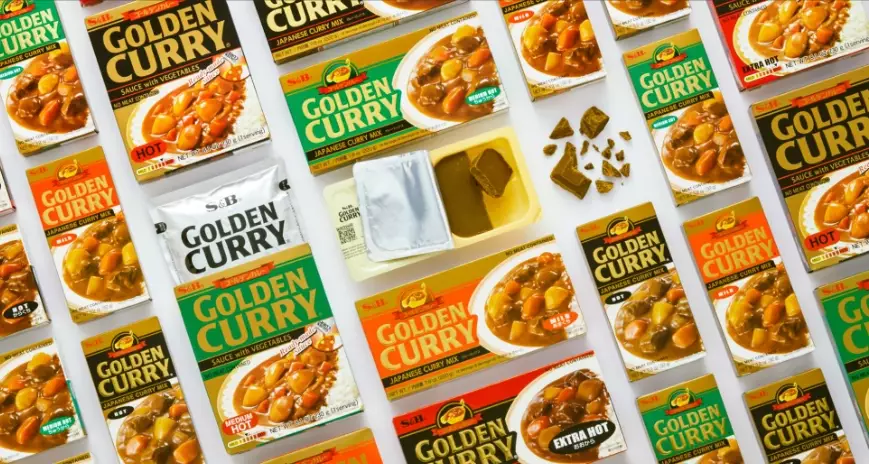
The magic, and the convenience, lies in the roux block. Companies like House Foods (which makes the Vermont Curry and Java Curry brands) and S&B Foods (the creator of Golden Curry) perfected these solid blocks of pre-blended spices, flour, and fat. You sauté your meat and veggies, add water, and melt these blocks in to create an instant, consistent sauce. It's the secret weapon of busy Japanese households and the reason this dish is a national staple.
But here's a non-consensus point most food blogs miss: the roux block is a tool, not a prison. Treating it as a complete seasoning packet is the first mistake. The best cooks use it as a base and build layers of flavor on top.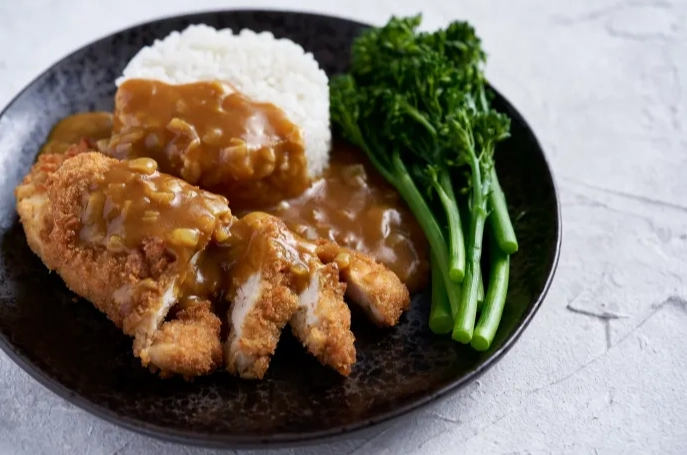
Choosing Your Curry Roux: A Spice Level Guide
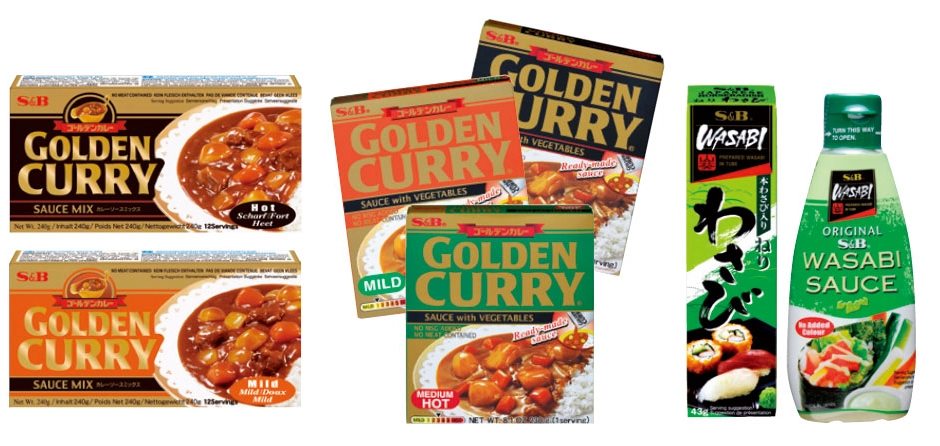
Not all golden curry boxes are the same. The spice level is key. Japanese 'spicy' is more about depth and warmth than mouth-searing heat. Here's a breakdown of the most common Golden Curry (S&B) levels to save you from a bland or overly aggressive pot.
| Spice Level | Japanese Label | Flavor Profile & Best For | My Personal Take |
|---|---|---|---|
| Mild | 甘口 (Amakuchi) | Sweet, very mild. Perfect for young kids or anyone sensitive to spice. Can taste one-dimensional on its own. | I find it too sweet. I often mix one cube of this with a medium-hot box for a balanced sweetness. |
| Medium Hot | 中辛 (Chukara) | The gold standard. Balanced sweetness, savory umami, and a gentle warmth. The most versatile and popular choice. | This is my default. It has enough character to stand alone but is still a blank canvas for your additions. |
| Hot | 辛口 (Karakuchi) | Noticeably spicy, with less sweetness. The savory and peppery notes are forward. For those who like a kick. | My go-to for a heartier meal. It pairs exceptionally well with pork katsu. |
| Extra Hot | 大辛 (Okara) | Seriously warm. The complexity can get lost behind the heat. Use if you truly love spice. | Honestly, a bit one-note. The heat overpowers the other spices. I rarely buy this one. |
Pro tip from a Tokyo home cook I learned from: Buy two different heat levels and mix them. Try ¾ Medium Hot and ¼ Hot for a perfect, complex blend. It gives you way more control than any single box.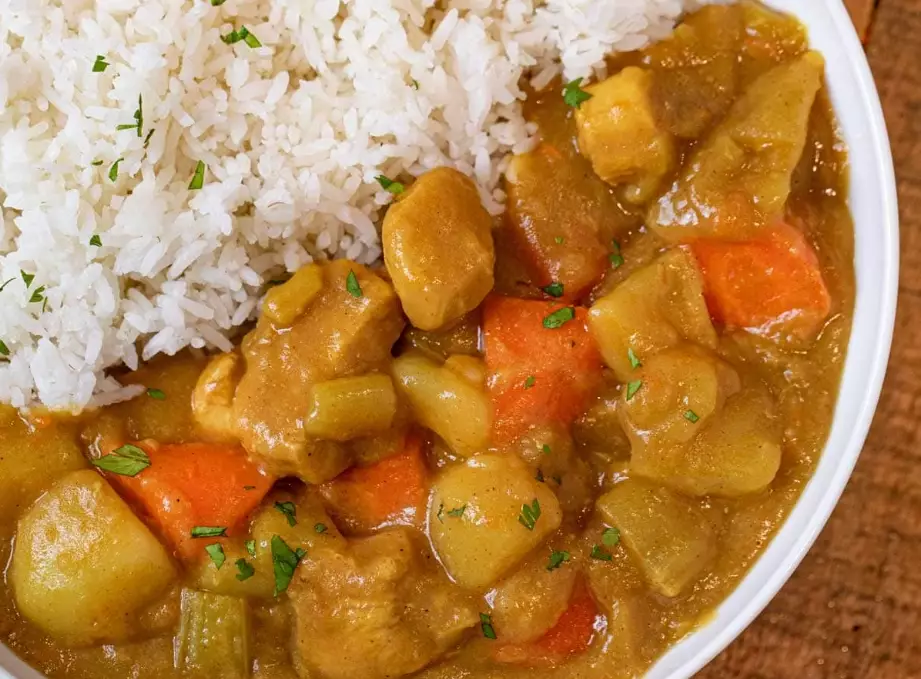
How to Cook Japanese Golden Curry Like a Pro
The basic steps are on the box: cook meat/veggies, add water, simmer, add roux. But the devil's in the details. Here’s my decade-tested method for a curry that tastes like it simmered for hours.
The Foundation: Ingredients & Prep
Protein: Chicken thigh (boneless, skin-on for flavor), pork shoulder, or beef chuck are best. They hold up to stewing. Thin sliced pork or beef for a quicker version works too.
Vegetables (The Holy Trinity): Onions, carrots, potatoes. Cut potatoes a bit larger than carrots so they don't disintegrate. A classic ratio is 2 onions : 2 carrots : 2 large potatoes for a standard box.
The Secret Weapon: Grated apple. Half an apple, grated. Not on the box, but this is the game-changer. It adds a natural sweetness and fruity depth that artificial sweeteners can't match.
The Step-by-Step Process (Where Most Go Wrong)
1. Caramelize the Onions. Seriously. Don't just sauté until translucent. Cook them low and slow for 15-20 minutes until they're deeply golden brown and sweet. This builds an umami foundation no roux block can provide. This is the single most important step most people rush.
2. Brown the Meat. In a separate pot or after removing onions, get a good sear on your protein. Don't crowd the pot. That fond (browned bits) is flavor.
3. Simmer Smart. Add water (or a mix of water and dashi stock if you have it), the carrots, and the browned meat. Simmer for about 20 minutes before adding the potatoes. Potatoes cook faster and fall apart if simmered too long.
4. The Roux & Finishing. Turn off the heat. Break the roux blocks into small pieces and whisk them in until fully dissolved. This prevents lumps. Now add your grated apple. Return to a very low heat and simmer for just 5-10 more minutes until thickened. The sauce will thicken more as it cools.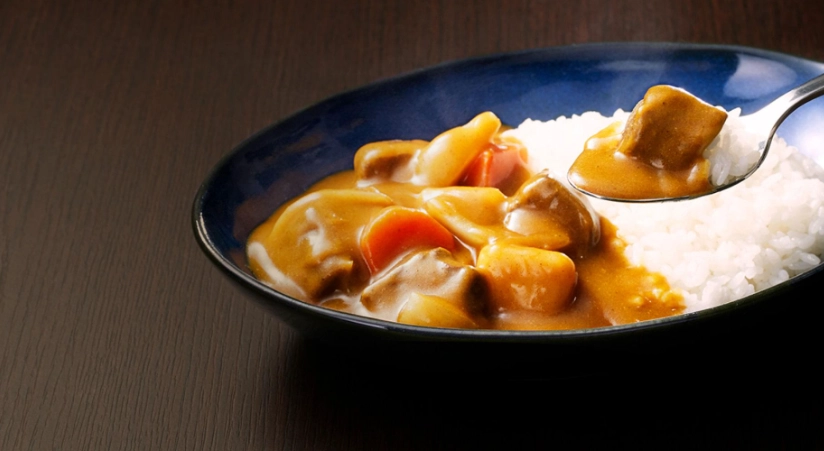
The Big Mistake: Adding the roux and then boiling the curry vigorously. This can break the emulsion, making the sauce oily or grainy. Always dissolve roux off the heat and finish with a gentle simmer.
Expert Tips & Common Mistakes to Avoid
Beyond the recipe, these nuances separate a good curry from a great one.
- Control Your Water: The box says add water, but start with slightly less than recommended. You can always add more to thin the sauce, but you can't take it out. I aim for a thick, gravy-like consistency that coats the back of a spoon.
- Bloom Your Own Spices (Optional Advanced Move): For an incredible depth, add ½ teaspoon of your own garam masala or a pinch of extra turmeric/cumin to the onions for the last 30 seconds of cooking before adding other ingredients. It wakes up the spices in the roux.
- The "Katsu" Rule: For curry with tonkatsu (breaded pork cutlet), always serve the sauce and rice separately (called "katsu-kare"). Pouring the sauce over the katsu immediately makes it soggy. Let people dip or pour at the table.
- Leftovers Are Better: Curry tastes best the next day. The flavors meld and deepen. Make a big pot on Sunday.
My Favorite Upgrade: A teaspoon of instant coffee granules or a square of dark chocolate (70%) stirred in at the end with the apple. It doesn't taste like coffee or chocolate; it adds a profound richness and rounds out the bitterness of the spices. Try it once and you'll never go back.
Where to Eat Fantastic Golden Curry
Sometimes you just want to eat, not cook. Here are two standout spots on opposite sides of the globe that do golden curry right.
| Restaurant | Location & Details | Signature Curry Dish | Price Point & Notes |
|---|---|---|---|
| Curry House Coco Ichibanya | 连锁店 (Chain). Multiple locations in Tokyo (e.g., Shinjuku, Shibuya). Open 11:00 AM - 11:00 PM. A national institution. | Pork Katsu Curry. You customize spice level (1-10), rice amount, and toppings like cheese, egg, or sausage. | ¥1,000 - ¥1,500 ($7-$11). The model of consistency and customization. Fast, reliable, and exactly what you crave. |
| Go! Go! Curry! | New York City (multiple locations, original in West Village). Open 11:00 AM - 10:00 PM. Inspired by Japanese baseball stadium curry. | The "Home Run" - Pork Katsu, chicken katsu, sausage, and shrimp over rice with curry sauce. | $12 - $18. Hearty, American-sized portions. The sauce is a bit sweeter and less complex than in Japan, but utterly satisfying. |
For a more upscale, from-scratch experience in Tokyo, seek out Curry Shop J in Jimbocho. It's tiny, often has a line, and their beef curry, simmered for days, is legendary. Expect to pay more (around ¥2,000) and wait, but it's a masterclass in flavor.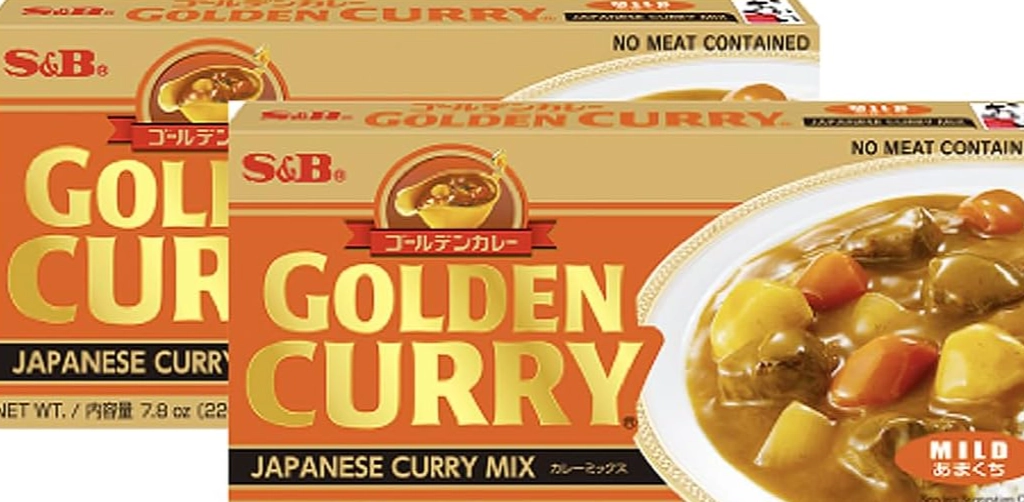
Your Golden Curry Questions Answered
Why does my homemade curry taste bland compared to restaurant curry?
You're likely not building enough base flavor before adding the roux. The roux is a seasoning, not the entire flavor. Caramelize your onions until they're jammy and brown. Sear your meat properly. Use a broth instead of plain water. That fond in the pot is where the soul of the dish lives. The restaurant probably also uses a custom-blended roux or adds extra ingredients like tomato paste, soy sauce, or Worcestershire sauce.
Can I make Japanese curry without the pre-made roux blocks?
Absolutely, but it's a different project. You'd need to make a roux from butter, flour, and your own spice blend (curry powder, garam masala, turmeric, etc.). It's more work and getting the balance right can be tricky. The pre-made blocks are a brilliant shortcut. If you want to go from scratch, look for recipes labeled "from scratch Japanese curry roux" from authoritative sources like Just One Cookbook or the website of a reputable Japanese cooking teacher.
 My curry sauce is too thin/watery. How do I fix it?
First, let it simmer uncovered for a bit longer; evaporation will thicken it. If it's still thin, make a small slurry with 1 tablespoon of flour or cornstarch and 2 tablespoons of cold water. Whisk this into the simmering curry. Alternatively, mash a few pieces of the cooked potato against the side of the pot and stir them in—the natural starch will thicken the sauce beautifully.
How long does leftover Japanese curry last in the fridge or freezer?
In the fridge, it keeps well for 3-4 days in a sealed container. The flavor improves. For freezing, it's one of the best freezer meals. Portion it into airtight containers, leaving some space for expansion. It will keep for 2-3 months. Potatoes can become a bit grainy after freezing, but the flavor is still excellent. Thaw overnight in the fridge and reheat gently on the stove, adding a splash of water if needed.
What are the best side dishes or toppings to serve with golden curry?
Beyond the classic tonkatsu, try a simple fukujinzuke (the sweet red pickle relish), a side of crisp Japanese potato salad, or a refreshing cucumber sunomono salad. A soft-boiled or onsen tamago (slow-cooked egg) on top is divine. For a quick crunch, some toasted panko breadcrumbs sprinkled over the rice before adding the curry adds great texture.
Reader Comments