In This Article
- What Makes Japanese Curry Special (And Perfect for Vegetarians)?
- Your First Mission: Finding (or Making) the Right Roux
- Building the Flavor Base: It's All About Umami
- Step-by-Step: My Foolproof Method for Japanese Curry Without Meat
- Beyond the Basic Bowl: Variations & Twists
- Navigating Common Questions & Pitfalls
- A Final Thought on Authenticity and Adaptation
Let's be honest. The first thing that pops into most people's minds when you say "Japanese curry" is a steaming plate of rice topped with a thick, brown sauce packed with chunks of beef, carrots, and potatoes. It's the classic kare raisu you find in countless homes and diners across Japan. But here's a little secret the meat-heavy menus don't always tell you: Japanese curry is one of the most forgiving and adaptable dishes for vegetarians and vegans out there. Seriously.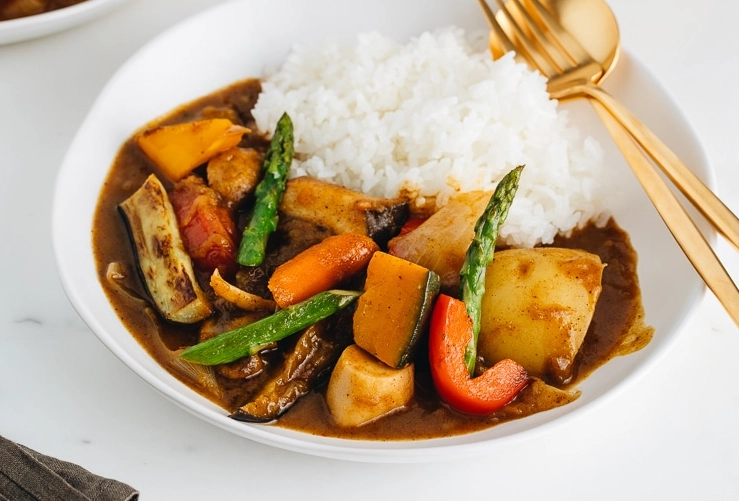
I remember the first time I tried to make a Japanese curry vegetarian style. I was hosting a dinner for friends with all sorts of dietary restrictions. The pressure was on. I stared at the block of standard curry roux, with its tiny print listing "animal fat" and "chicken extract," and panicked. Was it even possible to get that unique, deeply comforting flavor without the meat base? Turns out, not only is it possible, but a well-made vegetarian Japanese curry can be so rich and satisfying that you might not even miss the meat. That dinner was a success, by the way, and it kicked off a years-long obsession with perfecting the plant-based version of this national comfort food.
Japanese curry's flavor profile—a unique blend of spices like cumin, coriander, turmeric, fenugreek, and often a hint of sweetness—isn't inherently tied to meat. Its magic lies in the roux and the umami-rich vegetables you simmer in it. This is the golden ticket for anyone looking to create a fantastic Japanese curry without meat.
What Makes Japanese Curry Special (And Perfect for Vegetarians)?
Unlike Indian or Thai curries, which often rely on a base of fried spices, coconut milk, or complex pastes, Japanese curry is famously built on a roux. This pre-made block of flour, fat, and a meticulously balanced spice mix is what gives the curry its signature thick, gravy-like consistency and consistent flavor. It's a convenient starting point, but it's also where many vegetarians hit their first roadblock.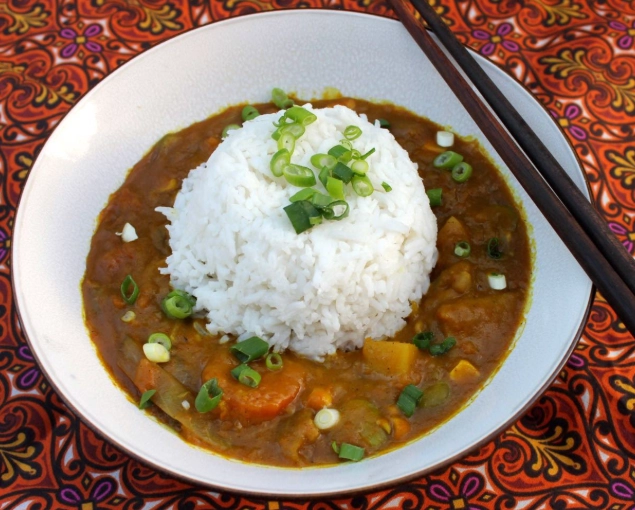
The most popular supermarket brands, like S&B Golden Curry or House Vermont Curry, often contain animal-derived ingredients. But don't let that stop you. The landscape has changed. There are now several brands making excellent vegetarian Japanese curry roux blocks, and the method for building flavor from scratch is simpler than you think.
Why does this style of curry work so well for plant-based cooking? The answer is in the texture and the cooking process. The long, slow simmering of root vegetables like potatoes, carrots, and onions allows them to break down slightly, releasing their natural sugars and starches. This process naturally thickens the sauce and creates a profound sweetness that balances the spices. You're not just omitting meat; you're building a new, vegetable-centric foundation of flavor.
Your First Mission: Finding (or Making) the Right Roux
This is the single most important step. Grab the wrong box, and your vegetarian Japanese curry dreams end before they begin.
Heads up: Always, always check the ingredients list on the back of the box, even if the front says "Vegetable Curry." Some brands sneak in fish powder (bonito) or animal-based fats. Look for terms like "consomme" which can be meat-based, or "animal fat."
After trying what feels like every box on the international aisle shelf, here's my breakdown of the best options for a vegetarian Japanese curry.
| Brand & Product | Vegetarian/Vegan Status | Flavor Profile & Notes | Where to Find |
|---|---|---|---|
| S&B Golden Curry (Mild/Med/Hot) | NOT Vegetarian (Contains Animal Fat, Chicken Extract) | The classic, ubiquitous flavor. Avoid for strict vegetarian cooking. | Everywhere |
| House Foods Vermont Curry (Apple & Honey) | NOT Vegetarian (Contains Animal Fat, Pork Extract) | Famous for its sweet, mild taste. Sadly, not plant-based. | Everywhere |
| Java Curry (by House Foods) | NOT Vegetarian (Contains Animal Fat) | Spicier and more aromatic. A no-go for our purposes. | Asian Grocers |
| S&B Golden Curry (Vegetable) | Lacto-Vegetarian Friendly* | Specifically formulated with vegetables. Contains dairy (butter, milk). A solid, easy choice. | Larger Supermarkets, Online |
| Kokumaru Curry Roux (Vegetable) | Vegan-Friendly* (Check specific variety) | Less common but excellent. Some varieties are fully plant-based. Rich, complex spice blend. | Specialist Japanese Grocers, Online |
| Glico Curry (Vegetable) | Lacto-Vegetarian Friendly* | Another good mainstream "vegetable" option. Often contains dairy. | Asian Grocers |
| Homemade Roux (Your Kitchen!) | Fully Customizable (Vegan) | The ultimate control. Blend flour, oil/vegan butter, and your own curry powder/garam masala. | N/A |
*Always double-check the latest packaging, as recipes can change.
My personal go-to for a quick weeknight meal is the S&B Golden Curry Vegetable mix. It's reliable, tastes great, and is easy to find. But when I have a bit more time, making the roux from scratch is unbeatable. You can toast the spices yourself, control the salt and sweetness, and make it 100% vegan. It's a game-changer.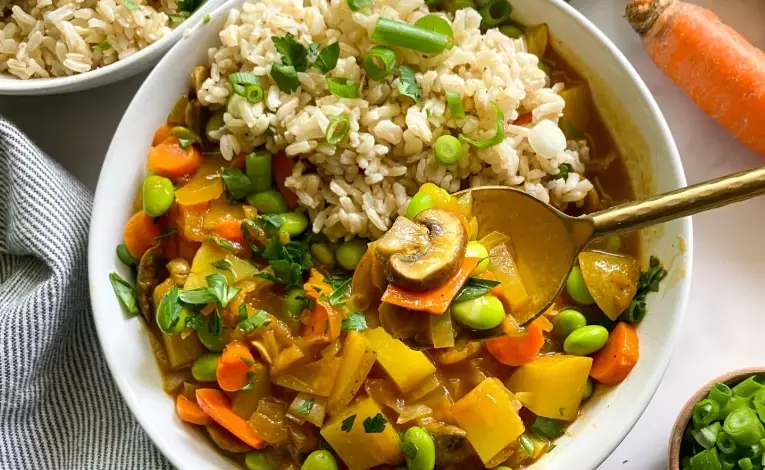
The Homemade Roux Shortcut (It's Easier Than You Think)
Don't be intimidated. A basic homemade roux for your Japanese vegetarian curry takes about 10 minutes and uses pantry staples.
Simple Vegan Japanese Curry Roux:
- 4 tbsp neutral oil or vegan butter
- 6 tbsp all-purpose flour
- 2 tbsp Japanese curry powder (S&B makes one) OR 1.5 tbsp garam masala + 0.5 tbsp turmeric
- 1 tsp garlic powder
- 1 tsp onion powder
- 1 tbsp tomato paste (for color and depth)
- 1 tbsp soy sauce or tamari
- 1-2 tsp maple syrup or sugar (to taste)
How-to: Melt the fat in a saucepan over medium-low heat. Whisk in the flour and cook, stirring constantly, for 5-7 minutes until it turns a light peanut butter color (this is a "blond roux"). This cooks out the raw flour taste. Reduce heat to low. Quickly whisk in all the spices and powders until fragrant, about 30 seconds. Whisk in the tomato paste, then the soy sauce and sweetener. It will form a thick paste. Scrape it into a bowl and let it cool. You can break it into chunks once solid. That's it—your own vegetarian Japanese curry roux blocks, ready to go.
Building the Flavor Base: It's All About Umami
Okay, you've got your roux sorted. Now, how do you make a vegetarian Japanese curry that doesn't taste like it's missing something? The answer is umami, the savory "fifth taste." In a traditional meat curry, the beef or chicken provides this. In our version, we need to be clever.
The holy trinity of Japanese curry is onions, carrots, and potatoes. But for a vegetarian Japanese curry, we need to expand that pantheon. Here’s how I think about building layers of flavor.
The goal is not to mimic meat, but to create a curry so hearty and satisfying in its own right that the question of meat becomes irrelevant.
The All-Star Cast of Vegetables
Not all veggies are created equal for this job. You want a mix that provides sweetness, body, and those crucial savory notes.
- Sweet Potatoes & Pumpkin (Kabocha): These are secret weapons. They dissolve into the broth as they cook, creating an incredibly thick, creamy, and slightly sweet sauce. I almost always add chunks of sweet potato to my base.
- Mushrooms, Mushrooms, Mushrooms: Shiitake, king oyster, or even cremini mushrooms are umami bombs. Sauté them well until they brown and release their juices. Dried shiitakes, soaked, with their soaking liquid added to the broth, are a next-level trick.
- Eggplant: Diced and sautéed until soft, eggplant soaks up the curry flavors and adds a wonderful, melt-in-your-mouth texture.
- Bell Peppers & Green Beans: Add these towards the end for a pop of color and a bit of crunch. They brighten up the whole dish.
- Cauliflower or Broccoli: Great for bulking it out. Add in the last 5-7 minutes of cooking so they stay slightly firm.
Protein Power for a Hearty Meal
Sometimes you just want something more substantial. A great vegetarian Japanese curry can easily accommodate plant-based proteins.
Firm or Extra-Firm Tofu: This is my top pick. The key is to press it and pan-fry it until golden and crispy on the outside before adding it to the simmering curry in the last few minutes. If you just dump soft tofu in, it'll crumble and make the curry murky. Fried tofu cubes add fantastic texture.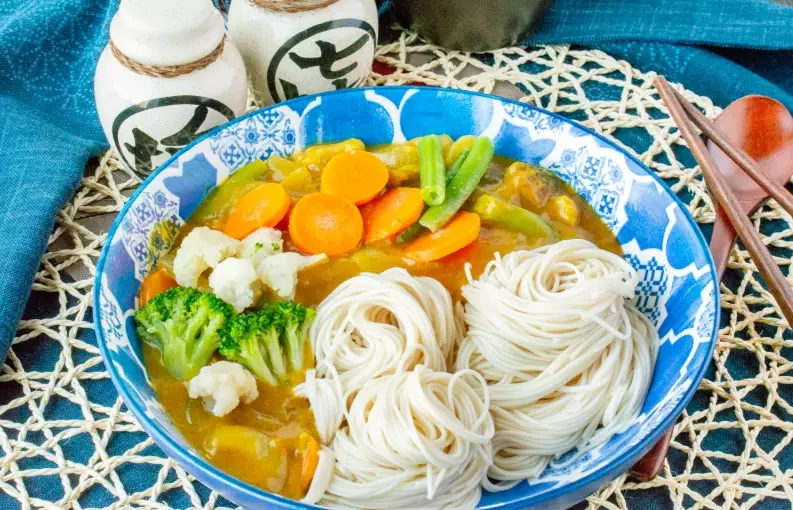
Chickpeas or Lentils: Canned chickpeas, rinsed and drained, can be stirred in at the end. They hold their shape and add a pleasant bite. Red lentils, cooked separately until just tender, can be folded in to thicken the sauce and add protein (they'll mostly dissolve).
Store-bought Plant-based "Meats": I'm a bit torn on these. Some brands of vegan "chicken" or "beef" chunks can work if seared first, but others turn rubbery or have a strong aftertaste that clashes with the delicate curry spices. I'd say use them sparingly if you must, but focus on the vegetables first.
Pro-Tip for Deep Flavor: Caramelize your onions. Seriously, don't just sauté them until translucent. Cook them low and slow for 20, even 30 minutes, until they collapse into a deep, sweet, jammy brown mess. This one step adds more depth to your vegetarian Japanese curry than almost any other.
Step-by-Step: My Foolproof Method for Japanese Curry Without Meat
Let's put it all together. Here’s exactly how I make my standard pot, which feeds 4-6 people generously.
Stage 1: The Foundation (20-30 mins)
- Dice 2 large onions. In a large, heavy-bottomed pot, heat 2 tbsp of oil over medium-low heat. Add the onions with a pinch of salt. Cook, stirring occasionally, for at least 20 minutes until deeply caramelized. Don't rush this.
- While the onions cook, chop 2 carrots into bite-sized chunks, 2-3 potatoes (or 1 large sweet potato), and 150g of mushrooms. Press and cube a block of firm tofu if using.
- Once onions are golden brown, add 2 minced garlic cloves and 1 tbsp of grated ginger. Cook for 1 minute until fragrant.
Stage 2: The Simmer (15-20 mins)
- Add the carrots, potatoes, and mushrooms to the pot. Stir to coat in the onion mixture.
- Pour in 1 liter of vegetable broth. Use a good-quality one, or make a quick one with water + 1 tbsp soy sauce + 1 tsp mushroom powder. Bring to a boil, then reduce to a simmer. Skim off any foam.
- Let it simmer, uncovered, for about 15 minutes, or until the potatoes and carrots are just tender when pierced with a fork.
This simmering time is when the magic happens—the vegetables infuse the broth.
Stage 3: The Finish (5 mins)
- Turn the heat down to low. If you're using pan-fried tofu or chickpeas, add them now.
- Break your vegetarian Japanese curry roux blocks into small pieces and whisk them into the simmering broth, one piece at a time, until fully dissolved and the sauce has thickened. If using homemade roux paste, just whisk it in.
- Let it bubble gently for another 2-3 minutes to cook the flour in the roux. Taste! Adjust seasoning with a splash of soy sauce for salt/umami, a bit of apple or honey/maple syrup for sweetness, or a pinch of cayenne for heat.
- Turn off the heat and let it sit for 10 minutes. This resting time allows the flavors to marry and the sauce to thicken to its perfect consistency.
Serve it over a mound of steaming white rice, with a side of fukujinzuke (the bright red pickled vegetable relish) if you can find it. That salty, crunchy contrast is everything.
Beyond the Basic Bowl: Variations & Twists
The classic kare raisu (curry rice) is just the beginning. Once you've mastered the basic vegetarian Japanese curry, the world is your oyster mushroom.
Katsu Curry (Vegetarian Style)
The ultimate comfort food. Instead of a pork or chicken cutlet, use a thick slice of pan-fried extra-firm tofu, a breaded portobello mushroom cap, or even a plant-based cutlet. Pour the hot curry sauce over the crispy katsu and rice. The combination of crunchy, creamy, and savory is unreal.
Curry Udon
Thin out your leftover curry slightly with a bit of extra vegetable broth or water until it's a soupy consistency. Heat it up and pour it over cooked, thick udon noodles in a bowl. Top with green onions and maybe a soft-boiled egg (if you're ovo-vegetarian). A completely different, slurpable experience.
Dry Curry (Soboro Curry)
This is a minced "dry" style curry. Sauté crumbled firm tofu or textured vegetable protein (TVP) with onions, carrots, and peas in a skillet. Season heavily with curry powder and a little soy sauce until it's crumbly and fragrant. Serve it over rice. It's quick, light, and perfect for a bento lunch.
Navigating Common Questions & Pitfalls
A Final Thought on Authenticity and Adaptation
Some purists might raise an eyebrow at the idea of a vegetarian Japanese curry. But food evolves. Curry itself was an adaptation—a foreign dish welcomed and transformed by Japanese cuisine over a century ago. According to resources from the Japanese Ministry of Agriculture, Forestry and Fisheries (MAFF), curry is so deeply integrated it's considered a national dish. Making it vegetarian is just the next step in its story.
I've found that the core spirit of Japanese home cooking—making something nourishing, comforting, and delicious with what you have—is perfectly captured in a well-made pot of vegetarian curry. It's resourceful, it's flexible, and it brings people together. The Japan Curry Association even celebrates the dish's versatility, highlighting its role in family meals.
So, don't be afraid to experiment. Throw in that half-head of cauliflower. Use chickpeas instead of tofu. Add a spoonful of peanut butter for a crazy-rich twist (trust me, it works). The framework of Japanese curry is sturdy enough to hold your creativity.
Start with a good vegetarian roux, take your time with the onions, load up on umami-rich vegetables, and simmer it all with care. What you'll get is more than just a meal. You'll get a pot of steaming, spiced comfort that proves, without a doubt, that Japanese curry doesn't need meat to be utterly soul-satisfying.
Now, go raid your vegetable drawer. Your new favorite dinner is waiting.
Reader Comments