What You'll Find
Let's be honest. The first time I tried to make Japanese style curry chicken, it was a disaster. I thought, how hard could it be? It comes in a box, for goodness' sake. I threw some chicken and potatoes in a pot, dumped in the curry bricks, and ended up with something that tasted... fine, I guess. But it wasn't right. It was thin, a bit bland, and nothing like the rich, velvety, deeply comforting bowls I'd had in little Tokyo restaurants or seen in anime.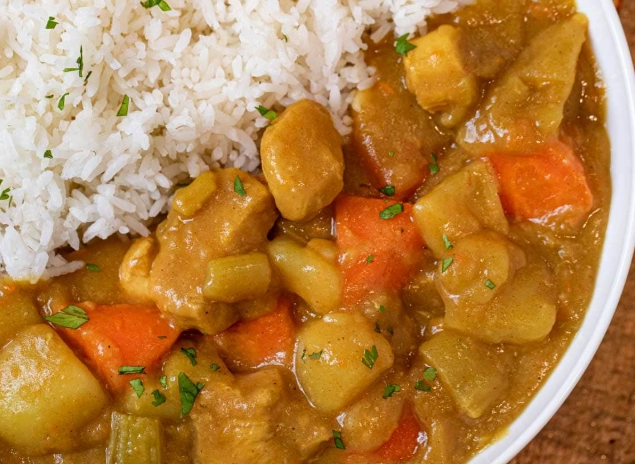
That was years ago. Since then, I've made it maybe a hundred times. I've talked to chefs, read Japanese cookbooks (well, the translated ones), and burned my fair share of onions to a crisp. This isn't just a recipe. It's everything I wish someone had told me when I started. All the little secrets that turn a simple boxed meal into something truly special. If you're looking for that perfect, restaurant-quality Japanese style curry chicken at home, you're in the right place.
What Makes It "Japanese" Style Anyway? It's not like Indian or Thai curry. Japanese curry is its own thing—milder, sweeter, thicker, and often with a fruit-based undertone. It's a national comfort food, served in homes, schools, and even the Japanese military. The beauty of Japanese style curry chicken is its incredible balance: savory, subtly sweet, and utterly hearty.
The Foundation: Deconstructing the Japanese Curry Roux
This is where the magic—and the confusion—starts. Most of us begin with the store-bought roux blocks. They're a fantastic shortcut, but not all are created equal.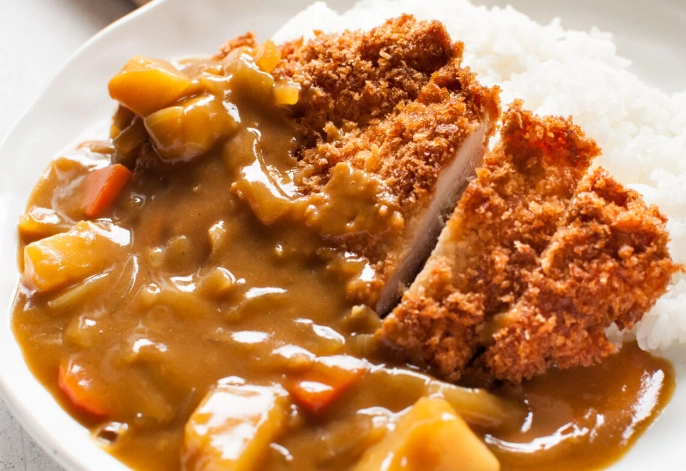
You've got the big brands: S&B Golden Curry, House Foods Vermont Curry, and Java Curry. Golden Curry is the classic, savory and straightforward. Vermont Curry (my personal favorite for family meals) adds apple and honey for a sweeter, milder kick. Java Curry goes for a more adult, spicier profile. Trying them all is half the fun.
But here's a controversial opinion: sometimes, the boxed stuff can taste a bit... processed. If you really want to level up, making your own roux is easier than you think. It's just butter, flour, and a ton of spices (curry powder, garam masala, turmeric) cooked together until it smells incredible. The control you get is unreal. You can read about the fascinating history and evolution of curry in Japan on the official site of the Japanese Ministry of Agriculture, Forestry and Fisheries (MAFF), which highlights its integration into Japanese food culture.
| Brand | Flavor Profile | Best For | My Honest Take |
|---|---|---|---|
| S&B Golden Curry | Classic, savory, well-balanced | Beginners, purists | The reliable workhorse. Never fails, but rarely wows. |
| House Vermont Curry | Sweeter, milder, fruity (apple & honey) | Kids, those who dislike spice | My go-to for a crowd-pleaser. The sweetness can mask other flavors if you're not careful. |
| House Java Curry | Spicier, more complex, aromatic | Adventurous eaters, spice lovers | The "grown-up" choice. Really adds depth, but check the spice level—it varies. |
| Homemade Roux | Fully customizable, fresh, no preservatives | Food enthusiasts, control freaks | A weekend project. The flavor is brighter, but it's extra work. Worth it for special occasions. |
My Step-by-Step Process (Where Most Guides Get It Wrong)
Forget just boiling everything together. The order of operations is everything for a rich Japanese style curry chicken.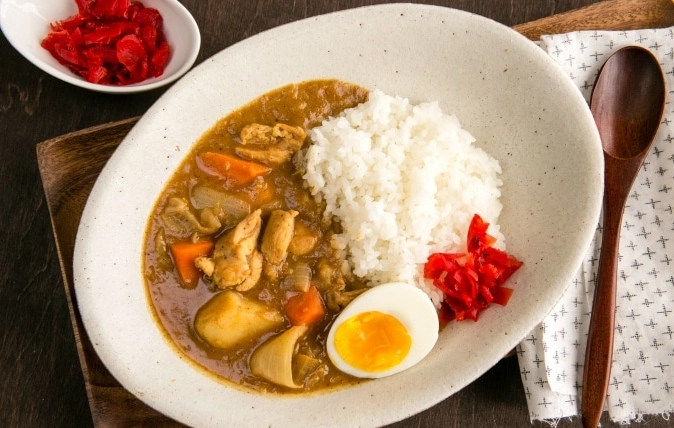
The Holy Trinity: Onions, Carrots, Potatoes
This is non-negotiable. But size matters. Cut your onions thin. I mean it. You're going to cook them low and slow until they practically melt—this caramelization is the number one secret to a deep, sweet base. Carrots and potatoes should be in hearty, bite-sized chunks. Too small, and they'll disintegrate. Too big, and they won't cook through.
Use a starchy potato like Russet or Yukon Gold. They break down a little at the edges and thicken the curry beautifully.
The Protein: Chicken Choices
Boneless, skinless chicken thighs. Always. Breast meat gets dry and stringy in the long simmer. Thighs stay juicy and flavorful. Cut them into chunks slightly larger than your vegetables so they don't get lost.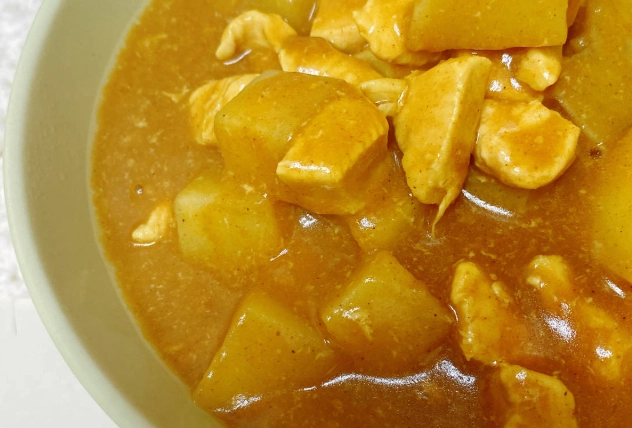
Here's a trick: don't just stew the raw chicken. Give the chunks a quick sear in the pot first, in a little oil, until they get some color. Take them out, set them aside. You build flavor in layers. That fond (the brown bits at the bottom of the pot) is liquid gold.
Pro Move: After searing the chicken and sautéing the onions, add a tablespoon of tomato paste and a grated apple (yes, really!). Cook it for a minute until it darkens. This adds an unbelievable layer of umami and natural sweetness that complements the Japanese curry roux perfectly.
The Simmer & The Thicken
After you've built your base (caramelized onions, seared chicken, toasted tomato paste), add the carrots and potatoes back in. Cover with water or, even better, a low-sodium chicken broth. Bring to a simmer and let it go until the vegetables are just tender.
Now, turn off the heat. This is critical. Break your curry roux blocks into small pieces and whisk them in. If the liquid is boiling, the roux won't blend smoothly—you'll get lumps. Whisk until it's completely dissolved, then turn the heat back to low and let it simmer gently for another 10-15 minutes. Watch it transform into that iconic, glossy, thick sauce.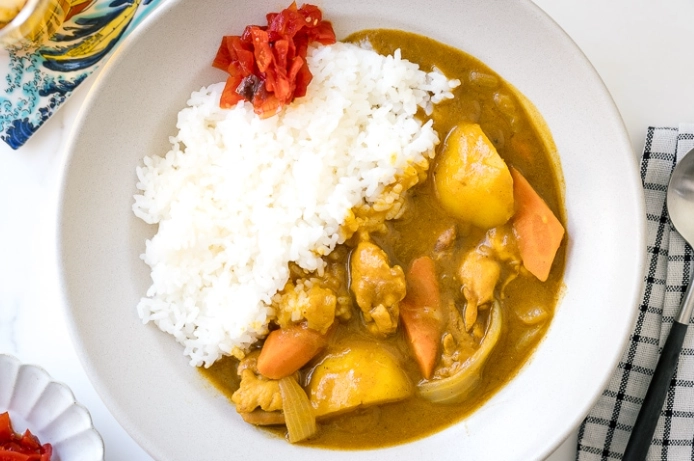
Why does Japanese style curry chicken thicken so much as it cools? It's the roux (the flour and fat) and the starch from the potatoes. Don't panic if it seems thin at first. Let it sit for a few minutes off the heat.
The Flavor Boosters: From Good to "Can I Have Your Recipe?"
The box instructions are a starting point. To make your Japanese style curry chicken sing, you need secret weapons.
- Umami Bombs: A splash of soy sauce. A teaspoon of Worcestershire sauce. A dash of fish sauce (trust me, you won't taste fish, just depth). A tablespoon of ketchup or tonkatsu sauce. These add savory complexity.
- Sweetness Balancers: Grated apple, a spoonful of honey, or even a square of dark chocolate. The chocolate is a game-changer—it adds richness and rounds out the spices without making it taste chocolatey.
- Acidity & Brightness: A tiny squeeze of lemon juice or a teaspoon of rice vinegar right at the end. It cuts through the richness and makes all the flavors pop.
- Spice It Up: If you like heat, add a pinch of cayenne, some shichimi togarashi (Japanese seven-spice), or even a bit of grated fresh ginger with the onions.
Common Pitfalls & How to Avoid Them
I've made these mistakes so you don't have to.
The Curry is Too Watery: You added too much liquid or didn't simmer long enough after adding the roux. Fix: Simmer uncovered to reduce, or make a small slurry of cornstarch and water to thicken it gently.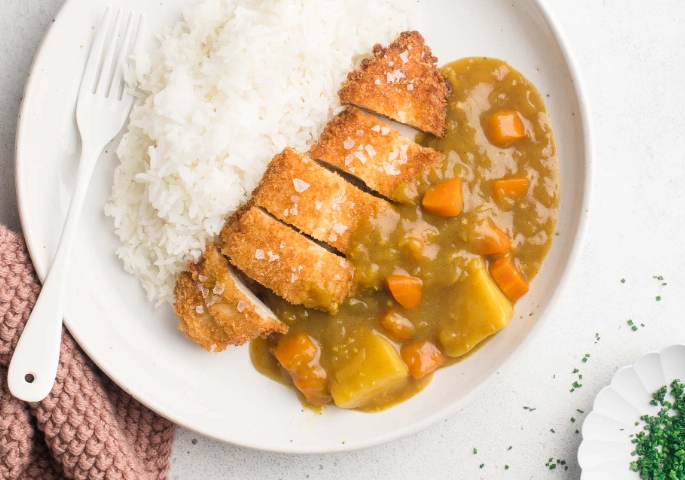
The Curry is Too Thick/Gluey: You used too much roux or overcooked the roux itself (if homemade). Fix: Simply add a bit of hot water or broth and whisk it in.
The Vegetables Are Mushy: You overcooked them before adding the roux, or you cut them too small. Cut them chunkier and add them later in the simmering process.
The Flavor is Flat: You didn't season each layer. Salt your chicken before searing. Season the vegetables. And you probably skipped the caramelized onions and umami boosters. Don't just rely on the roux block for all the flavor.
Storage Truth: Japanese style curry chicken tastes even better the next day. The flavors marry and deepen. It keeps in the fridge for 3-4 days and freezes beautifully for up to 3 months. Freeze it in portions for the ultimate quick meal.
Answering Your Burning Questions (FAQ)
The Final Bowl: Serving & Customization
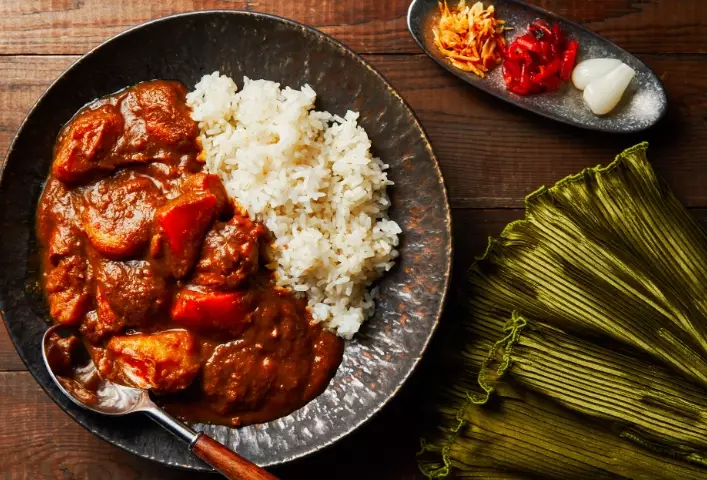
Presentation matters. A mound of steaming rice on one side of a deep bowl, the glorious Japanese style curry chicken ladled next to it. The classic garnish is fukujinzuke (a sweet-pickled vegetable relish), but a simple sprinkle of fresh parsley or green onion works.
Feel like experimenting? Try a katsu curry (top with a crispy, deep-fried pork or chicken cutlet). Or a dry curry, which is more of a saucy minced meat dish served over rice. You can add other veggies like green peppers, peas, or spinach right at the end of cooking.
So there you have it. My entire, slightly obsessive, trial-and-error-filled guide to Japanese style curry chicken. It's more than just dinner; it's a project that fills your home with the most incredible smell. It's forgiving, customizable, and the definition of comfort food.
Start with the box. Master the basics—the caramelized onions, the seared chicken thighs, the off-heat roux whisking. Then start playing with the add-ins. A little chocolate today, some ginger tomorrow.
Before you know it, you'll have your own signature version. And you'll never look at that little golden box the same way again. It's not just a shortcut. It's a launchpad for something delicious.
Reader Comments