In This Guide
Let's be honest. The first time I tried to make a Japanese beef curry recipe, it was a disaster. The meat was tough, the sauce was watery, and it tasted nothing like the rich, velvety curry I fell in love with in a tiny Tokyo restaurant. I used a store-bought roux block, followed the package instructions to the letter, and still ended up with something... disappointing. That experience sent me down a rabbit hole. I asked friends in Japan, pored over cooking forums (the old-school ones, not just quick videos), and spent more weekends than I care to admit experimenting. What I learned is that while those curry blocks are convenient, the magic happens when you understand the why behind each step.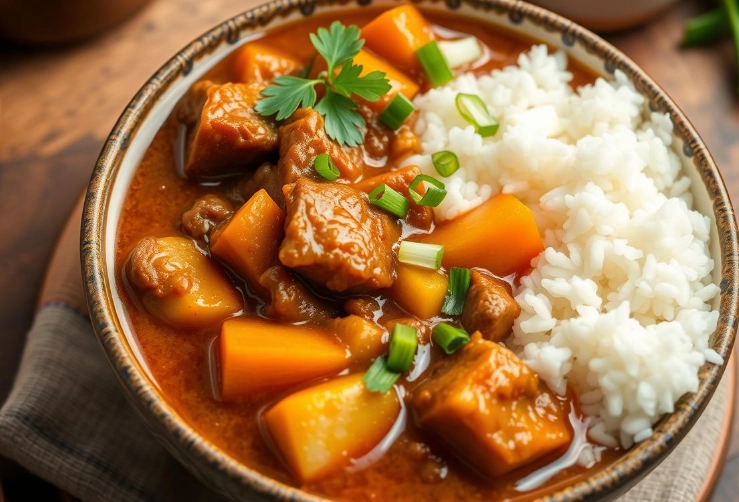
This isn't just another list of ingredients and instructions. This is the guide I wish I had. We're going to build flavor from the ground up. Whether you're using a trusted brand like S&B or House Foods curry roux or daring to make your own from scratch, the principles are the same. It's about layering tastes and textures to create that iconic, deeply satisfying comfort food. Forget the bland, gloopy stuff. We're aiming for a curry with complex sweetness, savory depth, and tender beef that falls apart at the touch of a spoon.
So, why does this Japanese beef curry recipe work so well? It's the perfect storm of technique and patience. We'll get into all of that.
What You'll Need: The Foundation of Flavor
Gathering your ingredients is the first step. You might have most of this already. The beauty of a good Japanese beef curry recipe is its adaptability, but starting with the right foundation is key. Let's break it down.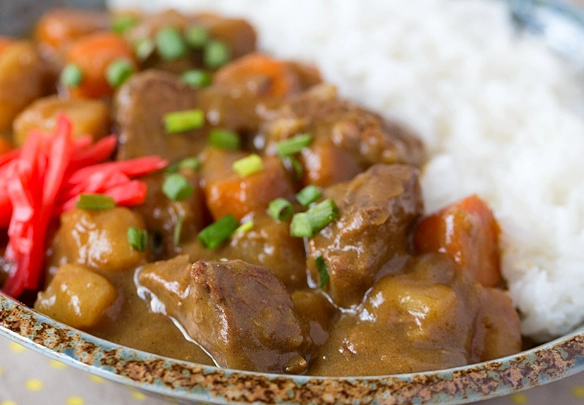
The Beef: Choosing Your Star Player
This is where many recipes go wrong. You need a cut with connective tissue and fat that will break down and melt into the sauce during the long, slow cook. Lean cuts like sirloin will just become tough and dry.
My top picks, in order of preference:
- Chuck Roast or Chuck Steak: The absolute champion. Well-marbled, flavorful, and becomes incredibly tender. It's my go-to for a reliable, fantastic result every single time.
- Brisket: Requires a longer cook but rewards you with immense flavor and tenderness. Trim some, but not all, of the fat.
- Boneless Short Ribs: Incredibly rich and beefy. A bit more expensive, but a special treat.
- Stewing Beef (pre-cut): A convenient option. Just make sure the pieces aren't cut too small, or they'll overcook and shrink into little nuggets.
I made the mistake once with a lean top round. It was like chewing on flavorful leather. Never again. Go for the chuck.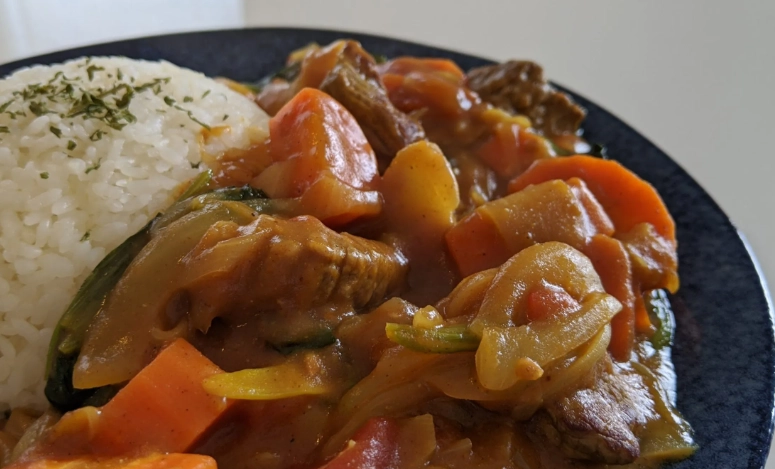
The Aromatics & Vegetables: The Supporting Cast
This is the holy trinity of Japanese curry, known as "sofrito" or simply the base.
- Onions (2-3 large): This is non-negotiable. You need a lot. We're going to cook them down until they're deeply caramelized and sweet. This is the single most important step for building a rich, sweet base. Don't rush it.
- Carrots (2 medium): Cut them into "rangiri" style—rolling cuts that create uneven pieces. This gives more surface area and helps them cook evenly, releasing their sweetness into the broth.
- Potatoes (2-3, like Yukon Gold or Russet): Added later so they don't disintegrate. Cut them larger than the carrots so they finish cooking at the same time.
- Garlic & Ginger (minced): Fresh is best. About 2-3 cloves of garlic and a 1-inch knob of ginger.
The Liquid & Seasoning
- Beef Broth/Stock (4-5 cups): Use a good-quality, low-sodium broth. It makes a difference. Water works in a pinch, but broth adds another layer of savoriness (umami).
- Tomato Paste (1 tbsp): A little secret for depth and a touch of acidity.
- Japanese Curry Roux (1 box, or homemade): This is your flavor pack. Brands vary in sweetness and heat. S&B Golden Curry is a classic, medium-spice standard. House Foods Java Curry is richer and more complex. Vermont Curry is sweeter. Try a few to find your favorite.
- Optional Enhancers: A splash of soy sauce (for salt and umami), a teaspoon of instant coffee or a square of dark chocolate (for depth, not sweetness), a grated apple or a tablespoon of honey (for balancing sweetness).
The Step-by-Step Process: Where the Magic Happens
Alright, let's cook. Clear your counter, put on some music, and give yourself a good 2 to 2.5 hours. Most of that is unattended simmering time, perfect for doing the dishes or, you know, relaxing.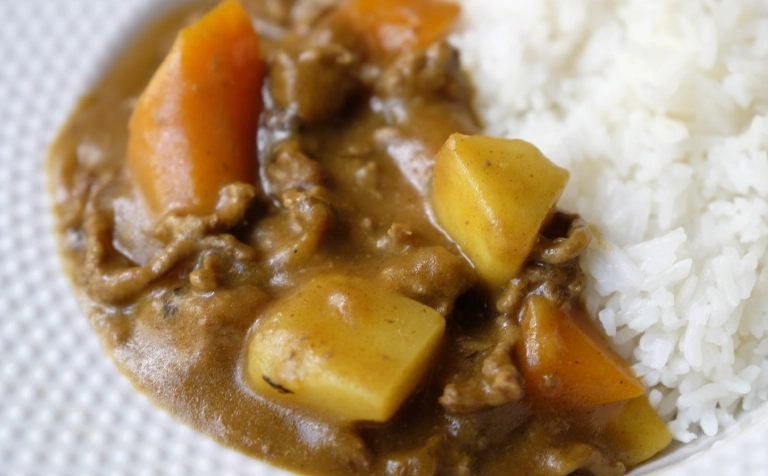
Step 1: Prepare and Brown the Beef
Pat your beef chunks completely dry with paper towels. This is crucial for getting a good sear, not a steam. Season generously with salt and pepper. Heat a tablespoon or two of a neutral oil (like canola or vegetable) in a large, heavy-bottomed pot or Dutch oven over medium-high heat. Don't crowd the pan—work in batches if you have to. We're not cooking the beef through, just creating a beautiful, brown crust on all sides. This "fond" (the browned bits stuck to the bottom of the pot) is pure flavor gold. Remove the beef and set it aside.
Pro Tip: Don't move the beef around right away. Let it sit for a minute or two to develop that crust. If it sticks, it's not ready to release. A proper sear is the first major flavor layer in your Japanese beef curry recipe.
Step 2: The Onion Marathon (It's Worth It)
In the same pot, add a bit more oil if needed and toss in all your sliced onions. Lower the heat to medium-low. Now, you cook them. And cook them. And cook them some more. Stir occasionally. At first, they'll sweat and soften. Then they'll start to turn golden. Keep going. We're aiming for a deep, even caramel color. This can take 30 to 45 minutes. Yes, really.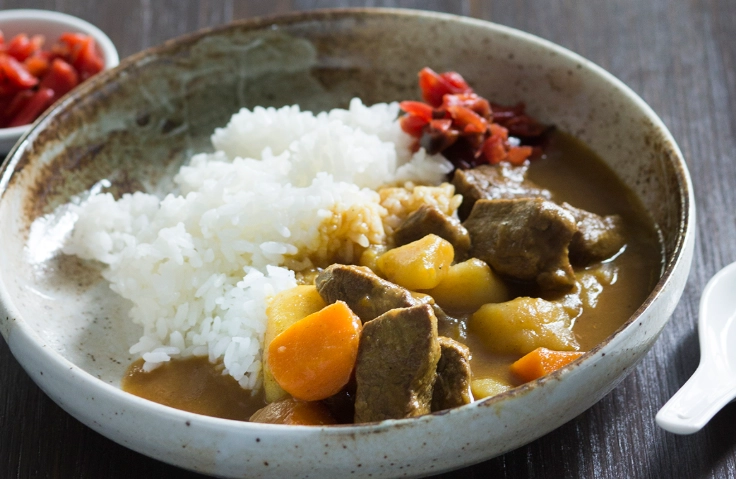
I know it's tempting to speed this up. Don't. This slow caramelization is what gives the curry its signature sweet, profound base. It's the difference between a good curry and a great one. Once they're a lovely deep brown and jammy, add the minced garlic and ginger and cook for another minute until fragrant.
I used to skip this long caramelization. I'd give the onions 10 minutes and call it good. My curry was always missing something—that deep, rounded sweetness. Once I committed to the full caramelization, everything changed. The flavor was completely different, in the best way possible.
Step 3: Building the Broth
Add the tomato paste to the onions and stir for a minute. Then, pour in a cup of your beef broth and use a wooden spoon to scrape up all the delicious browned bits from the bottom of the pot. This is called deglazing, and it incorporates all that flavor back into the sauce. Return the seared beef (and any juices) to the pot. Add the remaining broth and the carrots. The liquid should just about cover everything. Bring it to a simmer, then reduce the heat to low.
Cover the pot, but leave the lid slightly ajar. Let it simmer gently for at least 1 hour, or until the beef is fork-tender. Skim off any foam or excess fat that rises to the top during the first 20 minutes for a cleaner-tasting sauce.
Step 4: Adding Potatoes and Final Simmer
After the beef is tender, add your chunked potatoes. Simmer for another 20-30 minutes, uncovered or partially covered, until the potatoes are cooked through but not falling apart.
Step 5: The Grand Finale: Incorporating the Roux
This is a critical moment. Turn off the heat. Break your curry roux blocks into smaller pieces. If you're using a whole box, start with 3/4 of it. Whisk the roux pieces into the hot broth, one or two at a time, until fully dissolved. The sauce will thicken beautifully.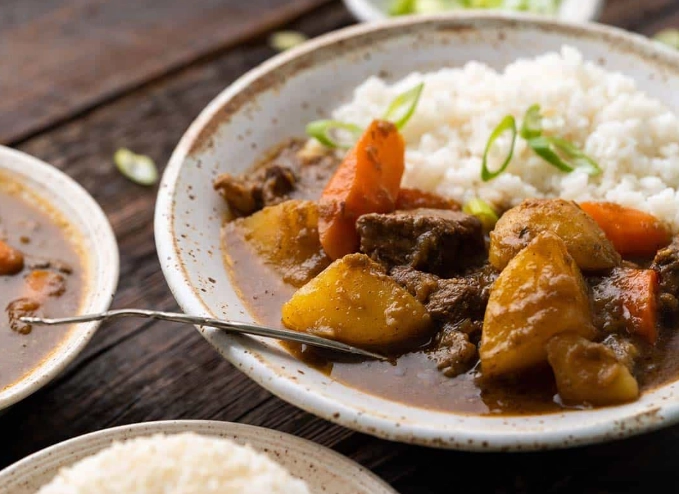
Common Mistake Alert: Never add the curry roux while the pot is on a rolling boil. The high heat can cause the roux to seize up or become grainy instead of silky smooth. Always turn off the heat first.
Now, taste. This is where you customize. Need more salt? Add a splash of soy sauce. Want it sweeter? A bit of honey or grated apple. More savory depth? A pinch of instant coffee granules. Thicker? Dissolve a little more roux in a ladle of hot sauce and stir it in. Thinner? Add a splash of hot water or broth.
Let the curry sit, off the heat, for about 10-15 minutes. This resting time allows the flavors to marry and the consistency to perfect itself. It will thicken slightly as it cools.
Common Questions & Troubleshooting (The FAQ You Actually Need)
I've gotten a ton of questions over the years. Here are the real ones, not the fluffy stuff.
Can I make this Japanese beef curry recipe in a slow cooker or Instant Pot?
Absolutely, but with adjustments. For a slow cooker, do the searing and onion caramelization in a pan first (this step is too important to skip), then transfer everything except the potatoes and roux to the cooker. Cook on low for 7-8 hours. Add potatoes in the last hour. Stir in the roux at the end.
For an Instant Pot, use the sauté function for searing and caramelizing. Then add everything except potatoes and roux. Pressure cook on high for 35-40 minutes, natural release for 10 minutes. Quick release, add potatoes, sauté function to simmer for 10-15 minutes until potatoes are tender. Off heat, stir in roux.
My curry is too thin / too thick. Help!
Too thin: Create a slurry with a tablespoon of cornstarch or flour and two tablespoons of cold water. Stir this into the simmering curry and cook for 2-3 minutes until thickened. Alternatively, just simmer it uncovered for longer to reduce.
Too thick: Simply stir in hot water, broth, or even a bit of milk or coconut milk, a quarter cup at a time, until it reaches your desired consistency.
Can I use chicken or pork instead?
Of course! The technique is similar. For chicken, use boneless, skinless thighs (breasts will dry out). For pork, shoulder (butt) is perfect. Adjust the initial simmering time accordingly—chicken will need less time than beef or pork.
How do I store and reheat leftovers?
Japanese curry tastes even better the next day. Let it cool completely, then store in an airtight container in the fridge for up to 4 days. Reheat gently on the stovetop over low heat, adding a splash of water if it's too thick. It also freezes beautifully for up to 3 months. Freeze in portion-sized containers for easy meals.
What's the deal with the chocolate, coffee, or apple?
These are "secret ingredients" many home cooks in Japan use. They aren't meant to make the curry taste like chocolate or coffee. Instead, they add a layer of complex bitterness and richness that balances the sweetness of the onions and carrots, making the overall flavor profile more rounded and sophisticated. Start with a tiny amount—a teaspoon of instant coffee or a small square of dark chocolate (70% cacao). You shouldn't be able to identify it, just notice the curry tastes somehow "deeper."
Taking It Further: Homemade Roux & Serving Ideas
Once you've mastered the basic Japanese beef curry recipe, you might want to play.
Making Your Own Curry Roux From Scratch
It's easier than you think and gives you complete control over flavor and spice level. The base is a mixture of fat (butter or oil), flour, and a blend of spices you toast yourself.
| Spice | Typical Amount (for a batch) | Purpose |
|---|---|---|
| Curry Powder | 3-4 tbsp | The main flavor base. Use a good quality brand. |
| Garam Masala | 1-2 tbsp | Adds warm, complex spice notes. |
| Turmeric | 1 tsp | For color and earthy flavor. |
| Cumin | 1 tsp | Earthy, nutty warmth. |
| Coriander | 1 tsp | Citrusy, floral notes. |
| Cayenne or Chili Powder | 1/2 tsp (or to taste) | Controls the heat level. |
Melt 4-5 tablespoons of butter in a pan. Whisk in 1/4 cup of flour and cook over low heat, stirring constantly, until it turns a light golden brown (this is a blond roux). Add all your spices and cook for another minute until incredibly fragrant. Let this paste cool, and you have your homemade roux. Use it just like the store-bought blocks. The flavor is brighter and more aromatic.
The act of toasting your own spices for a homemade roux transforms the kitchen. The aroma is incredible—it's the smell of building flavor from its most fundamental parts. It connects you to the dish in a way a pre-packaged block simply can't.
How to Serve Your Masterpiece
A mound of short-grain Japanese rice (like Japonica rice) is the classic and perfect partner. The sticky texture holds the sauce beautifully. But don't stop there:
- Katsu Curry: Top with a crispy, deep-fried pork or chicken cutlet (tonkatsu or chicken katsu).
- Curry Udon: Serve the curry over thick, chewy udon noodles instead of rice.
- With Pickles: A side of fukujinzuke (red pickled vegetables) or rakkyō (pickled scallions) adds a crunchy, tangy contrast that cuts through the richness.
- With a Soft-Boiled Egg: A halved, jammy soft-boiled egg on top is pure luxury.
The goal is comfort, satisfaction, and a meal that feels like a hug.
Look, at the end of the day, a great Japanese beef curry recipe is about more than just following steps. It's about understanding how each ingredient and each stage of cooking contributes to the final bowl. It's forgiving. If your onions aren't perfectly caramelized, it'll still be tasty. If you only have stewing beef, it'll work. The framework is robust. Start with this guide, make it once, then make it your own. Adjust the sweetness, the heat, the vegetables. Add mushrooms or green peppers. That's how home cooking evolves. You're not just making dinner; you're creating a staple, a dish you'll return to again and again, each time maybe a little differently, but always with that same soul-warming result. Now, go grab that chuck roast and get those onions sizzling. Your perfect bowl of curry is waiting.
Reader Comments