You've probably heard of it. A bowl of steaming rice, a raw egg cracked on top, a splash of soy sauce. Tamago kake gohan (TKG) looks impossibly simple, almost lazy. But here's the thing most food blogs won't tell you: that simplicity is a trap. Get one element wrong—the rice temperature, the egg quality, the mixing technique—and you end up with a gloppy, lukewarm mess that feels more like a punishment than a pleasure. I know because I've made that mess. After living in Tokyo for a decade and eating TKG at everything from 3 AM ramen joints to high-end rice specialty shops, I've learned that mastering this dish is about understanding a few non-negotiable rules.
Your Quick Guide to TKG Mastery
What Exactly Is Tamago Kake Gohan?
Tamago kake gohan translates directly to "egg over rice." It's a foundational Japanese comfort food, a dish you grow up with. It's not fancy restaurant cuisine; it's home food, dorm food, quick-lunch-at-your-desk food. The core principle is harmony: the heat of the freshly cooked rice gently cooks the egg yolk, creating a rich, creamy sauce that coats each grain. The soy sauce (shoyu) adds the essential umami and saltiness. That's it.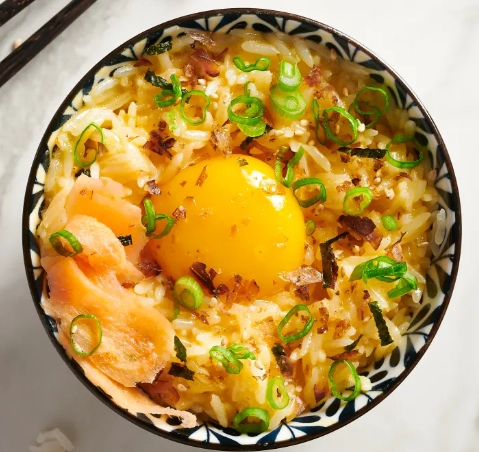
But calling it "just egg and rice" is like saying a guitar is just wood and strings. The magic is in the execution. The search intent here isn't just for a recipe—it's for the *right* way to do it, the way that delivers that specific, comforting, savory-sweet-creamy texture that defines a good TKG.
Why It's More Than a Trend: While it's gained global attention lately, TKG isn't a new fad. It's been a staple since the late 19th century when poultry farming became more common in Japan. Its resurgence speaks to a universal desire for simple, satisfying, and quick meals that don't compromise on flavor or nutrition.
How to Make Tamago Kake Gohan: A Step-by-Step Guide
Let's break down the process. Forget the one-sentence instructions. Here’s what actually matters.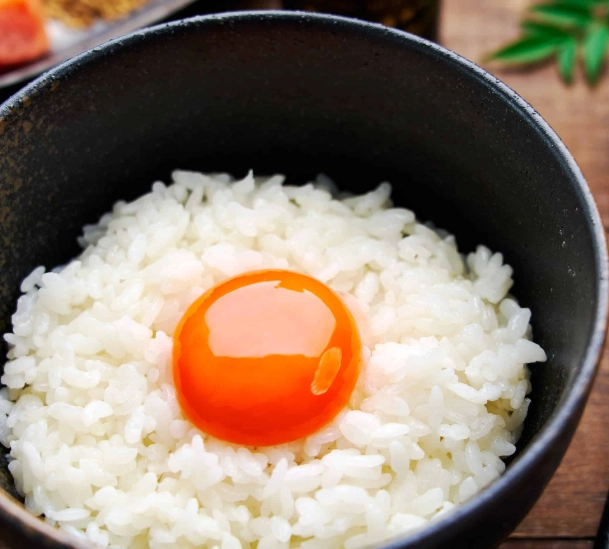
The Non-Negotiables
1. The Rice: It must be Japanese short-grain rice (like Koshihikari or Sasanishiki). The starch content is key for stickiness. It must be freshly cooked and piping hot. Using leftover, reheated rice is the most common beginner mistake. The heat is what partially cooks the egg and creates the emulsion. Cold rice gives you raw egg soup.
2. The Bowl: Use a deep, ceramic bowl. It retains heat much better than a shallow plate or a cold metal bowl. Pre-warming the bowl with hot water is a pro move, but not essential if your rice is hot enough.
3. The Sequence: This is critical. Rice first. Then, quickly crack a high-quality egg onto the center of the rice mound. Pour a small circle of soy sauce (about 1-2 tsp) around the egg, not directly on it. Let it sit for 15-20 seconds—this allows the rice heat to start working on the egg white.
The Mixing Technique That Changes Everything
Now, mix. But don't just stab at it. Use chopsticks in a gentle, folding motion from the bottom of the bowl upwards. You're aiming to integrate the egg evenly without crushing the rice grains. The goal is a consistent, pale yellow, creamy consistency. Over-mixing makes it slimy. Under-mixing leaves pockets of plain rice.
That 20-second wait before mixing? That's the secret most recipes skip. It allows the egg white to begin coagulating from the bottom-up, so you get delicate cooked strands mixed with the runny yolk, instead of a uniformly raw texture.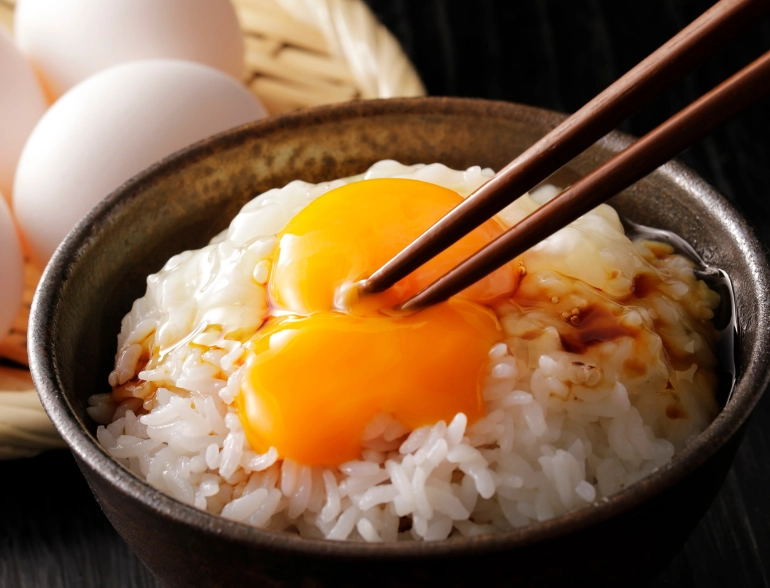
The Egg Selection Dilemma: Safety vs. Flavor
This is the big question. In Japan, eggs are produced under incredibly strict hygiene standards (like the Japan Poultry Association's comprehensive sanitation programs). They're often washed, inspected, and sold with a near-zero risk of salmonella. Consumers eat them raw with confidence.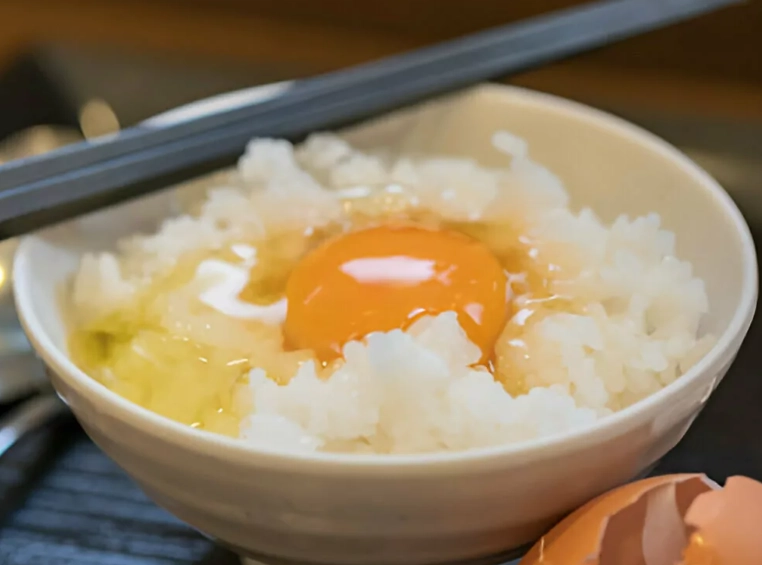
Outside of Japan, the landscape is different. Here’s a blunt comparison to help you decide:
| Egg Type | Best For TKG? | Key Reason & Consideration |
|---|---|---|
| Standard Supermarket (US/EU) | Not Recommended (Raw) | Higher salmonella risk. The USDA recommends cooking eggs until both yolk and white are firm. Flavor is often less rich. |
| Pasteurized Eggs | Safe Choice | The safest option. The pasteurization process heats the egg to kill bacteria without cooking it. Flavor can be slightly muted, but it's a reliable, worry-free choice. |
| Local, Organic, Free-Range | Proceed with Caution | Often have richer, more orange yolks and better flavor. However, "organic" does not mean salmonella-free. Know your farm's practices. Risk is lower but not zero. |
| Japanese-Style (if available) | Ideal | Some specialty stores sell eggs produced under Japanese-style hygiene protocols. Look for labels mentioning specific salmonella control or being safe for raw consumption. |
My personal rule? If I can't verify the egg's safety for raw consumption, I use pasteurized. The peace of mind is worth the tiny flavor trade-off. Or, I make a "half-cooked" version by pouring near-boiling dashi over the egg first to lightly poach it before mixing—a great hack for uncertain eggs.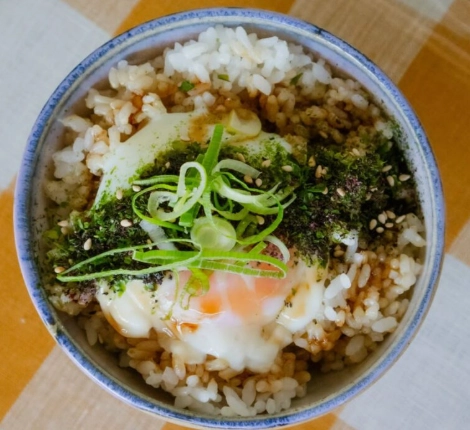
Beyond the Basics: Regional & Advanced Variations
Once you've nailed the classic, the world opens up. TKG is a perfect canvas.
Umami Bombs: A tiny dab of yuzu kosho (citrus-chili paste) or mentaiko (spicy cod roe) mixed in adds incredible depth. A sprinkle of katsuobushi (bonito flakes) on top adds a smoky, savory note and delightful movement as the flakes dance in the steam.
The Dashi TKG: Instead of plain soy sauce, use a mix of soy sauce and a teaspoon of concentrated mentsuyu (soup base) or a splash of warm dashi. This is a game-changer, adding a layer of complex seafood and umami flavor. It's how many old-school izakayas serve it.
Regional Twists: In Hokkaido, they might add a pat of butter. In some parts of Kyushu, a dash of chicken stock powder is common. The point is to start with the perfect base and then make it your own.
Where to Eat Exceptional TKG in Japan
To truly understand the heights TKG can reach, you need to try it at a specialist. These places treat rice with the reverence of a sommelier treating wine.
Tamago Kake Gohan Specialty Shop (Tokyo, Ginza)
Address: 6-12-15 Ginza, Chuo-ku, Tokyo. It's in a basement, look for the small wooden sign.
The Hook: They offer over 20 types of rice from different prefectures, each paired with a recommended egg and soy sauce. It's a tasting flight for TKG.
Price: Sets start around ¥1,200 ($8 USD).
Hours: 11:00 AM - 3:00 PM, 5:30 PM - 9:00 PM (Closed Wednesdays).
My Take: It's an education. Trying their Akita Komachi rice side-by-side with their Niigata Koshihikari shows how much the grain itself changes the dish. The Akita was slightly firmer and more separate, perfect for a less creamy style.
Gohan-ya (Osaka, Umeda)
Address: 1-1-3 Oyodo Nishi, Kita-ku, Osaka (inside the Hankyu Terminal Building).
The Hook: Focus on ultra-premium, single-farmer eggs. Their signature is the "Ooey-Gooey TKG" which uses a specific jidori egg with an almost orange yolk.
Price: ¥950 ($6.50 USD) for the signature bowl.
Hours: 7:30 AM - 10:00 PM (perfect for any meal).
My Take: The yolk richness here is insane. It's almost custard-like. It made me realize most eggs I'd used before were pale imitations. It's a rich, decadent experience, not a light breakfast.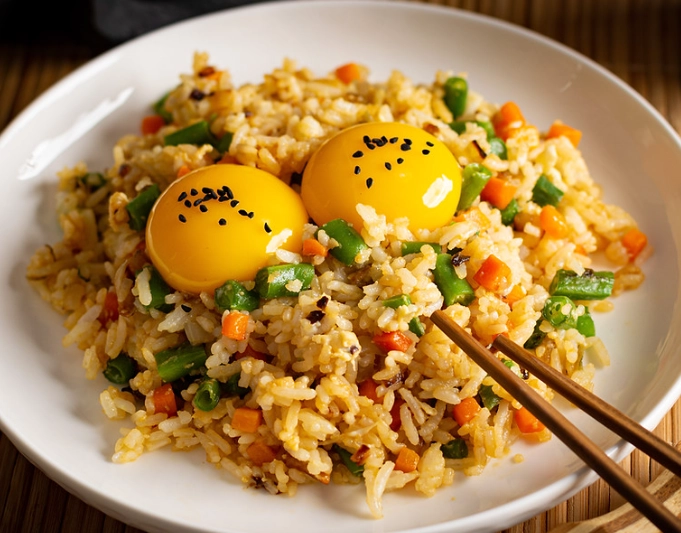
Reader Comments