You've seen the pictures. Steaming bowls, perfect noodles, that glistening egg. Ramen in Japan isn't just a meal; it's a culinary universe. But here's the thing most guides don't tell you: walking into a random ramen-ya can be intimidating. The vending machine ticket system, the shouted greetings, the pressure to eat fast. I've spent a decade navigating this world, from dodgy back-alley stalls to Michelin-starred soup shrines. This guide isn't about listing every famous shop. It's about giving you the confidence and context to find your own perfect bowl.
What's in This Ramen Guide?
The Four Pillars of a Great Bowl
Forget just "broth and noodles." To judge a ramen, you need to listen to what the locals listen for. It breaks down into four elements, each a world of its own.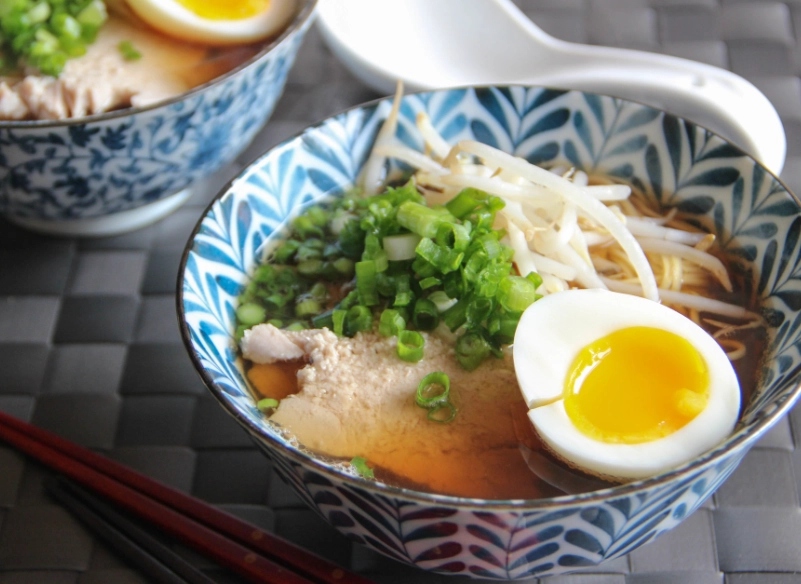
Soup (スープ): The soul. It's not just "chicken" or "pork." The magic is in the tare, the concentrated seasoning sauce (shoyu, shio, miso) that flavors the base broth. A tonkotsu (pork bone) broth can be milky and thick from a 18-hour rolling boil, or clear and refined. The Japan Tourism Agency's culinary guides often highlight regional broth differences, a testament to its importance.
Noodles (麺): Far from an afterthought. Thickness, curl, water content, and alkalinity (kansui) are calibrated for each soup. Thin, straight noodles for light shoyu. Thick, wavy noodles to cling to rich tonkotsu. The firmness is your choice when ordering.
Toppings (トッピング): Chashu isn't just "pork belly." It can be braised, roasted, or torched. The egg (ajitsuke tamago) should be jammy, marinated in a sweet-savory mix. Then there's menma (bamboo shoots), nori, scallions, cloud ear fungus. Each adds texture and flavor.
Aroma Oil (香り油): The secret weapon. A layer of flavored fat (garlic, chicken, shrimp, chili) floated on top seals in heat and adds a punch of aroma with every slurp. Miss this, and you miss a dimension.
A Map of Japan's Ramen Styles
Japan's geography is a ramen blueprint. Climate and local ingredients shaped distinct styles.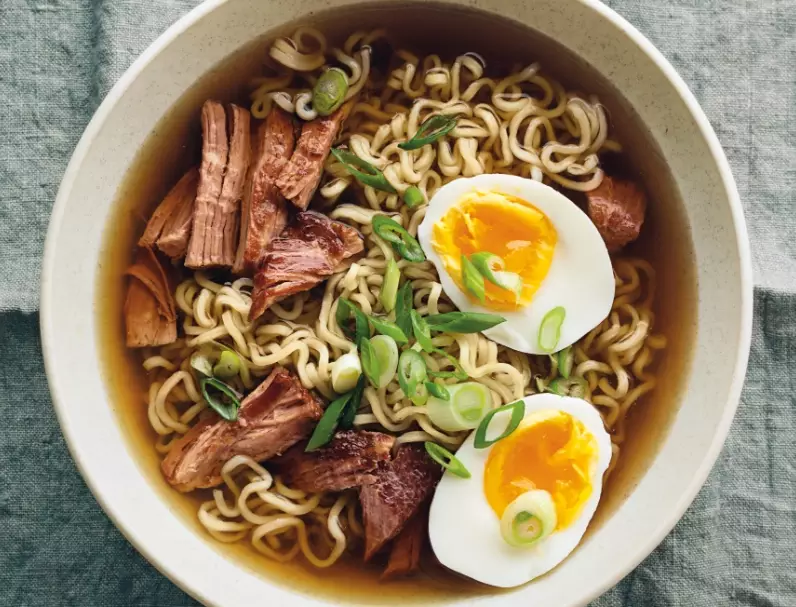
Pro Tip: Don't just hunt for "the best." Hunt for the style that matches your mood. Craving something hearty and robust? Go north. Want something refined and clear? Look to Tokyo and the east.
| Region | Signature Style | Key Characteristics | Feeling It Evokes |
|---|---|---|---|
| Hokkaido | Miso Ramen | Rich, hearty miso-based broth, often with corn, butter, and ground pork. Built for cold winters. | Comforting, robust, winter-warmer. |
| Tokyo | Shoyu (Soy Sauce) Ramen | Clear, brown chicken/seafood broth with a soy sauce tare. Thin, curly noodles. The classic. | Savory, refined, nostalgic. |
| Kyushu (Fukuoka) | Tonkotsu Ramen | Cloudy, creamy white broth from boiled pork bones. Rich, porky, often with thin, straight noodles. | Umami bomb, decadent, addictive. |
| Hakata (Fukuoka Sub-style) | Hakata Tonkotsu | An extra-thick, porridge-like version of tonkotsu. Usually served with ultra-thin noodles and a focus on customizing firmness. | Intense, fast-paced, customizable. |
| Wakayama | Wakayama Ramen | Dark, soy-sauce based broth with a distinct pork-and-soybean paste flavor. Often includes a side of rice. | Deep, complex, a local secret. |
I made a mistake on my first trip. I only ate tonkotsu in Tokyo. It was fine, good even. But it wasn't until I had a proper Tokyo shoyu ramen in a tiny Shinjuku shop that I got it. The clarity, the depth—it was like hearing a song in its original key.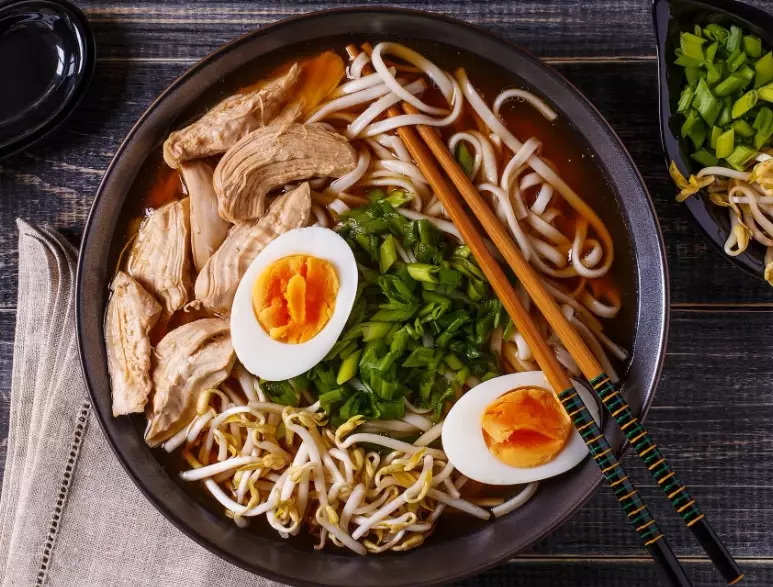
Must-Try Dishes Beyond the Standard Bowl
If you only order ramen, you're seeing half the picture. The menu has stars in the supporting roles.
Tsukemen (つけ麺)
Noodles served cold and separate from a thick, concentrated dipping broth. This isn't a deconstructed ramen. The broth is often richer, saltier, and more intense. You dip a mouthful of noodles, slurp, and repeat. The beauty? The noodles stay perfectly firm. At the end, you can ask for soup-wari—they'll dilute the remaining broth with hot dashi so you can drink it. A game-changer in summer.
Abura Soba / Maze Soba (油そば / まぜそば)
The "brothless" ramen. Noodles come with toppings and a powerful sauce (soy-based, spicy, etc.) at the bottom of the bowl. You mix it all together vigorously. It's about the texture of the noodles clinging to the sauce. Less soup, more punch. Messy, fun, and deeply satisfying.
Chicken-based Paitan (鶏白湯)
Tonkotsu's elegant cousin. The broth is made by boiling chicken bones and cartilage into a similarly creamy, white emulsion, but the flavor is lighter, sweeter, and often more delicate. It's having a huge moment in Tokyo's ramen scene, appealing to those who find tonkotsu too heavy.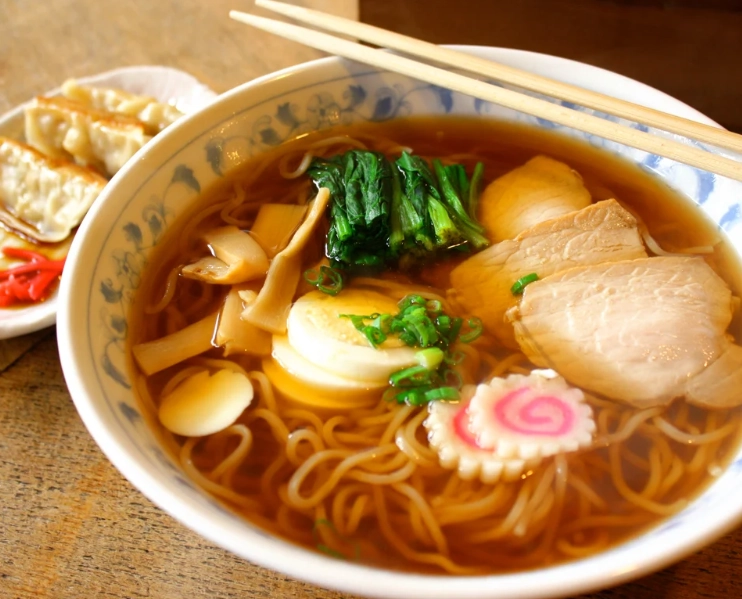
How to Order Ramen Like You've Done It Before
The ticket machine is your first hurdle. Don't panic. Most have pictures. Look for the main ramen button, then check for sides like gyoza or rice. Insert money, press, take your ticket.
You sit down. A staff member will come. Hand them the ticket. This is where the real choices happen. They'll likely ask:
"Kata wa?" (Hardness?) This is critical. Most tourists just nod and get medium (futsu). Big mistake.
- Yawa (Soft): For those who dislike chew.
- Futsu (Normal): The safe default.
- Kata (Hard): My go-to. More bite.
- Bari kata (Very Hard): Al dente heaven. The noodles will continue to cook in the broth, so starting hard is wise.
"Abura no ryou wa?" (Amount of oil?)
- Oome (More): Richer, more aromatic.
- Futsu (Normal)
- Sukuname (Less): Lighter feel.
You might also choose salt level (kaeshi) or richness (kotteri vs. assari). Just saying "futsu de onegaishimasu" (normal, please) is perfectly fine.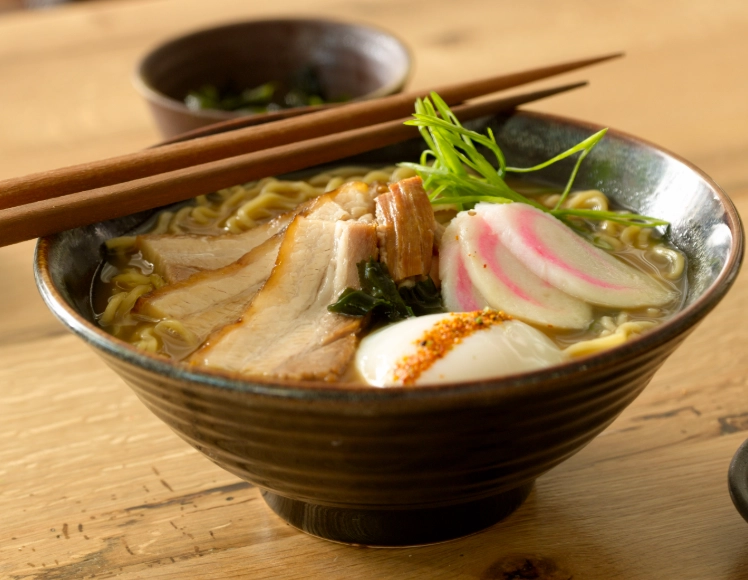
Shop Spotlights: Where to Put This Knowledge to Use
Instead of a generic top 10, here are three distinct experiences.
1. For the Purist: Ramen Hayashida (Tokyo, Shinjuku)
Address: 1-14-2 Kabukicho, Shinjuku-ku.
What to order: Their signature Shoyu Ramen.
The deal: No frills, counter seats only, constant line. Their broth is a masterclass in balance—deep, clear, impossibly savory without being salty. The chashu is thinly sliced and melts. This is Tokyo-style ramen in its purest, most perfect form. Expect to pay around 950 yen. Go at 3 PM to avoid the worst of the lunch crowd.
2. For the Adventurer: Ramen Nagi - Golden Gai Branch (Tokyo, Shinjuku)
Address: Shinjuku Golden Gai, inside the tiny alleyways.
What to order: The "Nagi Ramen" (their unique fish-and-pork broth).
The deal: A tiny, 8-seat shop in the legendary Golden Gai bar district. The broth is a wild, complex blend of tonkotsu and dried fish (niboshi). It's funky, rich, and unforgettable. It challenges what you think ramen should be. About 1,000 yen. Cash only. Opens late, perfect after a drink.
3. For the Customizer: Ichiran (Nationwide, but start in Fukuoka)
Address: Multiple; the head shop is in Fukuoka's Nakasu area.
The deal: Yes, it's a chain. Yes, it's famous. But ignore the snobbery. Ichiran's genius is its solo dining booths and detailed customization sheet. You control richness, garlic, spice, noodle hardness—everything. It's a sterile but flawless tonkotsu experience. It's where you learn your personal ramen profile. Around 890 yen for the basic bowl. The 24-hour locations are a savior.
The Unspoken Rules: Slurping, Speed, and Soup
Let's demystify the etiquette. Slurping isn't mandatory, but it does help cool the noodles and aerate the flavor. Do it if it feels natural.
The real rule is about speed. Ramen is fast food. The chef served you noodles at their perfect firmness. Sitting there chatting while they turn to mush is the true disrespect. Eat with purpose. You're not being rushed out the door, but you shouldn't linger for 45 minutes over one bowl.
Finishing the broth? As I'll explain below, it's a myth that you must. These broths are potent. Appreciate it, but don't force it down.
Finally, payment is usually at the front on your way out. Just say "gochisousama deshita" (thank you for the meal) as you leave.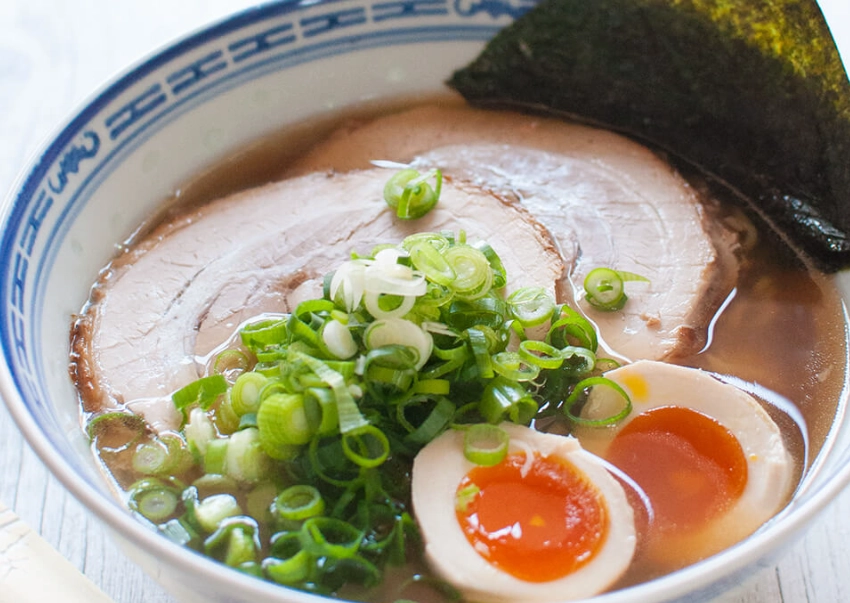
Your Ramen Questions, Answered
What is the most important thing to know when ordering ramen in Japan?
The single most crucial detail is specifying your noodle firmness (kata). Most shops default to medium (futsu), but getting them hard (katame) or extra hard (bari kata) is often the key to a superior texture that holds up in the hot broth. Don't be shy; it's expected.
Is it rude to not finish the broth in a ramen bowl?
Not at all. This is a common misconception. While appreciating the broth is part of the experience, finishing it is not a requirement of etiquette. Many broths, especially tonkotsu, are intentionally rich and salty. It's perfectly acceptable to leave broth behind. The real faux pas is taking too long to eat, letting the noodles get soggy.
Can I find good vegetarian ramen in Japan?
Yes, but it requires research. Traditional ramen broth is almost always meat or seafood-based. Dedicated vegetarian or vegan ramen shops are growing, especially in major cities like Tokyo and Kyoto. Look for places like 'T's Tantan' in Tokyo Station or 'Ain Soph.' Always confirm 'bejitarian' (vegetarian) or 'beegan' (vegan) options, as some broths may use hidden animal products.
What's the biggest mistake tourists make with ramen in Japan?
They go to the most famous, most crowded shop they see on social media. The queues can be 2-3 hours long for a marginal difference you might not even notice. A better strategy is to find a busy local shop during lunch hour—a line of salarymen is a better indicator of consistent quality and value than any influencer's post. The magic is often in the unassuming backstreet shop.
Ramen in Japan is a journey. It's okay if your first bowl isn't life-changing. Maybe the broth is too salty, or the noodles too soft. That's part of it. Each bowl teaches you something new about what you like. Start with a classic Tokyo shoyu, brave a tsukemen, then hunt down a local specialty. Use the tips here not as a strict rulebook, but as a key to unlock the door. The real joy is in the discovery, one steaming, slurpable bowl at a time.
Reader Comments