You've probably seen it served in a tiny pitcher next to a bowl of delicate warabi mochi, or drizzled over a mountain of shaved ice. Kuromitsu, Japan's "black honey," is more than just a sweetener—it's a flavor cornerstone. But most guides stop at "it's made from black sugar." After years of experimenting, burning a few batches, and hunting down the best bottles in Tokyo's depachika (department store basements), I've realized most people use it wrong, or worse, buy an inferior product that tastes nothing like the real deal. This guide will get you past the basics and into the world of kuromitsu where it belongs: as a versatile, complex ingredient in your kitchen.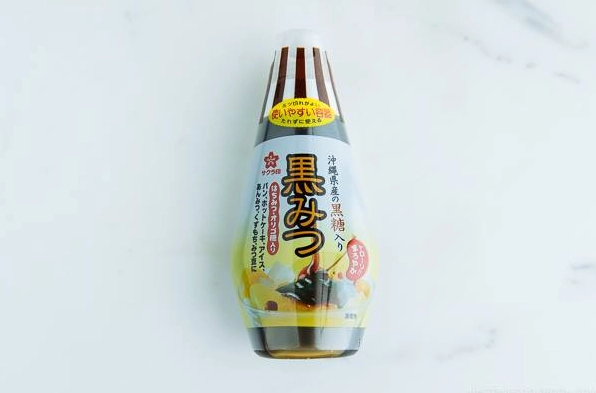
What's Inside This Guide
What Exactly Is Kuromitsu? (It's Not Just Molasses)
Calling kuromitsu "black sugar syrup" is like calling wine "fermented grape juice." Technically true, but it misses the nuance. It's a simple reduction of kokuto (Japanese black sugar) and water. The magic is in the sugar itself. Kokuto is unrefined, retaining minerals like potassium, calcium, and iron, and it's made through a traditional method of slowly simmering sugarcane juice. This gives kuromitsu its signature deep, caramel-like flavor with hints of toffee, rum, and a slight minerality—nothing like the one-note sweetness of white sugar syrup or the sometimes harsh bitterness of pure molasses.
Here's where the first common mistake happens. Many Western recipes suggest using dark brown sugar or molasses as a substitute. Don't. The flavor profile is completely different. Dark brown sugar is just white sugar with molasses added back in, and pure molasses can overpower a dish. The goal of kuromitsu is a balanced, mellow sweetness with complexity.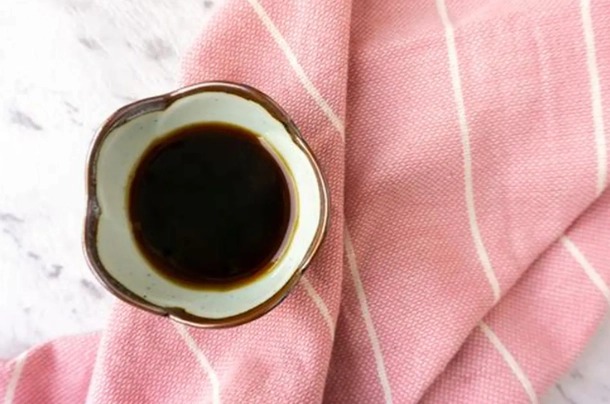
How to Make Authentic Kuromitsu at Home: A Foolproof Method
Making it yourself is surprisingly easy and lets you control the thickness and flavor intensity. You need just two things: good kokuto and patience.
The One Ingredient That Makes or Breaks Your Syrup
Not all black sugar is created equal. The stuff sold in most international aisles is often just dark brown sugar labeled as "black sugar." You need authentic Japanese kokuto. Look for hard, rock-like chunks or a coarse, damp sand texture. Brands from Okinawa or the Amami Islands are renowned for their quality. If you can't find it locally, online retailers like Amazon or specialty Japanese grocers (e.g., Mitsuwa Marketplace, Marukai) often stock it. Here's a quick comparison of sugar types:
| Type of Sugar | Best For Making Kuromitsu? | Flavor Profile | Where to Find |
|---|---|---|---|
| Japanese Kokuto (Okinawan) | Yes - Ideal | Rich, complex, mineral, caramel | Japanese grocery stores, online |
| Japanese Kokuto (Other Regions) | Yes - Very Good | Deep, robust, less floral than Okinawan | Japanese grocery stores, online |
| Dark Muscovado Sugar | Acceptable Substitute | Strong molasses, moist, can be slightly bitter | Well-stocked supermarkets |
| Dark Brown Sugar | No - Not Recommended | One-dimensional, overly sweet | Any supermarket |
| Pure Molasses | No - Avoid | Overpowering, bitter, will not taste authentic | Any supermarket |
The Simmering Process: Low and Slow Wins the Race
My go-to ratio is 1:1 by weight (e.g., 200g kokuto to 200ml water). Grate or chop the hard sugar into small pieces to help it dissolve. Combine in a heavy-bottomed saucepan.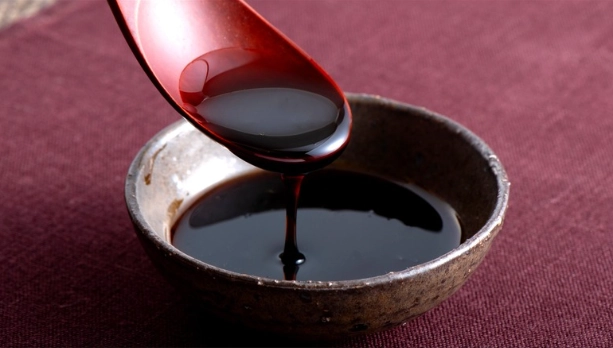
Bring it to a simmer over medium heat, stirring until the sugar dissolves completely. This is crucial. Once dissolved, reduce the heat to the lowest possible setting. You want the barest simmer—a few lazy bubbles rising to the surface every couple of seconds.
Let it cook uncovered for 45 to 60 minutes. Don't stir it constantly. Just let it be. Walk away. The gradual reduction is what develops the flavor. You're aiming for a syrup that coats the back of a spoon. It will thicken more as it cools.
The biggest error I see? Cranking up the heat to speed things up. This caramelizes the sugars too quickly, creating a burnt, bitter taste instead of that mellow depth. Patience is non-negotiable.
Let it cool, then strain through a fine-mesh sieve into a clean jar. It keeps for months in the fridge.
Buying Kuromitsu: A Curated List of the Best Brands
If making it isn't your thing, buying pre-made is fine. But quality varies wildly. Skip the cheap, thin, artificially colored syrups. Look for a product where the first and only ingredients are black sugar (kokuto) and water, maybe malt syrup. Here are three brands I consistently recommend, based on flavor and availability.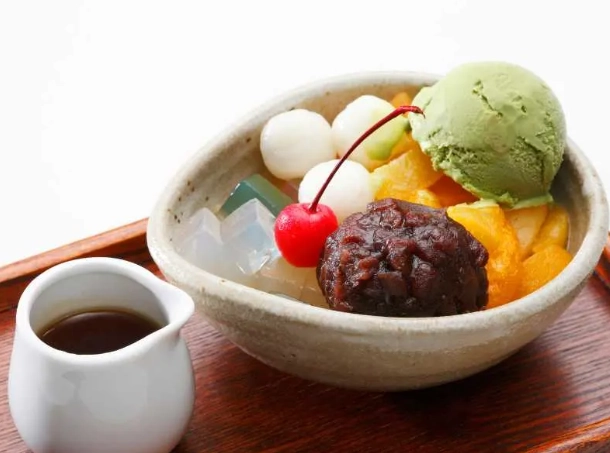
- Kurozu Toushichi Kuromitsu: My personal favorite for an all-purpose syrup. It has a perfect balance—not too thick, not too thin, with a pronounced caramel and raisin note. It's widely available in Japanese supermarkets overseas and online. Price is mid-range, around $8-$12 for a 300ml bottle.
- Mitoku Kuromitsu (Organic): This is the gold standard for organic, artisanal syrup. The flavor is incredibly clean and deep, with a beautiful mineral finish. It's pricier ($15-$20 for 200ml) and you'll likely need to order it from a specialty online retailer like the Japan-based Kurozumiya or natural foods importers.
- Kagoshima Himeyuri Kokuto Kuromitsu: A fantastic regional option. It's slightly thicker and has a more robust, almost smoky flavor profile that stands up brilliantly in coffee or as a glaze for grilled meats. You can find it on Amazon or at larger Mitsuwa locations for about $10-$14 per bottle.
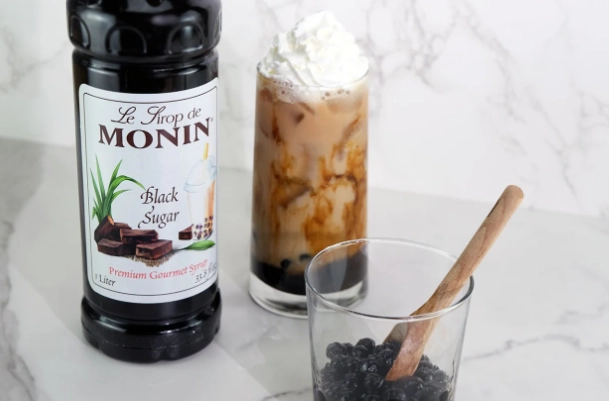
Using Kuromitsu: Creative Ideas Beyond Drizzle
Sure, pour it over anmitsu or shaved ice. But that's just the start. Its complexity makes it a secret weapon.
In Desserts and Sweets (Wagashi)
Beyond the classic pairings, try it as a soak for cake layers instead of simple syrup. It adds a wonderful depth to chocolate or spice cakes. Mix a tablespoon into your whipped cream or pastry cream for a subtle, sophisticated twist. Drizzle it over vanilla ice cream with a pinch of sea salt—it's transformative.
In Drinks and Savory Applications
This is where most home cooks miss out. A spoonful of kuromitsu stirred into black coffee or a latte is incredible—it's like a built-in caramel note. Add it to cocktails; it works wonders in an Old Fashioned instead of simple syrup. On the savory side, thin it with a little soy sauce and mirin to make a glaze for grilled salmon or chicken wings. The sugars caramelize, and the minerals add an umami kick you don't get from honey or maple syrup.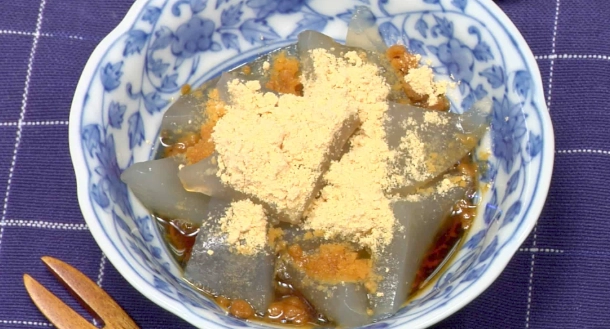
A word of warning: because it's less sweet than white sugar syrup, you might need to use a bit more volume when substituting in baking recipes. Treat it as a flavor ingredient, not just a sweetener.
Your Kuromitsu Questions, Answered
Why did my homemade kuromitsu crystallize in the jar?
Can I use kuromitsu if I'm diabetic or watching my sugar intake?
My store-bought kuromitsu is very thick and hard to pour. Is it spoiled?
What's the best substitute for kuromitsu if I'm in a pinch?
How long does homemade kuromitsu last, and how should I store it?
Reader Comments