Explore the Topics
So you're walking down a street in Tokyo, maybe in Asakusa or Harajuku, and you smell this incredible, sweet, cakey aroma. You follow your nose and there it is: a vendor pouring batter into fish-shaped molds. That's taiyaki. It's iconic. But if you've never had one, or you're just curious about how to make them at home, the first question that pops into your head is probably: what are taiyaki made of?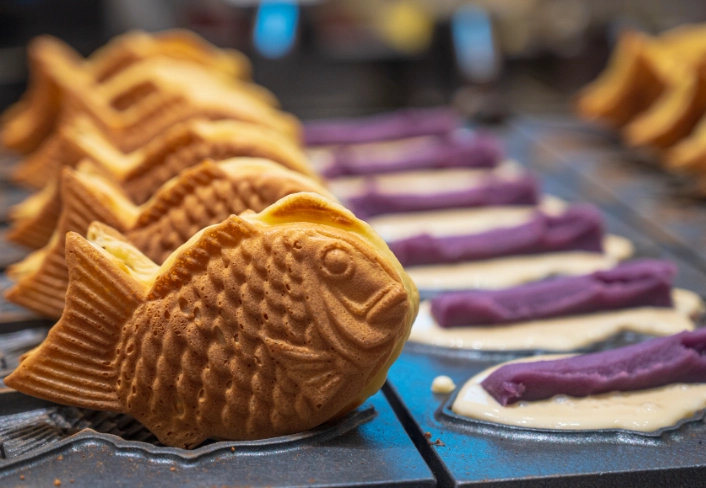
It seems simple, right? A fish-shaped cake with filling. But the magic is in the details. The ingredients tell a story of tradition, adaptation, and pure snacking joy. I remember my first taiyaki in Kyoto. It was winter, my hands were freezing, and that warm, crisp pastry filled with sweet red bean paste was pure heaven. I burned my tongue because I was too impatient to wait. Totally worth it.
Let's break it down, from the classic recipe your Japanese grandma might swear by to the wild modern creations you find in trendy shops today. We're going beyond just a list. We'll talk about why each ingredient is there, what you can swap if you need to, and how to get that perfect balance of crispy exterior and soft, flavorful interior.
The Foundation: Deconstructing the Taiyaki Batter
At its heart, the taiyaki shell is a simple pancake or waffle-like batter. But calling it just a pancake feels like an insult. The goal is a cake that's slightly crisp on the outside (from the hot iron mold) and tender, almost fluffy, on the inside. It needs to be sturdy enough to hold the filling without getting soggy, but light enough to be a pleasure to eat.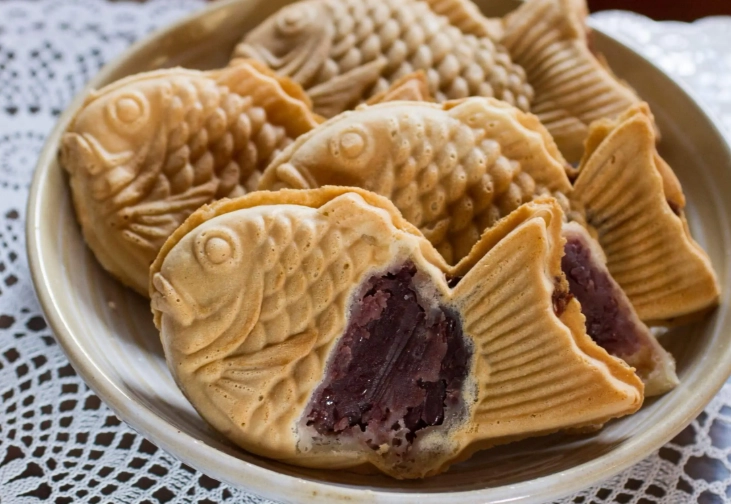
So, what are taiyaki made of when it comes to the batter? Here's the core cast of characters:
Core Batter Ingredients: The non-negotiables for a traditional base.
- Flour: Almost always regular all-purpose wheat flour (komugiko). Some recipes might use cake flour for an extra-tender bite, but AP flour gives it that familiar, satisfying structure. Gluten is your friend here—it gives the fish its shape and prevents it from crumbling when you take a bite.
- Leavening Agent: This is what gives taiyaki its lift and airy texture. Baking powder is the standard. Some older recipes might use a bit of yeast, but baking powder is faster and more reliable for the quick cooking process. No one wants a dense, sad fish.
- Liquid: Water is common, but many recipes use milk for a richer flavor and softer crumb. I've tried both. Water makes a crisper, slightly chewier shell, while milk makes it taste more... well, cake-like and comforting.
- Eggs: Usually one egg per cup of flour or so. The egg adds richness, color, and helps with binding. It also contributes to that beautiful golden-brown color when cooked.
- Sugar: A must. It's not just for sweetness; sugar helps with browning (the Maillard reaction, if you want to get science-y) and keeps the final product moist. The amount varies. Street vendors often make it less sweet since the filling is very sweet, but homemade versions might add a bit more.
- A Pinch of Salt: Never, ever forget the salt. It balances the sweetness and makes all the other flavors pop. It's the secret weapon in almost every dessert.
Some recipes add a tablespoon of neutral oil or melted butter to the batter. This isn't strictly traditional, but it can make the texture more tender and add a subtle richness. I'm a fan of the butter version, personally. It smells amazing while cooking.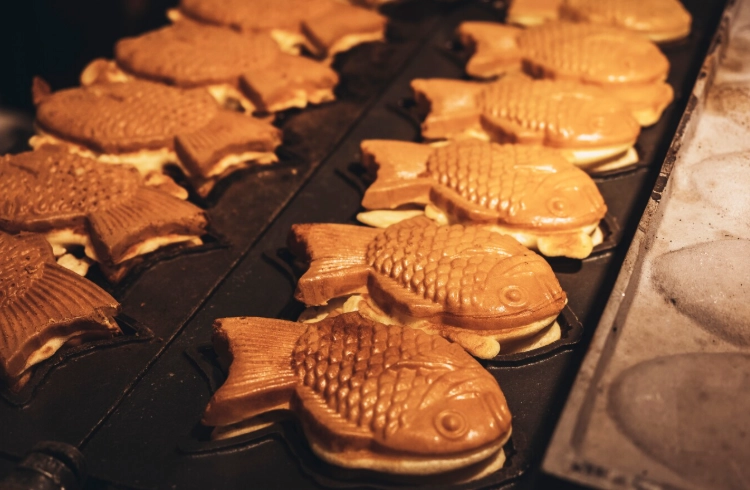
Pro Tip: For an extra-crispy exterior, some shops add a small amount of rice flour or cornstarch to the wheat flour. It reduces gluten formation slightly and can create a delicate, shatteringly crisp shell. Try substituting 10-15% of your AP flour with rice flour in your home recipe.
Getting the batter consistency right is key. Too thick, and your taiyaki will be doughy and heavy. Too thin, and it'll run out of the mold or be too fragile. You're aiming for a smooth, pourable batter that coats the back of a spoon—similar to a thick crepe or pancake batter. Let it rest for 15-20 minutes after mixing. This allows the flour to fully hydrate and the baking powder to start working, which leads to a more even texture.
The Heart of the Matter: Taiyaki Fillings Explored
This is where the real personality of a taiyaki shines. When people ask "what are taiyaki made of?" they're often most curious about the gooey, sweet center.
The King: Anko (Sweet Red Bean Paste)
Let's be clear. The original, the classic, the O.G. filling is anko. This is a paste made from adzuki beans (small red beans) cooked and sweetened with sugar. There are two main types:
- Tsubuan: Whole or roughly mashed beans. You get texture—little bits of bean skin and body. It feels more rustic and traditional. This is my favorite. The texture contrast with the smooth batter is fantastic.
- Koshian: Smooth, strained bean paste. Silky and uniform. If you don't like the texture of bean skins, this is your jam.
Making anko from scratch is a labor of love—soaking beans, boiling them for hours, mashing, and sweetening. It's a weekend project. Most home cooks (and many vendors) use high-quality canned or vacuum-sealed anko, which is absolutely fine. The Japan National Tourism Organization often highlights anko-based sweets like taiyaki as a must-try culinary experience, pointing to its deep roots in wagashi (Japanese confectionery) culture.
Some anko is just sweetened with sugar, while others might have a hint of salt. High-end versions might use a fancy sugar like wasanbon. The bean quality matters too. Hokkaido-grown adzuki beans are particularly prized.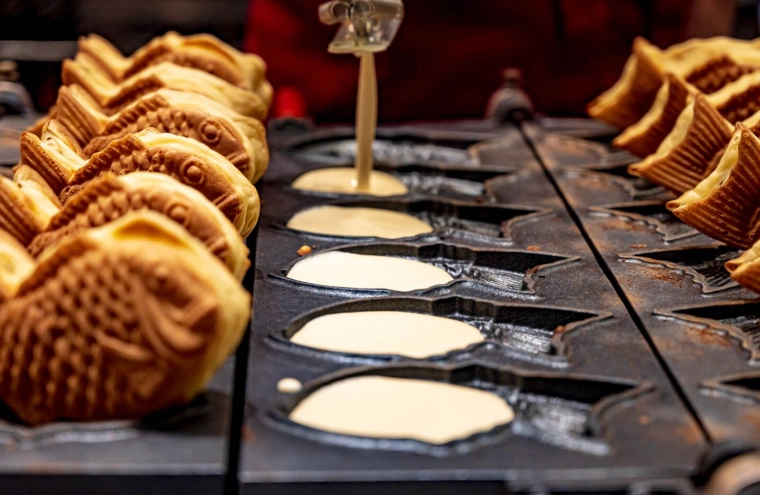
The Modern Contenders: A World Beyond Anko
While anko is the soul of taiyaki, creativity has taken over in the last few decades. Walk into a modern taiyaki shop, and the menu can be overwhelming. Here’s a quick rundown of popular alternatives:
| Filling | Description | Popularity Note |
|---|---|---|
| Custard (Crème) | Sweet, yellow custard, often vanilla or egg-custard flavored. Creamy and rich. | Probably the #2 most popular filling after anko. A safe bet for kids. |
| Chocolate | Everything from melted chocolate bars to Nutella-like spreads. | Universally loved. Can be very sweet. |
| Sweet Potato | Purple or yellow sweet potato paste (beniimo or satsumaimo). Naturally sweet, earthy flavor. | A seasonal favorite in autumn. Has a lovely natural color. |
| Cheese | Cream cheese, cheesecake fillings, or even savory cheese blends. | Often combined with other fillings (e.g., cheese & anko). |
| Matcha (Green Tea) | White or green tea-flavored custards or pastes. Can be bittersweet. | Appeals to those who find traditional fillings too sweet. |
| Sakura (Cherry Blossom) | Delicate, floral, and slightly salty-sweet paste. | Mostly a springtime limited edition offering. |
I tried a pizza taiyaki once in Osaka—tomato sauce, cheese, and pepperoni inside the fish. Let's just say some innovations are better left as ideas. The sweet batter and savory tomato sauce fought a war in my mouth, and nobody won. Stick to the sweet or creamy fillings, in my opinion.
Then there's the question of quantity. How much filling is right? Traditionalists say it should be a generous amount, but not so much that it explodes out the sides when you bite. The filling-to-batter ratio is crucial. A skimpy taiyaki is a disappointment. A good vendor loads it up.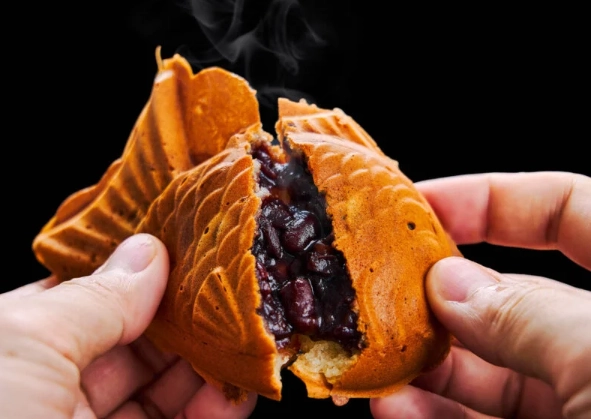
The Tool: The Taiyaki Iron (Taiyaki-ki)
You can't talk about ingredients without mentioning the tool that defines its shape. A taiyaki-ki is a special cast-iron or aluminum grill with fish-shaped cavities. It works like a waffle iron or a pancake mold. The heavy metal ensures even, high heat that creates that signature crispy exterior.
Home Cook Reality Check: Unless you're a superfan, buying a dedicated taiyaki iron might be overkill. They're bulky and single-purpose. The good news? You can make a decent version using a pancake ring mold on a griddle, or even a waffle iron (though you'll lose the fish shape, the taste and texture will be close). Some creative folks use ebelskiver pans (Danish pancake pans), which create a ball shape you can fill.
The process is straightforward but requires a bit of rhythm: grease the mold, pour batter into the bottom fish cavity, add a dollop of filling right in the center, cover with more batter, close the lid, cook for a few minutes, flip the entire iron to cook the other side evenly, and then pry out your golden-brown fish. It sounds easier than it is—my first few attempts at home were... abstract fish art. They tasted good though!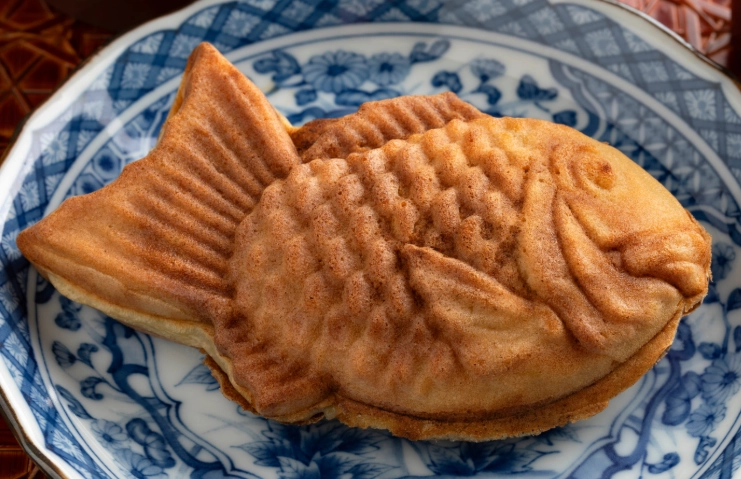
Traditional vs. Modern: What's the Difference Really?
So, has the answer to "what are taiyaki made of?" changed over time? Absolutely. Let's compare.
| Aspect | Traditional Taiyaki | Modern/Innovative Taiyaki |
|---|---|---|
| Batter | Simple: flour, water, sugar, baking powder, egg. Lighter on sugar. | May include milk, butter, yogurt, or even matcha powder for color/flavor. |
| Primary Filling | Almost exclusively anko (red bean paste). | Anything goes: custard, chocolate, sweet potato, cheese, fruit compotes. |
| Texture Goal | Crisp shell, distinct separation from filling. | Sometimes softer, cake-like shells; fillings can be runny (e.g., molten chocolate). |
| Size & Shape | Standard fish shape, modest size. | Mini-taiyaki, giant taiyaki, or shapes like turtles (kameyaki) or cars. |
The traditional version is a masterpiece of simplicity. It's about the quality of the anko and the skill of the cook managing the iron. The modern version is a playground of flavors and textures, often aiming for Instagram-worthy looks or extreme indulgence.
Which is better? That's like asking if pizza or burgers are better. It depends on your mood. On a cold day, a classic, warm anko taiyaki from a street stall feels like a hug. When you're out with friends and want to try something fun, a matcha custard or a double-chocolate taiyaki hits the spot.
Answering Your Burning Taiyaki Questions
Bringing It Home: Your Taiyaki Adventure Starts Here
Look, at the end of the day, what are taiyaki made of? They're made of simple, humble ingredients transformed by a special process and a lot of cultural history. From the flour and eggs in the batter to the sweet red beans in the filling, it's a snack that proves simplicity done well is often the best.
If you're feeling inspired to make your own, start with a classic anko filling (store-bought is fine!) and a simple batter. Don't stress about not having the iron. Make "taiyaki pancakes" by dropping spoonfuls of batter on a griddle, adding a bit of anko, and covering it with more batter before flipping. It won't be a fish, but it'll taste authentic.
The beauty of taiyaki is its accessibility. Whether you get it from a centuries-old shop in Japan, a trendy cafe in New York, or your own kitchen, the core experience is the same: a warm, satisfying, slightly sweet treat that makes you smile. It's a bite-sized (or maybe two-bite-sized) piece of joy.
And if you ever get the chance to visit Japan, do yourself a favor and follow that sweet, cakey smell. The answer to what are taiyaki made of is best experienced firsthand, fresh off the iron, on a cool evening. Just try not to burn your tongue like I did.
Reader Comments