Let's be honest. When you think of easy to make Japanese recipes, your mind might jump to instant ramen or store-bought sushi. But what if I told you that real, authentic Japanese home cooking is some of the simplest, fastest, and most satisfying food you can make? The idea that Japanese food is always intricate and time-consuming is a myth I've spent years cooking in both home and professional kitchens trying to debunk. The truth is, Japanese home cooks are masters of efficiency and flavor with minimal effort. This guide is your shortcut past the intimidation.
What's Cooking Inside?
The Big Myth About Japanese Cooking (And Why It's Wrong)
We see beautiful, multi-course kaiseki meals or intricate sushi and assume that's the standard. It's not. That's like assuming all American cooking is Thanksgiving dinner. Everyday Japanese food—what people actually eat on a Tuesday—is built on principles that make it perfect for quick meals: fresh ingredients, balanced seasoning, and straightforward techniques.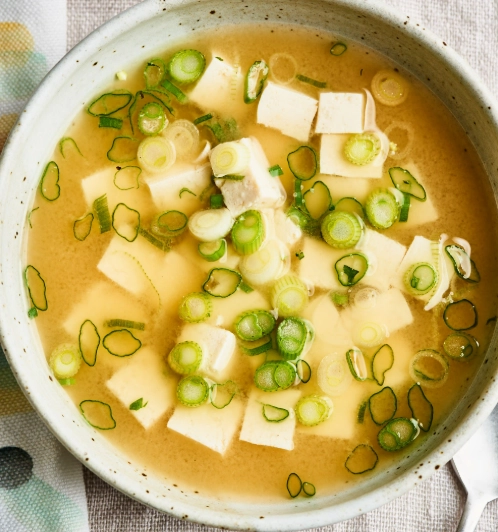
The biggest mistake beginners make? Overcomplicating the seasoning. You don't need a pantry full of 20 obscure condiments. You need three, maybe four staples: soy sauce, mirin, sake, and maybe dashi stock. That's your foundation for about 70% of savory dishes.
Another misconception is that everything requires special equipment. A good non-stick pan, a medium pot, and a sharp knife will get you 95% of the way. I made restaurant-quality tamagoyaki for years in a regular frying pan before I ever bought a rectangular tamagoyaki pan. The tool doesn't make the cook; understanding the process does.
5 Easy Japanese Recipes You Can't Mess Up
Here are five dishes that are staples in Japanese homes because they're fast, forgiving, and use ingredients you can find in most supermarkets. I've included the little tweaks most recipes don't mention that make a huge difference.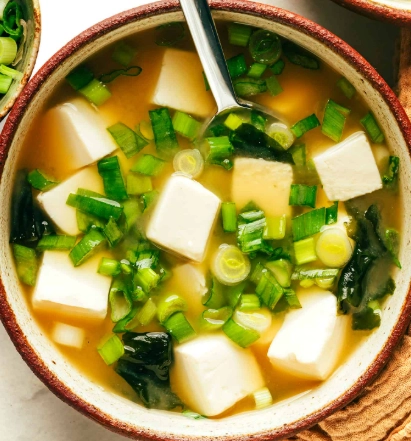
1. Foolproof Tamagoyaki (Japanese Rolled Omelette)
⏱️ Ready in: 10 minsThis sweet-savory rolled egg is a bento box superstar and a fantastic introduction to Japanese flavors. The secret isn't the roll—it's the ratio.
What you need (for 1-2 people): 3 large eggs, 1 tbsp mirin, 1 tsp soy sauce, 1 tsp sugar, a pinch of salt, 1/2 tbsp oil.
How to make it: Whisk everything except the oil until just combined (over-whisking makes it tough). Heat oil in a non-stick pan over medium-low. Pour in a thin layer of egg, just enough to coat the bottom. Let it set almost completely but stay slightly wet on top. Gently roll it from one side to the other. Push the roll back, oil the pan again, pour another thin layer, lifting the first roll to let egg flow underneath. Repeat until egg is used up. Cook the final log for another minute on all sides. Slice.
2. 5-Minute Miso Soup (The Real Way)
⏱️ Ready in: 5 minsForget the powdered stuff. Real miso soup is a 5-minute operation. The key is never boiling the miso paste, which kills its beneficial enzymes and dulls the flavor.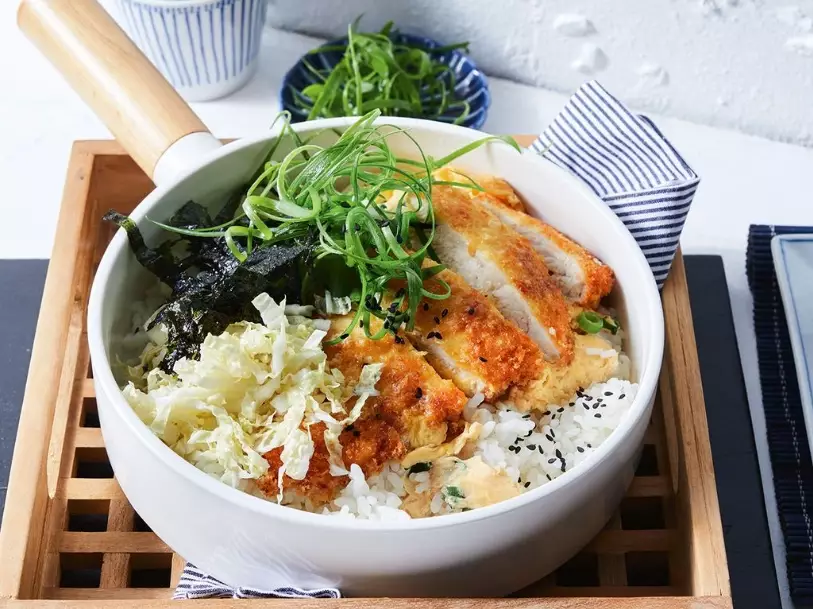
What you need: 2 cups dashi stock (see FAQ for instant/easy alternatives), 1-2 tbsp miso paste (white or red), toppings: cubed silken tofu, sliced green onion, wakame seaweed (rehydrated in water for 2 mins).
How to make it: Heat the dashi in a pot until it's just about to simmer—small bubbles at the edge. Take a ladleful of hot dashi into a small bowl and whisk in the miso paste until completely smooth. Turn off the heat under the pot. Pour the dissolved miso mixture back into the pot and stir gently. Add your toppings. Serve immediately. That's it.
See? No boiling. The soup should be hot but not bubbling when you eat it. The flavor is cleaner, brighter.
Let's talk about teriyaki. The bottled sauce is often cloyingly sweet. Homemade teriyaki is a game-changer and takes 2 minutes to make while your protein cooks.
3. Simple Teriyaki Chicken (Or Salmon, Or Tofu)
⏱️ Ready in: 20 minsThe formula is universal: 1:1:1:1. Equal parts soy sauce, mirin, sake, and sugar. That's your teriyaki base.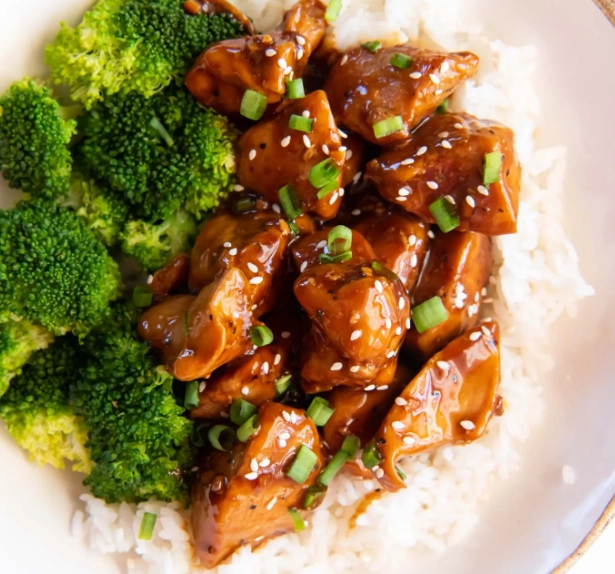
For two chicken thighs: Pat chicken dry, season with salt/pepper. Cook skin-side down in a cold pan over medium heat until skin is crispy and fat is rendered (8-10 mins). Flip, cook through. Remove chicken. Pour out excess fat. In the same pan, add 2 tbsp each of soy sauce, mirin, sake, and sugar. Let it simmer and thicken for 2-3 minutes until it coats the back of a spoon. Return chicken, toss to glaze.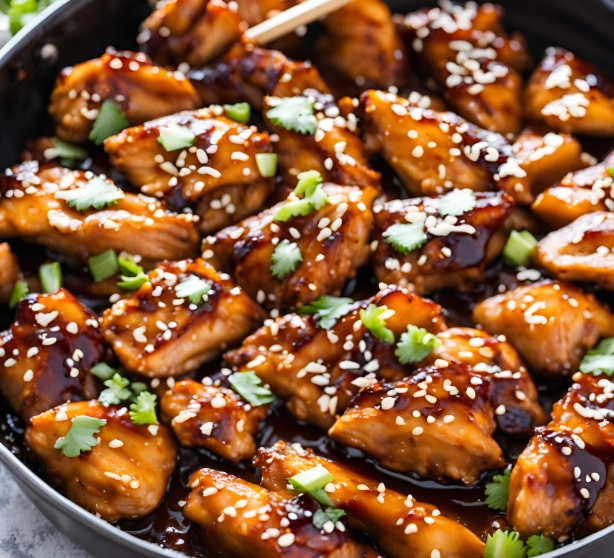
The sake isn't just for flavor—it cuts the sweetness and adds depth. If you must skip it, use a little water or broth, but the balance won't be the same.
You need a side dish. Something crunchy, vinegary, and light. This is it.
4. Cucumber Sunomono (Vinegared Salad) in 7 Minutes
⏱️ Ready in: 7 minsThis salad relies on a technique called "atsuage" (lightly crushing). It's not about slicing perfectly.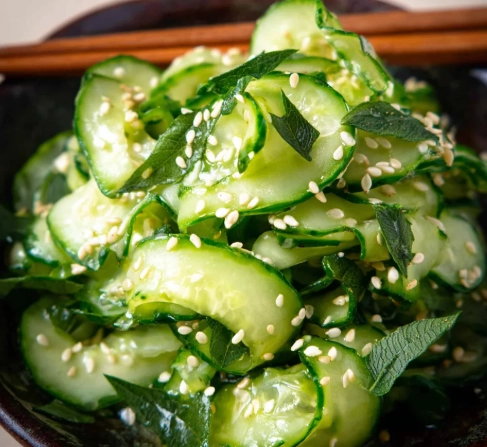
Take an English cucumber. Smack it with the flat side of your knife or a rolling pin until it cracks open. Tear it into rough chunks with your hands. Toss with a pinch of salt, let sit for 5 minutes. Squeeze out the excess water (this is crucial for crispness and flavor absorption). Mix a dressing of 2 tbsp rice vinegar, 1 tsp soy sauce, 1 tsp sugar, and a pinch of dried bonito flakes (optional). Toss with cucumber. The crushing creates craggy edges that hold the dressing perfectly.
5. Oyako Don (Chicken & Egg Rice Bowl)
⏱️ Ready in: 15 minsThe ultimate one-bowl comfort food. "Oyako" means parent (chicken) and child (egg). It's a simmered, savory-sweet topping over rice.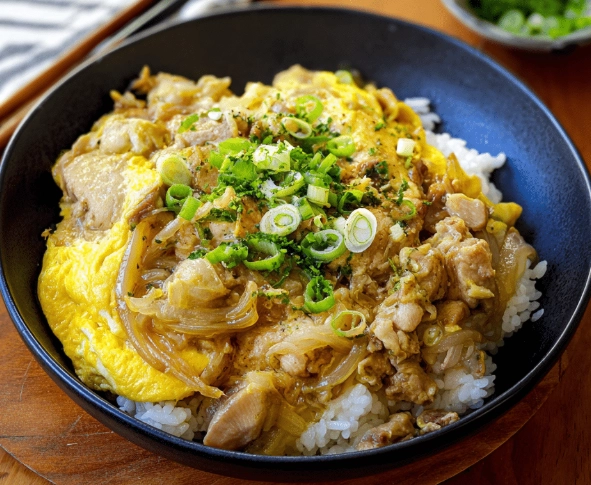
For one big bowl: Thinly slice 1/2 an onion and 1 small chicken thigh. In a small skillet, combine 1/2 cup dashi, 1.5 tbsp soy sauce, 1 tbsp mirin, 1 tsp sugar. Add onion, simmer for 3 mins. Add chicken, cook through. Beat 2 eggs lightly—don't make them frothy. Pour over the simmering chicken and onion. Cover with a lid and cook on low for 1-2 minutes until the egg is just set but still slightly runny. Slide everything over a bowl of hot rice.
The egg should be silky, not scrambled. The lid is non-negotiable for that perfect texture.
Quick Glance: Your Easy Japanese Recipe Cheat Sheet
| Recipe | Core Flavor | Active Time | Key Ingredient Hack | Best For |
|---|---|---|---|---|
| Tamagoyaki | Sweet, savory, umami | 8 minutes | Use medium-low heat for tender layers | Breakfast, bento, side dish |
| Miso Soup | Savory, salty, earthy | 3 minutes | Never boil miso after adding it | Any meal starter |
| Teriyaki Chicken | Sweet, salty, glossy | 15 minutes | The 1:1:1:1 sauce ratio (soy/mirin/sake/sugar) | Weeknight dinner centerpiece |
| Cucumber Sunomono | Tangy, refreshing, crunchy | 7 minutes | Smash & salt cucumber before dressing | Light side or palate cleanser |
| Oyako Don | Savory, sweet, creamy egg | 12 minutes | Cook egg covered for silky texture | Hearty, all-in-one meal |
The 3 Non-Negotiable Techniques for Simple Japanese Flavor
It's not about more ingredients. It's about how you use a few.
1. The Simmer-and-Glaze Method
You saw this in the teriyaki and oyako don. Instead of just frying and saucing, you cook the protein or vegetable in a simmering liquid. This infuses flavor into every bite and creates a natural glaze as the liquid reduces. It's a one-pan process that builds complexity without effort.
2. Balancing Sweet and Salty (Ama-kara)
Japanese cooking isn't afraid of a little sugar. Mirin and sugar are used alongside soy sauce not to make food "sweet," but to round out saltiness and enhance overall flavor. The goal is a harmonious balance where neither taste dominates. If your dish tastes flat, a tiny pinch of sugar can often fix it.
3. Texture Contrast
Notice the dishes: silky egg, crispy chicken skin, crunchy cucumber, soft rice. Japanese meals think about mouthfeel. Even a simple meal should have a mix. It's why sunomono exists alongside a rich donburi. You don't need multiple dishes—just ensure your one bowl or plate has different textures.
Your Japanese Cooking Questions, Answered by Experience
I can't find dashi stock or bonito flakes. How can I make easy Japanese recipes without them?
This is the most common roadblock. Authentic dashi (kombu and bonito) is ideal, but you have options. First, check for "dashi packets" or "dashi powder" (like Hondashi) in the Asian aisle—it's a lifesaver. Second, use a substitute: steep a 4-inch piece of kombu seaweed in 2 cups of warm water for 30 minutes for a vegan version. For a quick hack, use a light, low-sodium chicken or vegetable broth mixed with a tiny splash of soy sauce and a pinch of MSG (if you use it) or powdered mushroom. It won't be identical, but it will work for miso soup and simmered dishes. The Japan Ministry of Agriculture, Forestry and Fisheries even promotes simplified home cooking methods.
What's the one Japanese pantry staple I should buy first to make cooking easier?
Mirin. Not "mirin-type seasoning," but real mirin (look for alcohol content). It's the sweet, syrupy rice wine that provides the distinctive sweet glaze and depth in teriyaki, simmered dishes, and marinades. Soy sauce you can approximate, but mirin's function is harder to replicate. A good bottle lasts ages. If you absolutely can't get it, a mix of dry sherry or sake with a bit more sugar can be a distant substitute, but the flavor profile changes.
My Japanese dishes always end up too salty. What am I doing wrong?
You're likely using the wrong soy sauce or adding it at the wrong time. For cooking, use a regular (koikuchi) Japanese soy sauce, not dark Chinese soy sauce, which is thicker and saltier. Also, add soy sauce during the simmering stage, not at the very end. This allows its harsh saltiness to mellow and integrate. Finally, taste as you go. The saltiness concentrates as liquids reduce. Season in stages, not all at once.
Can I really make these easy Japanese recipes with common Western kitchen tools?
Absolutely. I've taught classes where students use what they have. A 10-inch non-stick skillet works for tamagoyaki (just roll it into a log, not a perfect rectangle). A standard saucepan is fine for miso soup and simmering. The only tool I'd mildly insist on is a sharp chef's knife. Thin, even slicing (sengiri) for onions and vegetables is a core technique that affects cooking time and texture. A dull knife crushes rather than cuts. A decent $30-40 knife you keep sharpened will improve all your cooking, not just Japanese.
Reader Comments