Quick Navigation
Let's be real. We've all been there. It's late, you're hungry, and the thought of chopping a mountain of vegetables and figuring out a sauce from scratch feels like climbing Everest. That's where the humble packet of yakisoba instant noodles swoops in to save the day. But here's the thing – not all instant yakisoba is created equal. Some are soggy disappointments, while others are shockingly close to what you'd get from a street vendor in Osaka. I've eaten my way through more packets than I care to admit, and I'm here to cut through the marketing hype and give you the real scoop.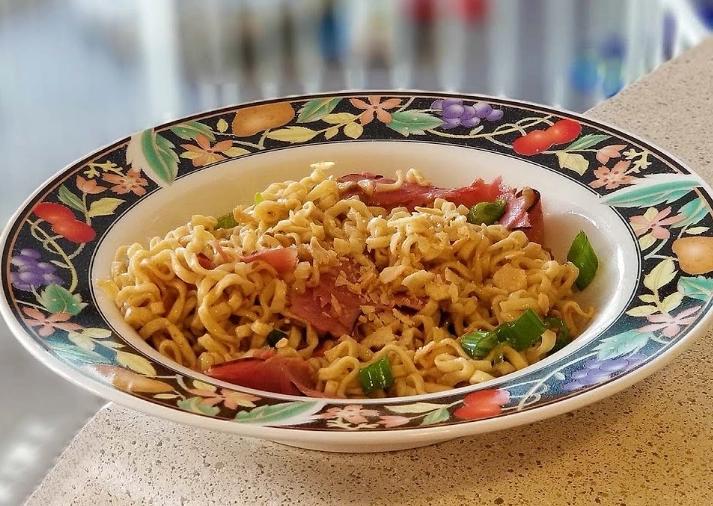
This isn't just about boiling water and waiting three minutes. It's about transforming a convenient base into a meal you're actually excited to eat. Whether you're a complete newbie to Japanese noodles or a seasoned instant ramen veteran looking to branch out, this guide will walk you through everything. We'll talk brands, cooking methods that actually work, and how to dress up your instant yakisoba noodles so they taste like a million bucks (without spending it).
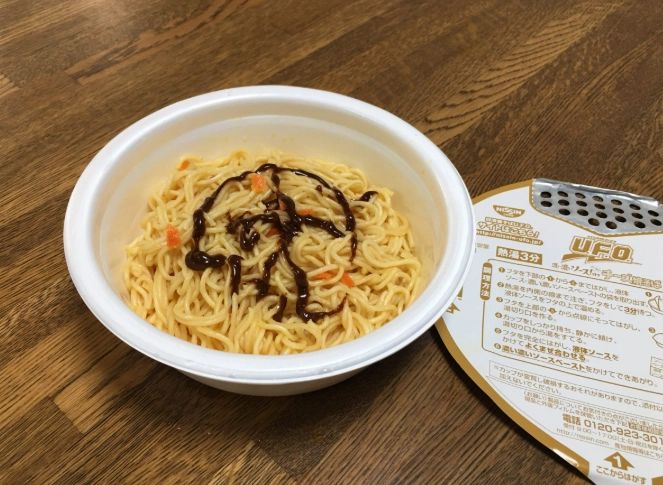
What Exactly Are You Buying? Decoding the Instant Yakisoba Aisle
Staring at the supermarket shelf can be overwhelming. Cups, bags, different languages, flashy claims. The first step is understanding the two main types you'll encounter.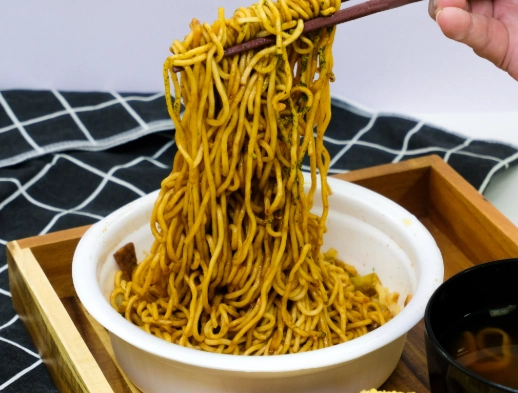
The Two Main Formats: Fried vs. Non-Fried Noodles
This is the biggest factor affecting texture and, honestly, health. Most instant yakisoba uses the same basic noodle technology as instant ramen.
- Fried (Traditional Method): The noodles are steamed, then deep-fried to remove moisture. This gives them that super fast cook time (often just 2-3 minutes in hot water) and a distinct, slightly oily flavor and springy bite. They're the classic. Brands like Samyang and some Nissin versions use this. The downside? Higher fat content and a sometimes "artificial" mouthfeel if you're sensitive to it.
- Non-Fried (Air-Dried): A newer method where the noodles are dried using hot air instead of oil. They take a minute or two longer to rehydrate and can have a slightly different texture – sometimes chewier, sometimes a bit more delicate. They're often marketed as a healthier choice. Myojo's Ippei-chan Yakisoba is a famous non-fried example. I find the texture less predictable, but when it's good, it's really good.
Which is better? It's a taste preference. I keep both in my pantry. The fried ones are my guilty, 2am craving fix. The non-fried ones feel more like a "proper" lunch.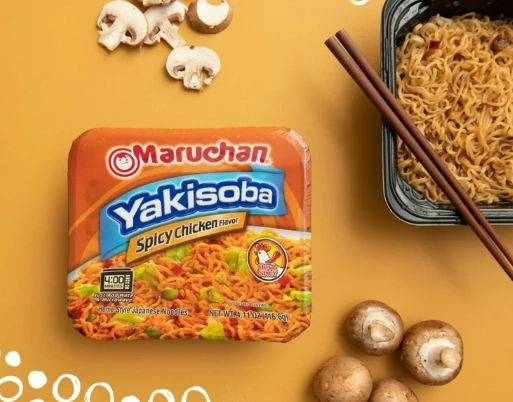
The Sauce & Seasoning Packet: The Heart of the Flavor
This little pouch is everything. It's usually a concentrated, dark brown sauce or a powder that becomes a sauce when mixed with water. The flavor profile is typically umami-rich, slightly sweet, and savory, with notes of Worcestershire sauce, soy, and sometimes fruit (like apple) for sweetness. Oyster sauce or a hint of ketchup might be in the mix too.
Here's a pro tip I learned the hard way: Don't just dump the whole packet in. Taste as you go. Some brands are salt bombs. Start with half, mix it in, taste, and then add more if needed. Your blood pressure will thank you.
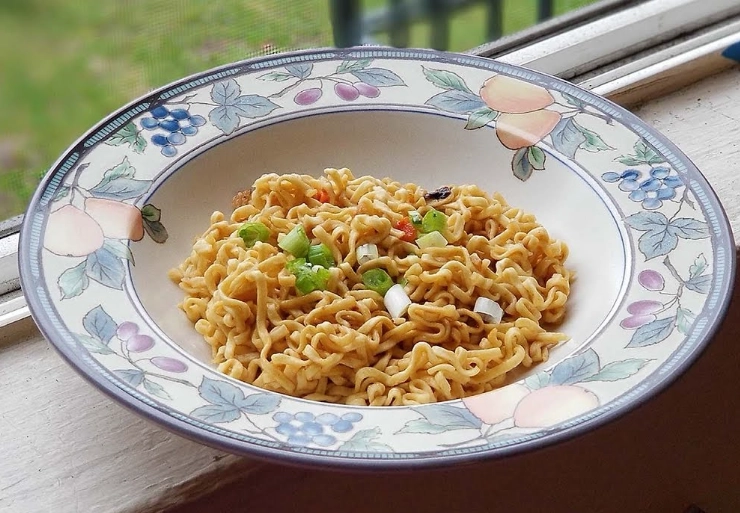
Navigating the Brand Jungle: A No-Nonsense Comparison
Alright, let's get down to brass tacks. Which yakisoba instant noodles are worth your money? I've compiled a table based on my own (extensive) tastings and what seems to be the general consensus online. Remember, taste is subjective! What I find perfect, you might find too sweet.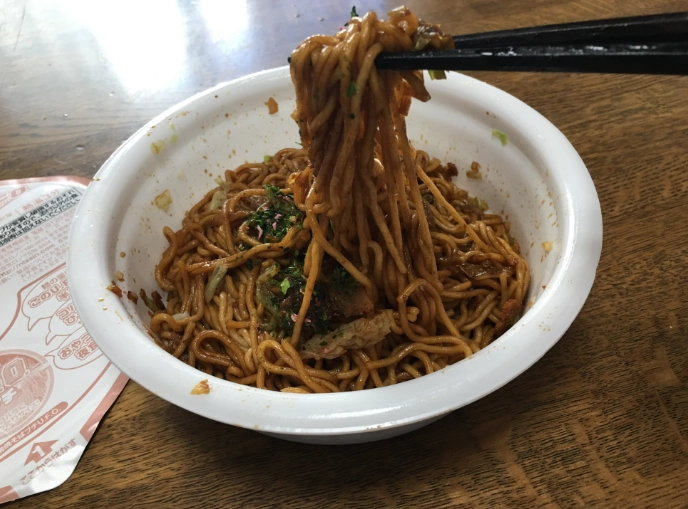
| Brand & Product Name | Format | Key Characteristics | Best For... | My Personal Take |
|---|---|---|---|---|
| Myojo Ippei-chan Yakisoba | Non-Fried (Air Dried) | Chewy, restaurant-style noodles. Sauce is balanced, not too sweet. Comes with a small packet of powdered "aonori" (seaweed) and "beni shoga" (red ginger) for authentic garnish. | Purists who want the closest to authentic street food texture. | My top pick for a "real" feel. The noodles have great bite. The sauce is a classic, well-rounded flavor. |
| Nissin Demae Iccho Yakisoba | Fried | Extremely popular globally. Noodles are springy. Sauce tends to be on the sweeter, thicker side. Widely available. | First-timers or those who prefer a sweeter, more robust sauce. | A solid, reliable choice. Sometimes a bit too sweet for me, but it's the one I grew up with. Consistency is key. |
| Samyang Yakisoba | Fried | Known for their spicy ramen, but their yakisoba is a different beast. Often has a richer, more savory and less sweet profile. Good noodle texture. | People who find other brands too sweet and want a more savory, umami kick. |
Reader Comments