Quick Navigation
- More Than Just a Filling: The History and Culture in the Roll
- Breaking Down the Components: What's Really In There?
- Why Bother? The Surprising Benefits of Kappa Maki
- How to Make Authentic Kappa Maki at Home: A Step-by-Step Guide
- Answering Your Burning Questions About Kappa Maki
- Beyond the Basics: Appreciating the Simple Things
If you've ever scanned a sushi menu, your eyes have definitely passed over it. Tucked between the flashy dragon rolls and the decadent spicy tuna creations, there's a humble little guy called kappa maki. It's often the cheapest item, sometimes an afterthought. I'll admit, for years I skipped right past it. Why get a boring cucumber roll when there's salmon and eel and tempura shrimp, right?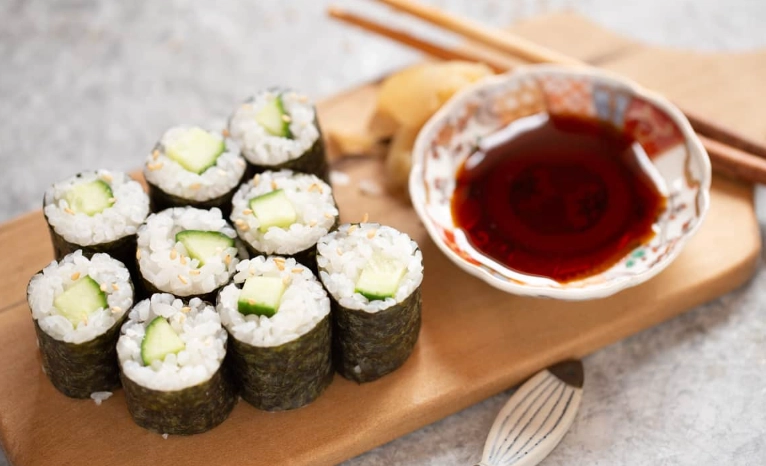
But here's the thing – that simple roll has a story. It's a cornerstone of sushi culture. And the question "What is in kappa maki?" is a gateway to understanding a lot more about Japanese food than you might think. It's not just "cucumber in rice." The devil, as they say, is in the details.
Let's get the basic answer out of the way first. At its absolute core, what is in kappa maki? It's three ingredients: sushi rice, nori (seaweed sheet), and cucumber. That's it. No fish, no avocado, no secret sauce. But that's like saying a good loaf of bread is just flour, water, and yeast. The magic is in the quality, the preparation, and the balance.
More Than Just a Filling: The History and Culture in the Roll
You might wonder how something so simple became so iconic. To understand what is in kappa maki, you have to understand its place at the table. Historically, sushi was a way to preserve fish. But not everyone could afford fish all the time. Enter the humble, affordable cucumber. It provided a refreshing crunch and hydration. It became a staple in regions far from the coast or for people observing Buddhist vegetarian practices.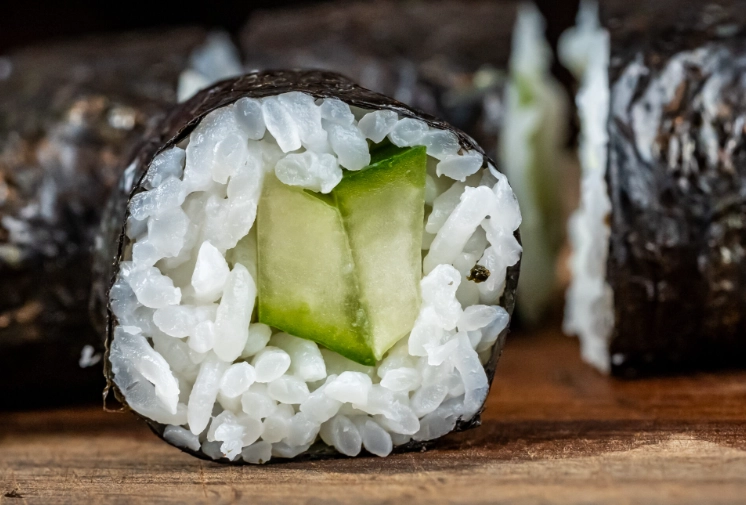
I remember talking to a sushi chef in a small Tokyo neighborhood joint. He told me that a true kappa maki is a test of a chef's fundamentals. With nowhere to hide, the quality of the rice and the knife skills on the cucumber are laid bare. If the rice is poorly seasoned or mushy, you'll taste it immediately. If the cucumber is cut clumsily, the roll falls apart. He called it a "sincerity roll." That stuck with me.
It's also the ultimate palate cleanser. In a traditional sushi meal, you eat it between different types of fish to refresh your mouth. Its simplicity is its purpose. The Japanese Ministry of Foreign Affairs even highlights the cultural significance of balance and seasonality in Japanese cuisine, principles that kappa maki embodies perfectly.
So, calling it "just a cucumber roll" misses the point. It's a piece of culinary history and a benchmark for skill.
Breaking Down the Components: What's Really In There?
Okay, let's geek out on the specifics. When you ask "What is in kappa maki?" you deserve a detailed breakdown. Here's what goes into a truly great one.
The Heart: Sushi Rice (Shari)
This is the soul of the roll, and it's way more than steamed white rice. Proper sushi rice is short-grain Japanese rice (like Koshihikari) cooked and then seasoned while warm with a mix of rice vinegar, sugar, and salt. The balance is crucial. Too much sugar and it's cloying; too much vinegar and it's harsh. The rice should be slightly sticky to hold the roll together, but each grain should remain distinct. It should be body temperature when served – never fridge-cold, which makes it hard and flavorless.
The Crunch: The Cucumber (Kyūri)
Not just any cucumber will do. In Japan, they often use a specific variety called "kyūri" – thinner-skinned, fewer seeds, and a more concentrated flavor. In the West, English or Persian cucumbers are the best substitutes because of their thin skin and minimal seeds. The seeds and watery center are usually scooped out. Why? They make the roll soggy. What you want is the firm, crisp flesh. It's typically cut into long, thin batons. The precision of the cut ensures an even crunch in every bite.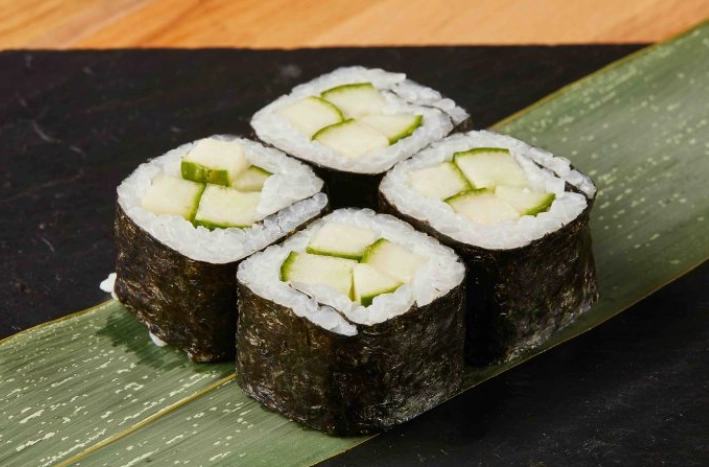
You might think, "It's just a cuke, how different can it be?" Try it with a waxy, thick-skinned, seedy supermarket cucumber. The texture is wrong, the water content is too high, and the flavor can be bitter. It ruins the experience.
The Wrap: Nori (Seaweed Sheet)
The nori sheet holds it all together. Good nori should be crisp, dark green, and have a subtle oceanic aroma. It shouldn't taste overly fishy or salty. When you bite into a fresh kappa maki, the nori should offer a slight snap. If it's been sitting wrapped in plastic for hours, it becomes chewy and leathery, which is a real letdown. Some high-end places will lightly toast the nori before rolling to enhance its flavor and crispness.
So, when someone asks, "What is in kappa maki?" you can now say: perfectly seasoned, warm short-grain rice, crisp, seedless cucumber batons, and a high-quality toasted nori sheet. That's the holy trinity.
Why Bother? The Surprising Benefits of Kappa Maki
Beyond taste and tradition, there are solid reasons to order or make this roll. Let's talk nutrition and practicality.
First, it's often vegan and vegetarian-friendly (just confirm the sugar in the rice isn't processed with bone char, which is rare but worth checking for strict vegans). It's a lifesaver at sushi restaurants for those with dietary restrictions. It's also low in calories and fat compared to rolls with mayo-based sauces or fried tempura. The cucumber provides hydration and a bit of fiber, and nori is packed with minerals like iodine.
Here's a quick comparison of what you're getting, nutritionally speaking, versus a more complex roll. The data is based on general estimates from resources like the USDA FoodData Central.
| Nutrient (Per 6-piece roll) | Approx. Kappa Maki | Approx. Spicy Tuna Roll | Why It Matters |
|---|---|---|---|
| Calories | ~150 - 200 kcal | ~290 - 350 kcal | Kappa maki is a lighter option, great if you're watching your intake. |
| Total Fat | 0.5 - 1g | 8 - 12g | Virtually fat-free, as it contains no added oils or fatty fish. |
| Protein | 3 - 4g | 12 - 15g | Lower in protein, so pair it with a miso soup or edamame. |
| Carbohydrates | 30 - 35g | 35 - 40g | Mainly from the rice, providing energy. |
| Sodium | 200 - 300mg | 500 - 700mg | Much lower sodium, as it lacks salty sauces and seasoned fish. |
It's also incredibly forgiving for beginners. If you're scared to handle raw fish at home, cucumber is a perfect starting point. No food safety worries, just focus on your rolling technique. And let's be real, it's budget-friendly. A whole cucumber, some rice, and a pack of nori can make a feast for very little money.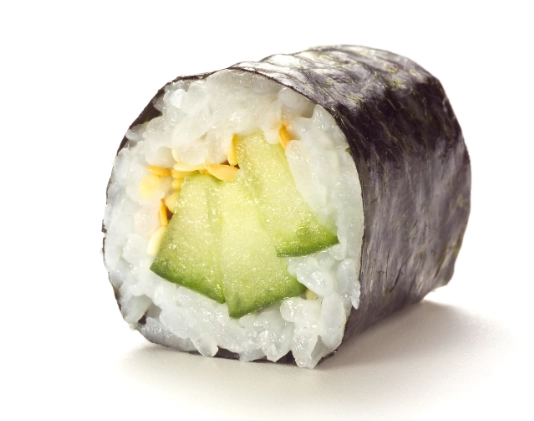
How to Make Authentic Kappa Maki at Home: A Step-by-Step Guide
Want to truly understand what is in kappa maki? Make it yourself. Here's how I do it, after plenty of trial and error.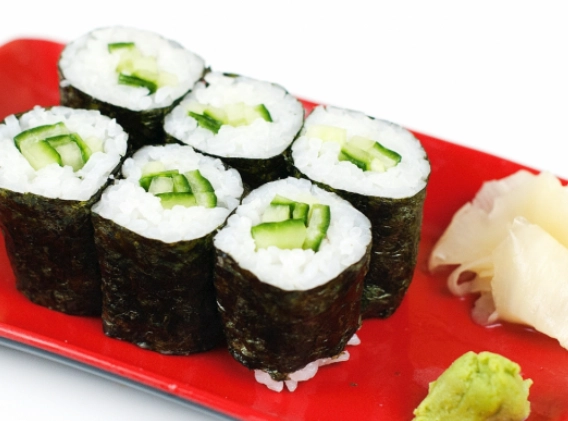
Step 1: The Rice is Everything. Cook the rice according to package directions. While it's cooking, gently heat the vinegar, sugar, and salt in a small pan just until dissolved. Don't boil it. Transfer the hot rice to a wide, non-metallic bowl (wood is traditional). Drizzle the vinegar mixture over it and use a cutting and folding motion with a rice paddle to mix and cool it simultaneously. Fan the rice as you go to give it a glossy shine. Cover with a damp cloth until ready to use.
Step 2: Prep the Cucumber. Wash the cucumber. Cut it in half crosswise, then slice each half lengthwise. Use a spoon to scrape out the seedy core. Then, cut each piece into long, thin matchsticks. Pat them dry with a paper towel. This step is non-negotiable for a crisp, non-soggy roll.
Step 3: Roll It Up. Place a sheet of nori, shiny side down, on the bamboo mat. With damp hands, grab a handful of rice (about 3/4 to 1 cup). Gently spread it evenly over the nori, leaving a 1-inch border at the top farthest from you. Press lightly; don't smash the grains.
Lay a few cucumber batons horizontally across the rice, about one-third of the way up from the side closest to you. Don't overstuff it. This is the most common mistake. Two or three batons are plenty.
Using the mat, lift the edge closest to you and roll it over the filling, tucking the nori edge under to start the cylinder. Apply even pressure as you continue rolling forward, using the mat to shape it into a tight cylinder. When you reach the bare nori border, dampen it slightly with water and seal the roll.
Step 4: The Cut. This takes a sharp knife. Wipe the blade with a damp cloth between cuts. Slice the roll in half, then cut each half into three equal pieces. You'll get six pieces. Wipe, don't saw.
And there you have it. You've just made kappa maki. Serve it immediately with a little soy sauce, pickled ginger (gari), and wasabi if you like. The first time you successfully make one is a fantastic feeling.
Answering Your Burning Questions About Kappa Maki
I get it. You still might have questions. Let's tackle some common ones that go beyond the basic "what is in kappa maki?"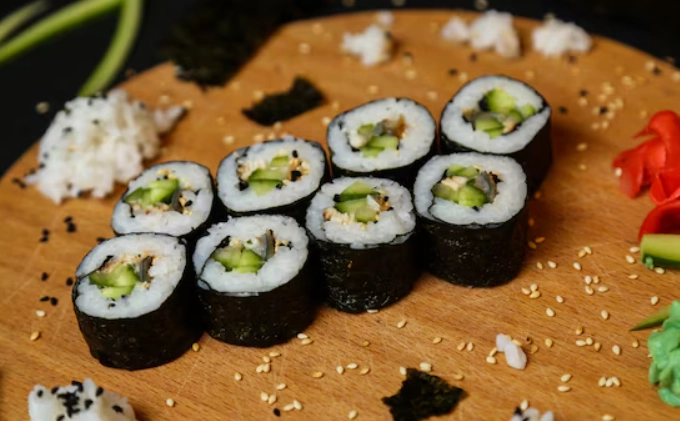
Is kappa maki always vegan?
Almost always, but there are sneaky exceptions. The classic recipe is vegan. However, some restaurants might add a tiny bit of dashi (fish stock) powder to their rice seasoning, or use a non-vegan sugar. If you're strictly vegan, it doesn't hurt to ask. At home, you control the ingredients, so it's easy to keep it vegan.
Why does it sometimes taste bland?
This is the biggest complaint, and I've had my share of bland kappa maki. It usually boils down to two things: poorly seasoned rice or a low-quality, watery cucumber. The rice should have a clear, balanced sweet-sour flavor. If it doesn't, the whole roll falls flat. Also, the roll is designed to be eaten with a dip of soy sauce and a dab of wasabi. That's where a lot of the salt and heat come from.
Can I add other things to it?
Of course! Then it's just a cucumber roll, not strictly a kappa maki. But who cares? Popular additions include a thin spread of toasted sesame seeds on the rice, a few strips of pickled daikon (takuan), or even a sprinkle of shiso leaf for an herbal kick. A modern twist I enjoy is adding a few drops of toasted sesame oil to the rice for aroma.
How do I store leftover kappa maki?
This is tricky. Sushi is best eaten fresh. If you must, wrap the uncut roll tightly in plastic wrap and refrigerate for a few hours. The nori will become chewy, and the rice will harden. It's edible but not ideal. I don't recommend freezing it. My advice? Make only what you'll eat in one sitting.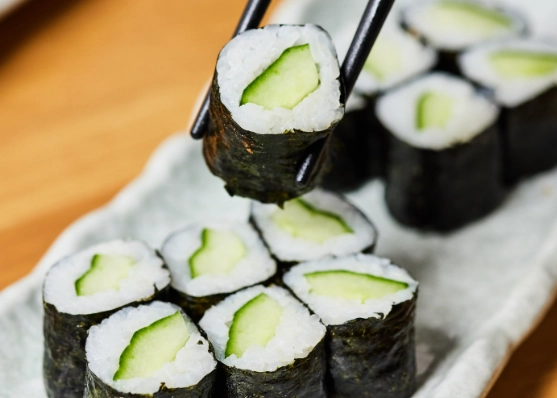
What's the difference between kappa maki and other simple rolls?
Great question. "Kanpyō maki" has dried gourd strips. "Natto maki" has fermented soybeans (an acquired taste!). "Tekka maki" has tuna. The name specifies the filling. So when you ask what is in kappa maki, the answer is uniquely and specifically cucumber.
Beyond the Basics: Appreciating the Simple Things
In a world of over-the-top, sauce-drenched fusion rolls, kappa maki stands as a quiet testament to simplicity and technique. Understanding what is in kappa maki is more than memorizing a recipe. It's about appreciating the beauty of a few high-quality ingredients prepared with care.
It's a safe choice for sushi newbies, a reliable friend for vegetarians, and a benchmark for chefs. Next time you see it on the menu, maybe give it a try. Order it at the beginning of your meal as a palate-setter, or at the end as a refreshing finish. Pay attention to the rice. Savor the crunch of the cucumber. Notice the texture of the nori.
You might just find that this simple roll, the kappa's roll, becomes one of your favorites. I know it did for me. It’s a reminder that in food, as in many things, sometimes less really is more. And now, when someone asks you, "Hey, what is in kappa maki?" you can tell them the whole story.
Reader Comments