That bright green, slightly slippery, incredibly savory salad you get at sushi restaurants? The one that seems so simple yet tastes so complex? That's wakame seaweed salad. For years, I thought it was some chef's secret, until I tried making it myself and realized most recipes online get a few critical things wrong—mainly the dressing balance and the wakame prep. This guide isn't just another recipe list. It's the result of tweaking this dish for a decade, figuring out why homemade versions often taste flat or too sweet compared to the restaurant staple, and solving those problems. You can make a better-than-takeout wakame salad in about 15 minutes, and I'll show you exactly how, including the mistakes to avoid.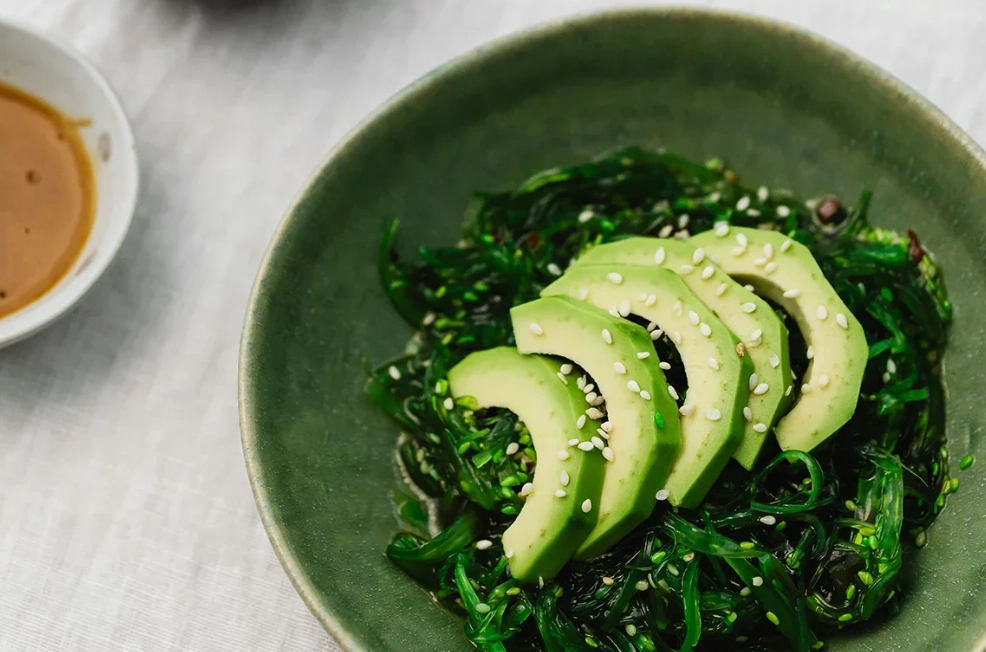
What You'll Find in This Guide
- What is Wakame Seaweed, Really?
- Your Shopping List: A Breakdown of Every Ingredient
- How to Make Wakame Seaweed Salad: A Foolproof Step-by-Step Recipe
- 3 Common Mistakes That Ruin Your Seaweed Salad (And How to Fix Them)
- Beyond the Basics: Delicious Variations to Try
- Serving, Storing, and Making It a Meal
- Your Wakame Salad Questions, Answered
What is Wakame Seaweed, Really?
Wakame (Undaria pinnatifida) is a type of edible seaweed, a brown algae that's a staple in Japanese, Korean, and Chinese cuisines. You've definitely eaten it before—it's in miso soup and, of course, those vibrant salads. Unlike nori (the seaweed for sushi), wakame is prized for its tender, slightly gelatinous texture and a mild, briny-sweet flavor. It's not fishy at all when prepared correctly.
You'll almost always buy it dried. A small bag of dried wakame expands dramatically—like 8 to 10 times its size—when rehydrated. This is key. Buying a 2-ounce bag online or at an Asian grocery store will give you enough for a dozen salads. Look for cut wakame or wakame for salad. Sometimes it's labeled as "miyuk." I've had good results with brands like Eden Foods or Miyako, but the generic bags from a well-stocked H Mart or Mitsuwa are just fine.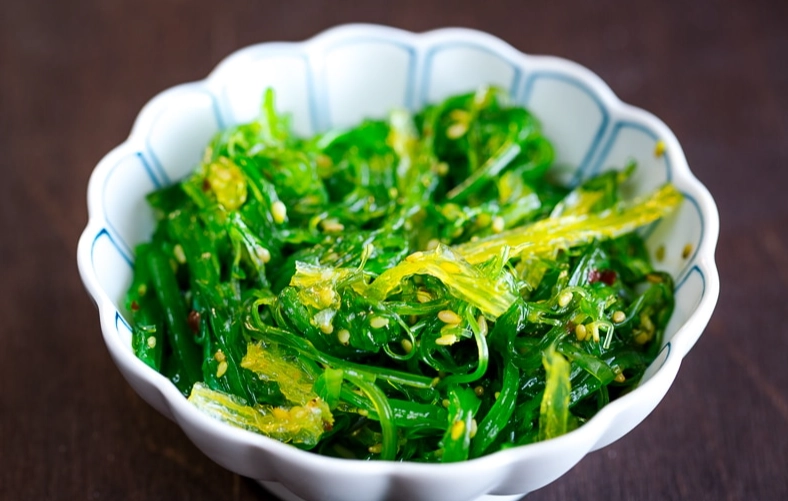
Why bother making it? First, control. Restaurant versions can be loaded with sugar, MSG, and artificial green coloring (yes, really). Homemade lets you adjust the sweetness and salt to your taste. Second, health. Wakame is a nutritional powerhouse. According to the USDA FoodData Central, it's incredibly rich in iodine, essential for thyroid function, and a good source of magnesium, calcium, and folate. It's low-calorie, high in fiber, and contains unique compounds like fucoxanthin, which some research suggests may have metabolic benefits.
Your Shopping List: A Breakdown of Every Ingredient
This recipe uses a classic sesame-based dressing. Every component has a role. Don't just substitute wildly on your first try—the balance is delicate.
| Ingredient | Quantity | Purpose & Notes |
|---|---|---|
| Dried Cut Wakame | 1/4 cup (about 10g) | The star. Expands to ~2.5 cups once soaked. Don't use the whole leaves meant for soup. |
| Rice Vinegar | 2 tablespoons | Provides essential tang and brightness. Mild and slightly sweet. Don't substitute with white vinegar—it's too harsh. |
| Toasted Sesame Oil | 1.5 tablespoons | The flavor backbone. Must be toasted (not light sesame oil). Kadoya or Ottogi are reliable brands. |
| Soy Sauce | 1 tablespoon | For umami and salt. Use regular or low-sodium. Tamari for gluten-free. |
| Granulated Sugar | 2 teaspoons | Balances the acidity and salt. This is less than most recipes; we're not making candy. |
| Fresh Ginger | 1 teaspoon, grated | Adds a warm, spicy kick. Non-negotiable for depth. |
| Garlic | 1 small clove, minced | Optional but recommended for a savory punch. |
| Toasted Sesame Seeds | 1 tablespoon | For crunch and nutty aroma. White or black, or a mix. |
| Cucumber & Carrot | 1/2 small cucumber, 1 small carrot | For color, texture, and freshness. Julienned or thinly sliced. |
Pro Tip: The biggest flavor gap between home and restaurant comes from the sesame oil and rice vinegar quality. Splurge a little on a good brand of toasted sesame oil—the difference is night and day. For rice vinegar, look for one without added salt or sugar for the most control.
How to Make Wakame Seaweed Salad: A Foolproof Step-by-Step Recipe
Step 1: Rehydrate the Wakame (This is Where Most Go Wrong)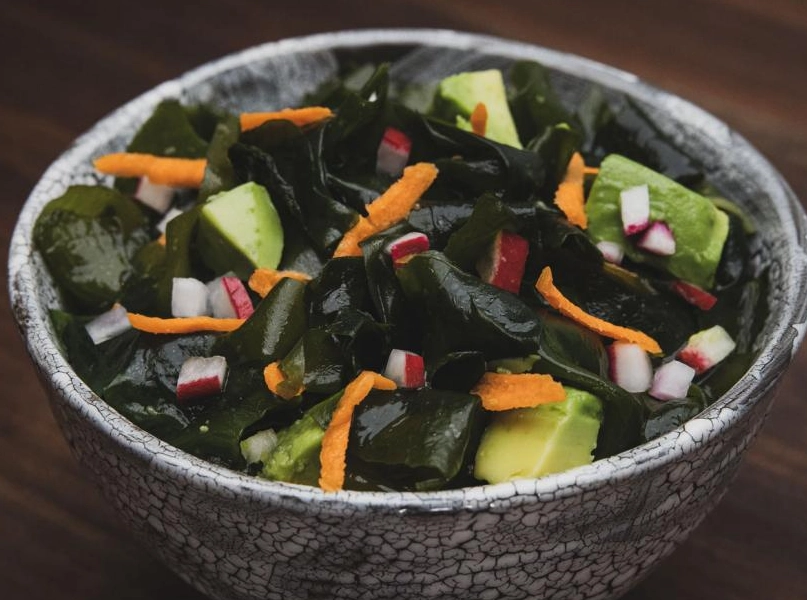
Put the 1/4 cup of dried wakame in a large bowl. Not a small bowl—it will grow. Cover with plenty of cool or lukewarm water. Hot water makes it slimy and mushy. Let it soak for 5 to 8 minutes only. Set a timer. I'm serious. After 5 minutes, start checking. It should be tender, expanded, and a vibrant green. Once it's ready, drain it immediately in a fine-mesh sieve.
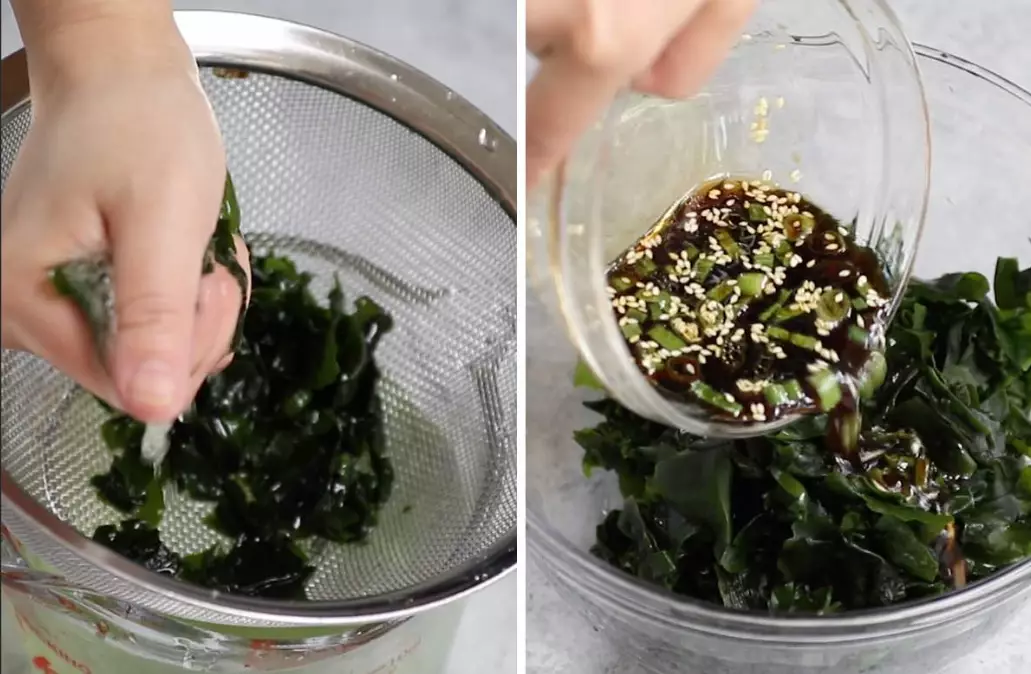
Here's the critical step everyone misses: squeeze it dry. Don't just drain it. Grab handfuls of the rehydrated wakame and gently but firmly squeeze out the excess water over the sink. You want it moist, not waterlogged. If you skip this, the dressing will slide off and become diluted, making the whole salad bland. Place the squeezed wakame in a clean, dry mixing bowl.
Step 2: Whisk the Magic Dressing
In a small bowl or jar, combine the rice vinegar, soy sauce, and sugar. Whisk or shake until the sugar is mostly dissolved. This is important—you don't want gritty sugar in your salad. Then, add the grated ginger, minced garlic (if using), and the toasted sesame oil. Whisk vigorously until the oil emulsifies slightly with the other liquids. It won't be perfectly creamy, but it should come together. Taste it. It should be a bold balance of tangy, salty, sweet, and nutty. Adjust to your preference, but remember it will season the entire salad.
Step 3: Combine, Toss, and Let it Marry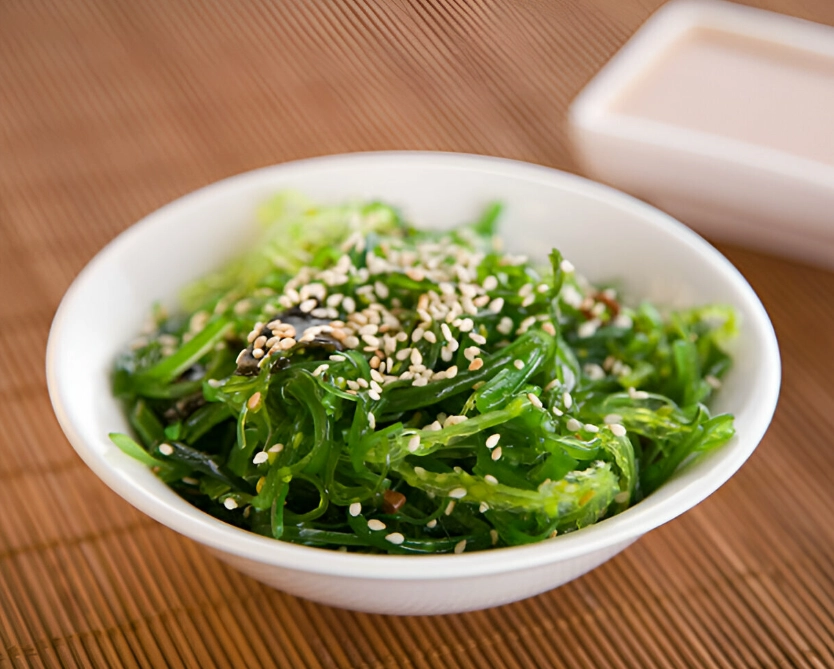
Pour the dressing over the squeezed wakame in the bowl. Add the julienned cucumber and carrot. Using tongs or two forks, toss everything together thoroughly, ensuring every strand of wakame gets coated. Sprinkle most of the toasted sesame seeds over and give it one more gentle toss.
Cover the bowl and refrigerate for at least 30 minutes. This marinating time is non-negotiable. The wakame absorbs the flavors, the vegetables soften slightly, and the whole thing chills into that refreshing salad you know. Overnight is even better.
3 Common Mistakes That Ruin Your Seaweed Salad (And How to Fix Them)
- Over-soaking the wakame. This is the #1 error. Soaking beyond 10 minutes turns it from pleasantly tender to unpleasantly slimy and mushy. It loses its delicate texture. Fix: Use a timer. Start checking at 5 minutes. It rehydrates fast.
- Not squeezing out the water. Watery wakame dilutes your carefully made dressing, resulting in a bland, pool-of-liquid-at-the-bottom salad. Fix: After draining, take the time to squeeze handfuls firmly. You'll feel the difference.
- Using a cloyingly sweet dressing. Many online recipes call for 2 or 3 tablespoons of sugar, which makes it taste like dessert. It overpowers the sea vegetable's natural umami. Fix: Start with 2 teaspoons. You can always add a pinch more after tasting the dressed salad before the final chill.
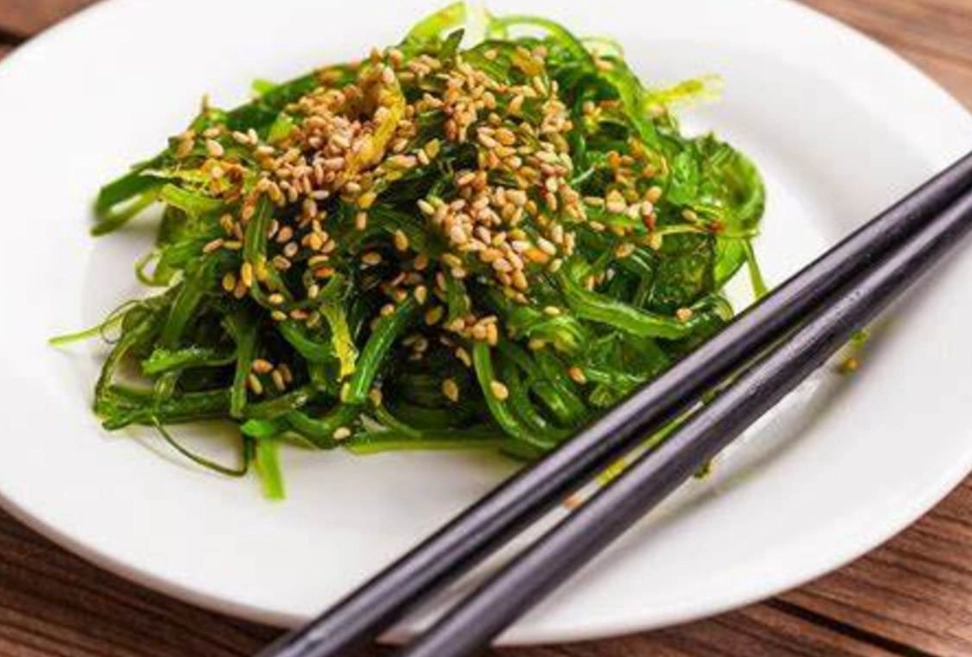
A Note on Color: Your homemade wakame salad will be a more natural, brownish-green, not the neon green of some restaurant versions. That neon color often comes from food coloring (like Brilliant Blue FCF and Tartrazine). Embrace the natural hue—it's a sign of real ingredients.
Beyond the Basics: Delicious Variations to Try
Once you've mastered the classic, play around.
The Spicy Kick: Add 1/2 to 1 teaspoon of Korean gochugaru (chili flakes) or a dash of sriracha to the dressing.
The Citrus Twist: Replace 1 tablespoon of the rice vinegar with fresh yuzu juice or lemon juice for a brighter, more aromatic profile.
The Protein Boost: Mix in some shelled edamame, thinly sliced grilled chicken, or flaked cooked salmon to turn it into a light main course.
The Creamy Version: Whisk a tablespoon of mayonnaise or a teaspoon of tahini into the dressing for a richer, creamier texture. It's surprisingly good.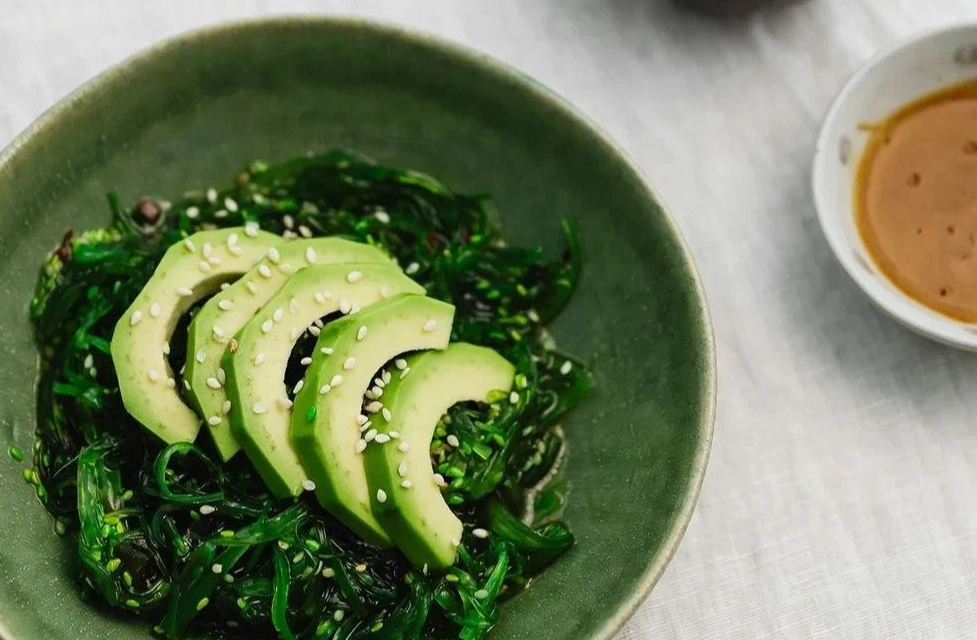
Serving, Storing, and Making It a Meal
Serve it chilled in small bowls as a refreshing side or appetizer. It's perfect alongside grilled fish, teriyaki chicken, or as part of a larger sushi night spread. Garnish with the remaining sesame seeds and maybe a tiny sprinkle of shredded nori.
It stores beautifully. Keep it in an airtight container in the fridge for 3 to 4 days. The flavors actually improve on the second day. The vegetables will soften, but the wakame holds up well. It does not freeze well—the texture will be destroyed.
To make it a complete, quick lunch, I often pack it over a bowl of warm brown rice or quinoa, with some avocado slices on the side. The dressing acts as a light sauce for the grains. It's my go-to when I need something healthy and satisfying in under five minutes of assembly.
Your Wakame Salad Questions, Answered
Why is my homemade wakame salad so salty and soft compared to the restaurant version?
Two likely culprits. First, you probably didn't squeeze the wakame dry after soaking, so it retained too much plain water and then didn't absorb the dressing properly, leaving concentrated saltiness on some bites and blandness on others. Second, you might have soaked it in warm water or for too long, breaking down its structure. Next time, use cool water, set a 7-minute timer, and squeeze thoroughly.
Can I use the fresh wakame I see at the Korean market?
Absolutely, but the method changes. Fresh or salted wakame needs to be blanched first to remove excess salt and soften it. Rinse it well, then drop it in boiling water for 30-60 seconds until bright green, then shock in ice water. Drain and squeeze before using. You'll need about 2-3 cups of prepared fresh wakame for this recipe.
 My dressing separates and doesn't coat the seaweed. What am I doing wrong?
This usually traces back to the wakame being too wet. A wet surface repels the oily dressing. Ensure you squeeze the rehydrated wakame firmly. Also, make sure to whisk the dressing vigorously just before pouring to create a temporary emulsion. Tossing the salad thoroughly with tongs, not just a spoon, helps distribute it evenly.
Is wakame salad actually healthy, or is it just the dressing?
Wakame itself is incredibly healthy—low in calories, high in minerals like iodine, magnesium, and calcium. The dressing in this recipe uses modest amounts of sugar and oil. The health downside comes from commercial versions that may use excessive sugar, corn syrup, and artificial additives. By making it yourself, you control the quality and quantity of ingredients, making it a genuinely nutritious choice. The Japanese Ministry of Health, Labour and Welfare's Dietary Reference Intakes highlights seaweed as a traditional source of essential nutrients.
I have an iodine sensitivity. Can I still eat this?
You should be cautious. Wakame is very high in iodine. A single serving of this salad could provide well over the daily recommended intake. If you have a thyroid condition that requires you to monitor iodine (like Hashimoto's thyroiditis for some), or a known sensitivity, consult your doctor. For most people, the iodine is beneficial, but it's a key consideration for a specific group.
Reader Comments