You see them at Japanese markets, roasted in street carts during winter, or featured in trendy cafes. Japanese potatoes. They look familiar, yet different. The question pops into your head: what does a Japanese potato actually taste like? Is it just a regular potato? The short, unsatisfying answer is: it depends entirely on which one you're talking about. Japan grows several distinct varieties, each with a unique flavor profile and purpose. The taste ranges from intensely sweet and creamy to earthy and starchy. Let's cut through the confusion and taste them together, one by one.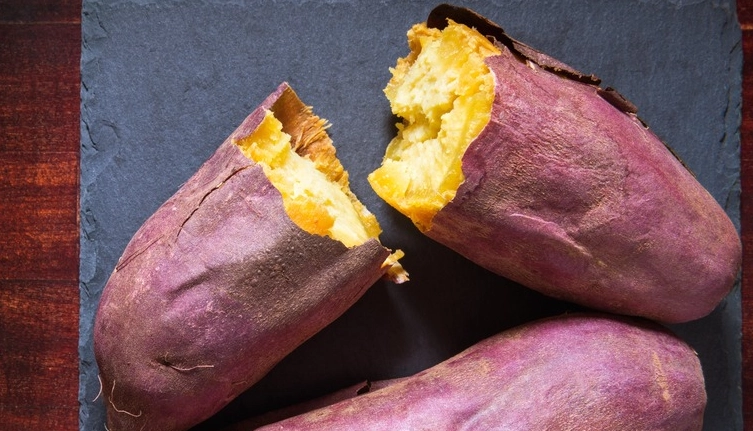
Quick Taste Guide
What Do Japanese Potatoes Actually Taste Like?
Forget the idea of a single "Japanese potato taste." It's like asking what European cheese tastes like. The flavor spectrum is broad. However, Japanese potato varieties are often bred for specific, superior qualities compared to their common Western counterparts. You'll generally encounter two main camps: the sweet potatoes and the white or yellow potatoes.
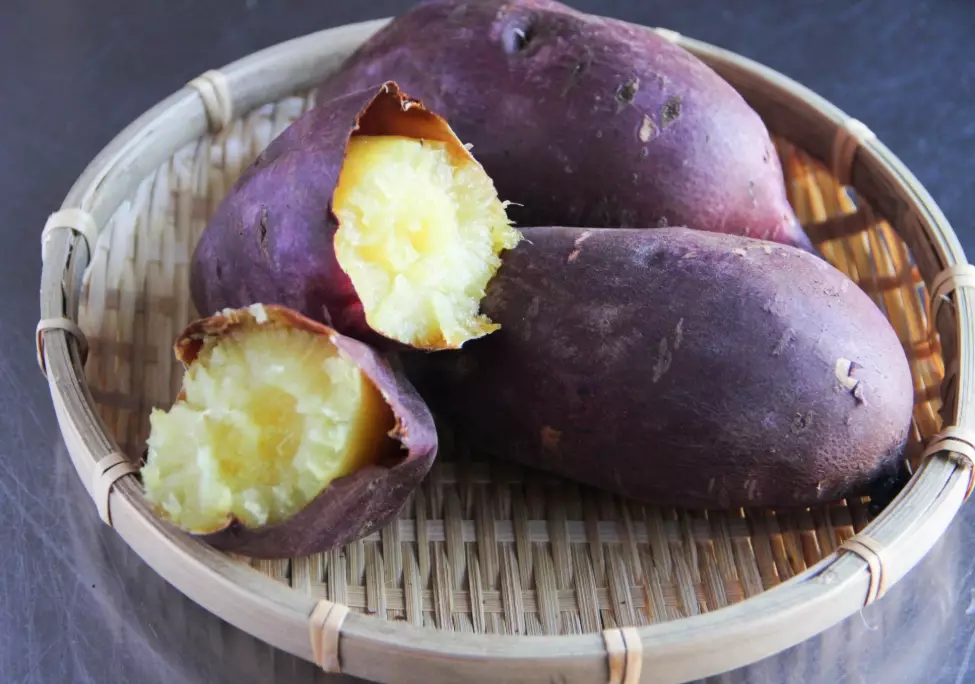
The sweet potatoes, like the famous Anno-imo or Beni-imo, are in a league of their own. When cooked, their flesh becomes incredibly soft, almost like a dense custard or sweet paste. The flavor is deeply sweet, with notes of chestnut, honey, and sometimes even a hint of caramel or vanilla. The sweetness is natural and rich, not sugary.
The white potatoes, like the Danshaku (男爵) or May Queen, have a higher starch content and lower moisture than many Russet or Yukon Gold potatoes. This gives them an exceptionally fluffy, dry, and powdery texture when boiled or steamed. The taste is clean, earthy, and subtly sweet, with a pronounced umami that makes them perfect for absorbing flavors in stews or for making the creamiest potato salad you've ever had.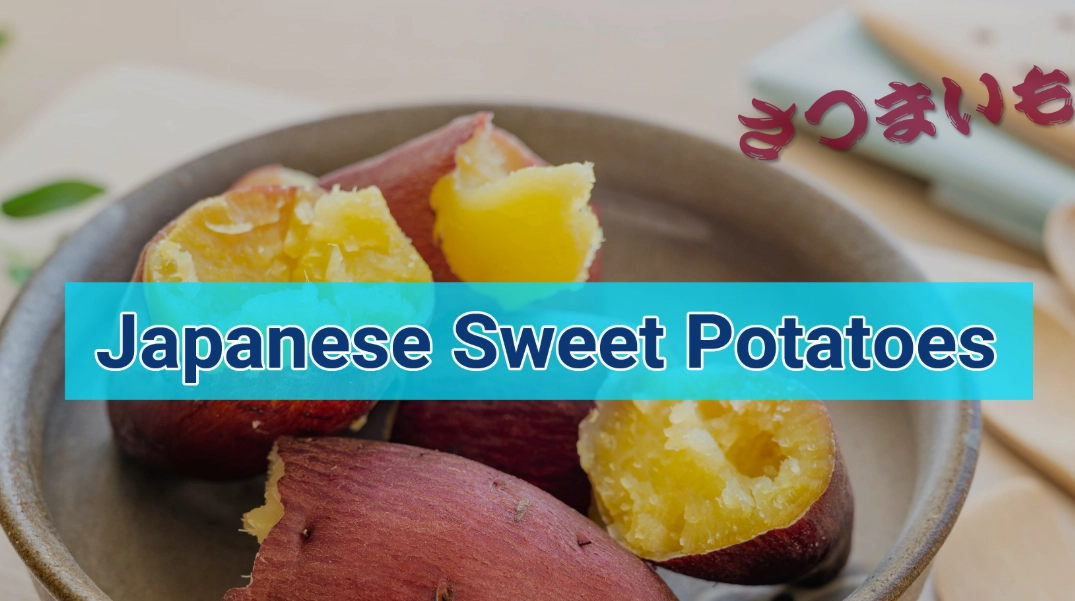
A Common Mistake: Don't judge a Japanese sweet potato by its raw appearance. Raw, they are hard, starchy, and bland. The magic—the intense sweetness and creamy texture—only happens through cooking, which converts their starches to maltose.
Top Japanese Potato Varieties & Their Flavors
Here’s a breakdown of the stars of the show. This table isn't just a list; it's your cheat sheet for what to buy and what to expect.
| Variety (Japanese Name) | Appearance | Flavor & Texture Profile | Best Cooking Methods |
|---|---|---|---|
| Anno-imo (安納芋) | Purplish-red skin, yellow flesh | Extremely sweet, creamy, moist. Tastes of chestnut, honey, and caramel. Texture is like a dense, smooth pudding. | Baking, roasting, steaming. The classic yaki-imo (roasted sweet potato). |
| Beni-imo (紅芋) | Dark purple skin, vibrant purple flesh | Sweet, but less so than Anno-imo. Earthy, slightly nutty flavor. The purple flesh is stunning and retains color when cooked. | Boiling, mashing, making into sweets like beni-imo tart or ice cream. |
| Danshaku (男爵) | Round, with shallow eyes. White skin and flesh. | Very starchy, fluffy, and dry. Mild, earthy flavor with good umami. Falls apart easily when boiled—this is a feature, not a bug. | Boiling for potato salad, mashing, making croquettes (korokke). |
| May Queen (メークイン) | Oblong shape, smooth yellow skin. | Waxy, firm, and holds its shape. Less starchy than Danshaku. Clean, slightly sweet taste. | Stews (nikujaga), curries, boiling where you need chunks to stay intact. |
| Kitakari (きたかり) | Yellow skin and flesh, similar to Yukon Gold. | Buttery, rich, and moist. A great all-rounder with a balanced sweetness and starch content. | Roasting, frying, gratin. Excellent for French fries or hash browns. |
My personal favorite is the Anno-imo. The first time I baked one, the smell that filled my kitchen was pure dessert—like a cross between pumpkin pie and roasting chestnuts. The flesh was so sweet and sticky it could have been a filling for a wagashi (Japanese confection). It's a potato that genuinely surprises people who think they don't like sweet potatoes.
On the other hand, the Danshaku is the workhorse. It makes the best Japanese potato salad because its fluffy texture absorbs the Kewpie mayo and creates this incredibly light, almost cloud-like dish. Using a waxy potato here would give you a chunky, gluey salad—a mistake I made once and won't repeat.
How to Cook Japanese Potatoes to Perfection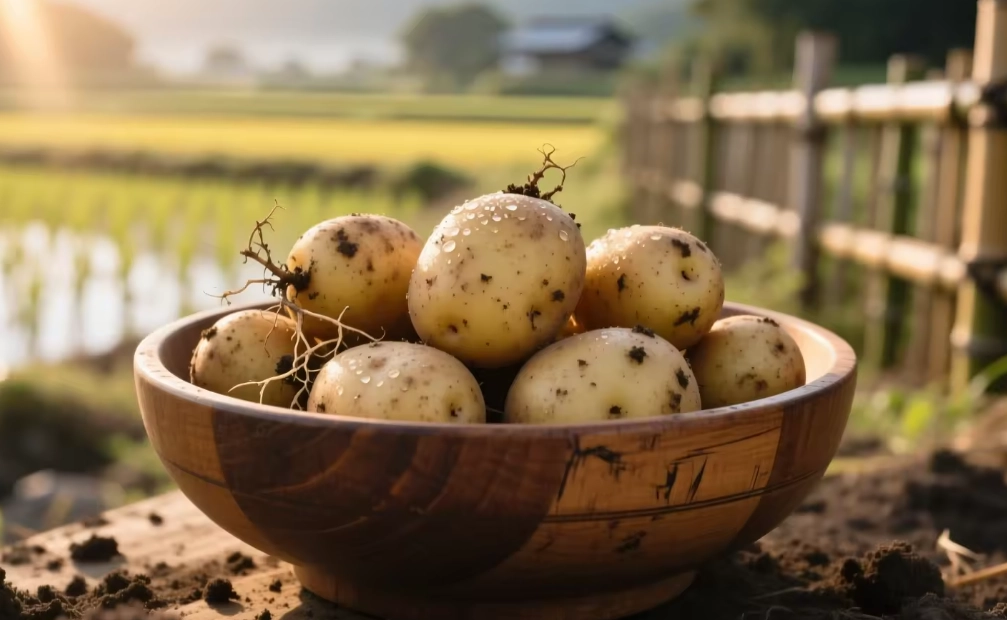
Choosing the right potato is half the battle. The other half is not ruining it with the wrong technique.
For Japanese Sweet Potatoes (Anno-imo, Beni-imo)
Baking/Roasting (Yaki-imo): This is the king of methods. Don't wrap it in foil. Scrub it, poke a few holes, and bake it directly on the oven rack at 200°C (400°F) for 60-90 minutes. The skin gets chewy, the natural sugars caramelize, and the inside becomes unbelievably soft. Let it rest for 10 minutes after baking—it gets even sweeter.
Steaming: A faster method that preserves moisture beautifully. Cut into chunks, steam for 20-25 minutes. Perfect for mashing or eating as is.
What NOT to do: Don't boil them whole for a long time. They can become waterlogged and lose that concentrated flavor. If you must boil, cut them up and keep an eye on the time.
For Japanese White Potatoes (Danshaku, May Queen)
Boiling for Salad: Start them in cold, salted water. Bring to a boil, then simmer until a skewer pierces easily. For Danshaku, they might start to crack—that's fine. Drain immediately and let the steam evaporate in the colander. Mash while still warm for the best texture.
In Stews (Nikujaga): Use May Queen. Peel and cut into large bite-sized pieces. Add them about 20-25 minutes before the end of cooking. They'll absorb the savory-sweet broth (soy, mirin, sugar) but keep their shape.
A trick I learned from a chef in Hokkaido: for super creamy mashed Danshaku, pass the boiled potatoes through a ricer or fine sieve. It seems fussy, but it eliminates any gumminess and gives you a texture that's impossibly smooth.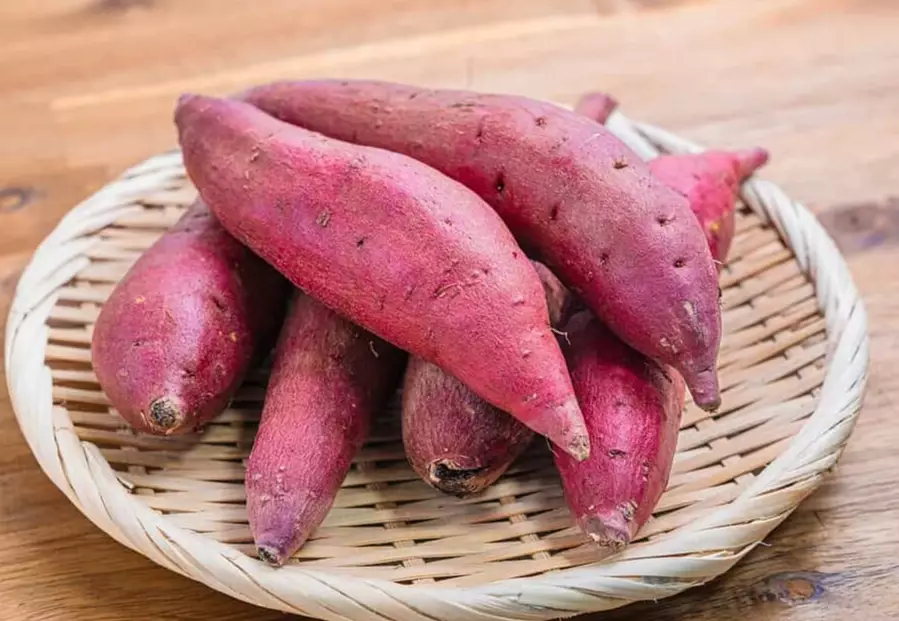
Where to Taste Authentic Japanese Potato Dishes
Reading about taste is one thing. Experiencing it is another. Here’s where you can find the real deal.
In Japan:
During autumn and winter, look for yaki-imo trucks. They drive around residential areas with a distinctive melodic call (often a recording of "yaki-imo, yaki-imo"). It's a warm, smoky, sweet snack for about 300-500 yen. In Hokkaido, visit a jiyū-gaoka (farm restaurant) and order jakku (jacket) potatoes loaded with butter and local seafood.
Specific Spot (Tokyo): Imoya (いもや) in Kanda. An old-school shop dedicated to sweet potatoes. They sell freshly roasted yaki-imo, sweet potato tempura, and even sweet potato shochu. The smell alone is worth the trip.
Outside Japan:
Check Japanese or Korean grocery stores like Mitsuwa, H Mart, or Nijiya Market. They often import Anno-imo and Beni-imo during season (fall to spring). For a restaurant experience, look for izakayas (Japanese pubs) that serve korokke (croquettes) or nikujaga. A well-made korokke, crispy outside and creamy inside, is a testament to the Danshaku potato.
Specific Spot (New York): Tsurutontan udon restaurant. While famous for udon, their side dishes sometimes feature seasonal Japanese potatoes, like a delicate sweet potato tempura that highlights the natural flavor without overpowering it.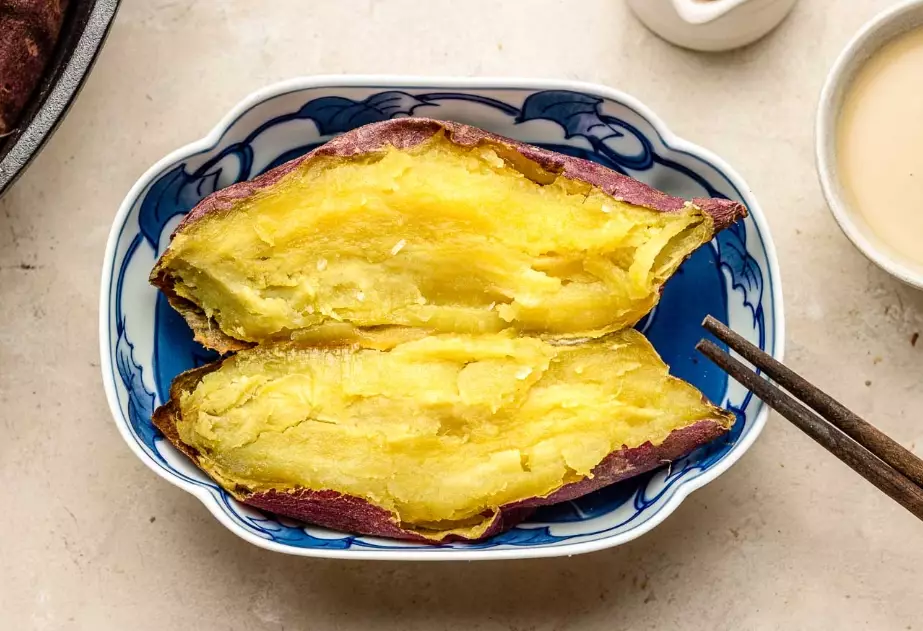
Your Japanese Potato Questions Answered
 Are Japanese potatoes healthier than regular potatoes?
Reader Comments