Getting kids excited about dinner can feel like a battle. You want healthy, they want fun. Japanese home cooking is the secret weapon you might not have considered. It's not all raw fish and complex techniques. At its heart, it's about simple, balanced, and visually appealing food—perfect for little hands and picky palates. I learned this living in Tokyo, watching how parents effortlessly turned a bowl of rice and some vegetables into a meal kids fought over. The magic is in the approach, not the difficulty.
What’s Cooking? Your Quick Guide
Why Japanese Food is a Win for Kids (And Stressed Parents)
Think about what makes a kid-friendly meal. It's usually separate, identifiable components, not a mixed-up casserole. It's often a bit sweet or savory, not too spicy. It can be fun to look at and even play with. Japanese washoku principles hit all these notes.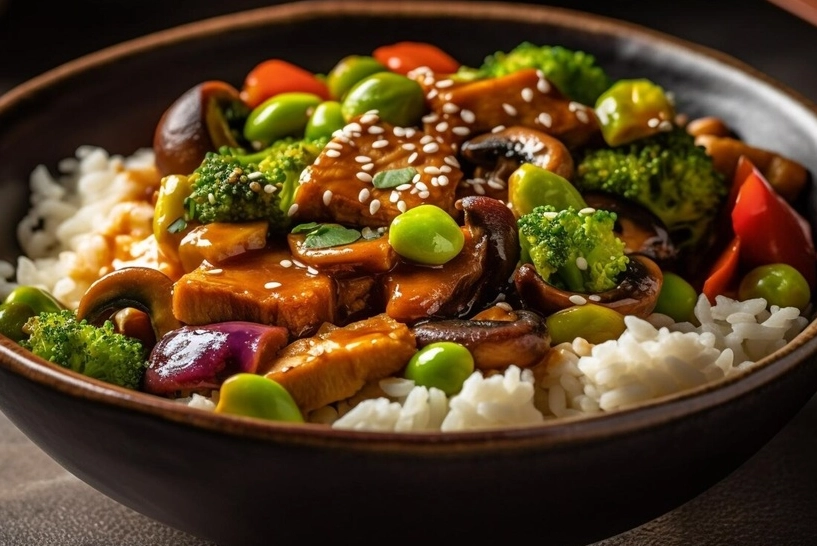
The typical meal structure—a main protein, a soup, a vegetable side, and rice—creates a built-in variety plate. Kids who might reject a stir-fry will happily pick at the chicken, then the carrots, then the rice. The flavors tend to be gentle, relying on staples like soy sauce, mirin (sweet rice wine), and dashi (a simple seaweed and bonito broth). You can find these in any Asian grocery store or online. Dashi powder is a total cheat code; it adds a savory depth (umami) that makes everything taste more interesting without being overpowering.
Here’s the thing most blogs don't say: you don't need to make dashi from scratch for weeknight kid meals. The instant powder is absolutely fine. The goal is to get food on the table that everyone eats, not to win a culinary purity contest.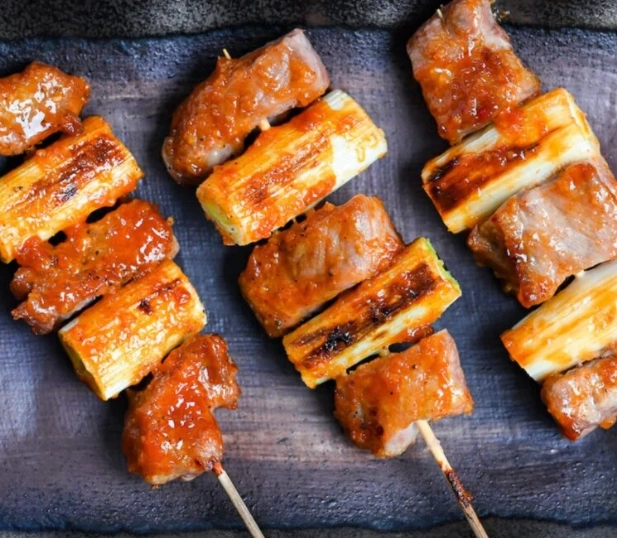
Starter Recipes (Almost No Cooking Needed)
Let's start with zero pressure. These are activities as much as recipes. Great for a rainy day or to get kids involved.
1. Tako-san Wiener (Octopus Sausages)
This is a classic obento (lunchbox) staple. It takes a minute and the transformation never fails to delight.
| Ingredient | Amount | Note |
|---|---|---|
| Hot dogs or frankfurters | 2-3 per child | Use beef or chicken, whatever you have. |
| Ketchup or okonomiyaki sauce | For serving | For dipping. |
How to make them: Simply slice the sausage in half lengthwise, stopping about an inch from the end. Then, turn it 90 degrees and slice it in half lengthwise again, creating four “legs” attached at one end. When you pan-fry them for a couple of minutes, the legs curl up like a little octopus. That's it. Serve with ketchup for dipping. The first time I made these for my niece, she named each one before eating it.
2. Yaki Onigiri (Grilled Rice Balls)
Plain rice can be boring. Shaped rice, brushed with a savory sauce and grilled until crispy? That's a different story.
Let the kids shape the warm rice into triangles, balls, or even simple patties. Mix a glaze of 1 tbsp soy sauce and 1 tbsp mirin (or a teaspoon of sugar). Brush it lightly on the shaped onigiri and pan-fry in a little oil for 2-3 minutes per side until golden and slightly crispy. The inside stays soft and warm.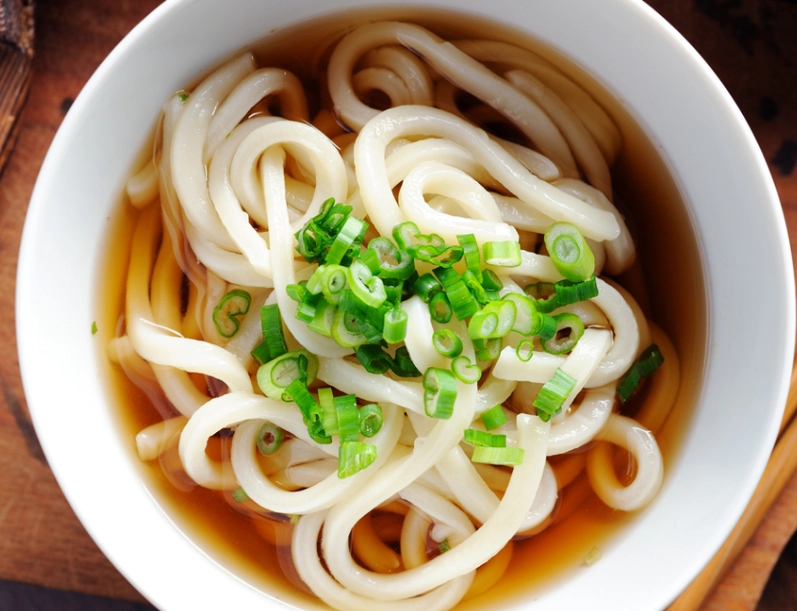
Simple Hot Meals for Lunch & Dinner
These are your reliable, one-pan or one-bowl wonders.
Oyako Don (Chicken & Egg Rice Bowl)
The name means "parent and child bowl," which is a bit dark but the dish is pure comfort. It's essentially chicken and onion simmered in a sweet-salty broth, then bound together with softly scrambled egg, all served over rice.
Most recipes tell you to cook the egg until just set. For kids, I go a bit further—closer to fully cooked but still tender. Runny egg can be a texture deal-breaker. The beauty is in the ratios: 1 part soy sauce, 1 part mirin, 2 parts dashi or water. Simmer sliced onion and bite-sized chicken thigh (thigh stays juicier than breast) in this mix for 5-7 minutes. Then, pour over 2 beaten eggs, cover the pan, and let it steam on low heat for another 2-3 minutes. Spoon it over a bowl of rice. It's saucy, sweet, savory, and everything mixes together perfectly.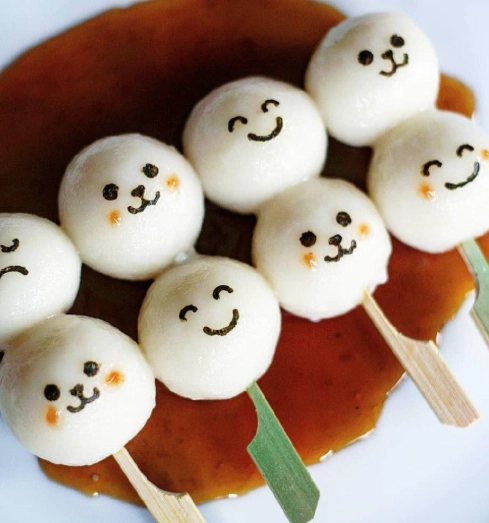
Wafu Hambāgu (Japanese-Style Hamburger Steak)
Think of a juicy, tender meatloaf patty without the loaf. It's a familiar format (a burger patty) with a Japanese twist.
- The Secret Ingredient: Grated onion and panko breadcrumbs soaked in milk. This keeps the patty incredibly moist and adds a subtle sweetness kids love.
- The Sauce: While the patties rest after pan-frying, deglaze the pan with a mix of ketchup, soy sauce, and mirin (or a bit of sugar and water). It creates a glossy, sticky sauce that's way more interesting than plain ketchup.
Serve with steamed broccoli and rice. It’s a guaranteed crowd-pleaser that feels like a treat but is packed with hidden veggies (that grated onion disappears completely).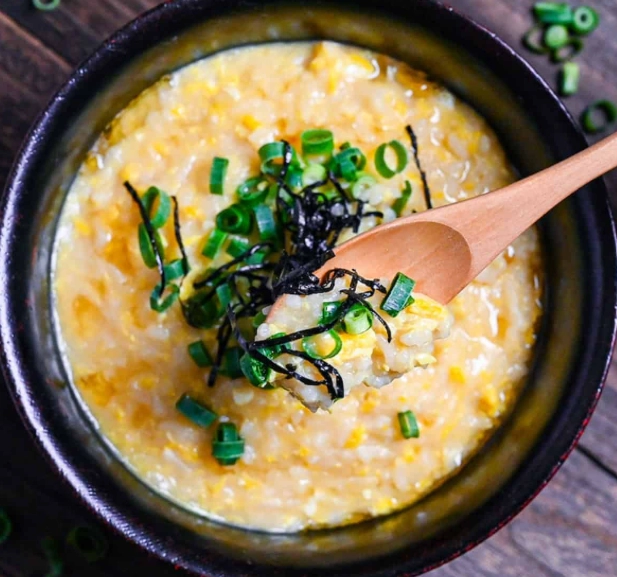
Healthy Snacks & Simple Sweets
Quick Miso Soup for Beginners
Forget the overly salty restaurant version. Homemade miso soup is gentle and nourishing. The base is hot water mixed with a tablespoon of miso paste (start with white miso—it's milder). Then you add "stuff."
For kids, keep it simple: soft tofu cubes and chopped wakame seaweed (the dried kind that rehydrates in seconds in the hot broth). That's it. It's warm, savory, and introduces new textures in a non-threatening way. My friend's son calls it "seaweed tea" and drinks it from a mug.
Fruit Daifuku (Strawberry Mochi)
This sounds fancy but can be simplified. The traditional method involves pounding glutinous rice. We're not doing that. Here's a cheat: use shiratamako (sweet rice flour) or even microwaveable mochi packets.
Mix 100g shiratamako with 100ml water and 2 tbsp sugar. Microwave for 1 minute, stir, then microwave in 30-second bursts until translucent and stretchy. Let it cool slightly, then dust your hands and a surface with cornstarch. Flatten a small piece of the mochi, place a whole small strawberry (or a spoonful of red bean paste if you're feeling adventurous) in the center, and wrap the mochi around it. The sweet, chewy outside with the fresh, juicy fruit inside is magical. It's a cooking project that ends with a delicious reward.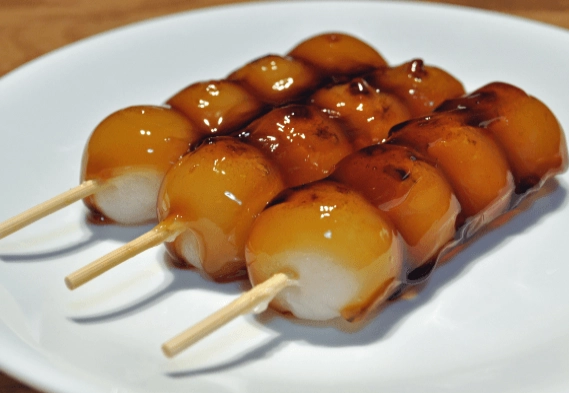
Kid-Friendly Cooking Tips & Tricks
Presentation matters more than you think. Use fun plates, bento boxes with dividers, or even a muffin tin for a "tasting plate." Cut vegetables with cookie cutters. Make faces with nori (seaweed) sheets.
Involve them in safe tasks: washing rice, tearing lettuce for a salad, mixing the hambāgu ingredients with clean hands, brushing sauce on the onigiri. The more they touch the food before it's cooked, the more likely they are to try it.
Don't stress about authenticity. No mirin? Use a tiny bit of sugar. No dashi powder? Use low-sodium chicken or vegetable broth. The core idea is the flavor profile: slightly sweet, savory, and umami-rich.
Your Questions on Japanese Cooking for Kids
My child is a picky eater and hates vegetables. Can Japanese recipes help?
Are these Japanese recipes for kids actually healthy?
What's the best Japanese dish to try first with a toddler?
I'm vegetarian. Can I adapt these easy Japanese recipes for kids?
Reader Comments