You see it on menus everywhere: yellowtail sashimi. It's often the priciest item in the sashimi section, right next to bluefin tuna. But what is it, exactly? Is it just a fancy name for a common fish? Let's cut through the confusion. Yellowtail sashimi, known in Japan primarily as hamachi or buri, is the pristine, raw flesh of the Japanese amberjack (Seriola quinqueradiata). It's not "yellowtail snapper" or any other fish vaguely called yellowtail. This specific fish, prepared as sashimi, offers a unique combination of rich, buttery flavor and a firm, succulent texture that has made it a cornerstone of high-end sushi bars worldwide. I've spent over a decade sourcing and serving seafood, and the number of restaurants that mislabel or misunderstand this fish is staggering. Getting it right matters—for your wallet and your taste buds.
What's Inside This Guide?
The Fish Itself: Hamachi vs. Buri vs. Yellowtail
This is where most confusion starts. In Japan, the name changes as the fish grows—a tradition called shusse uo (promoting fish).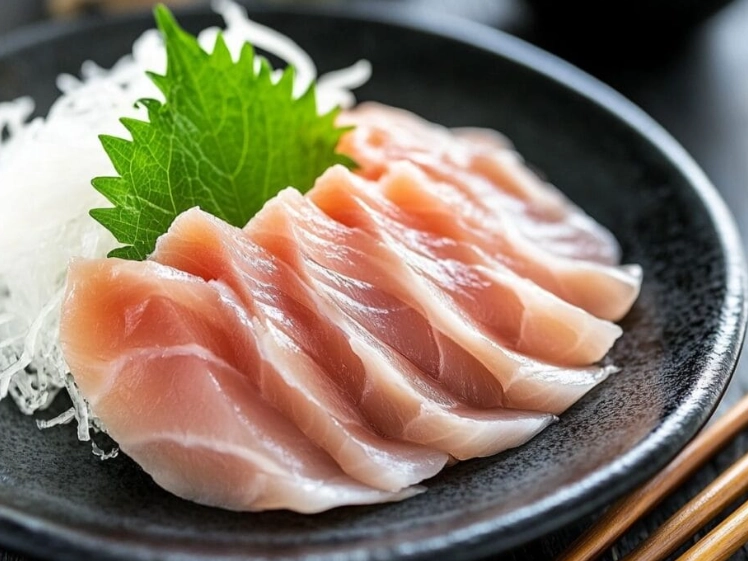
- Buri (ブリ): This is the adult wild fish, typically over 80cm. It's caught in the wild, has a stronger, more robust flavor, and is considered a winter delicacy. The flesh can be slightly darker and firmer.
- Hamachi (ハマチ): This is the young, farmed version, usually under 80cm. Over 90% of the yellowtail sashimi you eat outside of Japan is farmed hamachi. Farming allows for controlled fat content, resulting in that consistent, buttery texture we love. It's available year-round.
In the US, "yellowtail" almost always refers to hamachi. But here's a pro tip: if a menu just says "yellowtail," it's almost certainly farmed hamachi. If it boasts "wild buri" or "kan-buri" (cold-season buri), expect a different experience and a higher price tag.
Why does this naming matter? Because it directly impacts flavor, texture, price, and sustainability. Farmed hamachi has a lower carbon footprint than tuna and is a more stable choice, but debates about feed and stocking density exist. The Monterey Bay Aquarium Seafood Watch generally lists farmed Japanese hamachi as a "Good Alternative," while wild-caught Japanese yellowtail is often a better choice. Always ask your server or fishmonger.
Flavor & Texture: Why It's So Addictive
Close your eyes and take a bite. The first thing you notice is the texture—smooth, almost creamy, with a satisfying firmness that melts without being mushy. Then the flavor hits: mild, clean, with a distinct richness that's often described as buttery or nutty. There's no strong "fishy" taste.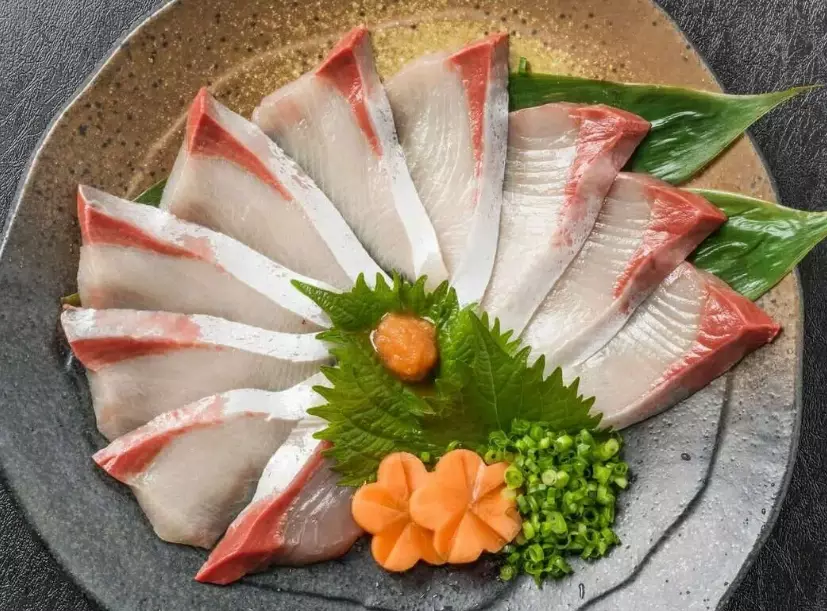
The high fat content (those healthy omega-3s) is the star. This fat marbling is what chefs look for. A common mistake is thinking fattier is always better. An overly fatty piece can feel greasy on the palate. The best cuts have a balance—silky fat woven through firm, translucent flesh.
Compared to other sashimi staples:
| Fish | Flavor Profile | Texture | Fat Content |
|---|---|---|---|
| Yellowtail (Hamachi) | Rich, buttery, mildly sweet | Firm, succulent, creamy | High |
| Salmon (Sake) | Distinctly fatty, oily, robust | Very soft, buttery | Very High |
| Tuna (Maguro) | Meaty, clean, metallic hint | Dense, meaty | Low to Medium |
| Sea Bream (Tai) | Delicate, subtle, slightly sweet | Firm, crisp | Low |
How to Eat Yellowtail Sashimi Like a Pro
It's not just about dipping it in soy sauce. To truly appreciate hamachi sashimi, follow these steps. I learned this from a sushi master in Tokyo who scoffed at how Westerners drowned his fish.
1. Observe the Cut. It should be about 1/4 inch thick, cut against the grain to shorten the muscle fibers, making it tender. The surface should look glossy, not dry.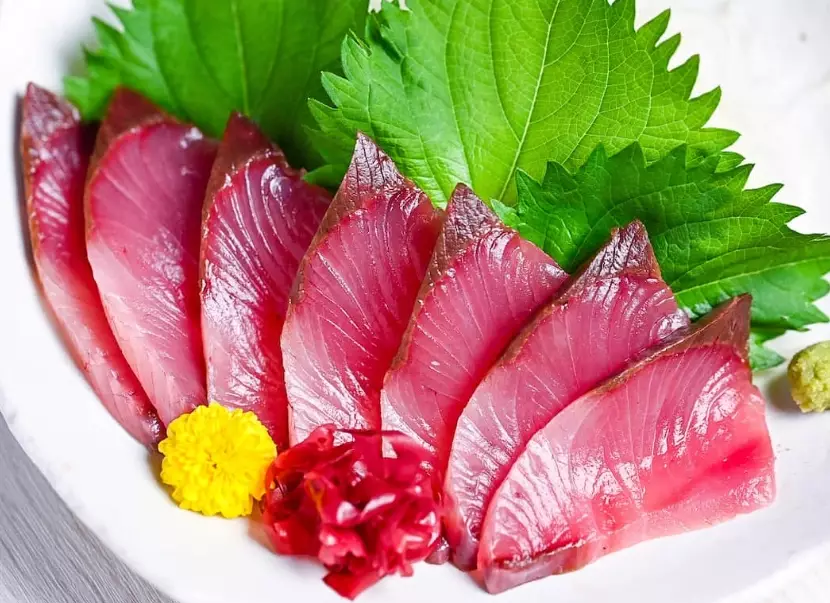
2. Minimal Soy Sauce. Use the soy sauce sparingly, if at all. Pour a small amount into a dish. Never dunk the fish. Instead, lightly dip a corner. Better yet, ask for ponzu (citrus-soy sauce) or a squeeze of fresh lemon or yuzu. The acidity cuts the richness perfectly.
3. Garnish Smartly. Use the provided shiso leaf (the green, minty leaf) or grated daikon as a palate cleanser between pieces, not as a wrap for the fish.
4. Order of Eating. Eat yellowtail after lighter white fish like flounder or sea bream, but before the heaviest, oiliest fish like salmon or mackerel. This allows your palate to appreciate its subtle richness.
Avoid this rookie mistake: Mixing wasabi into your soy sauce bowl. The sushi chef has already placed the correct amount of wasabi between the fish and rice in nigiri, or may omit it for sashimi. If you want extra wasabi, place a small dab directly on the fish before dipping. The murky, strong soy-wasabi mixture overpowers the delicate flavor of yellowtail.
Health & Nutrition: The Good Fats
Yes, it's rich, but it's rich in the right things. A 100-gram serving of yellowtail sashimi is a nutritional powerhouse:
- High-Quality Protein: About 23 grams, essential for muscle repair.
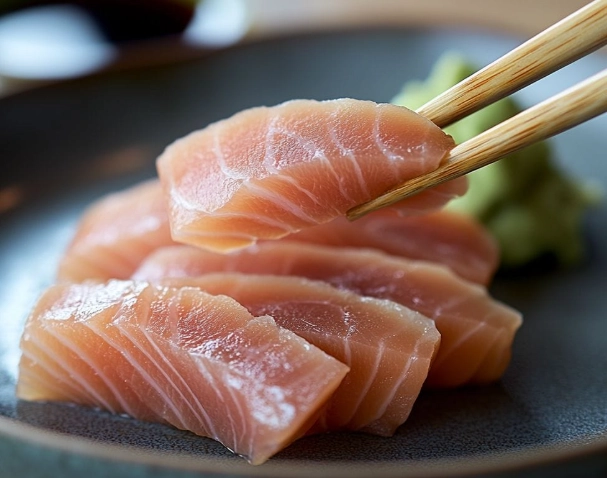
- Omega-3 Fatty Acids (EPA & DHA): Roughly 1,500 mg. These are crucial for heart health, reducing inflammation, and supporting brain function. According to the American Heart Association, eating fatty fish like yellowtail twice a week is recommended.
- Vitamin B12: Well over 100% of your daily needs, vital for energy and nerve health.
- Selenium: A powerful antioxidant.
The caveat? Sodium from soy sauce. That's another reason to dip lightly.
Buying & Storing: Your At-Home Guide
Want to try making yellowtail sashimi at home? You can, but you must be meticulous. This isn't the fish to buy on a whim.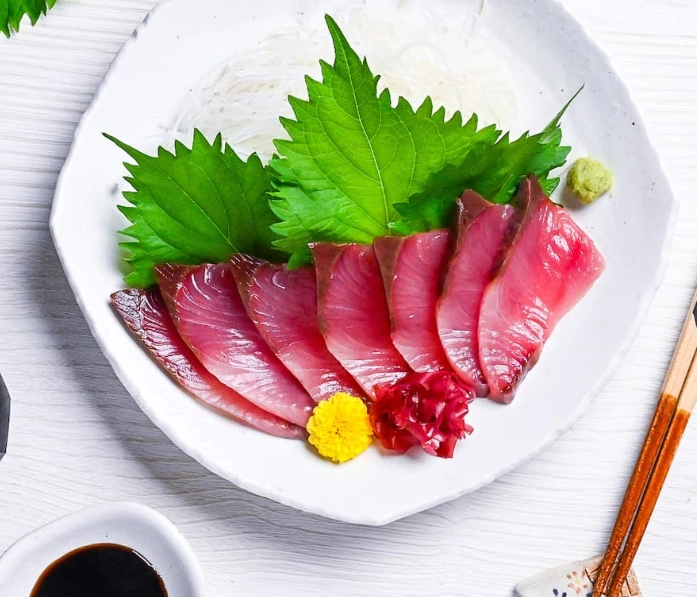
How to Select the Freshest Fish
First, find a reputable fishmonger, preferably one specializing in Japanese seafood. Don't be shy—ask questions.
What to ask: "Is this sashimi-grade hamachi?" (This means it's been frozen to a specific temperature to kill parasites, a FDA recommendation). "When was it filleted?" "Is it farmed or wild?"
What to look for: The flesh should be a translucent, pearly white with a pinkish hue and visible, clean white fat lines. It should smell fresh and oceanic, like the sea breeze, not fishy or ammonia-like. The surface should be moist but not wet or slimy.
Storage and Prep at Home
If you're not eating it immediately, store it in the coldest part of your fridge, ideally on a rack over ice, and consume within 24 hours. When ready to serve, use a razor-sharp knife (a yanagiba or sujihiki if you have one) wiped with a damp cloth between cuts. Cut in a single, confident pulling motion.
Where to Find Exceptional Yellowtail Sashimi
While you can find it at many sushi spots, quality varies wildly. Here are two standout approaches, based on my travels:
1. The High-End Specialist (Los Angeles, CA)
Spot: Sushi Ginza Onodera (or similar omakase temples).
Why it's special: They often source specific grades of hamachi, sometimes even kan-buri in winter. The cutting technique is precise, and they serve it with minimal intervention—maybe just a pinch of sea salt and a drop of yuzu. Expect to pay $15-$30 for a few exquisite pieces as part of a $200+ omakase. It's an investment in understanding the pinnacle of the ingredient.
2. The Value-Driven Quality Joint (Any Major City)
Look for smaller, chef-owned sushi bars that list the provenance. A menu that says "Japanese hamachi from Kagoshima" is a good sign. In New York, places like Sushi Nakazawa offer impeccable quality. A sashimi plate with yellowtail might cost $25-$40. Call ahead and ask if they have hamachi sashimi that day—the best places get specific deliveries.
Avoid all-you-can-eat buffets for yellowtail sashimi. The fish is too expensive for them to serve the good stuff in that model.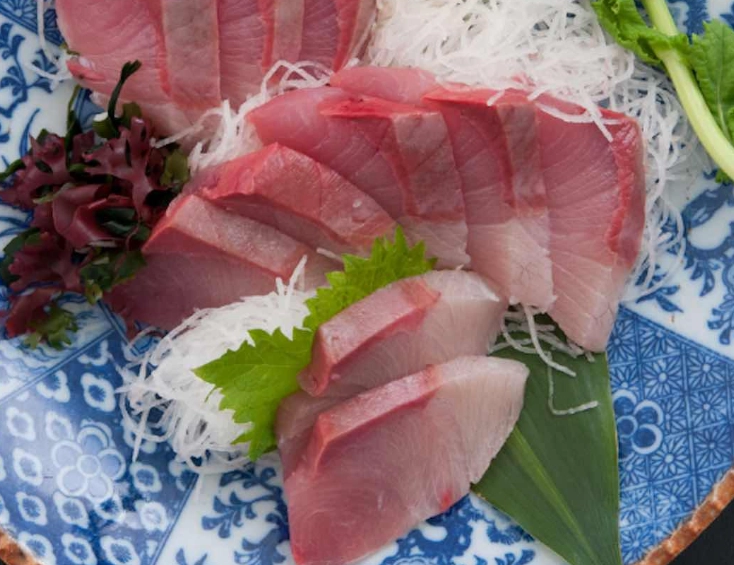
Reader Comments