Let's be honest. Most homemade gyoza recipes fall short. They're either soggy, bland, or fall apart in the pan. After years of trial and error (and some frankly embarrassing failures at dinner parties), I've nailed down a method that consistently delivers what you're after: juicy pork and cabbage filling wrapped in a thin, tender skin, all anchored by that iconic, lacy, golden-brown crispy bottom. This isn't just a list of ingredients; it's the blueprint I wish I had when I started.
What You'll Master in This Guide
- The One-Ingredient Secret to a Juicy, Non-Watery Filling
- How to Assemble Gyoza Like a Pro (Even If You're All Thumbs)
- The Foolproof Pan-Fry-Steam Method for Perfect Crispiness
- What is the Best Gyoza Dipping Sauce?
- Top 3 Mistakes That Ruin Homemade Gyoza
- Meal Prep Magic: Freezing and Reheating Tips
- Your Gyoza Questions, Answered
The One-Ingredient Secret to a Juicy, Non-Watery Filling
The heart of a great gyoza is its filling. The classic combo is ground pork, cabbage, garlic, ginger, and green onion. Sounds simple, right? Here's where 90% of recipes go wrong: they don't deal with the cabbage properly.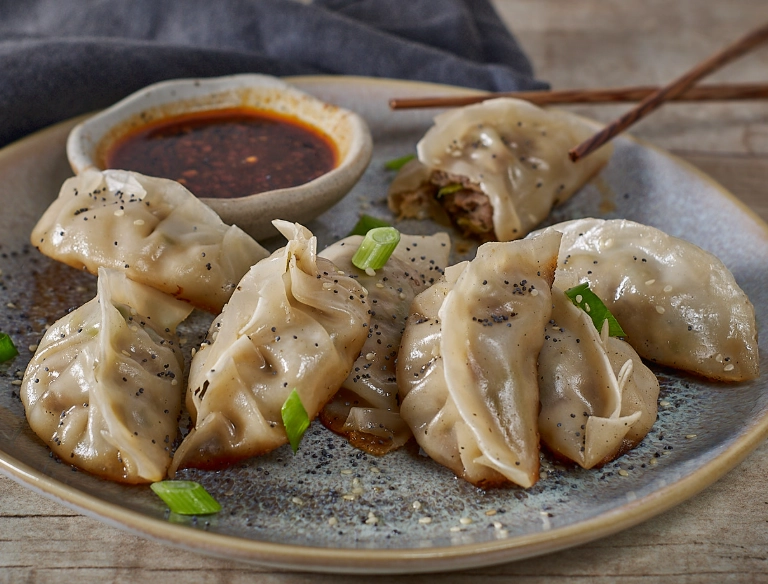
Cabbage is mostly water. If you chop it and mix it in raw, it releases all that moisture during cooking. The result? A soggy filling that steams from the inside out, making the wrapper mushy and causing the dumpling to burst. It's a mess.
The Pro Move: Salt your cabbage. Finely chop about 1/4 of a large napa cabbage, toss it with 1-2 teaspoons of salt, and let it sit for 15-20 minutes. You'll see a pool of water form. Then, take handfuls of the cabbage and squeeze, squeeze, squeeze until no more liquid comes out. This step is non-negotiable. It concentrates the cabbage flavor and removes the water-bomb effect. The first time I did this, the difference was night and day.
Now, for the mix. Balance is key. You want umami, savoriness, a hint of sweetness, and fragrance.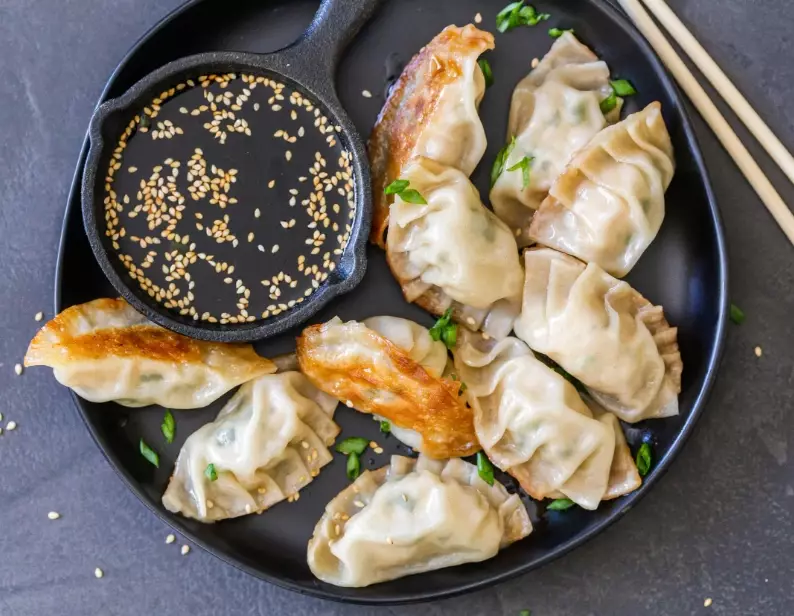
| Ingredient | Amount | Role & Why It Matters |
|---|---|---|
| Ground Pork (70/30 fat ratio) | 250g / 0.5 lb | Fat = flavor and juiciness. Lean pork makes dry gyoza. |
| Dehydrated, Squeezed Napa Cabbage | 150g / 1.5 cups | Adds texture and a slight sweetness. Pre-treated as above. |
| Finely Chopped Garlic | 2 cloves | Aromatic base. Don't use powder. |
| Grated Fresh Ginger | 1 tbsp | Bright, spicy fragrance. The fresh zip is irreplaceable. |
| Chopped Green Onions | 3-4 stalks | Fresh, oniony crunch. |
| Soy Sauce | 1.5 tbsp | Salt and umami. Use a good quality one. |
| Sesame Oil | 1 tbsp | Nutty aroma. Added at the end to preserve its flavor. |
| Sake or Shaoxing Wine | 1 tbsp | Subtle sweetness, removes gaminess from pork. |
| White Pepper | 1/2 tsp | Warm, complex heat. Better than black pepper here. |
Mix everything except the sesame oil in one direction until it becomes slightly sticky and cohesive. This helps the proteins bind. Fold in the sesame oil last. Cover and let it rest in the fridge for at least 30 minutes. This lets the flavors marry.
How to Assemble Gyoza Like a Pro (Even If You're All Thumbs)
Don't be intimidated by the fancy pleats. A basic seal works fine, but a few pleats look great and create a better seal. Use round gyoza wrappers (found in the freezer section of Asian markets). Thaw them slowly in the fridge to prevent drying.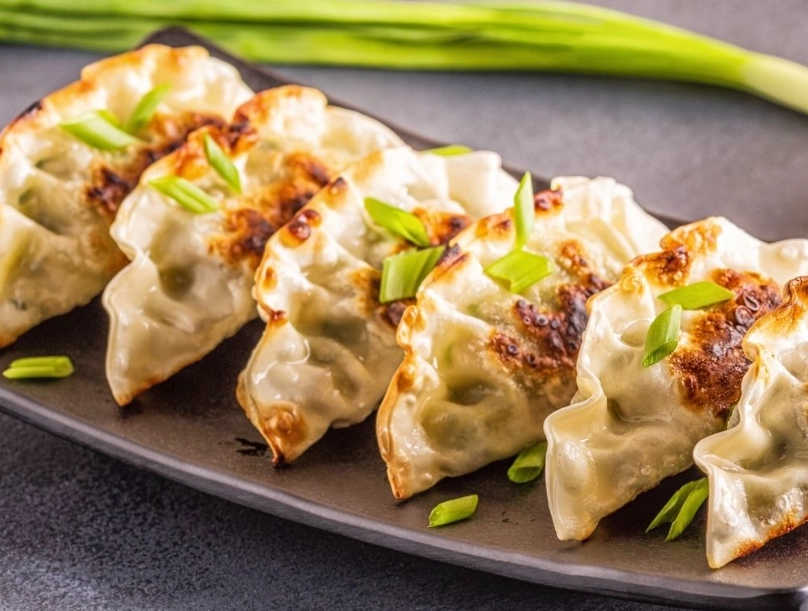
The Step-by-Step Fold
- Prep your station: Wrappers, filling bowl, a small bowl of water, and a lightly floured tray for the finished dumplings.
- Scoop: Place a wrapper on your palm. Add about 1 teaspoon of filling in the center. Do not overfill. This is the number one assembly mistake.
- Wet and fold: Dip a finger in water and moisten the entire outer rim of the wrapper. Fold it in half over the filling, creating a half-moon shape. Press the top center to seal.
- Pleat (optional but recommended): Starting from one end, use your thumb and index finger to make a small fold on the top layer of wrapper, pressing it onto the bottom layer. Make 3-4 pleats towards the center. Repeat on the other side. The goal is to create a slight crescent curve, which helps it sit flat in the pan.
- Final seal: Press along the entire edge firmly to ensure no air pockets remain. Place on the tray, ensuring they aren't touching.
If your first few look like sad, lumpy pillows, that's normal. My first batch looked like they'd been in a fight. Speed comes with practice. Focus on a tight seal first, pleats later.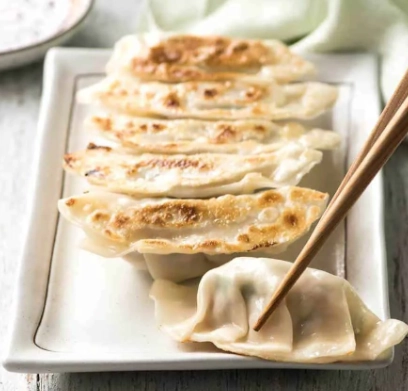
The Foolproof Pan-Fry-Steam Method for Perfect Crispiness
This is the magic. You get the crispy fried bottom and the tender, steamed top. You need a non-stick or well-seasoned cast iron skillet with a lid.
- Heat the pan: Medium-high heat. Add a neutral oil with a high smoke point, like canola or vegetable oil, to coat the bottom generously.
- Arrange: Place the gyoza in the pan, flat side down (the pleated side up). Don't crowd them. They can touch but shouldn't be crammed. Let them fry for 2-3 minutes until the bottoms turn a deep, golden brown. You should hear a steady sizzle.
- The Steam: This is critical. Have 1/3 cup of water ready. Pour it carefully into the pan—it will splatter. Immediately cover with the lid. Reduce heat to medium.
- Steam to cook: Let them steam for 6-7 minutes. This cooks the filling and softens the wrapper tops. You'll hear the water bubbling away.
- Crisp again: Once the water has mostly evaporated, remove the lid. Let any remaining water cook off. Drizzle about 1 teaspoon of sesame oil around the edges of the pan for extra aroma and crispness. Let them fry for another 1-2 minutes until the bottoms re-crisp.
- Serve: Loosen them with a spatula. The ideal move is to invert the whole pan onto a large plate, presenting the crispy bottoms on top. Impressive and practical.
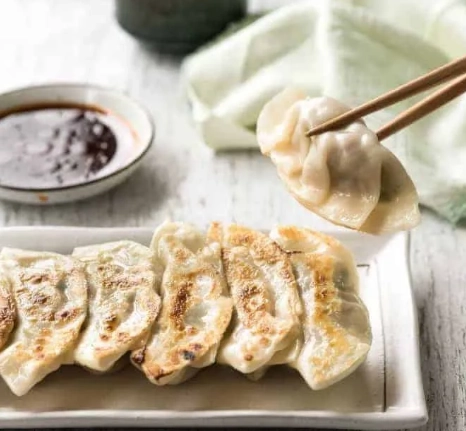
Watch Out: If you lift the lid too early, you lose the steam pressure needed to cook the top. If you skip the final uncovered fry, the bottoms can get soggy from residual moisture. Timing here is everything.
What is the Best Gyoza Dipping Sauce?
A great sauce elevates everything. The base is always soy sauce and rice vinegar. The ratio is personal, but I find a 1:1 ratio too sharp. My perfect blend:
- 2 tablespoons soy sauce
- 1.5 tablespoons unseasoned rice vinegar
- 1/2 teaspoon sesame oil
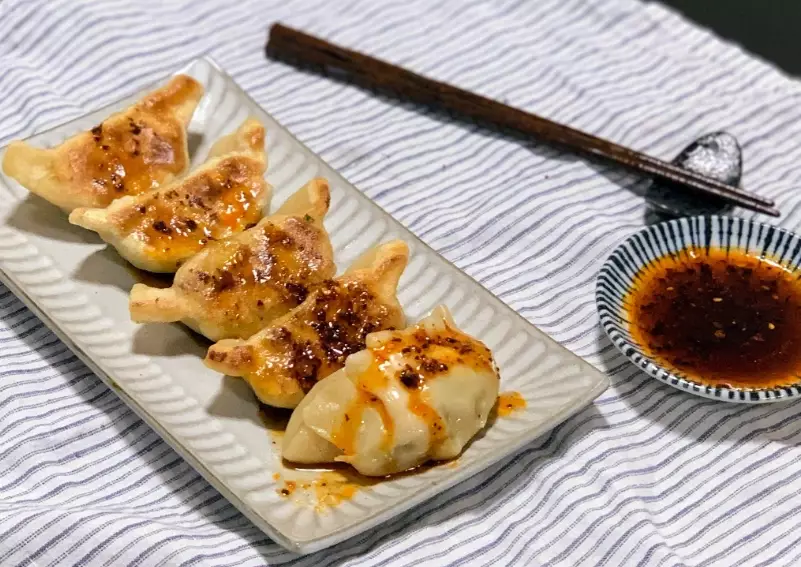
- 1 teaspoon chili oil (like Lao Gan Ma, for heat and sediment)
- Thinly sliced green onion or a few drops of chili garlic sauce
Mix it in a small bowl. Let it sit for 5 minutes. The vinegar mellows slightly. Some people add a pinch of sugar, but I find the natural sweetness of the filling is enough. According to a flavor science piece in Scientific American, the combination of salty soy and acidic vinegar creates a powerful umami synergy that makes the pork taste even richer.
Top 3 Mistakes That Ruin Homemade Gyoza
- Wet Filling (The Soggy Disaster): As discussed, not treating the cabbage. This is the root cause of most structural failures.
- Overcrowding the Pan: Gyoza need space to steam properly. If they're piled on top of each other, they'll steam unevenly and stick together into one giant, frustrating clump.
- Using the Wrong Wrapper: Gyoza wrappers are thinner than wonton wrappers. Using a thick wonton skin results in a doughy, chewy texture that never gets properly tender. Look for packages specifically labeled "gyoza" or "pot sticker" wrappers.
Meal Prep Magic: Freezing and Reheating Tips
Gyoza are a freezer champion. Assemble them on a tray, freeze until solid (1-2 hours), then transfer to a freezer bag. They'll keep for 2-3 months. Cook from frozen—just add 1-2 extra minutes to the steaming time. No need to thaw.
To reheat leftover cooked gyoza, don't microwave them (they turn to rubber). Re-crisp them in a pan over medium heat with a tiny splash of water, covered, for 3-4 minutes. They'll come back to life.
Your Gyoza Questions, Answered
Can I make gyoza ahead of time and freeze them before cooking?
Absolutely, it's the best way. Lay uncooked, assembled gyoza on a parchment-lined baking sheet so they're not touching. Freeze solid for a few hours, then bag them up. Cook directly from frozen, adding an extra 2-3 minutes to the steaming step. The wrapper might develop tiny cracks if frozen for months, but it rarely affects the final product.
My gyoza keep sticking to the pan and tearing. What am I doing wrong?
Three likely culprits. First, the pan isn't hot enough when you add them. Wait for the oil to shimmer. Second, you're moving them too soon. Let that crispy crust form before you even think about nudging them. Third, you're using a pan with poor non-stick properties. A well-seasoned cast iron or a decent non-stick skillet is worth the investment for this.
What's a good vegetarian substitute for the pork in this gyoza recipe?
You need something with fat and substance. Finely chopped mushrooms (shiitake or cremini) are fantastic—they provide a meaty texture and deep umami. Sauté them first to drive off moisture. A mix of mushrooms, crumbled firm tofu (pressed dry), and finely chopped cabbage works well. Boost the seasoning with a bit more soy sauce and maybe a dash of mushroom powder.
Is there a trick to getting that really lacy, web-like crispy bottom I see in restaurants?
That's a "lace skirt" or "hanetsuki." It's a simple flour-water slurry. After the initial fry and before adding the water for steaming, mix 1 tsp of flour or cornstarch into your 1/3 cup of water. Pour that slurry in. As the water evaporates, the starch left behind fries into a delicate, crispy lattice connecting all the dumplings. It looks spectacular but requires a bit more confidence to flip onto a plate.
Reader Comments