Let's cut to the chase. Is tekka maki healthy? In most cases, yes, tekka maki is one of the healthier sushi options you can order. But that simple "yes" hides a lot of nuance. The real answer depends on the quality of the tuna, the rice-to-fish ratio, the type of rice used, and what you're comparing it to. A well-made tekka maki (tuna roll) is a lean source of protein packed with beneficial nutrients. A poorly made one can be a vehicle for excessive carbs and hidden sodium. Having spent years exploring sushi bars from Tokyo to New York, I've seen the full spectrum—from minimalist perfection to rolls drowning in sauce and packed with filler rice.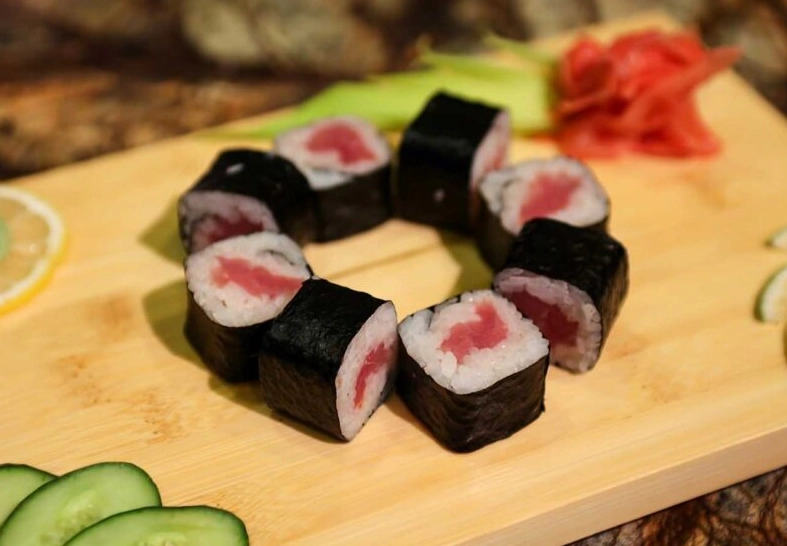
What's Inside?
- What Exactly Is Tekka Maki?
- The Nutritional Breakdown: What's in Your Roll?
- Key Health Benefits of Choosing Tekka Maki
- Potential Health Concerns and How to Navigate Them
- How Tekka Maki Stacks Up Against Other Sushi Rolls
- Making the Healthier Choice: A Practical Guide
- Your Tekka Maki Questions, Answered
What Exactly Is Tekka Maki?
Tekka maki is a classic Japanese sushi roll. "Tekka" is a somewhat old-fashioned slang term for gambling halls, where this quick, handheld snack was supposedly popular. "Maki" means roll. At its core, it's just three ingredients: sushi rice, nori (seaweed sheet), and raw tuna. No cucumber, no avocado, no fancy sauces. This simplicity is its greatest strength from a health perspective. You're getting the pure flavors and nutrients of the fish and rice, without the calorie and fat bombs that come with spicy mayo, tempura flakes, or cream cheese. When you see a menu with dozens of elaborate rolls, the humble tekka maki is often the nutritional dark horse.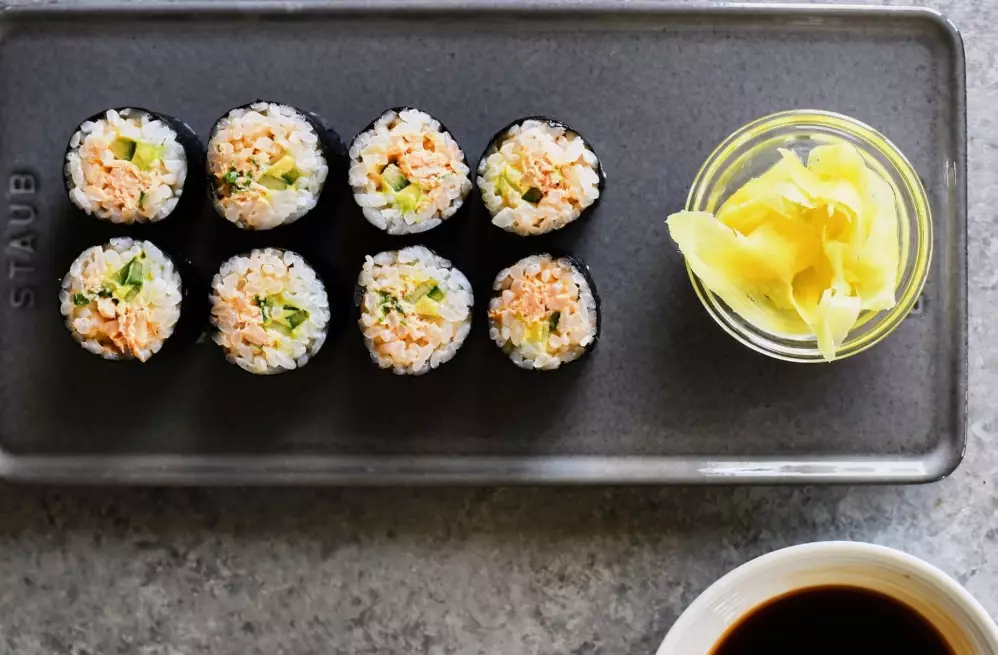
The Nutritional Breakdown: What's in Your Roll?
Let's get specific. A typical order of tekka maki is six pieces. Here's a rough estimate of what that provides, based on standard restaurant preparation and data from sources like the USDA FoodData Central.
| Nutrient | Approximate Amount (6 pieces) | Key Points |
|---|---|---|
| Calories | 180 - 250 kcal | Highly dependent on rice quantity. A lighter hand with the rice keeps it at the lower end. |
| Protein | 12 - 18g | Excellent source from the tuna. Crucial for satiety and muscle maintenance. |
| Carbohydrates | 25 - 35g | Almost entirely from the sushi rice (vinegared short-grain rice). |
| Fat | 1 - 3g | Very low in fat, assuming lean tuna (akami) is used. Fatty tuna (toro) increases this. |
| Omega-3 Fatty Acids | 200 - 500 mg | A decent boost. The amount varies wildly with the tuna's diet and cut. |
| Sodium | 300 - 500 mg | Comes from the salted rice vinegar and soy sauce for dipping. |
The biggest variable, and where many restaurants go wrong, is the rice. I've had rolls where the rice cylinder was as thick as my thumb, with a sliver of tuna inside. That flips the macros towards carbs. A well-made roll should have a balanced cross-section, or even favor the fish.
Key Health Benefits of Choosing Tekka Maki
When made right, tekka maki delivers some solid health perks.
High-Quality, Lean Protein
That chunk of tuna is a complete protein, providing all essential amino acids. For about 200 calories, you're getting a protein punch that can help control hunger far better than a carb-heavy California roll. It's a fantastic option for a post-workout meal or a light lunch that won't lead to a 3 PM energy crash.
A Source of Omega-3s
While not as rich as salmon (sake), tuna does contain EPA and DHA, the omega-3 fatty acids linked to heart and brain health. According to the American Heart Association, consuming fatty fish is beneficial for cardiovascular health. Every bit adds up in a balanced diet.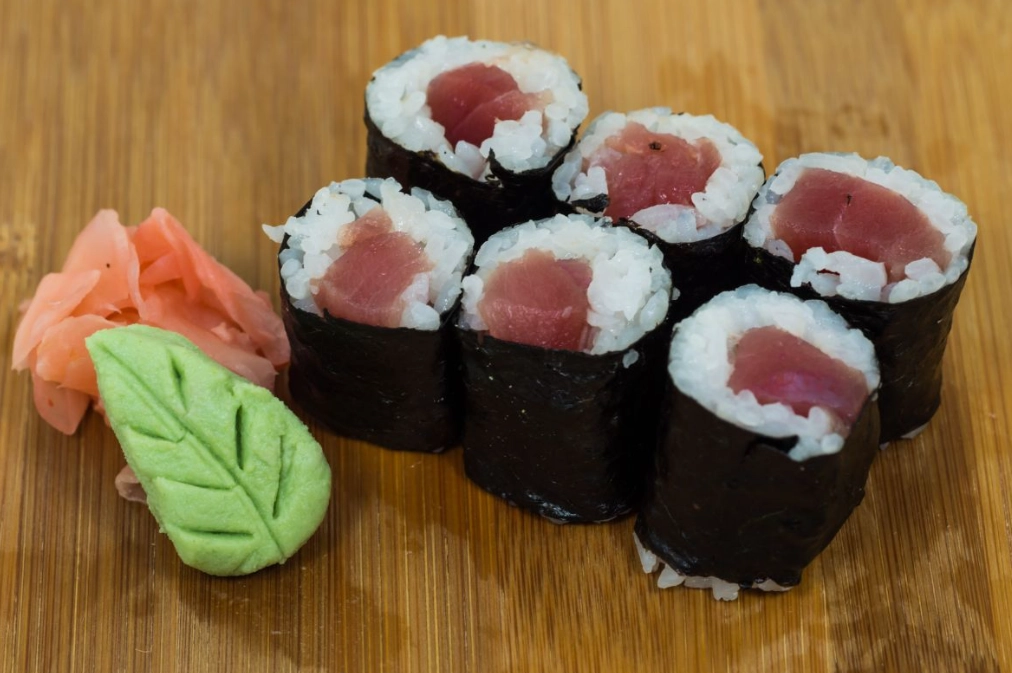
Relatively Low in Calories and Fat
Compared to tempura rolls, dragon rolls with mayo, or even many avocado rolls, tekka maki is a calorie-conscious choice. The lack of added fats (from frying or creamy sauces) makes it easy to fit into daily goals. This is its main advantage in the sushi world.
Minimalist and Often Gluten-Free
Since it's just fish, rice, and seaweed, it's naturally free of gluten-containing ingredients (assuming no cross-contamination with soy sauce in the kitchen). It's also dairy-free. For people with dietary restrictions, it's a safe and satisfying harbor on a complex menu.
My personal rule of thumb: At a new sushi place, I often order tekka maki first. It's a litmus test. If they can't get this simple roll right—good fish, proper rice seasoning, tight roll—then I don't trust them with the more complicated dishes. The healthiness starts with the chef's skill and respect for ingredients.
Potential Health Concerns and How to Navigate Them
It's not all clear sailing. There are valid concerns, but they're manageable with a bit of knowledge.
Mercury Content in Tuna: This is the elephant in the room. Tuna, especially larger species like bluefin, can accumulate methylmercury. The U.S. Food and Drug Administration (FDA) advises that adults can eat 2-3 servings a week of lower-mercury fish, and light tuna is on that "best choices" list. The key is moderation and variety. If you're having tekka maki for lunch, maybe choose salmon or scallops for dinner. Pregnant women and young children should follow stricter FDA guidelines and may want to limit tuna intake.
Carbohydrate Load from Rice: Sushi rice is not brown rice. It's white rice seasoned with sugar and salt. A six-piece roll can have the carbs of a slice and a half of bread. If you're watching your carbs or blood sugar, this matters. Ask for "less rice" (shari sukuna me) or see if they offer rolls with cucumber wrappers. Some places will even make a "naruto" style roll wrapped in cucumber instead of rice.
Sodium from Soy Sauce and Rice Vinegar: That dipping sauce is a sodium siphon. One tablespoon of soy sauce has about 900mg of sodium—nearly half the daily limit for some people. The rice is also seasoned with salted vinegar. Dip lightly, or just touch the fish side to the sauce. Better yet, ask for low-sodium soy sauce if available.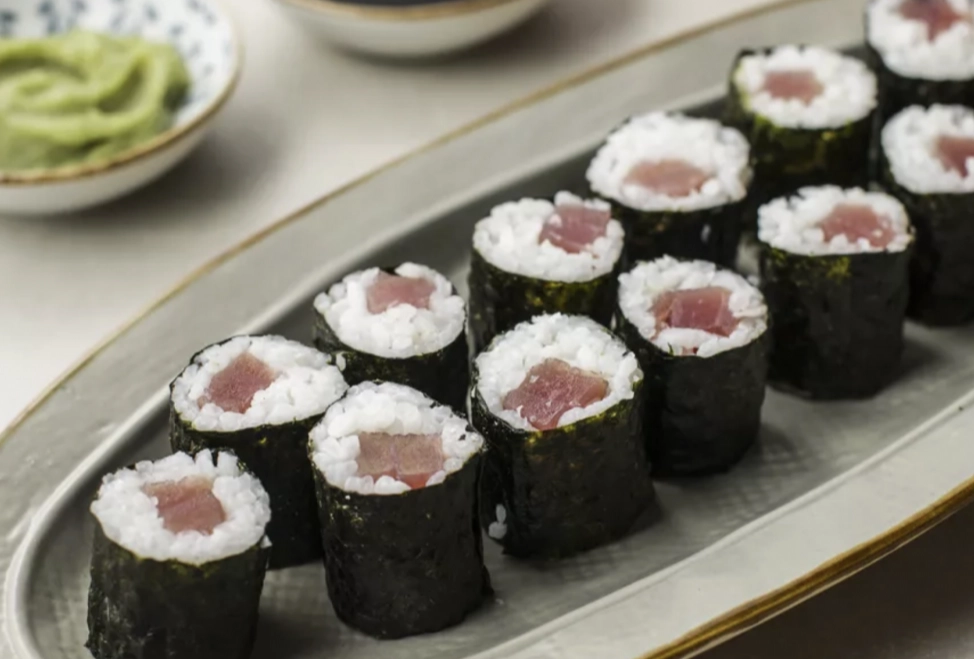
How Tekka Maki Stacks Up Against Other Sushi Rolls
Context is everything. Let's put it side-by-side with common alternatives (estimates per 6-piece roll):
- Tekka Maki (Tuna Roll): ~200 calories, 15g protein, 28g carbs, 1g fat. The lean, high-protein standard.
- California Roll (Imitation crab, avocado, cucumber): ~250-300 calories, 9g protein, 38g carbs, 7g fat. Higher in fat (avocado is healthy fat, but still calorie-dense) and carbs.
- Spicy Tuna Roll (Tuna, spicy mayo): ~290-350 calories, 15g protein, 30g carbs, 12g fat. The "spicy" sauce is usually mayo + sriracha, adding significant fat and calories.
- Rainbow Roll (California roll topped with assorted fish): ~350-400 calories, 20g protein, 40g carbs, 10g fat. More protein, but also more of everything else due to the double-layer base.
- Tempura Shrimp Roll (Shrimp tempura, avocado, sauce): ~400-500 calories, 15g protein, 50g carbs, 18g fat. The fried element makes this a calorie and fat heavyweight.
See the pattern? The more ingredients, sauces, and fried components, the further you drift from the clean nutrition of tekka maki. It's consistently near the top for protein-to-calorie ratio.
Making the Healthier Choice: A Practical Guide
You're at the restaurant. The menu is in your hands. Here’s how to ensure your tekka maki order is as healthy as possible.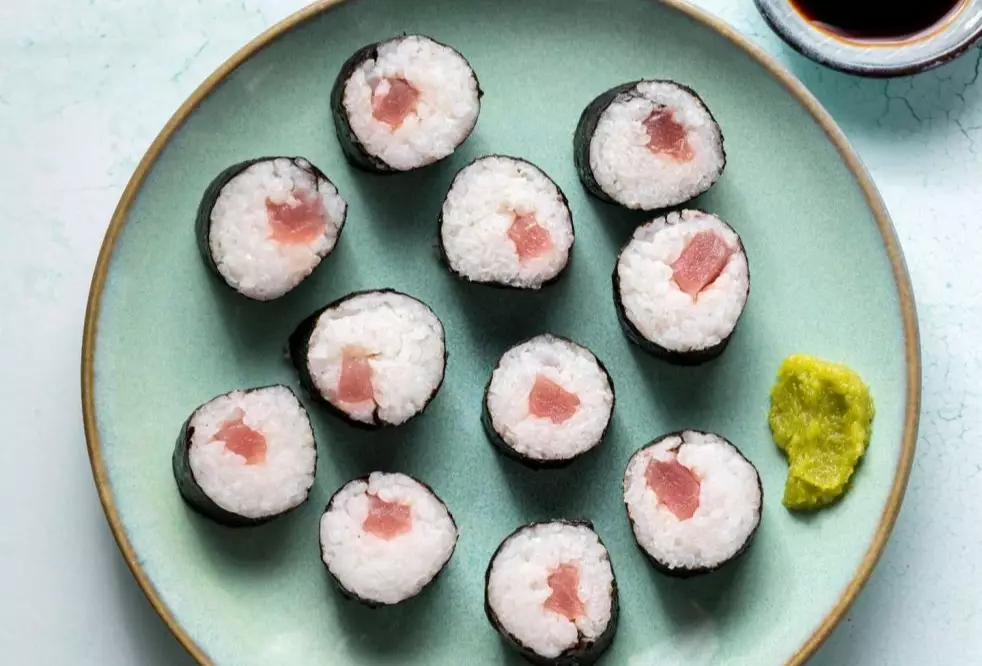
1. Assess the Rice-to-Fish Ratio. Look at pictures or, if you're at the counter, watch them make it. The tuna should be a substantial log, not a sad sprinkle. If you're bold, ask for "more fish" or "less rice." A good sushi chef respects that.
2. Inquire About the Tuna. It doesn't hurt to ask what kind of tuna they use. Is it lean akami or fatty toro? Akami is leaner. Where is it from? While you might not get a detailed answer, it shows you care about quality.
3. Mind the Soy Sauce. Pour a small amount into the dish. Dip the fish side only, or use a piece of ginger to brush a tiny amount on. You'll taste more of the fish and less of the salt.
4. Build a Balanced Meal. Don't just order three tekka maki rolls. Pair one roll with a side of edamame (for fiber and protein), a sunomono salad (cucumber vinegar salad), or a miso soup. This adds volume, nutrients, and variety without excessive calories.
5. Consider Frequency. Enjoying tekka maki once or twice a week is a great way to get fish into your diet. If you're a daily sushi eater, rotate your fish choices—salmon (sake), yellowtail (hamachi), mackerel (saba)—to vary nutrients and minimize potential mercury exposure from any single source.
Your Tekka Maki Questions, Answered
Is tekka maki good for weight loss?
It can be an excellent tool. Its high protein and moderate calorie count promote satiety, helping you feel full with a reasonable portion. The trap is the rice and soy sauce. Stick to one roll (6 pieces), ask for less rice if possible, dip minimally, and pair it with a vegetable side. It's far superior to a sandwich or pasta dish for a weight-conscious lunch.
Can I eat tekka maki while pregnant?
This requires caution. The FDA recommends pregnant women avoid high-mercury fish but lists canned light tuna as a "best choice" (2-3 servings a week). However, the tuna in sushi is often a different species (like bluefin or bigeye) which can be higher in mercury. The safest approach is to consult your doctor. Many experts suggest pregnant women stick to fully cooked seafood or low-mercury options like salmon rolls in a restaurant setting where the tuna source isn't clearly labeled.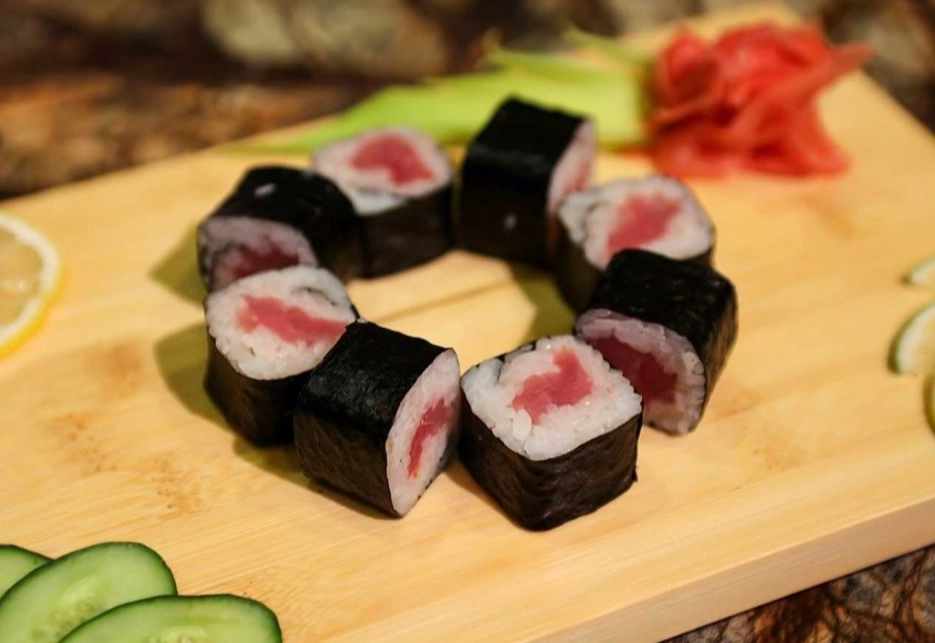
Is tekka maki healthier than a salmon (sake) roll?
They're both healthy, but with different profiles. Salmon is significantly richer in omega-3 fats, which is a major plus. Tekka maki with lean tuna is slightly lower in calories and fat. It's a tie on protein. For heart and brain health, salmon might have a slight edge. For pure lean protein with minimal fat, tekka maki wins. The best choice? Have both on different days.
What's the biggest mistake people make when thinking tekka maki is healthy?
Assuming all sushi is equally healthy and then over-ordering. People think, "It's just fish and rice," and order 3 rolls, drench everything in soy sauce, and finish with a tempura dessert. That's a massive calorie and sodium meal. The health benefit of tekka maki is realized when it's treated as a component of a balanced meal, not the entire feast. Portion control and mindful dipping are non-negotiable.
Reader Comments