Let's be honest. The first time I tried to make gyoza sauce at home, it was a disaster. I just threw some soy sauce and vinegar together. It was harsh, one-dimensional, and completely missed the balanced, addictive flavor of the sauce you get at a good Japanese restaurant. It tasted like salty disappointment. That failure sent me down a rabbit hole, talking to chefs, testing ratios, and figuring out why most "easy" recipes online fall short. The secret isn't in rare ingredients; it's in understanding a simple, flexible formula. This guide will give you that formula. In about five minutes, with stuff you probably already have, you can make a dipping sauce that will transform frozen gyoza from a weeknight snack into a legitimately crave-worthy meal.
What You'll Find in This Guide
The Core 4-Ingredient Formula (And Why It Works)
Authentic gyoza sauce, or gyoza no tare, isn't about complexity. It's about harmony. Think of it as a balancing act between four key flavor profiles: salty, sour, sweet, and umami. Get the ratio right, and each sip is a perfect little punch of flavor that cuts through the richness of the fried dumpling.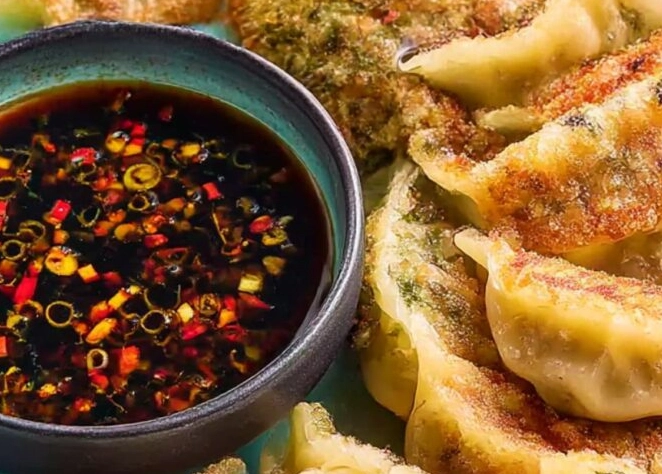
The Universal Ratio (by volume): For every 3 parts soy sauce, you need 1 part rice vinegar, and 1 part mirin. A few drops of sesame oil or a pinch of chili flakes are the finishing touches. This 3:1:1 ratio is your golden ticket. It's scalable, reliable, and the foundation for everything that follows.
Let's break down why each component is non-negotiable.
Soy Sauce: The Salty, Umami Backbone
Use a regular Japanese soy sauce (shoyu), not a dark soy sauce which is thicker and sweeter. If you're using a low-sodium version, you might need a tiny pinch of salt to bring back the edge. Tamari is a great gluten-free alternative that works beautifully here.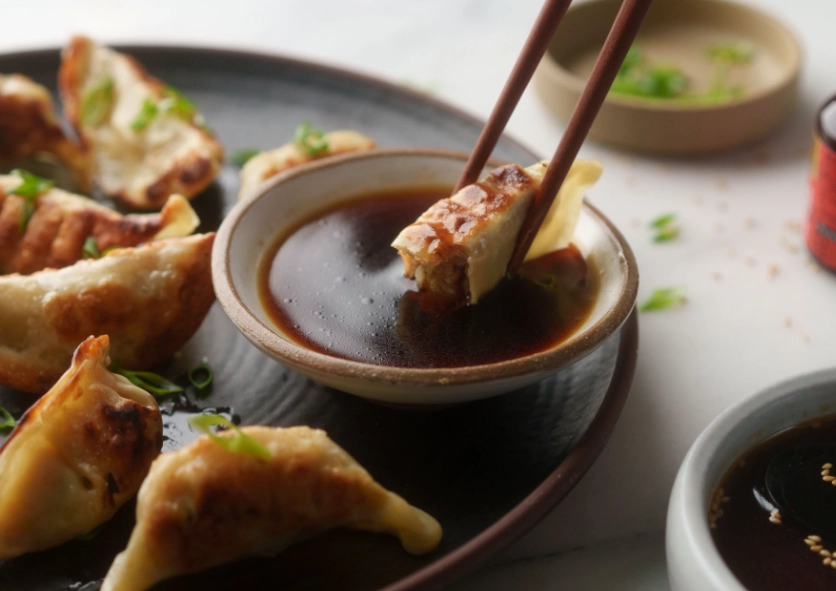
Rice Vinegar: The Essential Brightness
This is what makes the sauce "pop" and cleanses your palate between bites. Unseasoned rice vinegar is ideal. Don't substitute white vinegar or apple cider vinegar directly—they're much sharper. If you must, use half the amount and dilute with a bit of water.
Mirin: The Sweet Glue
This sweet Japanese rice wine rounds out the sharpness of the vinegar and soy sauce, creating a mellow, well-integrated flavor. If you don't have mirin, a half-and-half mix of sugar dissolved in water or a dry sherry with a pinch of sugar can work in a pinch, but the flavor profile shifts.
How to Make the Basic Gyoza Dipping Sauce: A 5-Minute Walkthrough
Here’s the actionable part. Grab a small bowl, a whisk or fork, and these ingredients.
Ingredients for the Basic Sauce:
- 3 tablespoons regular soy sauce
- 1 tablespoon unseasoned rice vinegar
- 1 tablespoon mirin
- 1/2 teaspoon toasted sesame oil
- Optional: 1/4 teaspoon chili oil or a pinch of red pepper flakes
- Optional: 1 teaspoon finely sliced green onion or grated fresh ginger
Step 1: Combine the Liquids. In your bowl, pour in the soy sauce, rice vinegar, and mirin. Give it a quick whisk to combine. Don't just stir—whisking helps emulsify the flavors slightly from the start.
Step 2: Add the Aromatics. Drizzle in the sesame oil. This is where the magic happens. The nutty fragrance of toasted sesame oil is what makes the sauce smell "right." If you like heat, add your chili oil or flakes now.
Step 3: Taste and Adjust (The Critical Step). Dip the tip of a spoon in. Is it too salty? Add a few more drops of vinegar or mirin. Too sharp? A tiny bit more mirin. Too sweet? A dash more soy sauce. Your taste buds are the final judge. Let it sit for 2 minutes so the flavors can marry.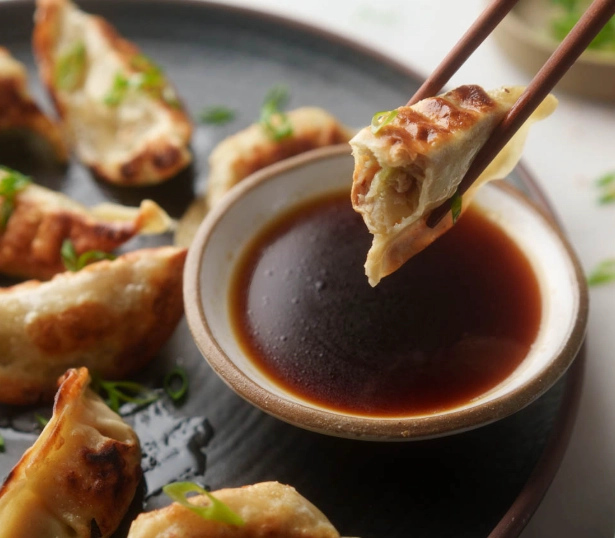
That's it. You're done. Pour it into a small communal dish for sharing, or divide it into individual dipping bowls.
Three Flavor Variations to Match Your Mood
The basic sauce is perfect, but sometimes you want to mix it up. Here are three twists that use the same core formula, just with one or two added ingredients. Think of them as easy upgrades.
1. The Spicy Garlic Kick
Make the basic sauce. Add one small clove of garlic, microplaned or crushed into a paste. The key is to make it a paste so it disperses evenly and doesn't give you a harsh chunk of raw garlic. Add 1/2 to 1 teaspoon of rayu (Japanese chili oil) or Lao Gan Ma chili crisp. This version is bold, aromatic, and cuts through extra-greasy dumplings.
2. The Citrus & Ginger Zing
Make the basic sauce. Add 1 teaspoon of freshly grated ginger (not powdered) and the zest of about 1/4 of a lime or yuzu if you can find it. A tiny squeeze of the citrus juice is okay, but don't overdo it—it can overpower the vinegar. This is refreshing, bright, and fantastic with seafood-filled gyoza or shumai.
3. The Rich & Nutty Twist
Make the basic sauce. Swap the 1/2 teaspoon of sesame oil for 1 full teaspoon. Then, stir in 1/2 teaspoon of smooth, unsweetened peanut butter or tahini until fully dissolved. It sounds weird, but it adds a creamy, rich mouthfeel and depth that's incredible. Trust me on this one.
| Variation | Key Added Ingredient(s) | Best Paired With | Flavor Profile |
|---|---|---|---|
| Basic Classic | N/A (The Foundation) | Any pork or vegetable gyoza | Balanced, savory, slightly sweet & sour |
| Spicy Garlic Kick | Garlic paste, Chili oil | Fried dumplings, potstickers | Bold, aromatic, spicy |
| Citrus & Ginger Zing | Fresh ginger, Citrus zest | Seafood dumplings, steamed gyoza | Bright, refreshing, zesty |
| Rich & Nutty Twist | Extra sesame oil, Peanut butter/Tahini | Chicken or mushroom gyoza | Creamy, deep, umami-rich |
The One Common Mistake That Ruins Your Sauce
Most blogs won't tell you this, but here's the subtle error that separates a good sauce from a great one: using low-quality or the wrong type of vinegar. That bottle of "seasoned" rice vinegar sitting in your pantry? It already has salt and sugar added. If you use it in the standard ratio, your sauce will be out of whack—too sweet, too salty. Always use unseasoned rice vinegar for this recipe. It gives you complete control.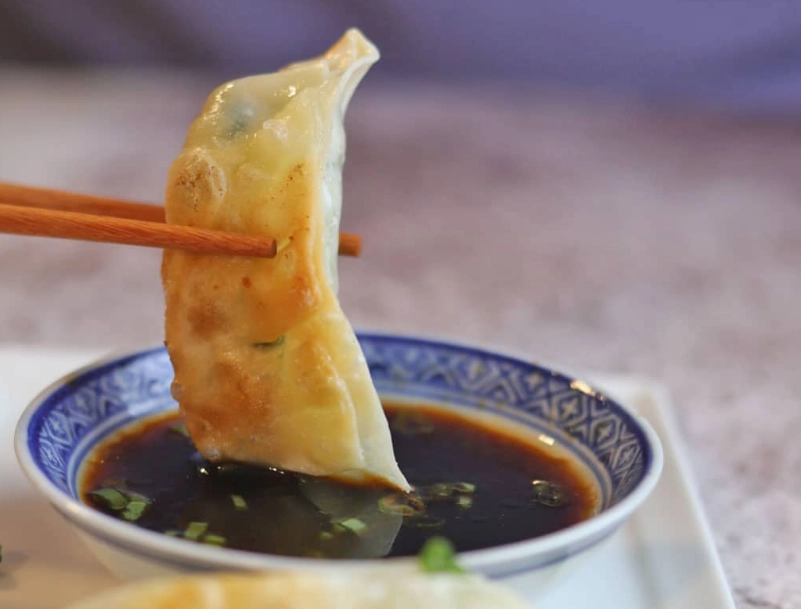
Another pro tip: Never heat or cook this sauce. You see recipes that tell you to simmer ingredients together to make a "glaze." That's for a different application. For a dipping sauce, heating it dulls the bright, fresh acidity of the vinegar and can make the soy sauce taste oddly metallic. Always mix it cold.
Serving, Pairing, and Storing Your Masterpiece
This sauce isn't just for gyoza. It's a versatile Asian condiment.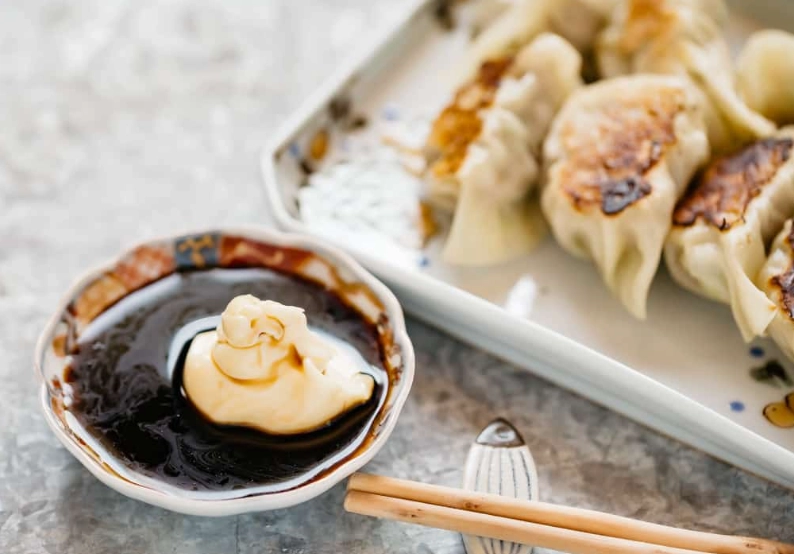
Serving: Use small, shallow bowls so you can easily dip. If you're serving multiple people, a single small dish in the center is fine—it encourages sharing.
Pairing: Obviously, it's perfect with pan-fried, steamed, or boiled gyoza and potstickers. But try it drizzled over steamed vegetables, as a dressing for cold noodle salads (soba or somen), or as a dipping sauce for spring rolls, tempura vegetables, or even grilled chicken skewers (yakitori).
Storing: It keeps wonderfully. Store any leftover sauce in a sealed jar or container in the refrigerator. It will last for 2-3 weeks easily. The flavors might even meld and improve after a day. Give it a shake or stir before using again.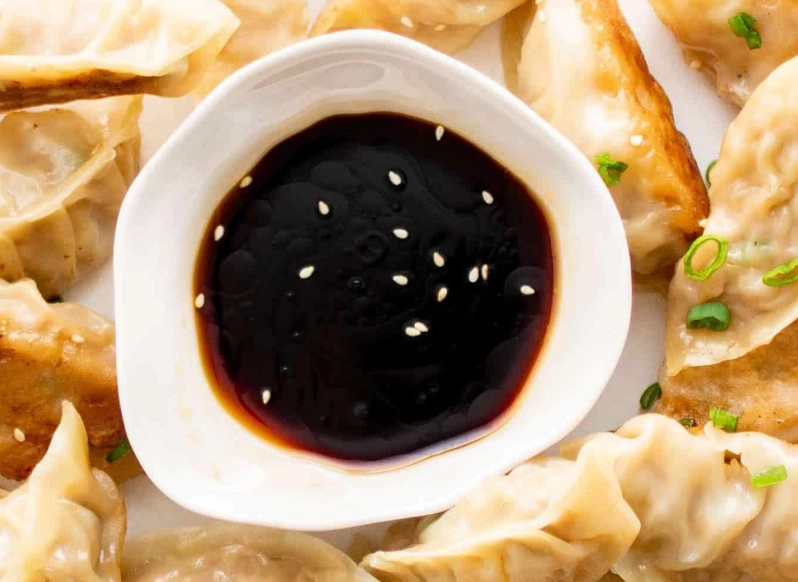
Reader Comments