In This Guide
- What Is Shumai, Really?
- Not All Shumai Are Created Equal: A Regional Breakdown
- How to Make Shumai at Home: A Step-by-Step Reality Check
- Buying Shumai: Frozen, Restaurant, or Fresh?
- How to Eat Shumai (Yes, There's a Best Way)
- Shumai vs. Other Dumplings: Clearing the Confusion
- Answers to Your Burning Shumai Questions
- The Final, Unvarnished Truth About Shumai
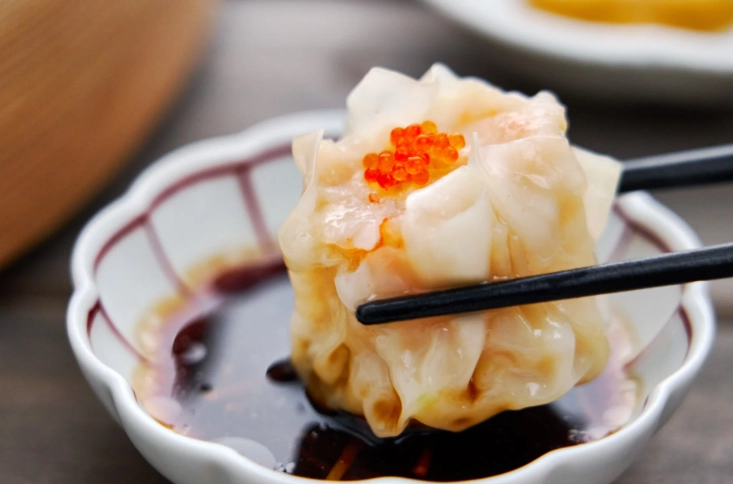
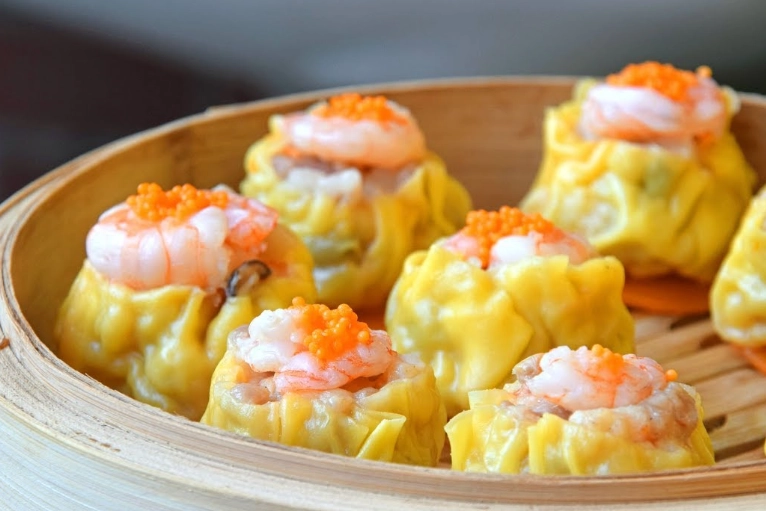
Let's be honest, the world of dim sum can be intimidating. All those bamboo baskets, unfamiliar names, and the pressure to choose the right thing. But there's one item that's almost universally loved, a perfect gateway into the experience: the humble, glorious shumai (also spelled siu mai, shaomai, or shao mai). You've probably seen it – that little cup-shaped dumpling with the bright yellow or orange dot on top, peeking out from a steamer. It looks simple, but there's a whole world inside that thin wheat wrapper.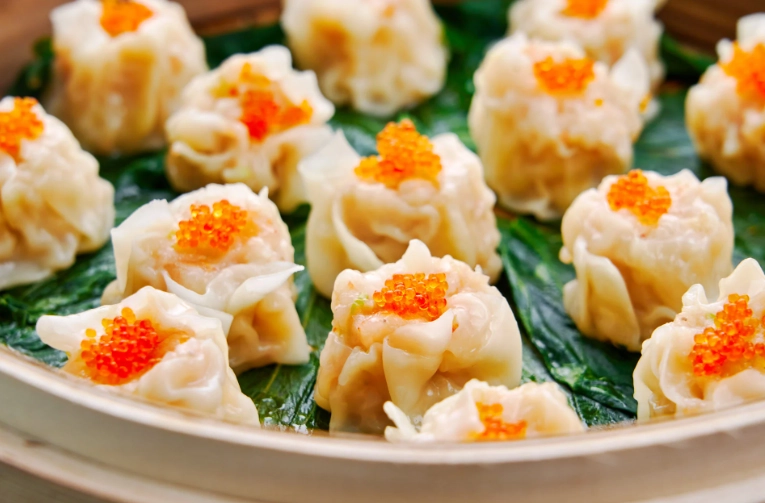
I remember my first time trying to make them. It was a disaster. The filling was too wet, the wrappers tore, and my finished products looked more like deflated footballs than delicate dumplings. It was frustrating. But that failure sent me down a rabbit hole of research, talking to chefs, and a lot of trial and error. This guide is what I wish I had back then.
What Is Shumai, Really?
At its core, shumai is a type of steamed dumpling originating from China. Its defining characteristic is the open top, where the filling is exposed. It's not sealed like a potsticker or a wonton. The wrapper is pleated around the sides, forming a little basket or cup to hold the filling. That little dot on top? Traditionally, it's a tiny bit of crab roe or finely diced carrot, but these days it's often just for color – a dab of egg yolk or a single pea.
Think of it as the savory, meaty cousin to the sweeter, pork-filled shumai you might find in Japanese cuisine (which is a different story altogether). The Chinese version is all about umami and texture.
So, where did it come from? Its history is a bit fuzzy, like many ancient foods. Most food historians point to its origins in the teahouses along the Silk Road in Inner Mongolia or Northern China, eventually becoming a staple of Cantonese dim sum culture in the south. The Smithsonian Magazine has a fascinating piece on the history of dumplings along trade routes, which gives context to how foods like shumai traveled and evolved. You can read more about that broader history on their site.
Not All Shumai Are Created Equal: A Regional Breakdown
This is where it gets interesting. Say "shumai" in different parts of China, and you might get a completely different dish. It's not a monolith. Here’s a quick rundown of the major styles you need to know:
| Region/Style | Key Characteristics | The Flavor & Texture Profile | Where You'll Find It |
|---|---|---|---|
| Cantonese (Hong Kong) Shumai | The classic. Ground pork and shrimp, sometimes with mushrooms. Yellow wrapper. The orange dot on top. | Juicy, bouncy, savory-sweet. The shrimp adds a clean sweetness and a distinct, slightly snappy texture. | Every dim sum restaurant worldwide. The gold standard. |
| Shanghai Shaomai | Larger, often sticky rice-based filling with pork, mushrooms, and soy sauce. Wrapper is thicker, more doughy. | Hearty, glutinous, deeply savory. More of a meal than a snack. The texture is soft and cohesive. | Shanghai-style restaurants, often as a breakfast or lunch item, not necessarily dim sum. |
| Pork & Crab Roe Shumai | A luxurious variant. High-quality pork mixed with real crab meat or a generous amount of crab roe. | Rich, oceanic umami layered with sweet pork. The crab flavor is front and center. A real treat. | Higher-end dim sum establishments, especially during crab season. |
| Beef or Lamb Shumai | Common in Northern China. Uses minced beef or lamb, seasoned with cumin, white pepper, and scallions. | Robust, earthy, and aromatic. The meat flavor is stronger and less sweet than the pork version. | Northern Chinese or Islamic Chinese restaurants (清真). |
See what I mean? That's a lot of variety. The Cantonese version is the international superstar, but the others are absolutely worth seeking out.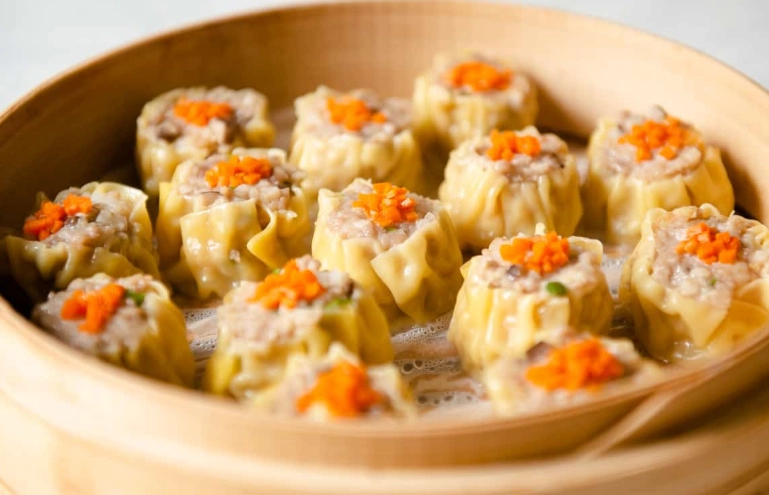
How to Make Shumai at Home: A Step-by-Step Reality Check
Okay, let's get practical. Can you make good shumai at home? Absolutely. Is it easy? Well, it's not *hard*, but there are pitfalls. Here’s a realistic guide, not a fairy-tale recipe.
The Non-Negotiable Ingredients
First, let's talk about what goes in. For a classic Cantonese-style shumai, you need:
- For the Filling: Ground pork (with a decent fat content, 20% fat is good – lean pork makes dry shumai), raw shrimp, shiitake mushrooms, bamboo shoots, scallions.
- Seasonings: Soy sauce (light and dark), sesame oil, Shaoxing wine, sugar, white pepper, cornstarch.
- The Wrapper: Round, thin wonton wrappers. Do NOT use thick dumpling wrappers. Some stores sell "shumai wrappers" which are yellower and slightly thicker, but standard thin wonton wrappers work perfectly. You can even find them at most well-stocked supermarkets now.
The Process, Demystified
- Prep is Everything: Chop everything finely. The mushrooms and bamboo shoots need to be tiny. The shrimp should be roughly chopped, not pureed – you want little chunks for texture. Mix the pork and shrimp with your hands. Really get in there. Add the seasonings and cornstarch. The cornstarch is crucial; it helps bind the juices so your filling doesn't weep water during steaming.
- The Folding Technique (It's Easier Than You Think): Place a wrapper in your palm. Put a heaping teaspoon of filling in the center. Don't be shy, but don't overload it. Now, cradle your hand, letting the wrapper naturally cup around the filling. Use your other hand to gently squeeze the middle, letting the pleats form naturally. Don't try to make perfect pleats like on a soup dumpling. The goal is to form a stable, open-topped cup. Tap the bottom on the counter to flatten it so it stands up. That's it. If your first few look messy, who cares? They'll taste the same.
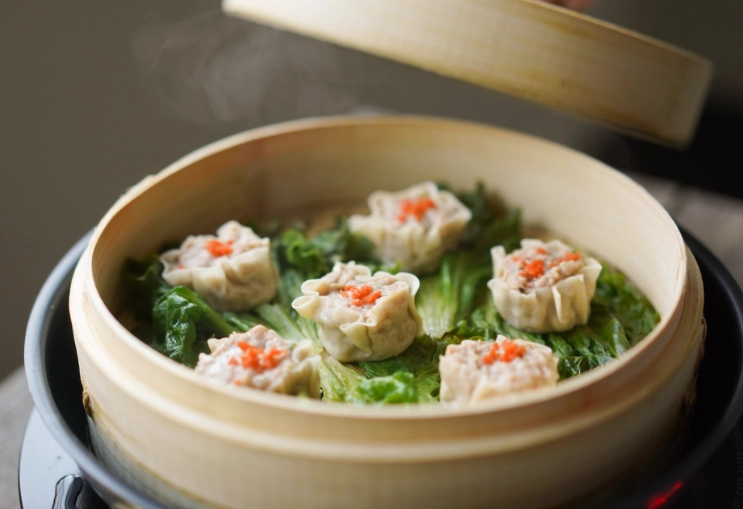
- Steaming – The Final Frontier: Line your steamer basket with parchment paper with holes poked in it, or, the traditional way, with lightly oiled Napa cabbage leaves. Place the shumai about an inch apart. Steam over vigorously boiling water for 8-10 minutes. The wrapper will become translucent, and the filling will be firm and cooked through.
And you're done.
Buying Shumai: Frozen, Restaurant, or Fresh?
Not everyone wants to make them. I get it. So what's the best way to eat shumai if you're not making them?
- At a Dim Sum Restaurant: This is the best experience. Fresh, hot, straight from the cart. Look for plump, shiny ones. Ask if they're made in-house. Many places get them frozen (which is fine), but the in-house ones are often a notch above.
- Frozen from an Asian Grocery: This is a fantastic option. Brands from Hong Kong or Taiwan, like CP or Wei-Chuan, are generally very reliable. The quality is surprisingly high. They steam up in minutes and are a lifesaver for a quick snack. Much better than the generic supermarket brand.
- From the Refrigerated Section: Some specialty Asian grocers have fresh, unpasteurized shumai made locally. These are gold. They have a shorter shelf life but the texture is closest to restaurant-quality.
How to Eat Shumai (Yes, There's a Best Way)
It seems obvious, right? Pick up and eat. But to maximize flavor, here's the move:
- Lift one from the steamer with your chopsticks. Dip it lightly in chili oil, or a mix of soy sauce and Chinese red vinegar. Don't drown it.
- Take a bite. Try to get some wrapper, filling, and topping in one go.
- The beauty is in the contrast: the slightly chewy wrapper, the juicy, complex filling, and the punch of the dipping sauce.
I'm not a fan of using heavy, sweet sauces like duck sauce or plum sauce. They overpower the delicate flavors. But hey, you do you.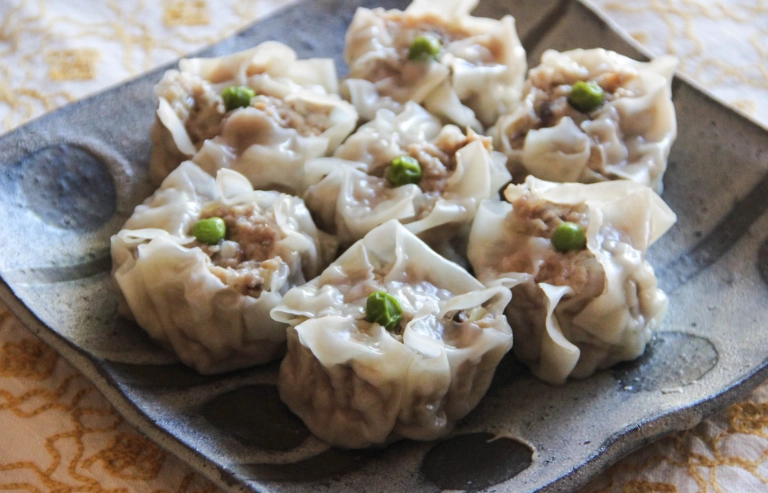
Shumai vs. Other Dumplings: Clearing the Confusion
This is a common question. Let's put it to bed.
- Shumai vs. Har Gow (Shrimp Dumpling): Har Gow has a translucent, sticky wheat-and-tapioca-starch wrapper that's completely sealed. The filling is usually just shrimp. Shumai has a wheat-based wrapper, is open-topped, and has a pork-and-shrimp mix.
- Shumai vs. Wonton: Wontons are boiled or fried, have a thinner wrapper, and are usually served in soup. Shumai is always steamed as a standalone item.
- Shumai vs. Japanese Shumai: This is the big one. Japanese shumai (シュウマイ) is often made with just pork, sometimes with onion, and the flavoring is different – more soy sauce and less complex. It's often served with karashi (Japanese mustard). It's a distinct adaptation. The BBC's Food section sometimes features recipes that highlight these cultural adaptations, showing how a dish transforms across borders.
The open top isn't a flaw; it's an invitation. It says, "Look at what's inside. Trust me." It's a confident dumpling.
Answers to Your Burning Shumai Questions
The Final, Unvarnished Truth About Shumai
Look, shumai isn't the fanciest item on the dim sum menu. It's not as delicate as har gow, as impressive as a roast pork bun, or as dramatic as a fried squid tentacle. But it is the workhorse. It's reliable, deeply satisfying, and incredibly hard to mess up when done right. It's the dish that often gets the "let's get another order of those" nod from the table.
Making it at home is a rewarding project. It connects you to a long culinary tradition in a very hands-on way. Buying it frozen is a perfectly respectable way to get a quick, delicious fix. And ordering it at a restaurant, watching the steam rise from the basket as the server lifts the lid, is a small moment of pure food joy.
My advice? Start by trying the classic version at a good dim sum place. Notice the texture, the balance of flavors. Then, maybe grab a box of the good frozen ones from an Asian market. If you catch the bug, try making them. Embrace the messy first attempt. Your second batch will be better. And your third? You might just stop ordering them out altogether.
That's the real magic of shumai. It's accessible, but with depths you can explore for a lifetime.
Reader Comments