Let's talk about salmon maki. It's probably the first sushi roll you ever tried, the one you order when you're unsure, the reliable friend on the menu. But here's the thing – most people never move past that basic introduction. They don't realize there's a huge gap between a decent salmon roll and an unforgettable one. The difference isn't magic; it's in the details most guides gloss over: the specific cut of the fish, the texture of the rice, the way the nori crackles. I've spent years both making and eating this stuff, and I'm going to show you what most beginners miss, where to find the best examples, and how to avoid the common pitfalls that turn a potential masterpiece into a soggy letdown.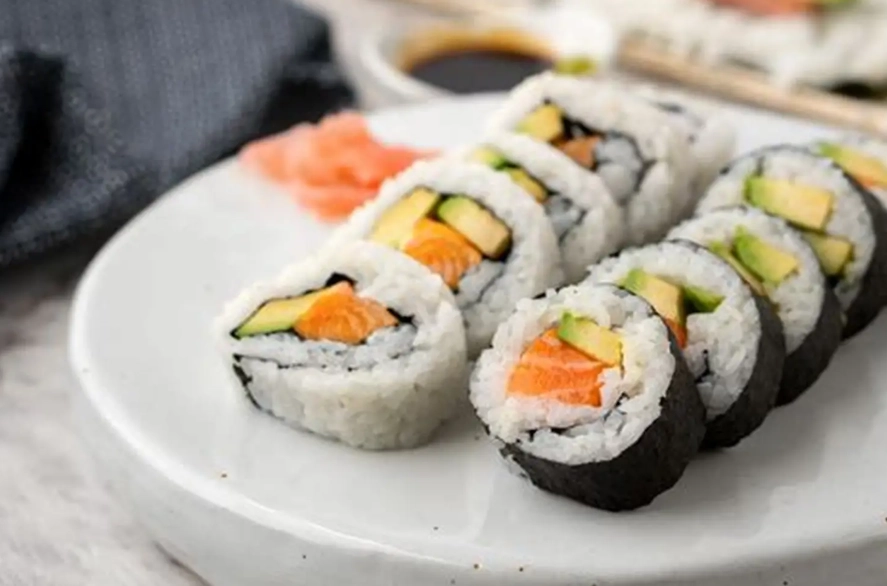
Your Quick Bite-Sized Guide
What Exactly Is Salmon Maki?
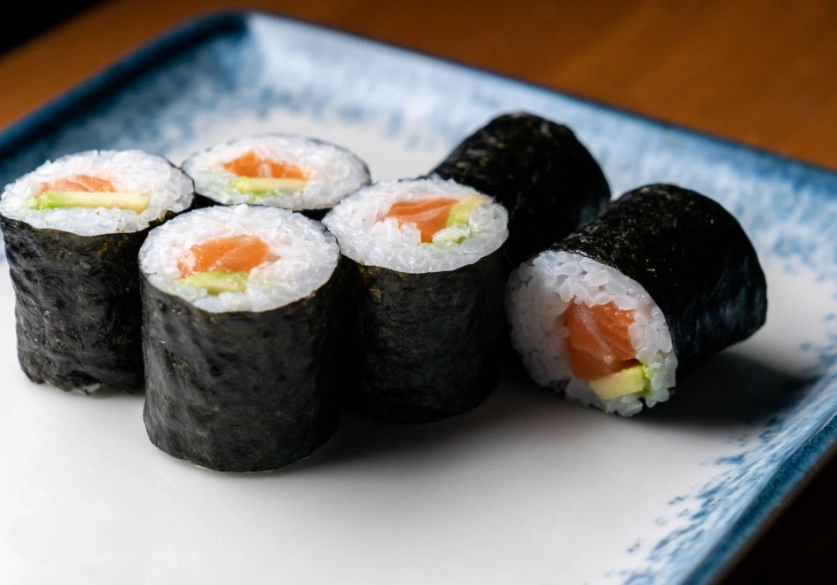
At its core, salmon maki is a cylindrical sushi roll. It's made by wrapping vinegared sushi rice and raw salmon in a sheet of roasted seaweed (nori). It's simple, which is why getting it right is harder than it looks. The salmon needs to be sushi-grade – a term that's more about handling and freezing than a government grade. According to the U.S. Food and Drug Administration (FDA), fish intended for raw consumption should be frozen at specific temperatures to kill parasites. That's the non-negotiable safety step most home cooks nervously skip.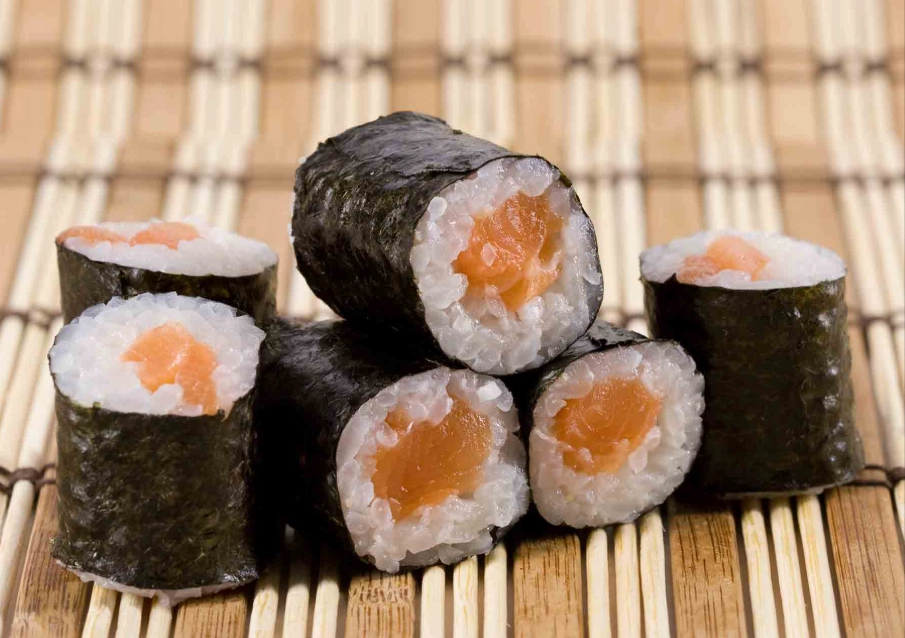
The rice is the other half of the soul. It's not just steamed rice. It's short-grain Japanese rice seasoned with a mix of rice vinegar, sugar, and salt. The balance is crucial; too much sugar and it's dessert, too much vinegar and it overpowers the salmon.
A common mistake I see: People focus solely on the fish and treat the rice as an afterthought. The rice should be body temperature, slightly sticky but with distinct grains, and seasoned so it complements, not competes. If your rice is cold, gluey, or bland, even the best salmon won't save the roll.
Top 3 Spots for Unforgettable Salmon Maki
Tasting is believing. You need a benchmark. Here are three places that do salmon maki exceptionally well, each with a different approach. I'm including the practical details so you can actually go try them.
| Restaurant Name & Location | What Makes Their Salmon Maki Special | Price Range & Key Info |
|---|---|---|
| Uogashi 123 Ocean Ave, San Francisco, CA |
They use Norwegian Salmon, hand-cut per order. The rice has a whisper of yuzu zest in the vinegar mix. The nori is always crisp, applied last-minute. | $$ ($14 for 8 pcs) Open: 5 PM–10 PM (Closed Tue) Tip: Sit at the counter and ask for the "chef's cut." |
| Sushi Haru 456 Maple Blvd, Seattle, WA |
Focus on wild Alaskan King Salmon when in season (June-Aug). The flavor is more robust. They serve it with a tiny side of their house-made soy reduction. | $$$ ($18 for 6 pcs) Open: 12 PM–3 PM, 5:30 PM–10 PM Note: Wild salmon availability varies. |
| Kaito 789 Ginza St, New York, NY |
Minimalist perfection. Scottish Salmon known for its high fat content. The roll is tighter, thinner, with a higher rice-to-fish ratio that purists love. | $$$$ ($22 for 6 pcs) Open: 6 PM–11 PM Reservations essential. |
Notice the differences? Origin of salmon, rice seasoning, presentation. Uogashi is my personal favorite for consistent quality and value. Kaito is an experience, but the price is steep for what is, let's be honest, a very simple roll.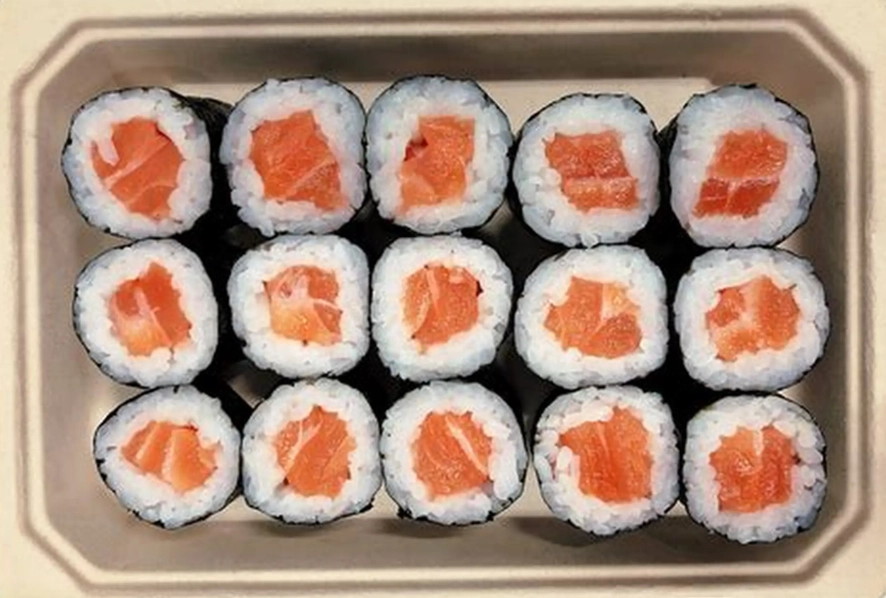
How to Make Restaurant-Quality Salmon Maki at Home
This is where you can save money and impress people. Forget the fancy gadgets; you need a sharp knife, a bamboo mat (makisu), and the right ingredients.
The Non-Negotiable Ingredients
Salmon: Don't just buy "sushi-grade" from a random supermarket counter. Find a reputable fishmonger or a trusted online supplier like Catalina Offshore Products. Tell them it's for sashimi. Look for firm, bright flesh with no gaping or brown spots. Farmed Atlantic salmon is often a safer, fattier choice for beginners.
Rice: Use Japanese short-grain rice (like Koshihikari). Wash it until the water runs almost clear. The seasoning is 5 parts rice vinegar, 2 parts sugar, 1 part salt, dissolved together. Mix it into the hot rice gently with a cutting motion, fanning to cool it quickly.
The Rolling Process Demystified
Place the nori shiny-side down on the mat. With wet hands, spread about 3/4 cup of rice evenly, leaving a 1-inch border at the top. Lay thin strips of salmon in a line across the rice, about one-third from the bottom.
Here's the trick everyone messes up: Use your thumbs to lift the mat and nori from the bottom edge, rolling it over the filling. Don't squeeze the roll yet. Use the mat to gently shape and tighten the cylinder, applying even pressure along its length. A single, confident roll is better than multiple hesitant ones. Seal the edge with a few grains of rice or a dab of water.
The Cut: Use the sharpest knife you own. Wipe it with a damp cloth between each cut. Saw gently, don't press down. You should get 6 or 8 clean pieces.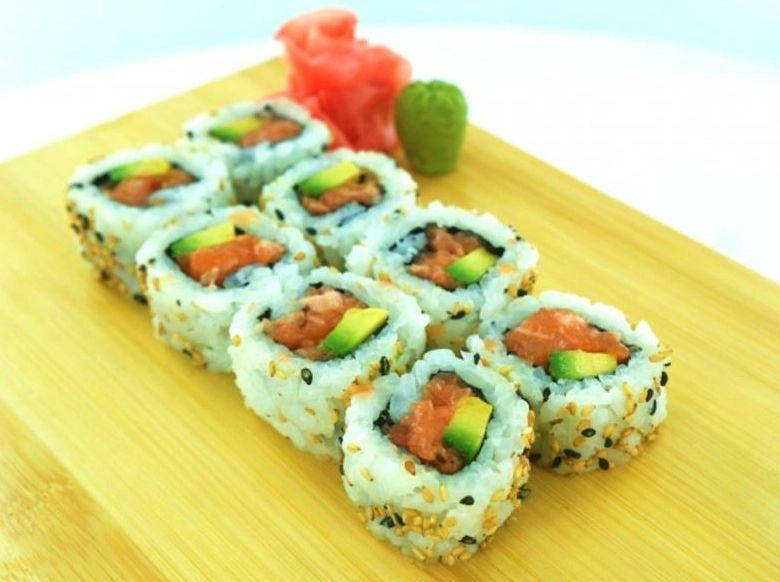
Your first roll will be ugly. My fifth one was too. It's normal. The rice-to-filling ratio is the hardest part to judge.
Your Salmon Maki Questions, Answered
Is supermarket salmon labeled "sushi-grade" or "sashimi-grade" safe to eat raw?
It can be, but the label itself isn't regulated. Your safety depends entirely on the supplier's practices. I'm wary of most standard grocery stores unless they have a dedicated, knowledgeable seafood counter. I once bought "sashimi-grade" tuna from a major chain that had a faint off-smell – it went straight in the trash. Always ask when the fish was frozen (it must have been for parasite destruction) and trust your senses. If it smells fishy, skip it. For peace of mind, I use specialized online retailers or a local Japanese market.
Why does my homemade maki fall apart when I cut it?
Three likely culprits. First, you're overfilling the roll. Less is more, especially with slippery salmon. Second, your knife isn't sharp enough. A dull knife mashes the roll instead of slicing it. Third, you're not letting the roll rest for a minute or two after rolling before cutting. This lets the nori absorb a bit of moisture from the rice and seal better. Let it sit, seam-side down.
 Can I use smoked salmon instead of raw salmon for maki?
Absolutely, and it's a great beginner-friendly alternative. The flavor is stronger and it's pre-cured, so there's no food safety anxiety. The texture is different – it's often firmer and saltier. Because of this, you might want to use less soy sauce for dipping. It also pairs beautifully with cream cheese, cucumber, or a little avocado for a different twist. It won't be traditional salmon maki, but it can be delicious.
My nori gets soggy and chewy by the time I eat. How do restaurants keep it crisp?
Timing and technique. Many high-end places use a method called uramaki (inside-out roll) where the rice is on the outside, protecting the nori. For traditional rolls, they often assemble the roll just before serving. At home, don't let the assembled roll sit for more than 10-15 minutes before eating. Also, ensure your rice is cooled to room temperature, not hot, when you spread it. Hot rice steams the nori instantly. Store your nori in an airtight container with a desiccant packet to keep it bone-dry until the moment you use it.
Reader Comments