Let's be honest. Most recipes for the best gyoza sauce tell you to mix soy sauce and rice vinegar. Maybe add a bit of chili oil. Done. But if you've ever had truly amazing gyoza at a proper Japanese izakaya or ramen shop, you know there's a world of difference. That sauce had depth. It was tangy, savory, slightly sweet, and packed with umami, perfectly cutting through the richness of the fried dumpling without overpowering it. Your homemade version tastes... flat. Or too salty. Or just plain wrong.
I spent years tweaking my recipe, talking to chefs, and making some pretty terrible batches before I cracked the code. The secret isn't a magical ingredient. It's about balance and understanding the role of each component. This guide will give you not just a recipe, but the principles to make your perfect sauce every time.
What's Inside: Your Quick Guide
The Core 4-Ingredient Recipe (Get This Right First)
Forget the fifteen-ingredient monstrosities. The foundation of any great gyoza dipping sauce is built on four pillars. Master this ratio, and you're 90% there.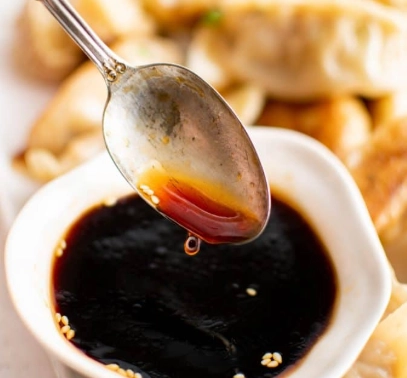
The Golden Ratio (for 2-3 servings):
- 3 parts Soy Sauce: This is your salt and umami base.
- 2 parts Rice Vinegar: This provides the essential tang and brightness.
- 1 part Mirin: The subtle sweetness that rounds everything out.
- A few drops of Toasted Sesame Oil: Just a whisper for aroma and depth.
In practical terms: 3 tablespoons soy sauce, 2 tablespoons rice vinegar, 1 tablespoon mirin, and ¼ teaspoon sesame oil. Stir. Taste. You have a legitimately good sauce.
But here's where most people stop, and where the magic begins. Let's break down why this works and how to choose your ingredients.
Choosing Your Ingredients Wisely
Soy Sauce: Not all are created equal. Avoid the overly salty, harsh supermarket brands. Look for a naturally brewed Japanese soy sauce (shoyu). Brands like Kikkoman (the regular one is fine) or Yamasa are widely available and offer a more complex flavor. For a less intense, slightly sweeter base, you can use a usukuchi (light soy sauce).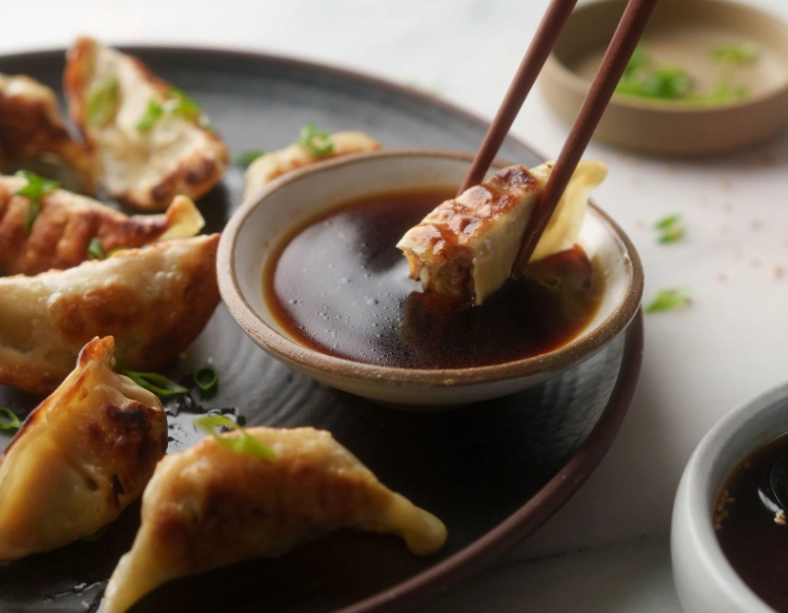
Rice Vinegar: This is non-negotiable. Its mild, clean acidity is perfect. Do not substitute with white vinegar (too harsh) or apple cider vinegar (flavor clashes). Unseasoned rice vinegar is what you want. The seasoned kind has added sugar and salt, which will throw off your balance.
Mirin: This sweet rice wine is the secret weapon. It adds a glossy sheen and a delicate sweetness that plain sugar can't replicate. If you're in a pinch, you can use ¾ tablespoon of the rice vinegar mixed with ¼ tablespoon of sugar, but it's not the same. A bottle of mirin lasts forever in the fridge.
Sesame Oil: Use toasted (dark) sesame oil. The untoasted kind is bland. A little goes an incredibly long way. We're talking drops, not pours. It's a top note, not the main event.
How to Balance Your Gyoza Sauce Like a Pro
Now, the 3:2:1 ratio is a starting point. Your personal palate and your specific ingredients might require tweaks. This is the art part.
Think of your sauce as a triangle with three points: Salty (Soy), Sour (Vinegar), and Sweet (Mirin). The goal is to be in the center.
Too Salty? Add a tiny bit more vinegar and a tiny bit more mirin. Don't just dilute with water—you'll lose flavor intensity.
Too Sour/Tangy? Add a half-teaspoon more of mirin. If it's still too sharp, a tiny pinch of sugar can help, but mirin should be your first fix.
Too Sweet or Flat? A few more drops of soy sauce. Sometimes, the issue isn't lack of salt, but lack of umami depth. This is where our upgrades come in later.
The best method? Taste as you go, with a gyoza. Dip a corner of an actual dumpling into your sauce. Does it complement it? Does it make you want another bite immediately? Or does one flavor shout over the dumpling's filling? Adjust accordingly.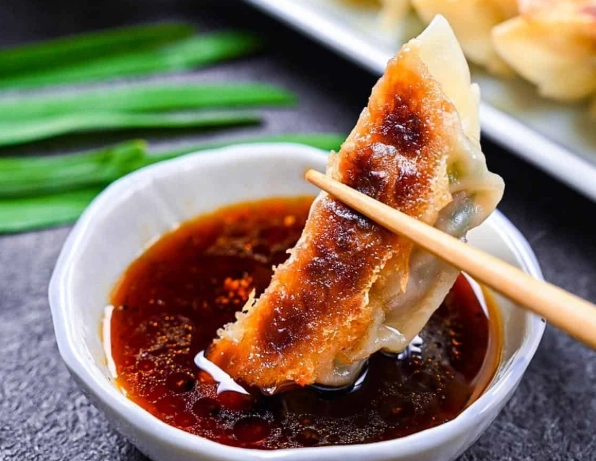
What Are the Common Gyoza Sauce Mistakes to Avoid?
After teaching friends and seeing countless online recipes, these are the three biggest pitfalls.
Mistake #1: Using only soy sauce and vinegar. This creates a one-dimensional, harsh sauce. The missing sweetness (from mirin) is what creates harmony. It's the difference between a chord and a single note.
Mistake #2: Adding raw, minced garlic directly to the sauce. I know many recipes call for this. It's a trap. Raw garlic overwhelms everything and its flavor becomes bitter and aggressive as it sits. If you want garlic flavor, infuse it gently (see upgrades below) or use a microplane to create a paste that dissolves better.
Mistake #3: Making it right before serving and not letting it rest. This is the most overlooked step. The ingredients need 10-15 minutes to marry. The sharp edges of the vinegar and soy mellow, and the flavors become cohesive. Make your sauce first, then cook your gyoza.
Next-Level Upgrades & Flavor Variations
Once you've mastered the base, these additions can tailor the sauce to your mood or the dumpling's filling.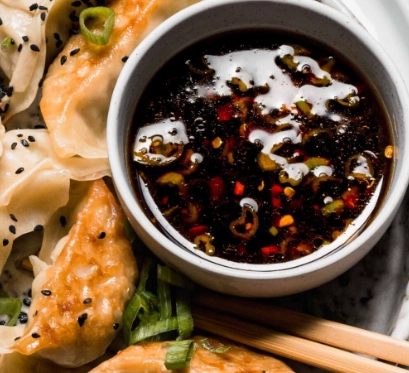
The Umami Bomb Add-Ins
These deepen the savory flavor without just adding more salt.
- Dashi (Japanese soup stock): Replace 1 tablespoon of the soy sauce with an equal amount of dashi. Instant dashi granules (hondashi) dissolved in a tiny bit of hot water work perfectly. This adds a profound savory layer.
- A few drops of Worcestershire sauce: Sounds weird, but it works. It has tamarind and spices that add complexity. Start with ¼ teaspoon.
The Aromatic & Spicy Kickers
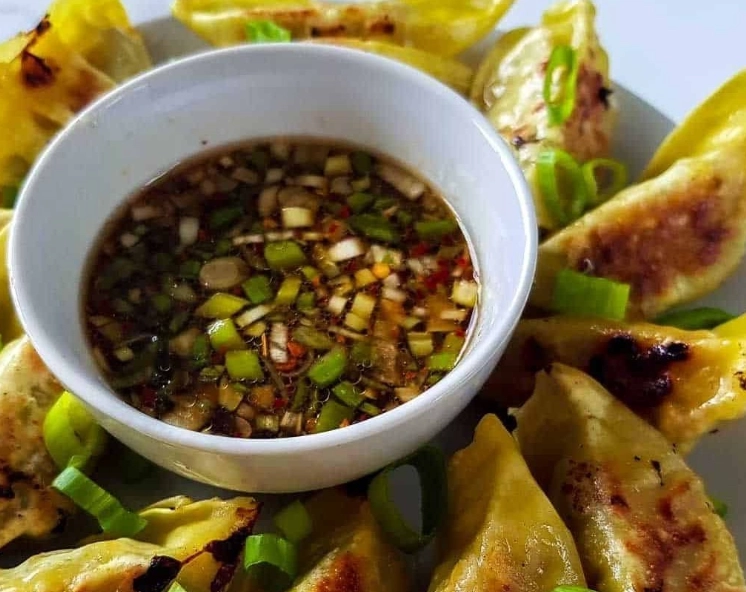
- Infused Chili Oil (Rayu): Don't just add chili flakes. Add ½ to 1 teaspoon of prepared Chinese or Japanese chili oil. It brings heat, aroma from the fried spices, and a beautiful red hue. Japanese Cooking 101 has a great homemade rayu recipe if you want to go deep.
- Grated Ginger: A tiny amount (½ teaspoon), freshly grated, adds a wonderful zing. Strain it if you don't want the pulp.
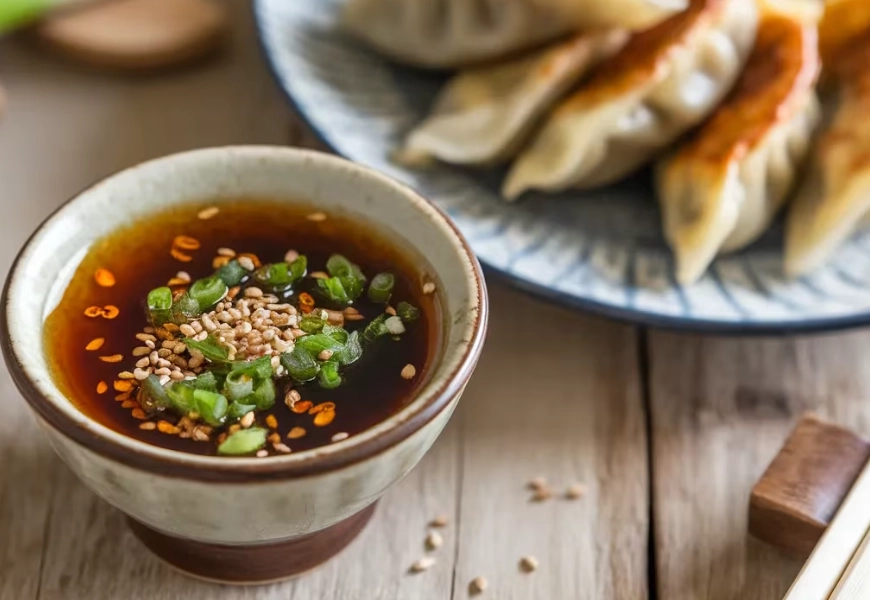
- Toasted Sesame Seeds: A sprinkle on top for crunch and nuttiness.
- Finely sliced Scallions (Green Onions): Added just before serving for fresh, oniony bite.
Here’s a quick reference table for matching upgrades to your gyoza type:
| Gyoza Filling Type | Recommended Sauce Upgrade | Why It Works |
|---|---|---|
| Classic Pork & Cabbage | Grated ginger + scallions | Cleanses the palate of the rich pork fat. |
| Spicy Chicken | Chili oil + extra sesame seeds | Amplifies the heat and adds textural contrast. |
| Vegetable (Shiitake, Tofu) | Dashi substitution + a drop of Worcestershire | Boosts umami to compensate for no meat. |
| Seafood (Shrimp, Scallop) | Lemon zest (tiny amount) + fine chili threads | Bright citrus complements delicate seafood. |
Your Gyoza Sauce Questions, Answered
Can I make a big batch of gyoza sauce and store it?
Absolutely, but with caveats. The base sauce (soy, vinegar, mirin, sesame oil) keeps well in a sealed jar in the fridge for 2-3 weeks. The flavors might mellow further, which is fine. However, do not add fresh aromatics like garlic, ginger, or scallions to the batch you're storing. Their flavors will turn funky and bitter. Add those fresh each time you serve from your master batch.
My sauce tastes good but looks boring. How do I make it visually appealing?
Presentation matters. Serve it in a small, shallow dish, not a deep bowl. Float a few drops of vibrant red chili oil on the surface and drag a toothpick through it for a marbled effect. A small pile of finely sliced green scallions or a sprinkle of white and black sesame seeds in the center creates visual interest and tells your guests the sauce is special.
Is there a gluten-free version of the best gyoza sauce recipe?
Yes, and it's straightforward. Use a certified gluten-free tamari instead of regular soy sauce. Tamari is a Japanese soy sauce variant that's often (but not always) gluten-free, so check the label. Ensure your mirin is gluten-free as well (some brands use barley). Rice vinegar and sesame oil are naturally gluten-free. The flavor profile will be slightly different—tamari is often richer and less sharp—so you may need a touch less of it.
What if I don't have mirin? What's the best substitute?
The closest hack is to mix 1 part sake (or dry sherry) with 1 part sugar, gently heated to dissolve the sugar, then cooled. For 1 tablespoon of mirin, use 1.5 teaspoons sake and 1.5 teaspoons sugar. It lacks mirin's unique complexity but provides the needed sweetness. A less ideal but workable option is a half-and-half mix of rice vinegar and sugar. Never use sweet cooking wine or Marsala—the flavor is all wrong.
Why does restaurant gyoza sauce sometimes have a slightly thicker, glossier texture?
You have a good eye. That's often the mirin. Quality mirin has a syrupy body. Some chefs also add a tiny, tiny amount of cornstarch slurry (like 1/8 teaspoon mixed with water) and gently heat the sauce to thicken it slightly, helping it cling to the dumpling better. At home, just ensuring your mirin isn't the artificially flavored, cheap kind will get you most of the way there. Heating the sauce very gently for a minute can also help meld flavors and give a slightly more cohesive texture.
The journey to the best gyoza sauce recipe isn't about finding a single holy grail. It's about understanding a simple formula and then having the confidence to tweak it to your taste. Start with the 3:2:1 ratio. Let it sit. Taste it with a dumpling. Then, if you want, start exploring with a drop of chili oil or a whisper of dashi. Trust me on this one: once you taste the difference a balanced, thoughtful sauce makes, you'll never go back to the haphazard soy-vinegar mix again. Your gyoza deserves it.
Reader Comments