Quick Guide Through This Article
- What Even Is Abura Soba? Breaking Down the Bowl
- The Nutrition Deep Dive: What's in a Typical Bowl?
- But Wait, It's Not All Bad: The Potential Upsides
- How Does It Stack Up? The Noodle Showdown
- How to Make Abura Soba Healthier: A Practical Guide
- Who Should Probably Think Twice?
- Your Questions, Answered (FAQ)
- The Final Verdict: So, Is Abura Soba Healthy?
So you stumbled upon this delicious-looking bowl of noodles, sauce, and toppings, but no broth. It's called abura soba (or sometimes abura soba). It's everywhere in Tokyo's ramen alleys and popping up on foodie Instagram feeds. And the question hits you right between the eyes: is abura soba healthy? Can you eat this and still feel good about your choices?
I remember the first time I tried it. I was in Shinjuku, lured by the smell of roasted pork and the sight of people slurping noodles with intense focus. I ordered one, hungry and not thinking much about health. It was incredible – rich, savory, and deeply satisfying. But afterwards, I felt that familiar heavy, sluggish feeling. You know the one. That got me thinking. What's really in this thing? Is abura soba healthy enough to eat regularly, or is it just a once-in-a-while treat?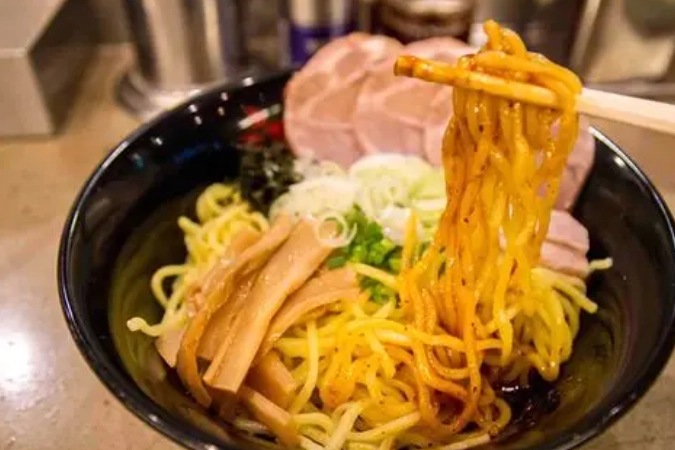
Let's cut through the hype and the hunger. We're not just going to say "it depends." We're going to tear it apart, look at what's in there, compare it to other foods you know, and give you the real talk. By the end of this, you'll know exactly how to answer the question "is abura soba healthy" for yourself, and more importantly, how to make it work for your diet if you choose to.
The Short Answer? Abura soba sits in a nutritional grey area. It's not a green salad, but it's not a deep-fried carnival in a bowl either. Its healthiness swings wildly based on the specific shop's recipe, your portion size, and the toppings you choose. The core issue is its high refined carbohydrate and fat content, often with a worrying amount of sodium. But with smart choices, you can tilt the scales.
What Even Is Abura Soba? Breaking Down the Bowl
Before we can judge its health, we need to know what we're dealing with. "Abura" means oil, and "soba" here usually refers to wheat noodles (not to be confused with 100% buckwheat soba). The "broth-less" part is key. Instead of a soup, you get a bowl of noodles tossed in a flavorful, oily sauce (the tare), topped with goodies.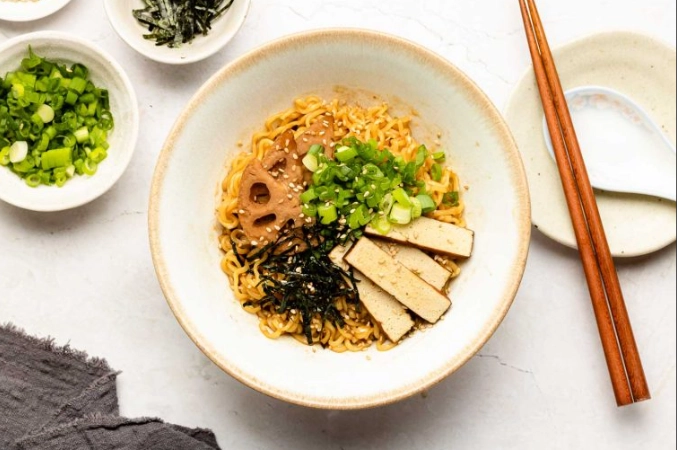
The standard cast of characters includes:
- The Noodles: Typically straight, medium-thick wheat noodles. They're the main event and the primary source of calories and carbs.
- The Sauce (Tare): This is the heart of the flavor and the biggest variable. It's a blend of soy sauce, vinegar, mirin, sake, and crucially, rendered pork back fat (seabura) or other fragrant oils. This is where a huge chunk of the fat and sodium lives.
- The Toppings: Chashu (braised pork belly or shoulder), a soft-boiled marinated egg (ajitsuke tamago), bamboo shoots (menma), seaweed (nori), green onions, and sometimes a spoonful of spicy minced meat (mabodare).
You mix it all together vigorously at the table. The goal is to coat every strand of noodle with that glossy, addictive sauce.
The Nutrition Deep Dive: What's in a Typical Bowl?
Let's get concrete. Pinpointing exact numbers is tough because every shop is a secret kingdom with its own recipe. But by looking at common ingredients and data from resources like the USDA FoodData Central for nutritional components, we can build a realistic picture.
Here’s a rough breakdown for a standard, regular-sized bowl from a typical specialty shop:
| Nutrient | Approximate Amount (Regular Bowl) | Primary Source | Quick Note |
|---|---|---|---|
| Calories | 600 - 850 kcal | Noodles, Pork Fat, Chashu | This is a main meal's worth, similar to a large sandwich with fries. |
| Carbohydrates | 80 - 100g | Wheat Noodles | Mostly refined carbs. Provides quick energy but little fiber. |
| Protein | 25 - 35g | Chashu, Egg, Noodles | Actually a decent protein hit, which helps with satiety. |
| Total Fat | 25 - 40g | Pork Back Fat (Seabura), Chashu Fat | A significant amount, high in saturated fat. |
| Saturated Fat | 8 - 15g | Animal Fats | Can be 40-70% of a daily limit in one bowl. |
| Sodium | 1,500 - 2,500mg | Soy Sauce, Seasoned Toppings | The big red flag. Often exceeds the WHO's daily recommended limit of 2,000mg. |
| Fiber | 3 - 6g | Noodles (minimal), Veg Toppings | Very low relative to the carb load. Lack of veggies is a problem. |
Seeing it laid out like that is kind of startling, isn't it? The sodium number in particular. I once tracked my meal at a famous chain and my fitness app nearly had a heart attack when I input the estimated sodium. It's no joke.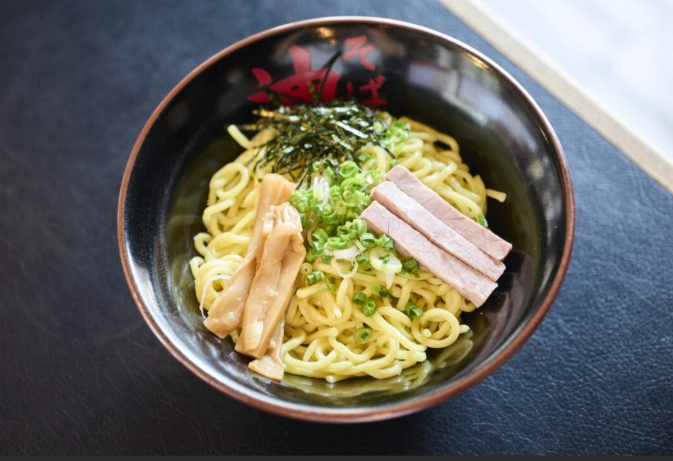
The Big Three Health Concerns
When people ask "is abura soba healthy," they're usually worried about these three things:
- Sodium Bomb: This is the #1 issue. Consistently high sodium intake is linked to high blood pressure, which strains your heart and kidneys. That single bowl can be your entire day's worth. If you have any blood pressure concerns, this is a major point to consider.
- Refined Carb Load: A big pile of white wheat noodles causes a rapid spike in blood sugar, followed by a crash. This isn't great for energy stability or long-term metabolic health, especially if you're sedentary after eating.
- Type of Fats: The rendered pork fat, while incredibly flavorful, is high in saturated fats. While the dietary science on saturated fat is evolving, most health bodies like the American Heart Association still recommend limiting it for heart health.
Personal Opinion Time: I think the biggest trap with abura soba is the "it's not soup" illusion. People might think it's lighter than ramen because there's no liquid. But in reality, you're eating all the concentrated seasoning and fat that would have been in the broth. It's a classic calorie-dense, nutrient-light meal.
But Wait, It's Not All Bad: The Potential Upsides
Okay, so we've been a bit harsh. Let's be fair. There are some points in its favor, especially compared to its cousin, tonkotsu ramen.
- Portion Control is (Sometimes) Easier: Because it's so rich, you might naturally eat less of it than a bowl of ramen soup. I often find I can't finish a large size, whereas I could slurp soup forever.
- Good Protein Content: The chashu and egg provide a solid amount of complete protein, which helps you feel full and supports muscle maintenance. This is a plus over a plain pasta dish.
- No MSG Overload (Sometimes): While some shops use it, the deep flavor often comes from the fermented sauces and fats, not just added MSG. This is a minor point, but some people are sensitive to it.
- It's Real Food: At its best, it's made from recognizable ingredients: noodles, pork, eggs, soy. It's not a hyper-processed mystery meal from a fast-food joint, assuming you go to a decent shop.
So, is abura soba healthy in an absolute sense? Not really. But is it a nutritional wasteland? Also no. It has some saving graces.
How Does It Stack Up? The Noodle Showdown
Context is everything. Let's see how it compares to other popular noodle and pasta dishes. This table assumes standard restaurant preparations.
| Dish | Calories (approx.) | Sodium (approx.) | Fat (approx.) | Veggie Content | The Verdict |
|---|---|---|---|---|---|
| Abura Soba | 700 kcal | 2,000mg | 35g | Very Low (some onions) | High sodium & fat, low fiber. The main concern. |
| Tonkotsu Ramen | 750-900 kcal | 1,800-3,000mg | 40-50g | Low-Medium | Similar or worse on all fronts due to rich, fatty broth. |
| Shoyu Ramen | 550-700 kcal | 1,500-2,200mg | 15-25g | Medium | Often lighter broth, but sodium can still be sky-high. |
| Spaghetti Carbonara | 800-1,000 kcal | 800-1,200mg | 40-50g | None | Similar fat, but usually much lower sodium. Still heavy. |
| Pad Thai | 600-800 kcal | 1,000-1,800mg | 20-30g | Medium (bean sprouts, onion) | Can be sugary, but often has more vegetable matter. |
| 100% Buckwheat Soba (in tsuyu) | 350-450 kcal | 1,000-1,500mg | 2-5g | Can be high | The healthier choice. Whole grain, lower cal, more nutrient-dense. |
The comparison makes it clear. Abura soba isn't the worst offender in the noodle world (looking at you, creamy tonkotsu), but it's firmly in the "indulgence" category, not the "healthy meal" category. Buckwheat soba is the clear winner if health is your top priority.
How to Make Abura Soba Healthier: A Practical Guide
This is where we move from theory to practice. You want to eat it, but you also want to feel okay about it. Here’s how to hack the system, whether you're at a restaurant or making it at home.
At the Restaurant (Your Ordering Strategy)
Most good abura soba shops offer customization. Use it.
- Ask for "Less Sauce" or "Light Tare" (Karime): This is the single most effective move. You're directly reducing fat and sodium. The flavor will still be strong, I promise.
- Request "Less Oil" (Abura Sukuname): Specifically ask them to go easy on the fragrant oil ladle at the end.
- Double the Vegetables: If they offer extras like spinach (hourensou), bean sprouts (moyashi), or corn, add them. You need that fiber and volume.
- Go Easy on the Toppings: Consider skipping the extra chashu pile or the fatty minced meat topping. The standard amount is plenty. The egg is good protein, keep that.
- Choose Leaner Protein if Available: Some places offer chicken or extra egg as alternatives to the fatty pork belly chashu.
- Don't Drink the Bottom Sludge: At the end, there's often a pool of super-concentrated sauce and oil. Leave it. You've enjoyed the noodles, you don't need to drink the pure fat and salt.
Pro-Tip: Order a side salad or some boiled greens (like oshitashi) before your noodles. Filling up a bit on fiber-rich veggies first can help you eat fewer noodles and slows down the carb absorption.
Making It at Home (Where You Have Full Control)
This is the best way to truly answer "is abura soba healthy" with a yes. You control every ingredient.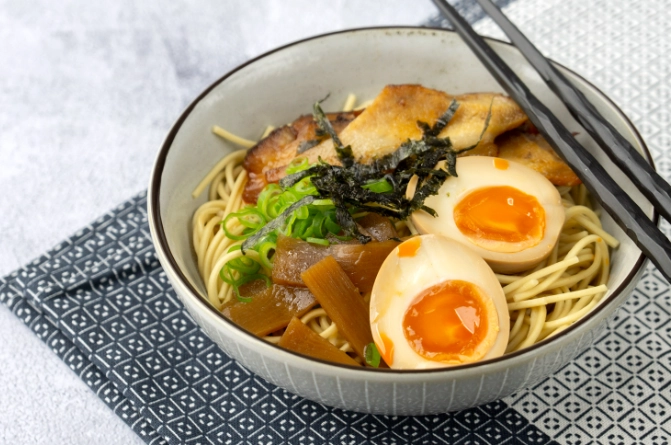
- Noodle Swap: Use whole wheat noodles, lower-carb noodles (like shirataki or konjac noodles – a game changer!), or even zucchini noodles (zoodles) for a massive calorie and carb reduction. Real talk: shirataki noodles have a different texture, but they soak up sauce amazingly well.
- Reinvent the Sauce: Instead of pure pork fat, use a blend. Try a base of toasted sesame oil (a little goes a long way), a touch of chili oil, and low-sodium soy sauce or tamari. Add rice vinegar, a tiny bit of mirin, and grated ginger/garlic for complexity.
- Lean Protein: Use sliced roasted chicken breast, seared lean pork loin, or even firm tofu instead of pork belly.
- Load Up the Veggies: This is non-negotiable. Sautéed spinach, mushrooms, shredded cabbage, bok choy, bell peppers – make the bowl half vegetables. It adds volume, nutrients, and fiber, making the meal far more balanced and filling.
- Mind the Egg:
- Mind the Egg: A soft-boiled egg is great. Maybe skip the heavy marinade or use a lighter one.
I've made a home version with chicken, shirataki noodles, and a mountain of bok choy. It scratched the itch, was delicious, and didn't leave me in a food coma. It's proof that the idea of abura soba can be adapted.
Who Should Probably Think Twice?
Let's be responsible. While most people can enjoy it occasionally, there are some for whom the standard restaurant bowl is a particularly poor choice.
- Anyone with Hypertension or Heart Conditions: The sodium and saturated fat combo is a direct concern. Please consult your doctor or dietitian.
- People Actively Trying to Lose Weight: The calorie density makes it easy to over-consume without feeling volumetrically full. It's a diet saboteur if not carefully managed.
- Those with Blood Sugar Issues (Diabetes, Insulin Resistance): The large portion of refined noodles will cause a significant blood sugar spike.
- Anyone on a Strict Low-Sodium Diet: This should be obvious, but it bears repeating.
If you fall into one of these categories, the restaurant version is a hard "rare treat." The homemade, modified version is your friend.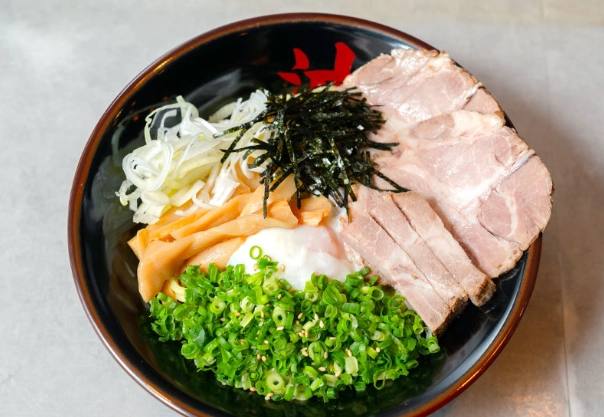
Your Questions, Answered (FAQ)
I've gotten a lot of questions from friends about this. Here are the most common ones.
The Final Verdict: So, Is Abura Soba Healthy?
Here's the bottom line, straight up.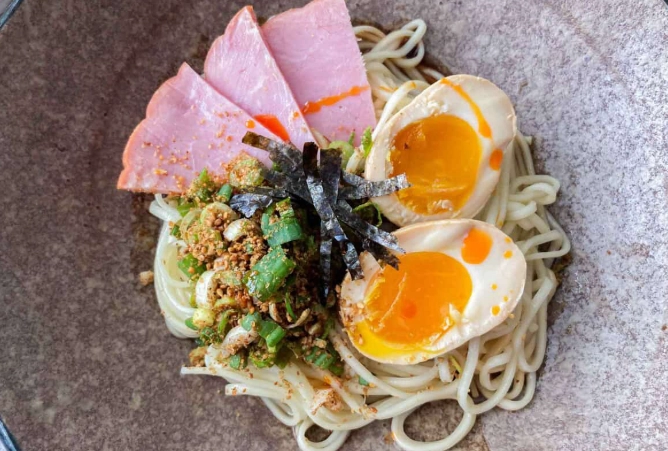
The classic, restaurant-style abura soba is not a health food. It's a delicious, indulgent, calorie-dense dish that's high in sodium, refined carbs, and certain fats. If you eat it as served, you are eating a treat.
But – and this is a big but – the question "is abura soba healthy" doesn't have to have a "no" answer. With conscious modifications, either when ordering or by making it yourself, you can create a version that is satisfying, flavorful, and fits into a balanced diet. You can boost the veggies, swap the noodles, lean out the protein, and lighten the sauce.
It's all about context and frequency. Enjoying a full-fat, full-sodium bowl from your favorite shop once in a while is a perfectly normal part of life. Trying to make it a regular lunch? That's where you might run into problems.
My advice? Don't fear it. Understand it. Know what's in it. Use the tips above to make smarter choices. And most importantly, when you do have it, really savor it. That's what good food is about.
Final Thought: Your overall diet pattern matters more than any single meal. If you eat plenty of whole foods, vegetables, and lean proteins most of the time, the occasional unabashed bowl of abura soba is nothing to stress over. The problem starts when the "occasional" becomes the "usual." Keep it special, and you can enjoy every salty, savory, delicious bite.
Reader Comments