Let's be honest. The store-bought gyoza dipping sauce in the bottle? It's fine. It gets the job done. But it's never the reason you remember the meal. The real magic, the stuff that makes you close your eyes after that first bite of pan-fried dumpling, happens when you whisk together a few simple ingredients yourself. It's not just a sauce; it's the conductor of the umami orchestra in your mouth. Forget complicated recipes. A perfect Japanese gyoza dipping sauce is about balance, not complexity. It's salty, tangy, subtly sweet, and packed with savory depth, all working to lift the juicy pork and cabbage filling without overpowering it.
What's Inside This Guide
What Exactly is Japanese Gyoza Dipping Sauce?
At its core, it's a seasoned vinegar sauce. While Chinese dumpling sauces might lean heavily on chili oil and Sichuan pepper, the Japanese version is cleaner, sharper, and designed to cut through the richness of the fried gyoza wrapper and fatty pork filling. The foundation is almost always a 1:1 to 2:1 ratio of soy sauce to rice vinegar. From there, aroma and complexity are added: a touch of sweetness from mirin or sugar, heat from rayu (chili oil) or fresh chili, and the unmistakable pungent kick of freshly grated ginger and garlic.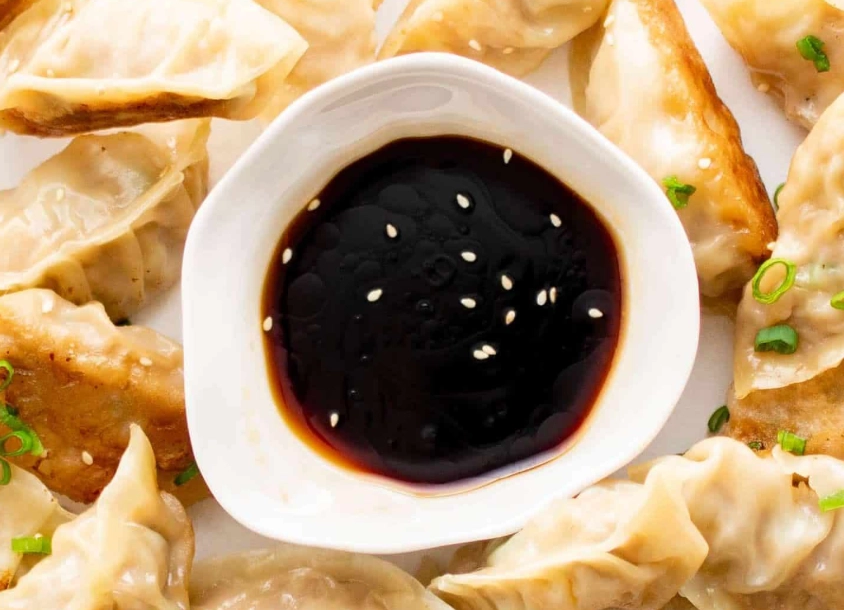
It's a sauce built on contrast. The vinegar's acidity brightens the fat, the soy sauce provides salty depth, and the aromatics add layers that make each dip interesting. I learned this the hard way years ago in a tiny Osaka izakaya. The chef served gyoza with a sauce that was shockingly simple but perfect. When I asked, he just smiled and said, "Good soy sauce, good vinegar, taste as you go." It was a lesson in ingredient quality over quantity.
How to Make the Classic Gyoza Dipping Sauce
This is your blueprint, the standard against which all others are measured. You can make it in 60 seconds. The key is using the right ingredients and understanding their roles.
Pro Tip: Never mix the sauce directly in the serving bowl if you're grating ginger and garlic into it. Use a separate small bowl or cup to whisk. This lets you control the consistency and ensures the grated bits are evenly distributed. Pour it into your serving dish once combined.
| Ingredient | Amount | Purpose & Notes |
|---|---|---|
| Soy Sauce (Koikuchi) | 2 tablespoons | Provides the salty, umami backbone. Use a standard Japanese soy sauce like Kikkoman. Avoid dark soy sauce—it's too strong and sweet for this. |
| Rice Vinegar | 2 tablespoons | The essential tang. Unseasoned rice vinegar (su) is best. Brands like Mizkan are reliable. Don't use apple cider or white wine vinegar; the flavor profile is wrong. |
| Mirin | 1 teaspoon | Adds a gentle sweetness and gloss. If you don't have mirin, 1/2 tsp of sugar dissolved in the sauce works. Hon-mirin (true mirin) is ideal, but aji-mirin is fine for everyday use. |
| Fresh Ginger | 1/2 teaspoon, grated | Grate it finely. The juice and pulp are what you want. Pre-ground ginger powder is a poor substitute; it turns the sauce murky and tastes dusty. |
| Fresh Garlic | 1/2 teaspoon, grated or minced | Same rule as ginger—fresh is non-negotiable. A microplane grater is perfect for both. |
| Rayu (Chili Oil) | A few drops to 1/2 tsp | Optional, but highly recommended for a touch of heat and fragrance. Start with a few drops. You can add more, but you can't take it out. |
The Method: Combine everything in a small bowl. Whisk with chopsticks or a fork until the mirin is fully incorporated. That's it. Let it sit for 5-10 minutes before serving if you can. This brief rest allows the ginger and garlic flavors to mellow and infuse the liquid more evenly. Taste it. Your palate is the final judge. Need more tang? Add a splash of vinegar. Too sharp? A tiny pinch of sugar can round it out.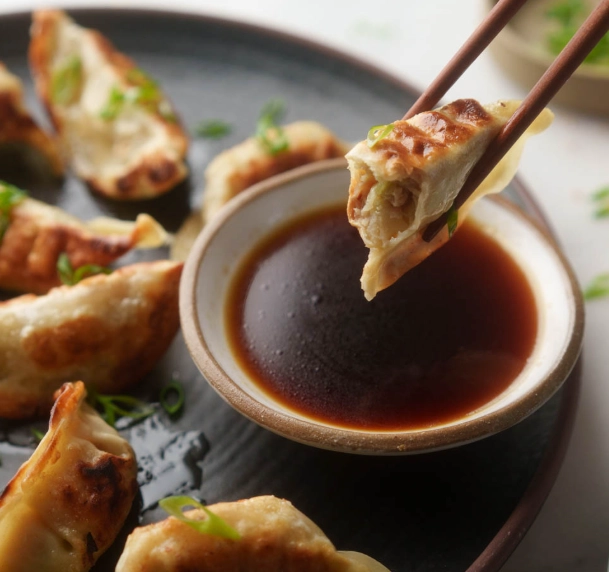
3 Common Mistakes That Ruin Your Sauce (And How to Fix Them)
Most failed gyoza sauces come down to a few easily corrected errors. I've made them all, so learn from my missteps.
Mistake 1: Using Low-Quality or Wrong Soy Sauce
This is the biggest one. Your standard all-purpose soy sauce is 90% of the flavor. Using a harsh, overly salty, or chemically-tasting soy sauce dooms the entire mix. Also, avoid tamari for this specific sauce unless you need it to be gluten-free. Tamari is thicker, richer, and less sharp, which can make the sauce taste heavy and one-dimensional. Stick with a well-balanced koikuchi (dark) soy sauce.
Mistake 2: Not Tasting and Adjusting
You followed a recipe to the letter, but it doesn't taste right. Recipes are guidelines. Your soy sauce brand might be saltier than mine. Your rice vinegar might be more acidic. Always taste your sauce before serving. Dip the tip of a gyoza wrapper or a piece of vegetable in it. Is it too punchy? Add a tiny bit of water or a pinch of sugar. Too flat? A drop more soy sauce or a micro-grating of ginger can wake it up.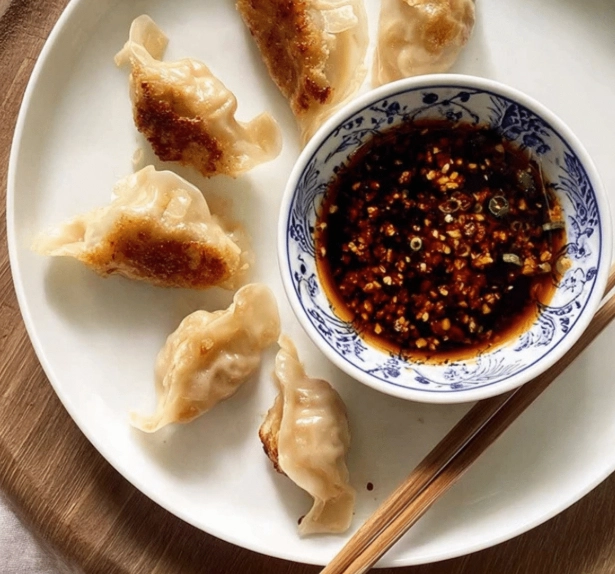
Mistake 3: Making One Sauce for All Gyoza
This is a subtle point most guides miss. The sauce for crispy, pan-fried yaki-gyoza can handle more vinegar and sharpness to cut the oil. For delicate, steamed sui-gyoza, you might want a slightly milder, sweeter sauce that doesn't overwhelm the softer textures. Think of the sauce as part of the dish, not a separate entity.
Beyond the Basic: Must-Try Sauce Variations
Once you've mastered the classic, play around. These variations are common in Japanese homes and restaurants.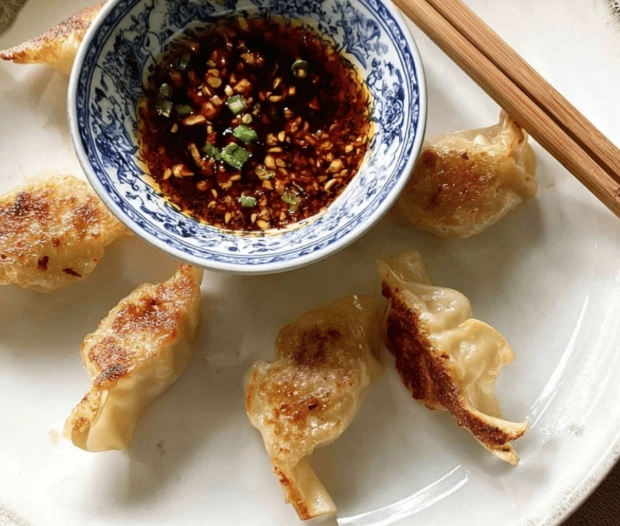
The Spicy Kick: Add 1/2 to 1 teaspoon of la-yu (rayu), Japanese chili oil with sesame. Or, for a fresher heat, add thin slices of a fresh red chili pepper. The oil from the rayu also adds a beautiful sheen.
The Citrus Twist (Ponzu-Style): This is a game-changer. Replace half of the rice vinegar (1 tbsp) with freshly squeezed yuzu juice or, more accessibly, a mix of lemon and lime juice. The citrus aroma is incredible. Add a small pinch of bonito flakes (katsuobushi) to the sauce and let it steep for 10 minutes, then strain. You get a complex, dashi-infused citrus sauce that's restaurant-level.
The Nutty Depth: Add 1/2 to 1 teaspoon of toasted sesame oil (not the dark Chinese kind, use the lighter Japanese variety) along with a sprinkle of white sesame seeds. This pairs wonderfully with vegetable gyoza.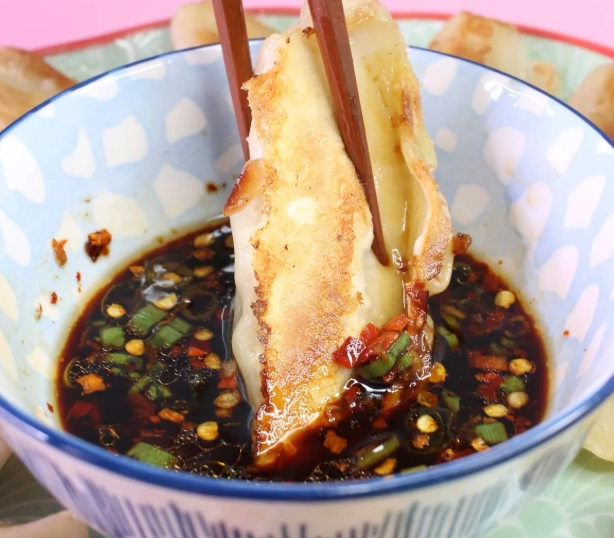
Matching Your Sauce to Your Gyoza Cooking Method
It's not one-size-fits-all. Here's how I adjust my base recipe depending on how the gyoza are cooked.
For Pan-Fried (Yaki) Gyoza: I go with the standard 2:2:1 ratio (soy:vinegar:mirin). The high heat and crispy, oily surface need that acidic punch. I'm generous with the garlic and always include rayu. The robustness stands up to the texture.
For Steamed (Sui) or Boiled Gyoza: I dial back the vinegar to a 2:1.5 ratio and bump the mirin to 1.5 teaspoons. Sometimes I add an extra teaspoon of dashi or water to lighten it. The sauce should be a gentle complement, not an assault, to the soft, juicy dumpling.
For Deep-Fried Gyoza: Rare, but delicious. Here, I make a slightly sweeter sauce—almost a 2:2:2 ratio with a touch of water—to balance the intense richness. A few extra sesame seeds add a nice textural contrast.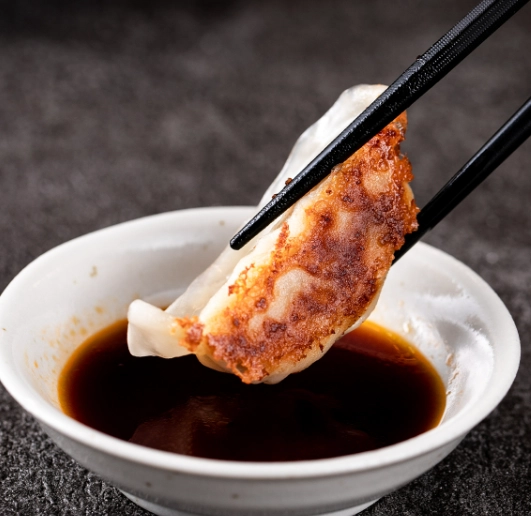
Reader Comments