Let's talk about buckwheat noodles. You've probably seen them on menus as "soba," picked up a pack at the health food store, or scrolled past a gluten-free recipe featuring them. But there's a world beyond the basic package instructions. These nutty, earthy strands aren't just an alternative pasta—they're a nutritional powerhouse with a history that stretches from the mountains of Japan to the villages of Northern Italy. I've burned my share of delicate soba, under-seasoned broths, and learned the hard way that not all buckwheat noodles are created equal. This isn't just a list of facts. It's your roadmap to understanding, cooking, and genuinely enjoying one of the most versatile and good-for-you foods in your pantry.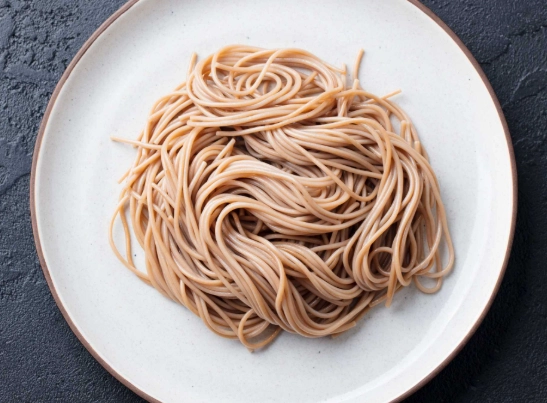
Your Quick Guide to All Things Buckwheat Noodles
What Are Buckwheat Noodles and Why Are They So Healthy?
First, a crucial fact: buckwheat isn't wheat. It's not even a grain. It's a seed related to rhubarb and sorrel. That's why buckwheat noodles are a go-to for anyone avoiding gluten. The flour, milled from these triangular seeds called groats, gives the noodles their distinctive grayish-brown color and that rich, almost toasted flavor.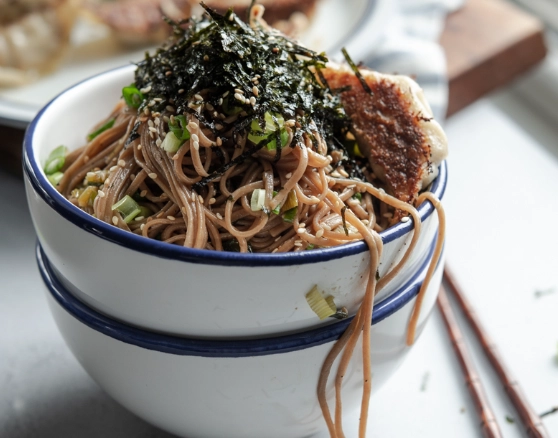
The health benefits are where things get impressive. A study in the Journal of Nutrition highlighted buckwheat's role in improving metabolic health. Here's the breakdown of what you're really getting in a serving:
Complete Protein: Unlike most plant foods, buckwheat contains all nine essential amino acids, including a good amount of lysine, which is often low in grains. This makes it fantastic for plant-based diets.
Fiber Champion: It's packed with resistant starch and soluble fiber, which feed your gut bacteria and help manage blood sugar levels. You feel fuller, longer.
Mineral Boost: It's a great source of magnesium (for muscle and nerve function) and manganese (for bone health and metabolism).
Rutin Power: This is the secret weapon. Rutin is a bioflavonoid that strengthens capillaries and has anti-inflammatory properties. You won't find this in your regular spaghetti.
Now, not all buckwheat noodles are 100% buckwheat. In fact, pure buckwheat flour is tricky to work with—it lacks gluten, so the dough can be brittle. Many soba noodles, especially outside specialty shops, are a blend. Here's what you need to know when shopping:
| Type | Buckwheat Content | Texture & Flavor | Best For |
|---|---|---|---|
| Juwari Soba | 100% Buckwheat | Deep nutty flavor, more fragile, darker color. | Purists, gluten-free diets. Handle gently. |
| Nihachi Soba (二八そば) | 80% Buckwheat, 20% Wheat | The classic balance. Chewy, robust flavor, holds together well. | Most restaurant-quality soba, home cooking. |
| Store-Brand "Soba" | Often 40% or less | Milder flavor, softer texture, more like wheat noodles. | Quick meals, familiar pasta texture. |
That higher wheat content isn't necessarily bad—it makes the noodles more accessible and easier to cook. But if you're after the full nutritional and flavor punch, aim for a higher buckwheat percentage. Check the ingredient list.
How to Cook Buckwheat Noodles Perfectly Every Time
This is where most people go wrong. They treat soba like Italian pasta. Big pot, lots of salt, boil until soft. The result? A mushy, flavor-leached mess. Buckwheat noodles, especially the good ones, need a lighter touch.
The biggest mistake? Overcooking. They cook fast, often in 4-6 minutes. Set a timer.
Here's my method, honed after one too many potfuls of porridge:
- Use Plenty of Water: More than you think. A large, wide pot. This gives the noodles room to move and prevents sticking.
- Salt Lightly or Not at All: Unlike pasta, you're not seasoning the noodle itself for a salty sauce. The accompanying broth or dipping sauce is intensely seasoned. Salting the water can make the final dish too salty.
- Stir Immediately: As soon as you add the noodles, give them a gentle stir to separate.
- Taste Early, Taste Often: Start checking a minute before the package's suggested time. You want al dente—a firm bite, not crunch, but definitely not soft.
- The Crucial Rinse: This is non-negotiable. Drain immediately and rinse under cold running water, using your hands to wash off the surface starch. This stops the cooking and gives them that perfect, springy texture. Some traditionalists use ice water. I find cold tap water works just fine.
- Drain Thoroughly: Shake the colander well. No one wants a watery bowl.
Now, what to do with them? You have two main paths: Mori Soba (chilled with a dipping sauce) or Kake Soba (in a hot broth). For a quick home lunch, I lean towards mori. Mix a dipping sauce (tsuyu) from equal parts store-bought mentsuyu (concentrated noodle soup base) and water, add a dash of mirin if you like it sweeter. Arrange the cold noodles on a bamboo mat or plate, garnish with sliced scallions and maybe a bit of wasabi. Dip, slurp, enjoy. The hot broth version is simpler—just heat diluted mentsuyu and pour over the noodles in a bowl.
Beyond Tradition: A 10-Minute Weeknight Buckwheat Noodle Bowl
Don't have traditional Japanese ingredients? No problem. This is my fallback.
Cook the noodles as above. While they cook, in a bowl, whisk together 2 tbsp soy sauce, 1 tbsp rice vinegar, 1 tsp sesame oil, a pinch of sugar, and a grated garlic clove. Toss the rinsed, drained noodles in this sauce. Top with a soft-boiled egg, some shredded cucumber, and a handful of spinach. It's fast, healthy, and satisfies that umami craving. The nuttiness of the buckwheat stands up beautifully to the strong sauce.
Buckwheat Noodles Around the World: From Soba to Pizzoccheri
Japan owns the soba scene, but buckwheat noodles have roots elsewhere. In Northern Italy's Valtellina valley, they make Pizzoccheri—short, flat ribbons of buckwheat pasta. The classic dish is a hearty, wintery bake of pizzoccheri boiled with potatoes and cabbage, then layered with garlic-sauteed greens and copious amounts of local cheese like Casera or Bitto. It's the polar opposite of delicate chilled soba—rich, comforting, and robust.
In Korea, buckwheat is used to make Memil Guksu (buckwheat noodles), often served in a chilled, tangy broth with kimchi, vegetables, and sometimes a bit of beef. The texture is similar to soba, but the flavor profile is distinctly Korean—spicy, sour, and refreshing.
Then there's the French Galette de Sarrasin (buckwheat crepe). Not a noodle, but it shows the flour's versatility. This gluten-free crepe is a staple in Brittany, filled with ham, cheese, and an egg.
The point? Buckwheat is a global citizen. Its earthy flavor adapts. Don't be afraid to use soba noodles in a sesame peanut salad, or crumble cooked buckwheat pasta into a soup instead of croutons. It's a resilient ingredient.
Where to Eat Great Soba: A Tokyo Insider's Pick
If you ever find yourself in Tokyo, eating soba is a pilgrimage. You can get decent noodles anywhere, but for an experience, you need to seek out a specialist. Forget the flashy places in Ginza. Go where the focus is on the craft.
My personal recommendation, the place I take friends visiting, is Kanda Yabu Soba in the Kanda/Jimbocho area. It's not a secret—it's been around since 1880—but it consistently delivers.
- Address: 2-10 Kanda Awajicho, Chiyoda City, Tokyo. It's a beautiful wooden building tucked away from the main street, easy to miss but worth the find.
- The Vibe: Traditional, serene, slightly formal but not intimidating. You might sit on tatami mats.
- What to Order: Their Seiro Soba (the classic cold noodles on a bamboo basket). The noodles have a perfect chew and a profound, toasty flavor. The tsuyu (dipping sauce) is deeply savory, with notes of bonito and seaweed. Get the tempura on the side—it's light and crisp.
- Price Point: A set meal with soba and tempura will run you about 1,800 to 2,500 yen (roughly $12-$18 USD). For the quality, it's a steal.
- Pro Tip: After you finish the noodles, they'll give you sobayu—the hot, starchy water the noodles were cooked in. Pour it into your leftover tsuyu dipping sauce. Drink it. It's the traditional finish, warming and deeply satisfying. It turns the meal into a full cycle.
Why this place over others? Consistency. The noodles are made in-house daily, and the technique is flawless. I've had soba at more famous, Michelin-starred spots that felt more like art than food. Here, it's just exceptional, honest soba. (I will say, the service can feel a bit rushed during peak lunch hour—it's popular with local office workers.)
Your Buckwheat Noodles Questions, Answered
Can I use buckwheat noodles in a cold pasta salad instead of regular pasta?
I'm diabetic. Are buckwheat noodles really better for blood sugar control?
Are all buckwheat noodles gluten-free?
My buckwheat noodles turned out gummy and stuck together. What did I do wrong?

Can I substitute buckwheat noodles for rice noodles in a stir-fry?
Reader Comments