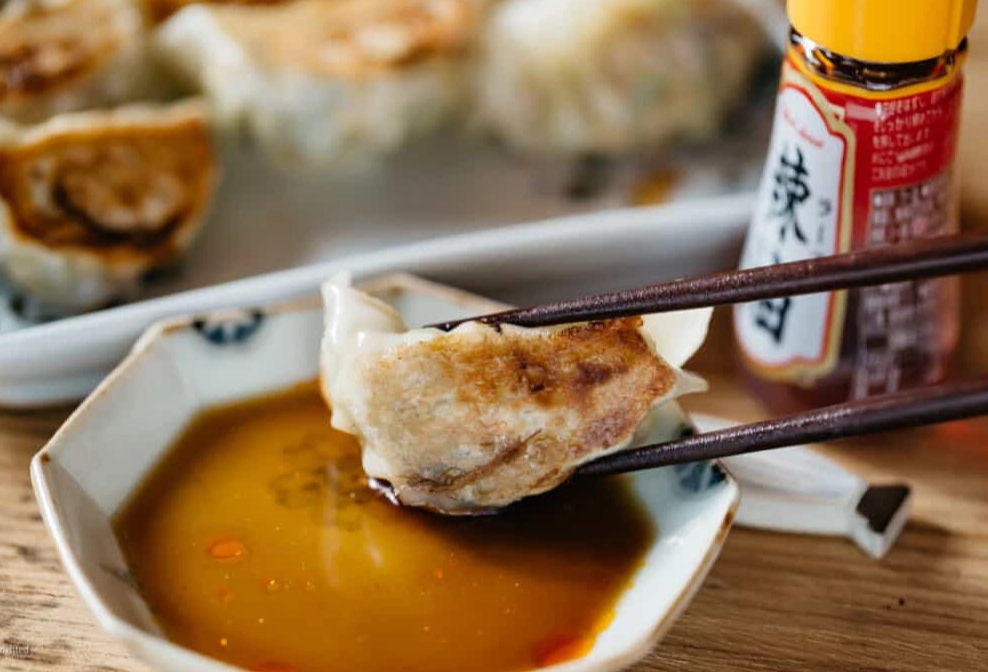
You just fried up a batch of crispy, juicy gyoza. The steam rises, the aroma is incredible. Then you reach for the dipping sauce. This is where the magic happens—or where it falls flat. A great gyoza sauce isn't just an afterthought; it's the co-star of the show. So, what is gyoza sauce made of? At its core, it's a brilliantly simple blend of soy sauce, rice vinegar, and a touch of sesame oil and chili. But the real art lies in the ratios, the quality of ingredients, and the little tweaks that make it yours. Let's break it down, so you never have to settle for a bland dip again.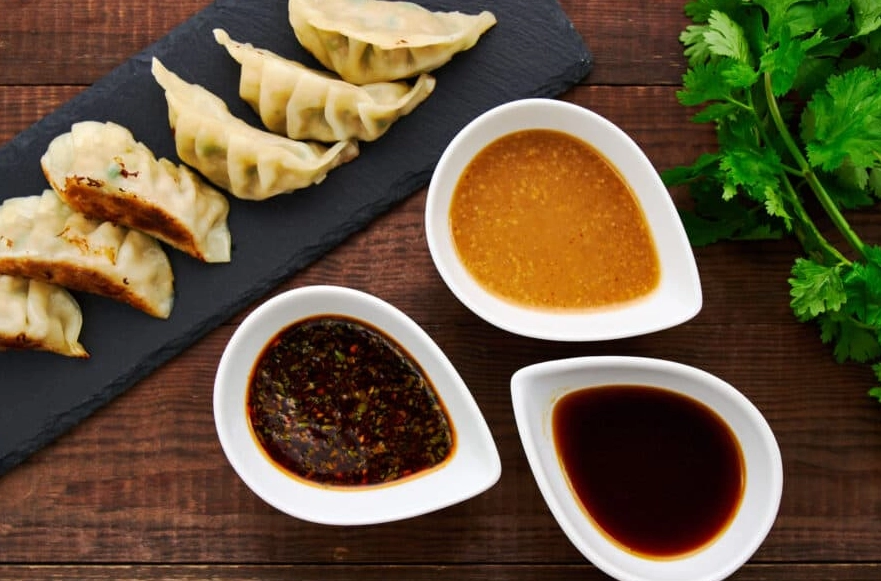
Your Quick Guide to Gyoza Sauce
The 4 Core Ingredients Explained
Forget the long list. Authentic gyoza dipping sauce, or gyoza no tare, hinges on just a few key players. Each one has a specific job.
The Flavor Foundation
Soy Sauce: This is your base, the salty, umami backbone. Don't just grab any bottle. For a cleaner, less overpowering taste, I prefer a Japanese usukuchi (light soy sauce) or a good-quality koikuchi (dark soy sauce). Avoid overly thick or sweet "stir-fry" sauces. The quality of your soy sauce makes a massive difference. Resources like the Japan Soy Sauce Brewers Association can give you deeper insight into the types.
Rice Vinegar: This is the crucial counterpoint. It provides the bright, clean acidity that cuts through the richness of the fried dumpling. Unseasoned rice vinegar is the standard. Seasoned rice vinegar has added sugar and salt, which will throw off your balance. If you only have seasoned, reduce the soy sauce a tiny bit.
The Flavor Enhancers
Sesame Oil: Just a few drops. I mean it. Its role is aromatic, not lubricating. Toasted sesame oil adds a deep, nutty fragrance that ties everything together. A common mistake is pouring in half a teaspoon—it quickly dominates and makes the sauce taste heavy.
Rayu (Chili Oil) or Chili Flakes: This is the customizable kick. Rayu, Japanese chili oil with sesame and aromatics, is fantastic. A pinch of dried chili flakes (togarashi) works too. This element is optional but highly recommended for a bit of warmth.
Getting the Balance Right: The Golden Ratio
This is where most online recipes fail you. They give you equal parts, which often results in a sauce that's either too salty or too sharp.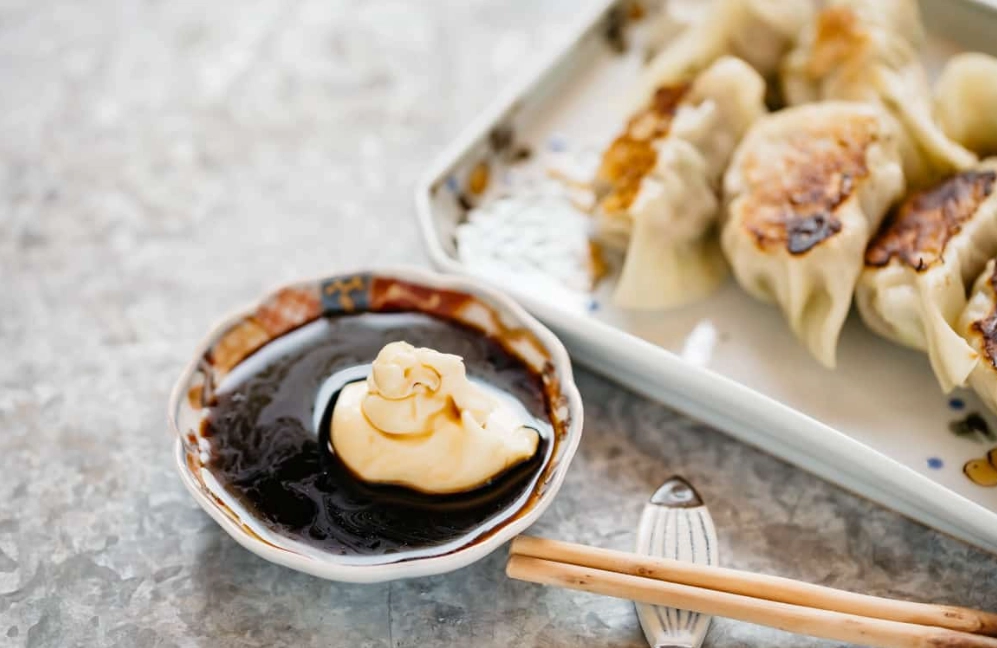
After years of tweaking, here's the ratio I've settled on for a perfectly balanced sauce that complements without overwhelming: 3 parts soy sauce to 2 parts rice vinegar.
Think of it as a 3:2:0.5 ratio. For every 3 tablespoons of soy sauce, use 2 tablespoons of rice vinegar, and about half a teaspoon of toasted sesame oil. The chili element is to taste. This ratio gives you a sauce that's savory first, with a clear but supportive acidic note.
Why not 1:1? A 1:1 ratio often makes the vinegar too prominent, creating a sauce that tastes more like a salad dressing and fights with the dumpling's flavor instead of enhancing it.
My Go-To Gyoza Sauce Recipe
Let's make it. This makes enough for 2-3 servings of gyoza (about 12-18 dumplings).
Classic Gyoza Dipping Sauce
Prep Time: 3 minutes | Cook Time: 0 minutes | Total Time: 3 minutes
Popular Variations & Twists
The basic formula is a canvas. Here are some common and delicious ways people change it up.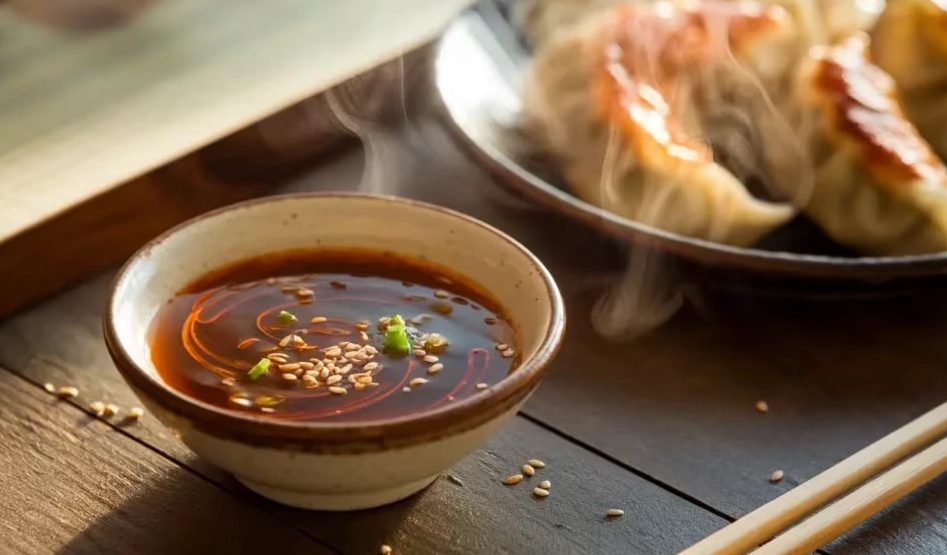
The Sweet & Savory Twist
Many restaurants add a touch of sweetness. Add ¼ to ½ teaspoon of sugar, mirin, or a drop of honey to the base recipe. Dissolve it well. This version is particularly good with pork gyoza.
The Citrus Kick
Swap out half of the rice vinegar for fresh lime or yuzu juice. It creates a brighter, more vibrant sauce perfect for summer or seafood-filled dumplings.
The Allium Boost
Finely sliced green onion (scallion) or chives stirred in right before serving add a fresh, pungent crunch. Don't let them sit in the sauce too long or they'll wilt.
The Vegan-Friendly Version
It's already almost there! Just ensure your soy sauce is vegan (most are, but some contain trace animal products from fermentation). Use a chili oil without animal-derived ingredients. That's it.
Pro Tips You Won't Find on Most Recipes
Here's where that "10 years of experience" comes in. These small details separate a good sauce from a great one.
Don't emulsify it. You're not making a vinaigrette. A quick stir is fine. The slight separation of soy and vinegar on the plate lets you control the dip—more soy for saltiness, more vinegar for tang.
Warm your soy sauce? Controversial, but sometimes I'll microwave the soy sauce for 10 seconds before mixing. It slightly mellows the harsh fermented edge and helps any sugar dissolve. Don't do this with the vinegar or oil.
The garlic and ginger trap. If you add fresh garlic or ginger, mince it microscopically or grate it. A big chunk is overwhelming. And remember, they get stronger as they sit. A little goes a very long way.
Match your filling. For a rich, pork-heavy gyoza, lean into the acidity. For a lighter vegetable gyoza, you might want a slightly sweeter, gentler sauce. Think of the sauce as part of the whole dish, not a separate entity.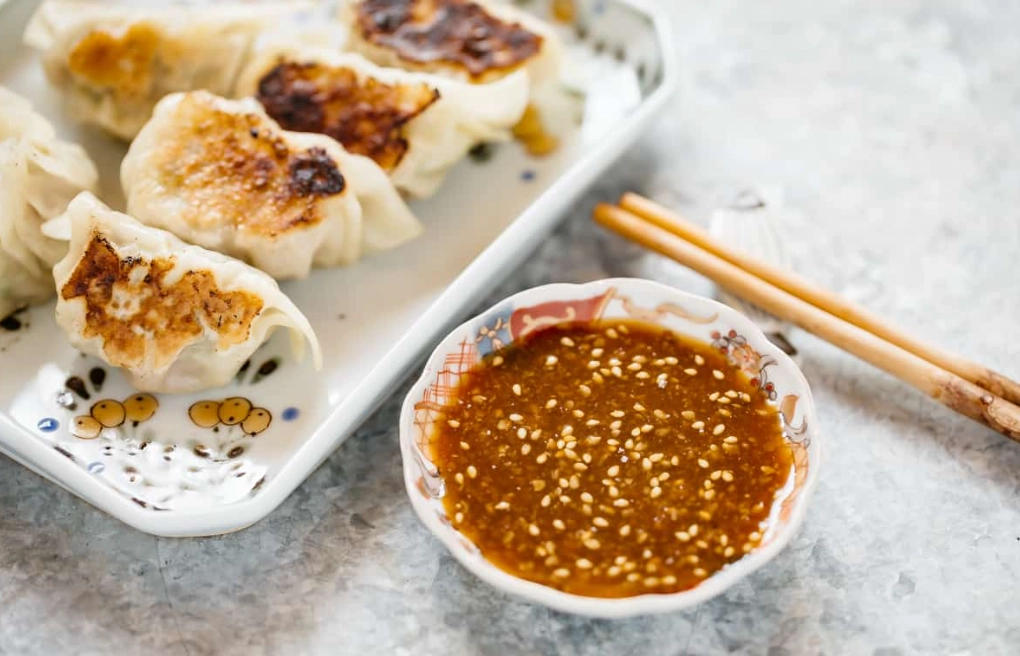
Your Gyoza Sauce Questions, Answered
 How long does homemade gyoza sauce last in the fridge?
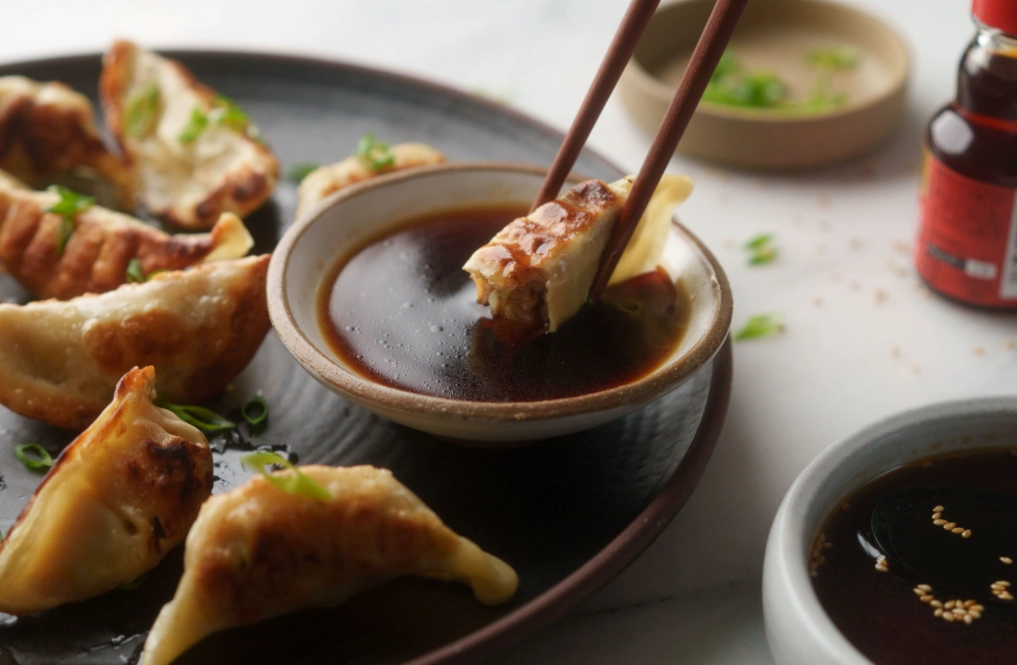 So, what is gyoza sauce made of? It's made of simple, high-quality ingredients combined with a bit of understanding. It's soy sauce doing its salty job, rice vinegar providing the lift, sesame oil whispering in the background, and chili bringing the heat if you want it. But more than that, it's made of balance. Get that 3:2 ratio right, respect the power of sesame oil, and don't be afraid to tweak it until it sings with your dumplings. Now go make a batch. Your gyoza are waiting.
Reader Comments