Let's be honest. The thought of making tonkotsu ramen from scratch is intimidating. It's a project. You see recipes calling for 12, 18, even 24 hours of boiling. The idea of your kitchen smelling like pork for a day and a half, only to end up with a greasy, murky broth? That's enough to make anyone order takeout instead.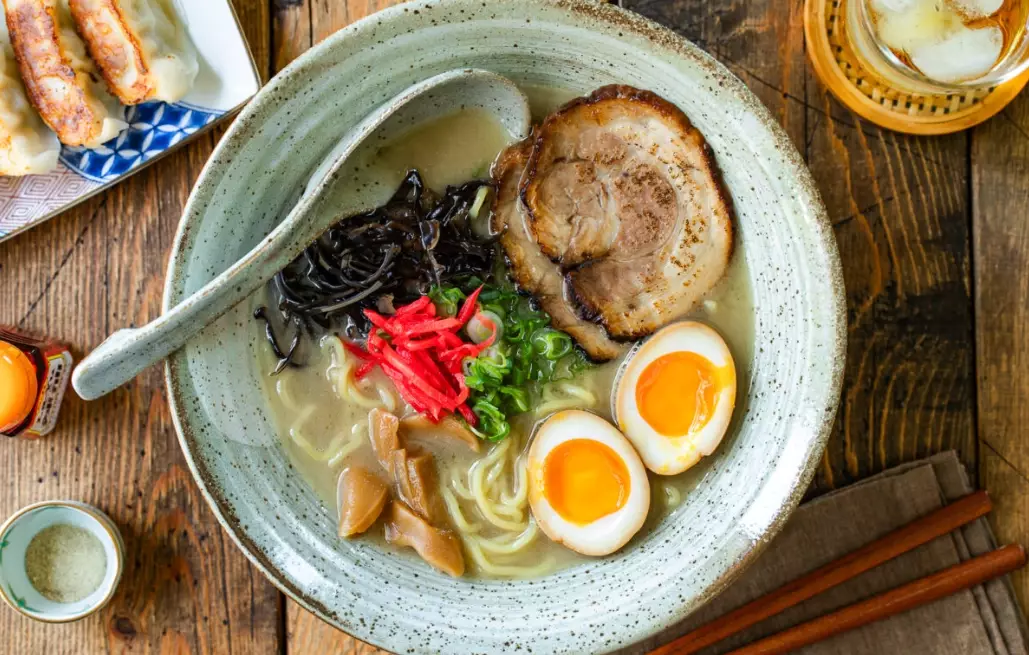
But I'm here to tell you it's absolutely worth it, and more achievable than you think. I've spent years tweaking this process, learning from mistakes (like the time I ended up with a gray, flavorless liquid), and simplifying it for a home kitchen. This isn't just about following steps; it's about understanding the why behind the creamy white broth, the springy noodles, and the perfect balance of toppings. Forget the intimidation. Let's make a bowl of ramen that rivals your favorite shop.
What You'll Learn
The Soul: Demystifying Tonkotsu Broth
Tonkotsu means "pork bones," and that's your entire mission: extract everything from them. The iconic creamy, white color and thick, velvety texture don't come from dairy or flour. It's pure collagen, marrow, and fat emulsified into the water through a violent, rolling boil. This is the most common point of failure for home cooks. A gentle simmer will give you a clear, light broth—delicious, but not tonkotsu. You need a raging boil that churns the pot, breaking the fat and solids into tiny particles that stay suspended.
The Non-Consensus View: Most recipes tell you to blanch the bones to clean them, which is correct. But they rarely stress the next part enough: scrub them. After blanching, take each bone and rinse it under cold water, using your fingers or a small brush to scrub off any dark brown or grayish scum that remains. This leftover coagulated protein is the main culprit behind a bitter or off-tasting broth. Skipping this scrub is a subtle mistake that can haunt your final bowl.
Choosing Your Bones: A Simple Guide
You can't make great tonkotsu with the wrong bones. Forget pre-packaged "soup bones." Go to a butcher, an Asian market, or a grocery store with a real meat counter. Ask for them. Here’s what you’re looking for:
| Bone Type | What It Contributes | My Recommended Ratio |
|---|---|---|
| Neck Bones / Cervical Bones | High in collagen, great for body and creaminess. Often have a good amount of meat attached for flavor. | 50% - The backbone of your broth. |
| Femur (Leg) Bones, Split | Packed with marrow. This is where the rich, unctuous flavor and lipids come from. The split exposes the marrow. | 30% - For depth and fat. |
| Trotters (Pig's Feet) | Extremely high in gelatin and collagen. They are the secret weapon for that lip-sticking, viscous texture. | 20% - The texture booster. |
Aim for 4-5 pounds total for a standard large stockpot. Using a mix is non-negotiable for a complex, layered broth. Just neck bones will taste flat. Just trotters might be too gelatinous. The blend is key.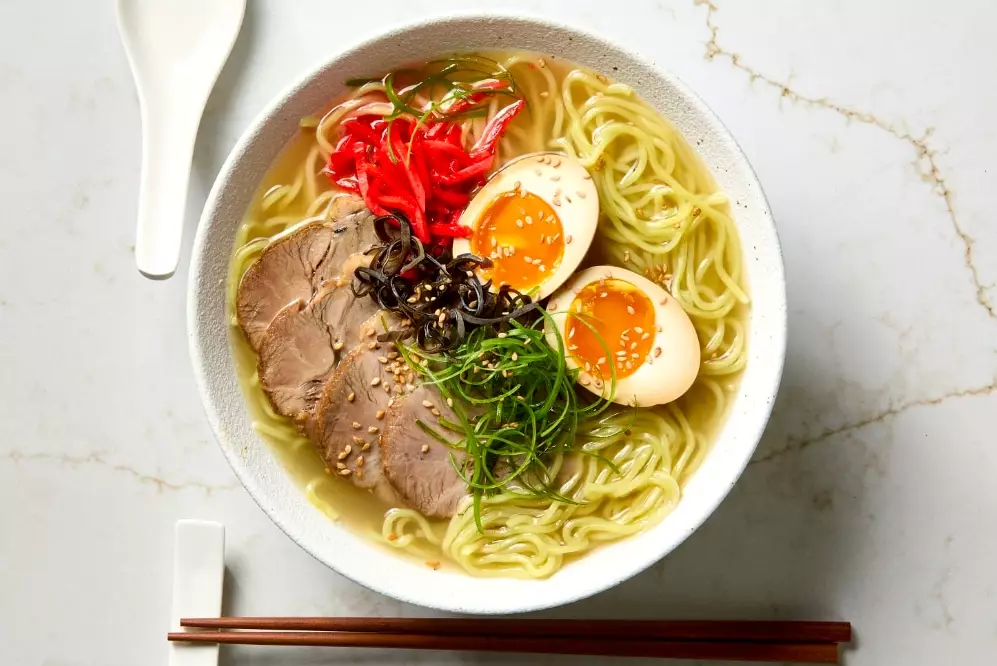
The Step-by-Step Broth Process
This is your roadmap. Read it through before you start.
1. The Initial Blanch & Scrub (1 hour): Place all bones in your largest pot. Cover with cold water by 2 inches. Bring to a boil over high heat. Let it boil violently for 5-10 minutes. You'll see a ton of grayish-brown foam and scum rise. This is impurities and leftover blood. Dump everything into the sink. Now, under cold running water, scrub each bone clean as mentioned above. Rinse the pot too. This step ensures a clean, sweet, milky broth, not a murky one.
2. The Long Boil (10-12 hours): Return the scrubbed bones to the clean pot. Cover with fresh water again, about 2-3 inches above the bones. Add a whole onion (halved, skin on for color), a knob of ginger (smashed), and 2-3 garlic cloves (smashed). Bring to a boil over highest heat. Once boiling, reduce heat just enough to maintain a vigorous, rolling boil. Bubbles should be constantly breaking the surface across the entire pot. Do not cover. Ever. A covered pot will boil over and, more importantly, can make the broth taste "stewed" and dull.
3. The Watch & Top-Off Phase: Water will evaporate. Every hour or so, check the pot. You want the bones to remain mostly submerged. Add boiling water from a kettle to top it off. Never add cold water—it shocks the boil and hinders emulsification.
4. The Finale: After 10-12 hours, the broth should be opaque white, like rich cream. The liquid will have reduced significantly. Turn off the heat. Carefully strain the broth through a fine-mesh sieve lined with cheesecloth (a clean cotton T-shirt works in a pinch) into another large pot or container. Discard the bones and vegetables. You should have 2-3 quarts of concentrated broth.
Pro-Tip: The Color Check. If your broth is still beige or light tan after 6 hours, your boil isn't aggressive enough. Crank up the heat. The white color comes from the physical pummeling of the bones and fat in the water.
Building Your Bowl: Noodles, Tare & Toppings
Your broth is the star, but it needs a supporting cast. A tonkotsu ramen recipe is incomplete without these elements.
The Tare (Seasoning Sauce): This is the salty, flavorful heart of each bowl that seasons the neutral broth. For a classic tonkotsu tare, combine:
- 1 cup soy sauce
- 1/2 cup mirin
- 1/4 cup sake
- A 2x3 inch piece of kombu (dried kelp)
- A handful of bonito flakes (katsuobushi)
Warm everything gently (do not boil) until just steaming. Let it steep for 30 minutes, then strain. This makes a versatile, umami-packed tare. You'll use 1.5-2 tablespoons per bowl.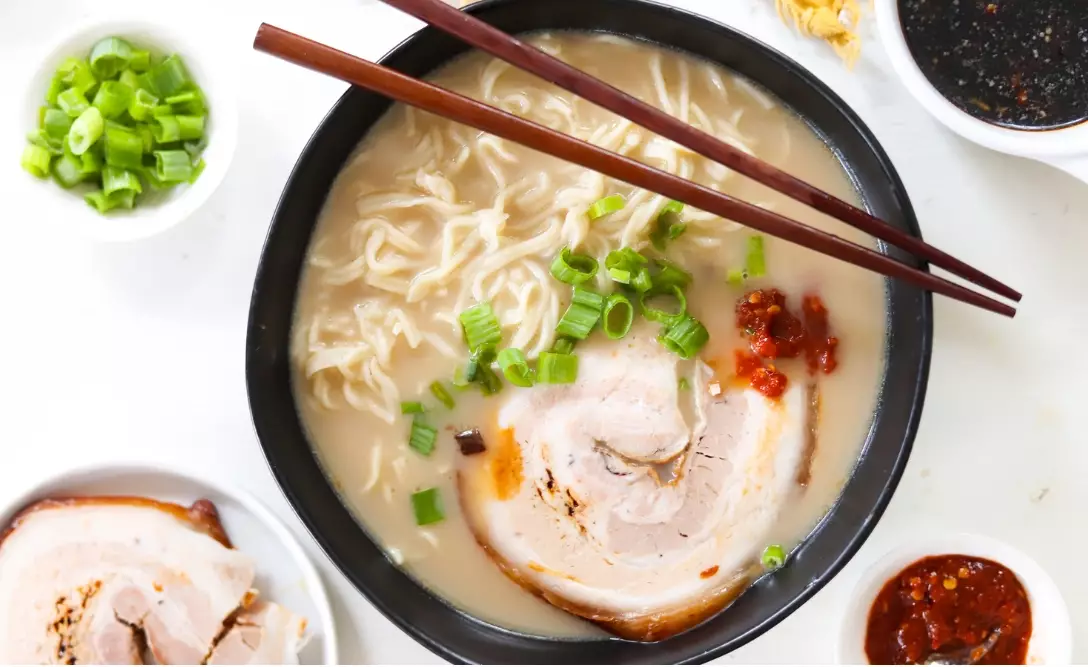
The Noodles: Fresh, alkaline ramen noodles (chūkamen) are ideal. Look for them in the refrigerated section of Asian markets. Dried ramen noodles are a decent substitute. Cook them al dente, a minute less than the package says, as they'll soften in the hot broth. Rinse under cold water to stop cooking and remove surface starch, which keeps the broth clearer.
The Toppings Quartet:
Chashu (Braised Pork Belly): Roll and tie a slab of pork belly. Sear it, then braise for 2 hours in a mix of soy sauce, sake, sugar, ginger, and garlic. Chill, then slice thin.
Ajitsuke Tamago (Marinated Egg): Soft-boil eggs (6.5 minutes), peel, and marinate in a mix of soy sauce, mirin, and water for 4-12 hours. The yolk becomes custardy, the white flavorful.
Menma (Seasoned Bamboo Shoots): Canned is fine. Rinse and sauté with a bit of soy sauce and sesame oil.
Negi (Green Onions): Finely sliced, both green and white parts.
Optional extras: a sheet of nori (seaweed), a pat of compound butter with garlic or chili, a few drops of fragrant sesame oil or spicy rayu (chili oil).
Your Tonkotsu Ramen Questions, Answered
This usually means the emulsification failed. The boil wasn't vigorous enough for long enough. The fat rendered out but didn't get broken up and incorporated. Next time, ensure a truly rolling boil the entire time. Also, when you strain the final broth, let it settle for a few minutes. You can gently skim some surface fat with a ladle if it's excessive, but leave some—it carries flavor. Before serving, use an immersion blender to briefly blitz the broth. This often re-emulsifies it perfectly.
You can, but you'll compromise. A pressure cooker (like an Instant Pot) can make a decent broth in 2-3 hours. It will be flavorful and rich, but it often lacks the signature creamy-white opacity and thick, velvety mouthfeel of the long-boiled version because the violent churning action is absent. A slow cooker is the worst choice—it only simmers, which will give you a clear, light broth, not tonkotsu. If you must save time, the pressure cooker is your best bet, but manage expectations.
Three likely culprits. First, underseasoning. Restaurant broths are heavily seasoned with tare. Don't be shy—start with 1.5 tbsp of tare per bowl of broth, taste, and adjust. Second, fat content. Your broth might be too lean. Remember the bone mix; femur bones and a bit of fat are crucial. Third, MSG. Many restaurants use a small amount (Ajinomoto) to boost umami. It's not mandatory, but a pinch in your tare or broth can bridge the flavor gap. Try using a bit of powdered shiitake mushroom as a more natural umami booster.
Let the strained broth cool completely, then store it in airtight containers. In the refrigerator, it will keep for 4-5 days. The fat will solidify on top, which actually helps preserve it. You can also freeze it for up to 3 months. Freeze it in portion-sized containers (like 2-cup deli cups) so you can thaw just what you need for a couple of bowls. The texture may separate slightly after freezing, but a quick reheat and a whisk or immersion blender will bring it back together.
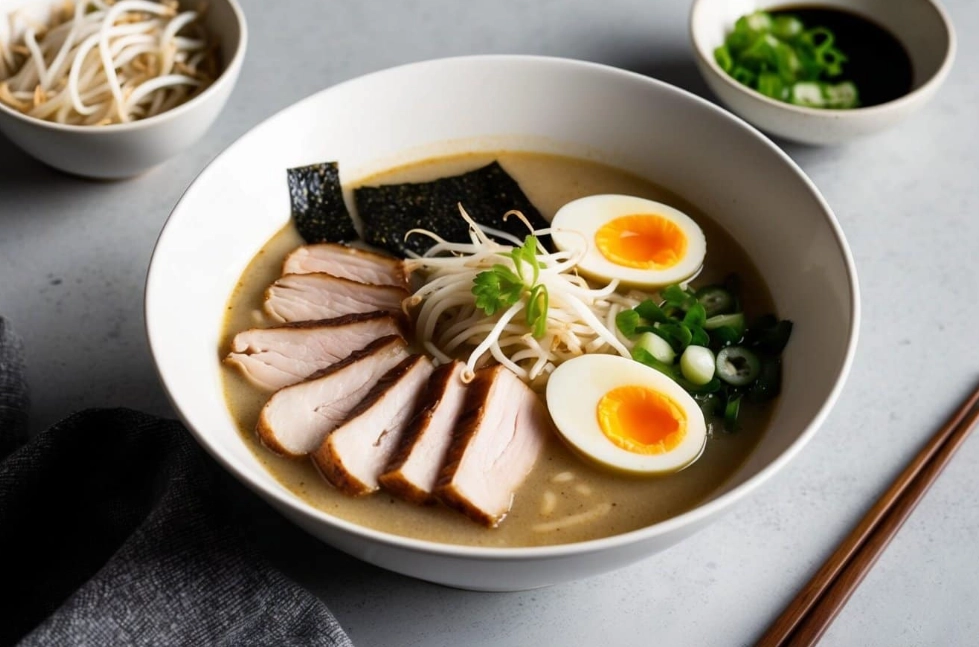 Making tonkotsu ramen is a commitment. It's a weekend project. But the result—a bowl of deeply satisfying, rich, complex noodles that you made entirely yourself—is one of the most rewarding experiences in home cooking. You understand every component. You control the salt, the richness, the doneness of the egg. It transforms from a mysterious restaurant dish into something you can master. So grab those bones, get that pot boiling, and prepare for the best bowl of ramen you've ever had.
Reader Comments