When you think of Japanese food, sushi probably comes to mind first. But for most Japanese people, the real soul food, the stuff you eat on a random Tuesday when you're tired, happy, or just need something deeply satisfying, revolves around a bowl of perfectly cooked rice. We're talking about a whole universe of dishes where rice isn't just a sidekick; it's the main event, soaking up flavors, cradling toppings, and delivering pure comfort.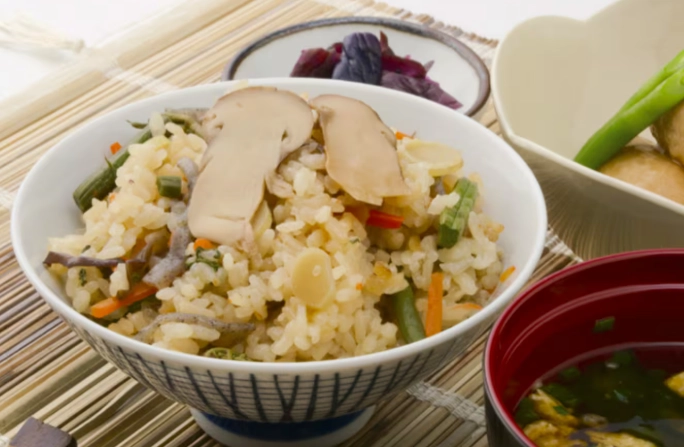
What's Inside?
Don't Just Eat Rice, Eat *On* Rice: The Donburi Universe
"Donburi" simply means "bowl." In food terms, it's a deep bowl piled high with rice and a glorious topping. It's Japan's ultimate one-bowl meal, fast, filling, and infinitely variable. You'll find dedicated donburi shops ("donburi-ya") all over Japan, and it's a staple of home cooking.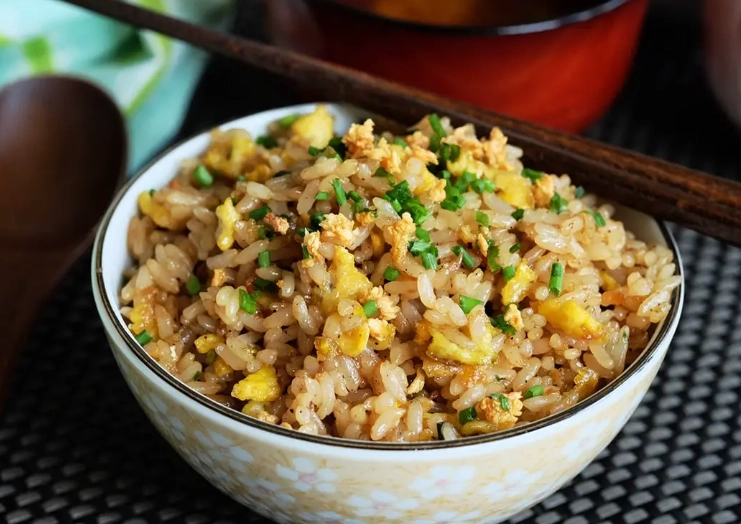
Here’s the thing most guides don't tell you: the rice quality matters as much as the topping. A soggy or cold bed of rice can ruin the best katsudon. The rice should be hot, slightly firm, and able to absorb the sauces without turning to mush.
| Donburi Type | The Topping | Key Flavor Profile | Where to Find It Best |
|---|---|---|---|
| Gyudon | Thinly sliced beef and onions simmered in a sweet-soy dashi broth. | Sweet, savory, umami-rich. | Chains like Yoshinoya or Sukiya are famous, but homemade is often better. |
| Oyakodon | Chicken and egg cooked together in a dashi-soy-mirin broth until just set. | Savory, slightly sweet, creamy from the egg. | Any classic "teishoku" (set meal) restaurant. |
| Katsudon | A deep-fried pork cutlet (tonkatsu) simmered with egg and onions on top. | Rich, hearty, with contrasting textures. | Tonkatsu specialty shops or general restaurants. |
| Tendon | Tempura (shrimp and vegetables) draped over rice, often with a tentsuyu sauce. | Crispy, savory-sweet, lighter than katsudon. | Tempura restaurants at lunchtime for the best value. |
| Unadon | Grilled eel (unagi) glazed with a thick, sweet soy-based sauce (tare). | Sweet, smoky, luxurious. | Specialty unagi restaurants – expect to pay more, but it's worth it. |
How to Master the Art of Donburi at Home
The secret is in the "tare" (seasoning sauce) and the layering. For gyudon or oyakodon, you don't just dump cooked meat on rice. You simmer the ingredients in the tare right until the end, then slide the entire, slightly saucy mixture over the rice. The residual heat and steam finish cooking the egg in oyakodon, and the rice soaks up the extra sauce. A common mistake is overcooking the egg until it's rubbery. You want it just set, almost custardy.
The Simple Magic of Ochazuke
Ochazuke is the Japanese equivalent of chicken soup for the soul, or maybe the ultimate late-night snack. It's the definition of simple: hot green tea, dashi, or even just hot water poured over leftover rice. You then add toppings. It sounds too basic to be good, but it's transformative.
It's a dish born from practicality and comfort. Feeling under the weather? Ochazuke. Had a bit too much to drink? Ochazuke. Need a light meal after a heavy dinner? You get the idea. The Japan National Tourism Organization often highlights it as a quintessential comfort food.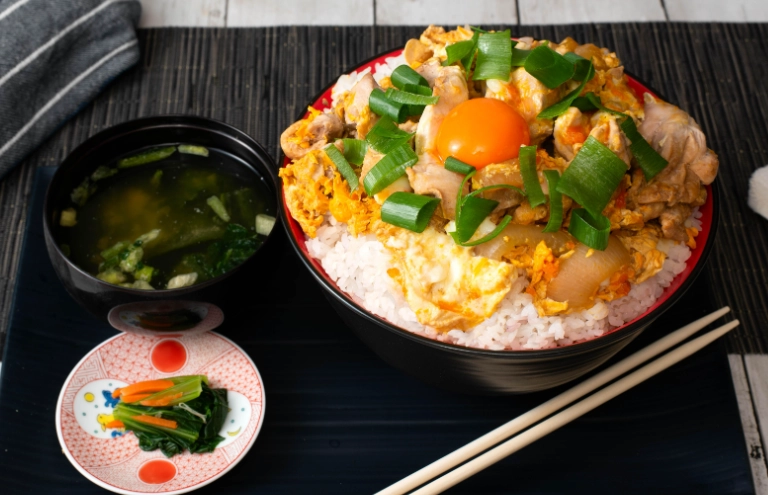
My go-to combination: A bowl of day-old rice (slightly firmer is better), a sprinkle of furikake (seaweed and sesame seasoning), a few flakes of salted salmon (shiozake), a smear of wasabi, and a handful of crispy rice crackers. Pour over steaming-hot sencha green tea until the rice is just submerged. The hot tea warms the rice, the flavors meld, and the textures—soft rice, flaky fish, crunchy crackers—are perfect.
You can buy instant ochazuke packets with freeze-dried toppings and powdered soup base, which are surprisingly good. But building your own from pantry staples is where the real satisfaction lies.
Flavor-Infused Rice: Takikomi Gohan & Kayaku Gohan
This is where rice cooks while absorbing flavors directly. You add dashi, soy sauce, mirin, and ingredients like mushrooms, carrots, bamboo shoots, chicken, or fish directly into the rice cooker with the uncooked rice. As it cooks, everything steams together. The result is a fragrant, savory, one-pot wonder where every grain is seasoned.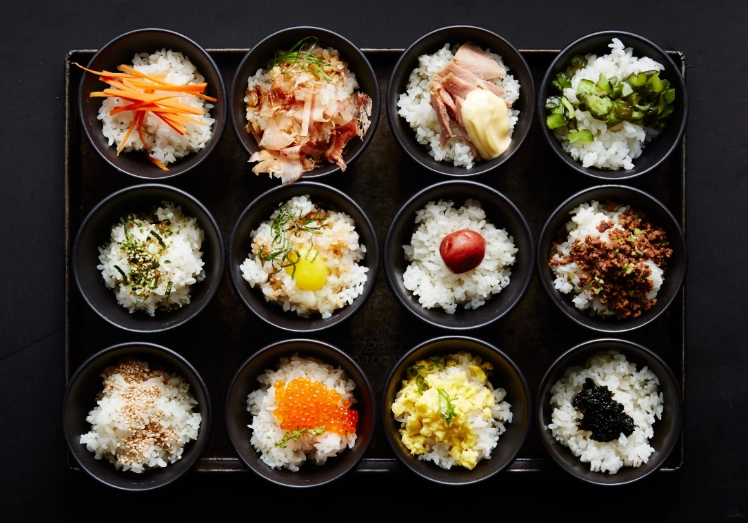
Takikomi gohan and kayaku gohan are often used interchangeably, though some purists say takikomi implies the ingredients are mixed in, while kayaku implies they're added as "extra." In practice, nobody really splits hairs over it at the dinner table.
The key to success here is cutting all your add-ins small and uniformly. Large chunks won't cook through properly. Also, go easy on the liquid seasonings. A tablespoon of soy sauce and mirin goes a long way. Too much, and your rice becomes a wet, salty mess. I learned this the hard way with a batch that tasted like a salt lick.
The Versatile Classics: Fried Rice & Onigiri
Chahan (Japanese fried rice) is a world away from some greasy takeout versions. It's typically lighter, using sesame oil for fragrance rather than drowning in oil. The goal is separate, slightly chewy grains. Day-old, cold rice is non-negotiable—fresh rice is too moist and sticky. The flavor base is often just garlic, soy sauce, and maybe a dash of oyster sauce. Peas, corn, diced ham, and egg are standard mix-ins.
Then there's onigiri, the rice ball. This is Japan's ultimate portable food. You'll find them in every convenience store (konbini) like 7-Eleven or FamilyMart, with fillings like umeboshi (pickled plum), okaka (bonito flakes), or tuna mayo. But a freshly made onigiri, still slightly warm, with crispy nori wrapped around it, is a different beast entirely.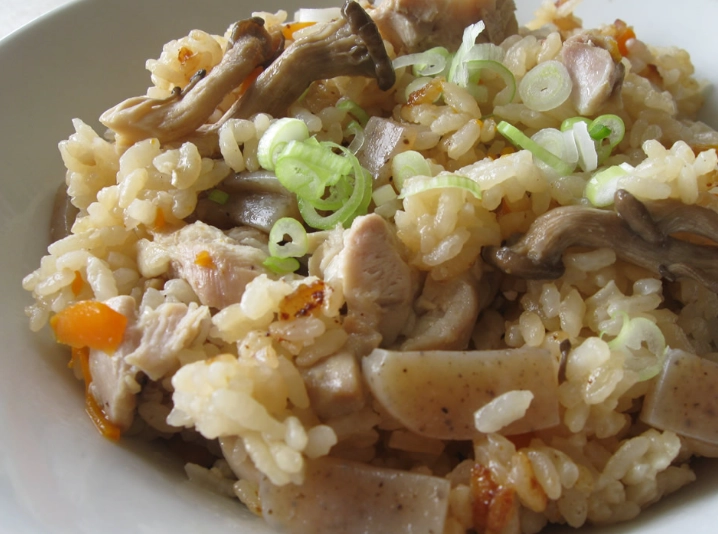
The trick to a good onigiri isn't just the filling; it's the shaping. You need to apply enough pressure so it holds together, but not so much that you crush the grains into a dense paste. Wetting your hands with salted water prevents sticking and adds a subtle seasoning.
How to Master Japanese Rice Dishes at Home
It starts with the rice itself. Short-grain Japanese rice (like Koshihikari) is essential for its sticky, slightly sweet quality. Rinse it until the water runs almost clear to remove excess starch. The water ratio is usually 1:1.1 (rice to water) for modern rice cookers.
Stock your pantry with the "S-M-D" trio: Soy sauce (usukuchi/light for color, koikuchi/dark for flavor), Mirin (sweet rice wine, get the real fermented kind, not "aji-mirin" which is just corn syrup and flavoring), and Dashi. Dashi is the fundamental umami broth. You can make it from scratch with kombu (kelp) and katsuobushi (bonito flakes) in 20 minutes, or use a quality instant granulated dashi. It makes all the difference.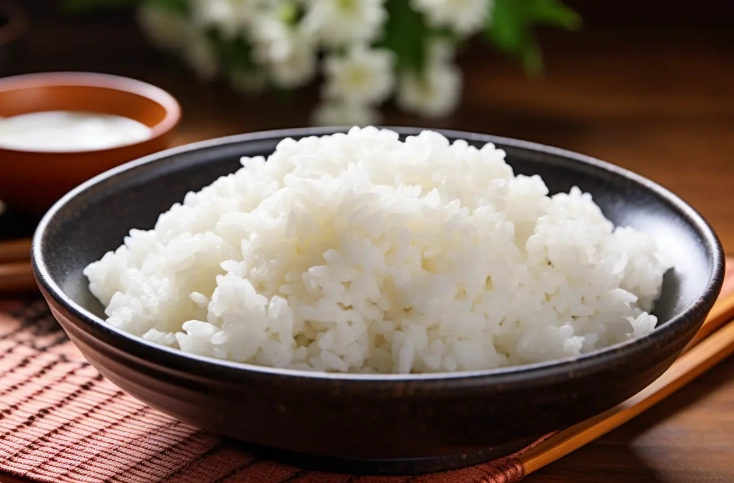
Don't be intimidated. A gyudon or oyakodon comes together in 15 minutes. Ochazuke takes 2. These are weeknight warrior meals.
Your Japanese Rice Dishes Questions, Answered
Look for any short-grain or medium-grain rice. Calrose rice, commonly found in US supermarkets, is a decent substitute. Avoid long-grain varieties like Jasmine or Basmati—they're too dry and fluffy and won't give you that cohesive, slightly sticky texture that holds the sauce. The rice needs to be a team player, not a solo act.
You're likely following a rigid recipe without tasting. The balance of soy, mirin, and sugar depends heavily on your specific brands. Here's the method: Start with a 1:1:0.5 ratio of soy sauce, mirin, and sugar (by volume) per cup of dashi. Simmer your beef and onions, then taste. Too salty? Add a pinch more sugar or a splash of mirin. Too sweet? A dash of soy sauce or more dashi. Adjust until it tastes savory-sweet, not cloying. The sauce should coat the back of a spoon but still be fluid enough to seep into the rice.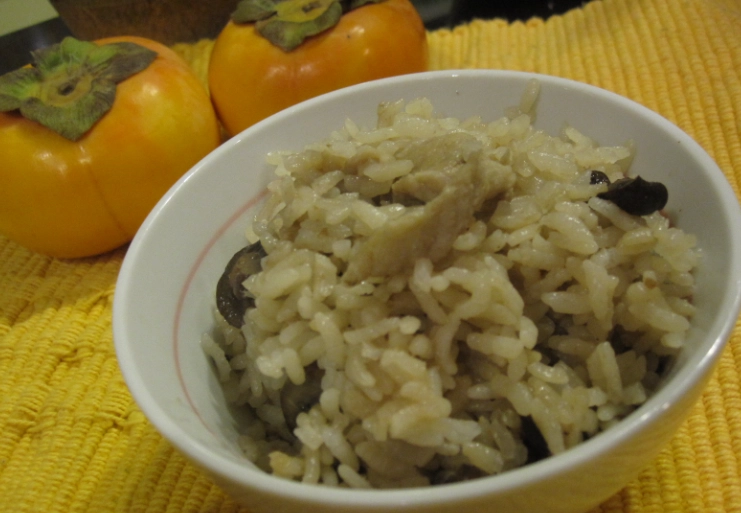
Absolutely. Plain hot water ochazuke is called "yuzuke" and is the most basic form. The flavor will come entirely from your toppings. At a minimum, you need salt. Sprinkle some sea salt or soy sauce over the rice first. Then add maybe some shredded nori or sesame seeds. It's austere but surprisingly comforting. Using tea or dashi just elevates it from "simple" to "deliciously simple."
Two main culprits. First, you added too much liquid. Remember, the vegetables (like mushrooms and carrots) release water as they cook. You should reduce the water you'd normally use for plain rice by about 10-15%. Second, you cut the ingredients too large. Everything should be diced or sliced thinly to ensure it cooks through in the same time as the rice. If you're adding protein like chicken, cut it into small, bite-sized pieces.
Reader Comments