Let's be honest. When you think of Japanese food, sushi and ramen probably pop up first. They're famous for a reason. But if you walk into a typical Tokyo izakaya or a Kyoto family restaurant and only know those two words, you're missing out on about 90% of what makes Japanese cuisine, or washoku, so incredible. The real joy is in the everyday dishes—the sizzling plates of teppanyaki, the delicate simmered nimono, the hearty donburi rice bowls. This guide is about moving past the tourist menu. I'll show you what to actually look for, how to order it without stress, and give you specific spots to try. I've spent years eating my way through Japan, and I still make mistakes. The goal here is to help you avoid the common ones and eat like you know what you're doing.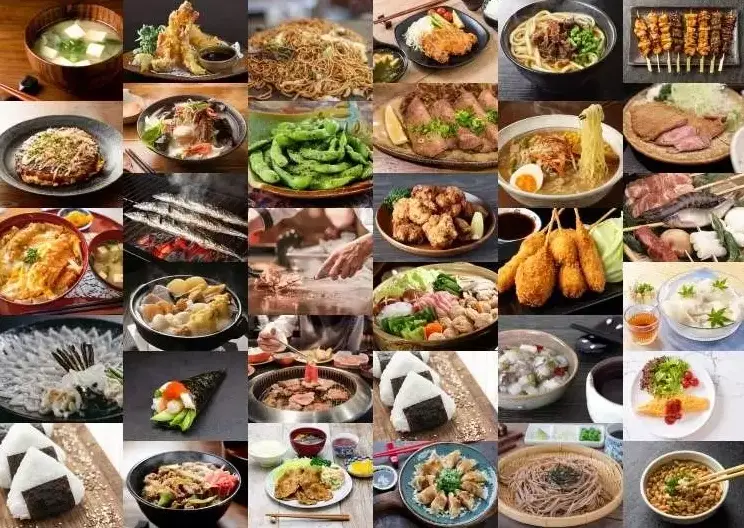
Your Quick Guide to This Article
What You're Probably Missing on the Menu
Japanese menus are often organized by cooking method. Understanding these categories is your first key to unlocking better meals.
Yakimono (Grilled and Pan-Fried Dishes)
This is where the magic of fire and umami comes together. It's not just yakitori.
- Yakizakana: A simple, perfectly grilled whole fish (like saba – mackerel) with just salt. The skin is crispy, the flesh moist. It's a breakfast staple but served all day.
- Buta no Shogayaki: Thin slices of pork stir-fried in a sweet-savory ginger and soy sauce. It's a teishoku (set meal) hero, always served with rice, miso soup, and cabbage salad. Comfort food at its best.
- Hambagu: Not a burger. It's a Japanese-style hamburger steak, a juicy patty of ground meat (often pork and beef blend) served with a demi-glace or tomato-based sauce, usually with rice on the side.
Nimono (Simmered Dishes)
The art of slow cooking in a seasoned broth (dashi). This is home cooking elevated.
- Nikujaga: Literally "meat and potatoes." Beef, potatoes, carrots, and onions simmered in a sweet soy broth. It tastes like a Japanese grandmother's love.
- Oden: A winter warmer. Various ingredients (daikon radish, boiled eggs, fish cakes, konnyaku) simmered for hours in a light, soy-flavored dashi broth. You pick what you want from the pot at convenience stores or specialist shops.
A quick tip most guides miss: When you see a dish described as "tsukudani," it's something (often seafood or seaweed) simmered down in soy sauce and mirin until it's intensely flavorful and preserved. It's meant to be eaten in tiny amounts with a mountain of rice. Don't order it as a main—it'll be way too salty.
Agemono (Deep-Fried Dishes)
Yes, tempura is here. But there's more.
- Karaage: Japanese fried chicken. Marinated in soy, garlic, and ginger, then lightly coated in starch and fried. Juicy, crunchy, and utterly addictive. Every region claims to have the best.
- Kushiage / Kushikatsu: Skewers of meat, seafood, and vegetables, breaded and deep-fried. The key is you dip them only once in the shared sauce before biting. Double-dipping is a major faux pas.
How to Navigate a Japanese Menu Like a Pro?
You've found a restaurant. The menu is a mix of Japanese, pictures, and maybe some puzzling English. Here's your action plan.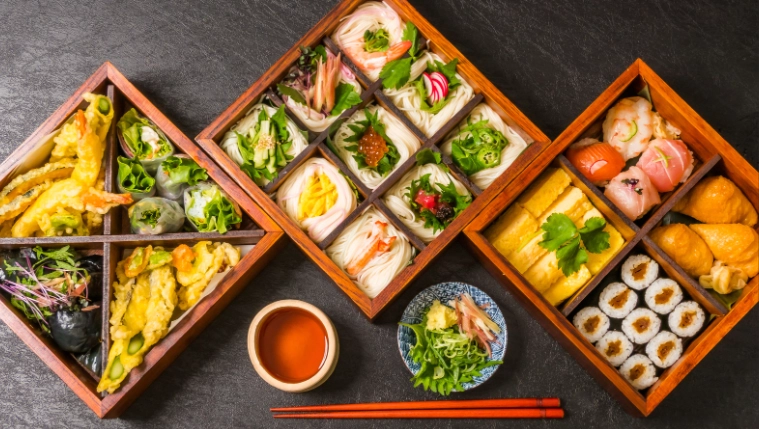
The Scenario: A Typical Izakaya (Japanese Pub)
You sit down. You might get an otoshi (a small, mandatory appetizer you pay for, usually ¥300-500). Don't be surprised—it's standard. Now, order drinks first. Beer (nama biru) or shochu highballs (chuhai) are safe starts. Then, order food in waves. Izakaya dining is shared and social.
Wave 1: A few light starters. Edamame (soybeans), a tsukemono (pickle) platter, maybe a hiya yakko (cold tofu).
Wave 2: Some grilled items. 2-3 skewers of yakitori (try negima – chicken and leek, and tsukune – chicken meatballs).
Wave 3: A substantial dish. A yakisoba (fried noodles) or a nikujaga to share.
Finale: Often, people end with shime – a "closing" dish like ochazuke (tea over rice) or a small bowl of ramen.
If there's no English menu, use these phrases:
- Point and say "Kore, onegaishimasu" (This, please). Works every time.
- Ask for recommendations: "Osusume wa nan desu ka?"
- To order more of something: "Mou hitotsu, onegaishimasu" (One more, please).
| Menu Section (Japanese) | What It Means | What to Look For |
|---|---|---|
| 定食 (Teishoku) | Set Meal | The best value. Includes main, rice, soup, pickles, sometimes a small side salad. |
| 丼 (Donburi) | Rice Bowl Dish | Quick, filling, affordable. Katsudon (pork cutlet bowl), oyakodon (chicken & egg bowl). |
| 一品料理 (Ippin Ryouri) | À La Carte Dishes | Individual dishes for sharing. Where you'll find grilled fish, stews, salads. |
| 飲み放題 (Nomihodai) | All-You-Can-Drink | Usually a 2-hour limit. Great value if you plan on having 3+ drinks. |
| 食べ放題 (Tabehodai) | All-You-Can-Eat | Common for yakiniku (BBQ), shabu-shabu. Often has a time limit and rules. |
Where to Eat: Specific Restaurants for Real Japanese Dishes
Forget the generic "go to this district" advice. Here are concrete places. (Note: Prices are approximate per person for a meal, excluding premium drinks. Always check latest hours online).
1. For an Unforgettable Teppanyaki Experience: Steak House Satou (Tokyo)
Address: 2-14-9 Kichijoji Honcho, Musashino, Tokyo (in the Kichijoji neighborhood).
What's Special: It's famously known for its Matsusaka beef croquette from the butcher shop downstairs (¥300, expect a line). But upstairs is a tiny, no-frills teppanyaki counter. You get world-class steak at a fraction of Ginza prices because it's attached to the butcher.
Must-Order: The Matsusaka beef teppanyaki set. You watch the chef cook your steak, vegetables, and garlic right in front of you.
Price Range: ¥5,000 - ¥10,000 for a full steak meal.
Hours: Butcher shop 10:00-19:00; Restaurant 11:00-14:30, 17:00-21:00 (Closed Wed).
My Take: It's not luxurious. The room is simple. You're there for the incredible meat quality and the direct connection to the source.
2. For Authentic, Refined Kaiseki on a (Relative) Budget: Kikunoi (Roan Branch) (Kyoto)
Address: 118 Saito-cho, Shijo-sagaru, Kiyamachi-dori, Shimogyo-ku, Kyoto.
What's Special: Kikunoi is a three-Michelin-starred temple of kaiseki (multi-course seasonal cuisine). The Roan branch offers a slightly more accessible lunch course that captures the essence. It's a deep dive into Kyoto's culinary philosophy, focusing on local ingredients like yuba (tofu skin) and seasonal fish.
Must-Order: The Hana (flower) lunch course. You need to book weeks, if not months, in advance.
Price Range: Lunch courses from around ¥12,000.
Hours: Lunch 12:00-14:00 (Last entry); Dinner 17:00-20:00 (Last entry). Closed irregularly.
My Take: This is a splurge, but for a once-in-a-lifetime meal that defines Japanese haute cuisine, it's worth it. The attention to detail—from the pottery to the explanation of each dish—is mind-blowing.
The Unwritten Rules (And Some Myths)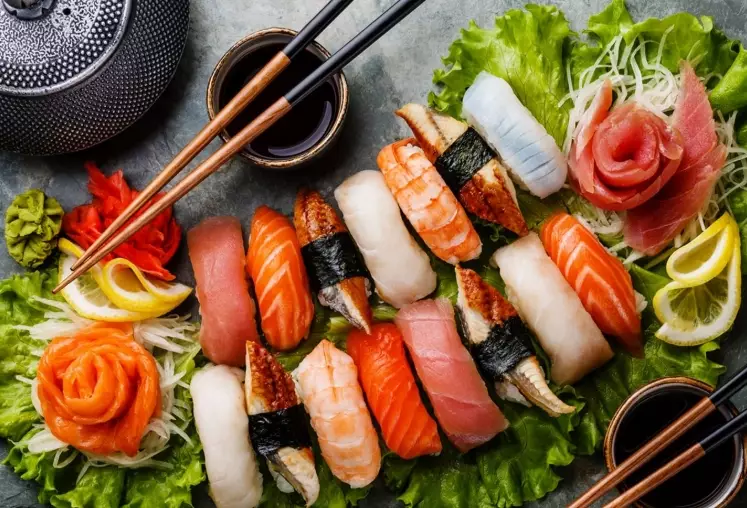
Let's clear some air. You've heard you must slurp noodles. It's polite, shows enjoyment, and cools them down. True. But in a quiet, high-end sushi bar? Maybe tone it down. Context matters more than hard rules.
The real, rarely mentioned rule: Don't pass food from your chopsticks to someone else's. This mimics a funeral ritual. If you need to share, place the item on their plate.
Another one: It's perfectly okay to pick up a small bowl of rice or miso soup to eat from it. In fact, it's often the graceful way to eat.
Myth: "You must finish every grain of rice." While wasting food is frowned upon, no one will scold you for leaving a little. The bigger issue is leaving a lot of a shared dish uneaten when others might want it.
Your Questions, Answered
It's challenging but doable with preparation. "Vegetarian" is often misunderstood—dashi (fish broth) is in everything, even miso soup. You need to be specific: "Niku to sakana to dashi mo taberaremasen" (I cannot eat meat, fish, or fish broth).
Look for shojin ryori (Buddhist vegetarian cuisine) in temples, especially in Kyoto. For gluten-free, wheat-based soy sauce (shoyu) is the main culprit. Say "Shoyu wa daijobu desu ka?" (Is soy sauce okay?) and consider carrying a restaurant card in Japanese explaining your needs. Websites like HappyCow and Celiac Travel offer printable cards.
The nuance here is important. Leaving a small amount is generally fine, especially if you're full. The perceived rudeness is more about wastefulness and, in a shared setting, not considering if others wanted it. If you're served a huge portion you can't finish, it's not a sin. A quiet "Gochisosama deshita" (thank you for the meal) at the end covers it. The bigger issue is ordering too much and letting it go cold and uneaten.
Natto. Fermented soybeans. It's stringy, sticky, has a strong smell, and a unique flavor. Most tourists (and many young Japanese) hate it. Why try it? Because it's a pure, ancient taste of Japan, incredibly healthy, and a true test of your adventurous palate. Don't eat it plain. Mix it vigorously with the included mustard and soy sauce packet, then pour it over a bowl of hot rice. The heat and rice temper the flavor. It's a breakfast staple. Trying it is a rite of passage, and even if you don't like it, you'll have a story.
Reader Comments