If you've ever picked up a plump piece of futomaki sushi and noticed those pale yellow, slightly chewy strands inside, you've encountered kanpyo. The short answer to "what does kanpyo taste like?" is this: it has a mild, subtly sweet, and earthy flavor with a uniquely pleasant, slightly resilient chew. But that's just the surface. Its taste is a story of transformation—from a fresh, inedible gourd to a seasoned, umami-rich sushi staple through a traditional drying and cooking process.
I remember my first time preparing it, staring at the packet of stiff, beige ribbons, completely unsure of what I was about to unleash in my kitchen.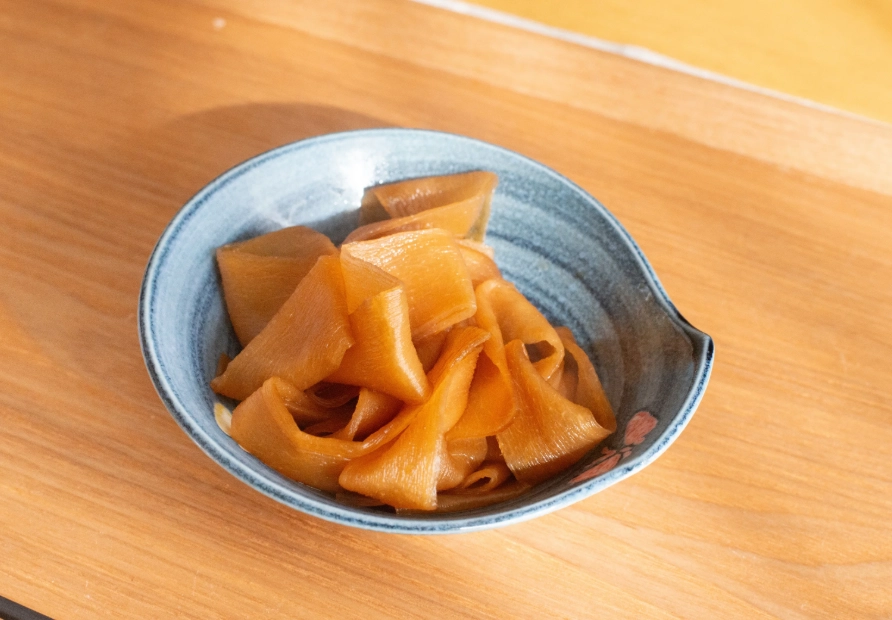
In This Deep Dive
What Exactly Is Kanpyo?
Kanpyo, sometimes spelled kampyo, are dried strips of the flesh of the calabash gourd (Lagenaria siceraria). It's not the same gourd used for utensils or decorations; it's a specific variety cultivated for eating. The process is centuries old. Farmers grow these long gourds, peel them, slice the flesh into long ribbons, and then hang them to dry completely in the sun. This preservation method concentrates the gourd's natural sugars and gives kanpyo its signature shelf-stable form.
You'll never find fresh "kanpyo" in a market. In its raw, dried state, it's hard, brittle, and frankly, tasteless. All its magic—and flavor—is unlocked through rehydration and simmering in a seasoned broth.
According to resources on Japanese food culture, like those from the Ministry of Agriculture, Forestry and Fisheries of Japan, kanpyo has been a part of the diet for a long time, valued for its keeping qualities and unique texture. It's a classic example of washoku (traditional Japanese cuisine) wisdom.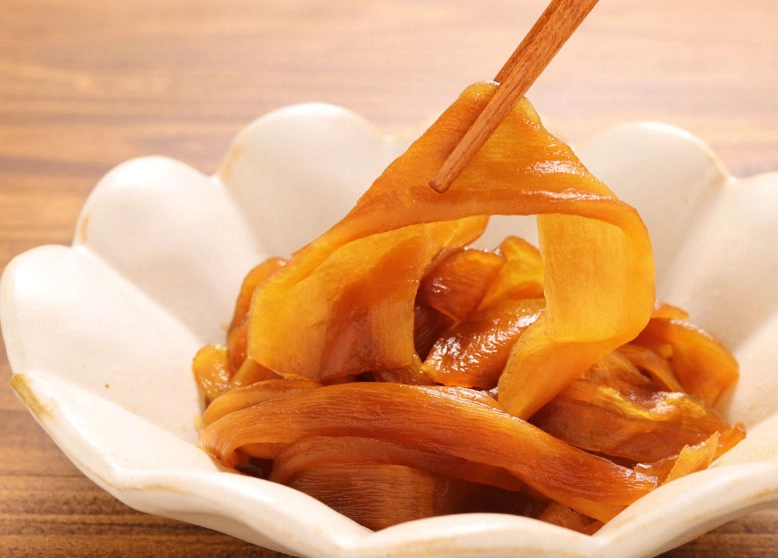
The Flavor and Texture Profile of Kanpyo
Let's get specific. Describing kanpyo's taste in isolation is tricky because it's almost always seasoned. Think of it like dried pasta—it needs a sauce. On its own, after proper preparation, it has a very mild, vaguely sweet, and slightly vegetal taste, reminiscent of a faint squash or pumpkin note, but much more subdued.
The real character comes from what you cook it with. For sushi, it's traditionally simmered in a mix of soy sauce, sugar, mirin, and dashi. This transforms it. The strands soak up this sweet-salty-umami broth, becoming savory, a little sweet, and deeply satisfying.
The texture is where kanpyo truly stands out and often surprises people.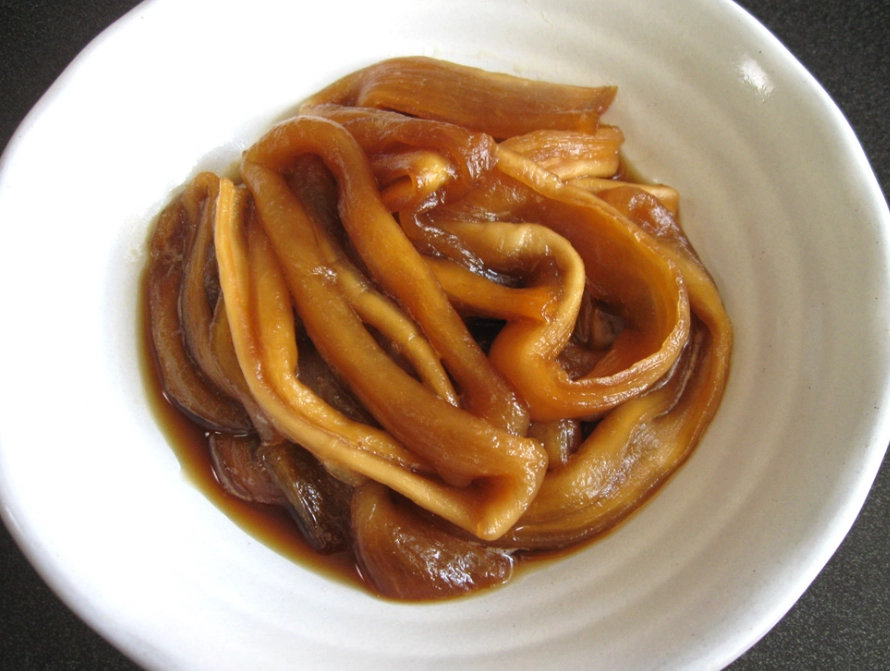
The Texture Journey: It starts as a stiff, woody strip. After soaking, it becomes pliable but still has backbone. After simmering, it achieves its final form: tender yet distinctly chewy. It's not a mushy vegetable. It has a pleasant resistance, a slight snap or pull when you bite into it. This chew is intentional and prized—it provides a satisfying contrast to the soft rice and other fillings in sushi.
Here’s a breakdown of its sensory characteristics:
| State | Primary Flavor Notes | Texture Description | Best Comparison |
|---|---|---|---|
| Dry (Unprepared) | Nearly none, faintly earthy/dusty | Hard, brittle, like stiff leather | Dried pasta before boiling |
| Rehydrated & Simmered (Prepared) | Mild sweetness, strong umami from seasoning (soy, dashi), subtle earthiness | Tender-chewy, slightly fibrous, pleasantly resistant | Al dente wide noodle or a very tender dried mushroom |
| In a Dish (e.g., Futomaki) | Savory-sweet backbone, melds with rice and other ingredients | Provides crucial textural contrast to soft rice | The satisfying "bite" in a great sandwich |
Some people new to it might find the texture unexpected. It's not melt-in-your-mouth. It has presence. But that's the point—it's a filler that adds substance and mouthfeel, not just flavor.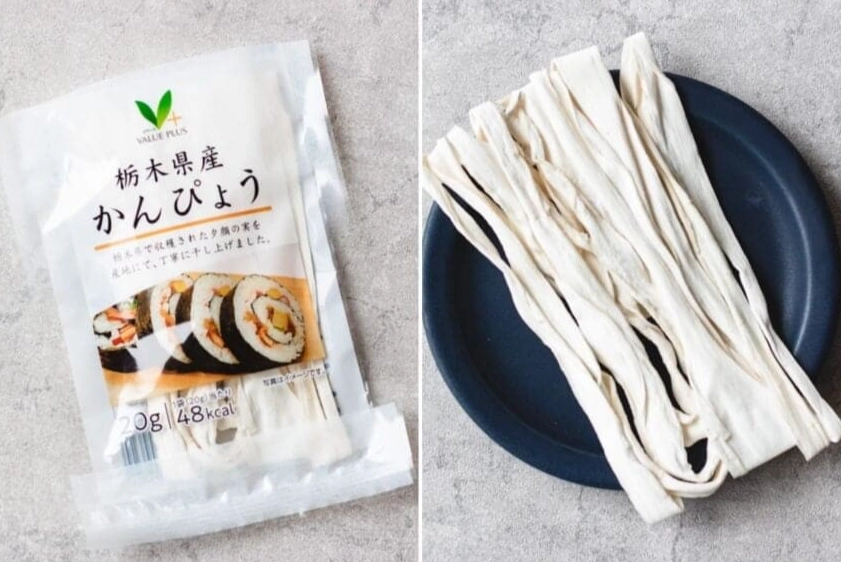
Where to Buy Kanpyo and What to Look For
You won't find this in a regular supermarket's produce aisle. Your best bets are:
Japanese or Asian Grocery Stores: This is the most reliable source. Look in the dried goods section, often near the dried shiitake mushrooms, kombu, and other seaweed. Brands like Marukai or JFC are common. A standard package (usually around 20-50 grams) costs between $5 and $10 and lasts for ages.
Online Retailers: Amazon, Walmart.com, or specialty online Asian grocers like Weee! or Yamibuy carry it. Search for "dried gourd strips" or "kampyo." Read reviews to check quality.
What to look for in the package: The strips should be a creamy beige to pale yellow color. Avoid packages with lots of broken, dusty fragments or any signs of moisture. The strips should be clean and uniform. Some packages contain pre-seasoned kanpyo, which is a shortcut, but I find the flavor inferior to doing it yourself. Go for the plain, dried version.
A Quick Note on Color and Quality
Higher quality kanpyo tends to have a lighter, more uniform color. Very dark or discolored strips might be older or lower grade. The best strips are long, intact, and have a smooth surface. Don't worry about slight variations in width—that's part of its handmade charm.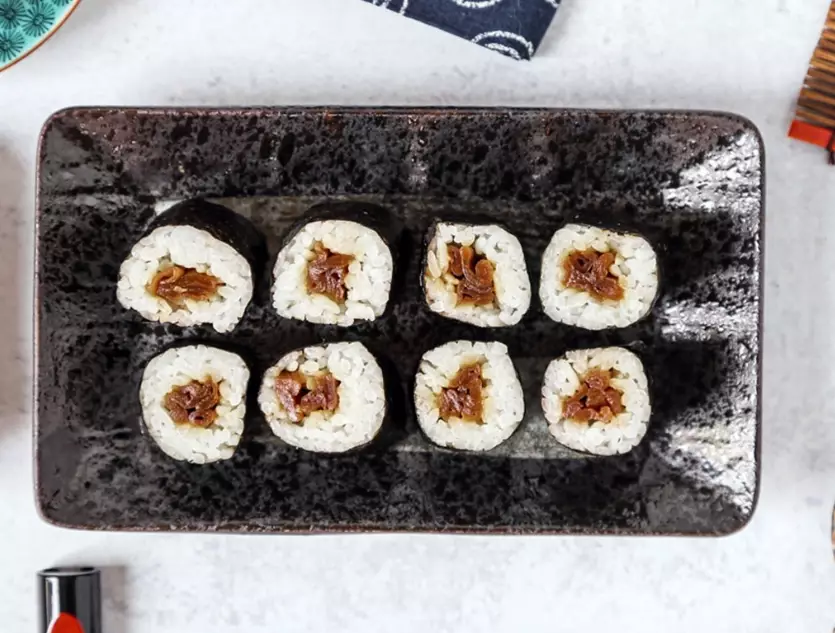
How to Prepare Kanpyo: The Make-or-Break Steps
This is where most beginners slip up. You can't just toss dry kanpyo into a pot. Proper preparation is non-negotiable for good texture and flavor. Here's the method I've settled on after some trial and error.
Step 1: Rubbing with Salt. Take a handful of dry kanpyo strips, place them in a bowl, and sprinkle with a teaspoon of salt. Now, rub and scrunch them vigorously with your hands for about a minute. You'll feel them soften slightly. This step, called shio momi, helps to break down the tough fibers and is often skipped in Western recipes. It makes a noticeable difference in the final tenderness.
Step 2: The Soak. Rinse off the salt thoroughly under cold water. Then, submerge the kanpyo in a bowl of lukewarm water. Let it soak for at least 15-20 minutes, or until fully pliable. Don't rush this. Under-soaked kanpyo will stay tough in the center.
Step 3: The Simmer. Drain the kanpyo. You can tie it into loose knots now if you like (traditional for sushi). In a saucepan, combine 1 cup of dashi, 2 tablespoons of soy sauce, 2 tablespoons of sugar, and 1 tablespoon of mirin. Add the kanpyo. Bring to a simmer, then reduce heat to low. Place a drop-lid (otoshibuta) or a circle of parchment paper directly on the surface. Simmer gently for 15-20 minutes until the liquid is mostly absorbed and the kanpyo is deeply colored and tender.
Step 4: Cooling. Let it cool in the pot. This allows it to absorb any remaining seasoning fully. Now it's ready to use.
The most common mistake? Not soaking long enough. The second is boiling it too hard, which can make it mushy on the outside but still tough inside. Low and slow is key.
How to Use Kanpyo in Your Cooking
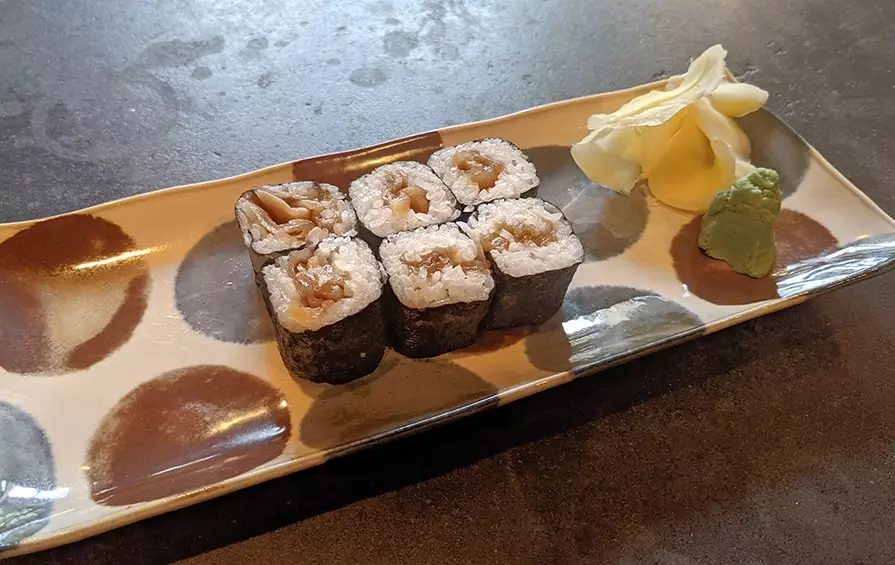
Obviously, futomaki sushi is its starring role. It's one of the essential fillings, providing that necessary savory element and chew. But don't stop there.
You can chop simmered kanpyo and add it to chirashi sushi (scattered sushi). It works wonderfully in simmered dishes (nimono) alongside root vegetables, tofu pockets (inarage), and konnyaku. Try adding it to a mixed vegetable stir-fry for a unique texture. I've even seen it used as a noodle-like component in clear soups.
Its versatility lies in its ability to carry seasoning and add substance without overpowering other ingredients.
A Simple Futomaki Scenario
Let's say you're making futomaki for four people. You'll need one prepared batch of kanpyo (from about 15-20g dry). Lay your nori sheet on the bamboo mat. Spread about 1 cup of seasoned sushi rice evenly, leaving a border. Place a line of your prepared kanpyo strips (knotted or straight) across the center of the rice. Add parallel lines of other fillings: maybe tamagoyaki (Japanese omelet), cucumber sticks, and shiitake mushrooms. Roll tightly using the mat. The kanpyo's slight sweetness balances the savory omelet and rice, and its chew contrasts beautifully with the crisp cucumber.
Your Kanpyo Questions Answered
 How long does prepared kanpyo last in the fridge?
Reader Comments