Let's cut to the chase. The soul of a great Futo-Maki, that iconic thick sushi roll, isn't just the rice or the nori. It's the sweet-savory, slightly chewy strand of seasoned kanpyo (dried gourd) running through its heart. Get this one ingredient wrong, and your roll becomes just another sushi attempt. Get it right, and you unlock the authentic taste of a Japanese deli classic. This guide isn't a list. It's a deep dive into why each component matters, how they work together, and the precise steps most online recipes gloss over.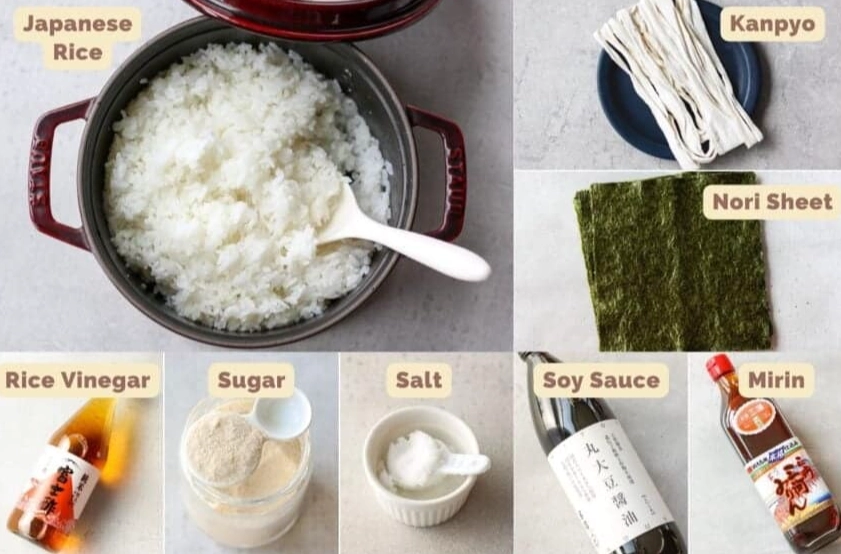
Your Quick Guide to Kanpyo Roll Mastery
- What is a Kanpyo Roll? Defining Futo-Maki
- The Essential Kanpyo Roll Ingredients: A Detailed Breakdown
- How to Prepare Kanpyo for Sushi: The Step-By-Step Process
- Assembling the Perfect Kanpyo Roll: Tips from a Sushi Chef
- Common Substitutions and Modern Twists on Kanpyo Roll Fillings
- Where to Buy Authentic Kanpyo and Other Ingredients
- Kanpyo Roll FAQs: Solving Your Specific Problems
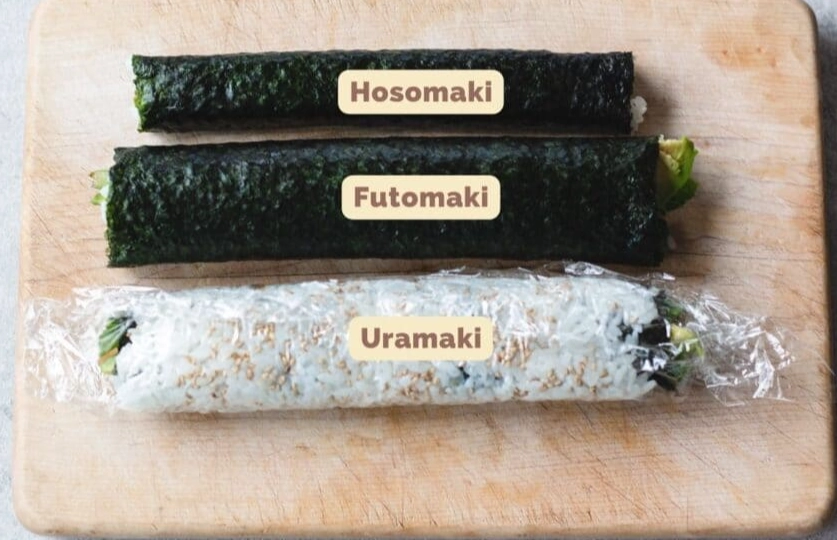
What is a Kanpyo Roll? Defining Futo-Maki
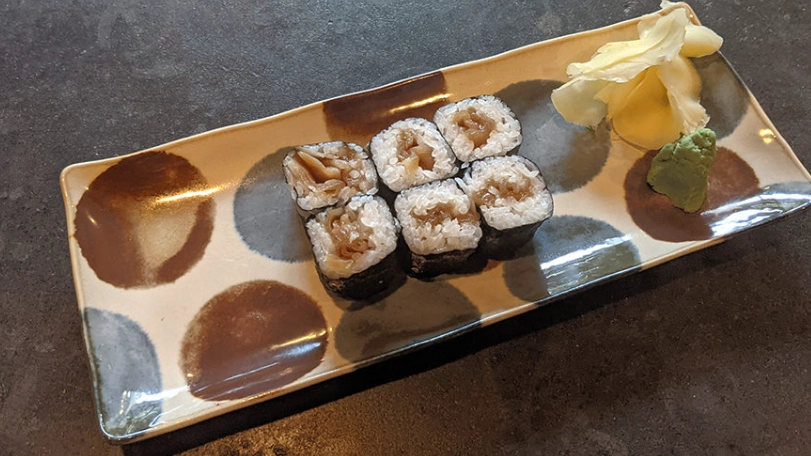
First, a quick clarification. "Kanpyo roll" is the common Western name, but in Japan, it's more accurately called Kanpyo-Maki or, when it's a thick roll with multiple fillings, Futo-Maki. The defining characteristic is the kanpyo itself. Think of it as the backbone. Other fillings like denbu (pink fish flakes), shiitake, and tamagoyaki (omelette) play supporting roles, but the kanpyo is non-negotiable. Its unique texture and flavor—absorbing the soy sauce, sugar, and mirin it's simmered in—provide the savory depth that balances the vinegared rice.
I remember my first attempt years ago. I used a generic "sushi vegetable" mix from a supermarket. The roll tasted flat, sweet in a one-dimensional way. It wasn't until I tracked down proper dried kanpyo and spent the time simmering it correctly that I understood. It makes all the difference.
The Essential Kanpyo Roll Ingredients: A Detailed Breakdown
Here’s where we move beyond a simple list. Each ingredient has a specific job. Compromise on quality or understanding here, and the final product suffers.
Kanpyo (Dried Gourd Shavings)
This is it. The star. Made from the flesh of the calabash gourd (Lagenaria siceraria), which is shaved into long ribbons and dried. Don't confuse it with kampyo, a different product. You want pale beige to light brown strands, slightly flexible, not dusty or brittle. The drying process concentrates umami and allows it to rehydrate into a pleasantly firm, noodle-like texture that holds seasoning beautifully.
Sushi Rice (Shari)
Not just any rice. Short-grain Japanese rice (like Koshihikari) seasoned with a blend of rice vinegar, sugar, and salt. The rice's stickiness and slight acidity are crucial for binding the roll and cutting through the kanpyo's sweetness. Using leftover rice or the wrong grain variety is a top reason homemade rolls fall apart.
Nori (Seaweed Sheet)
For Futo-Maki, you need full-size sheets (about 8x7 inches). Quality varies wildly. Look for thick, dark, crisp sheets with a sheen. Thin, brittle nori tears easily when rolling a thick fill. A pro tip: lightly toast the nori over a low flame for a few seconds until it turns brighter green and becomes aromatic. It enhances flavor and makes it less chewy.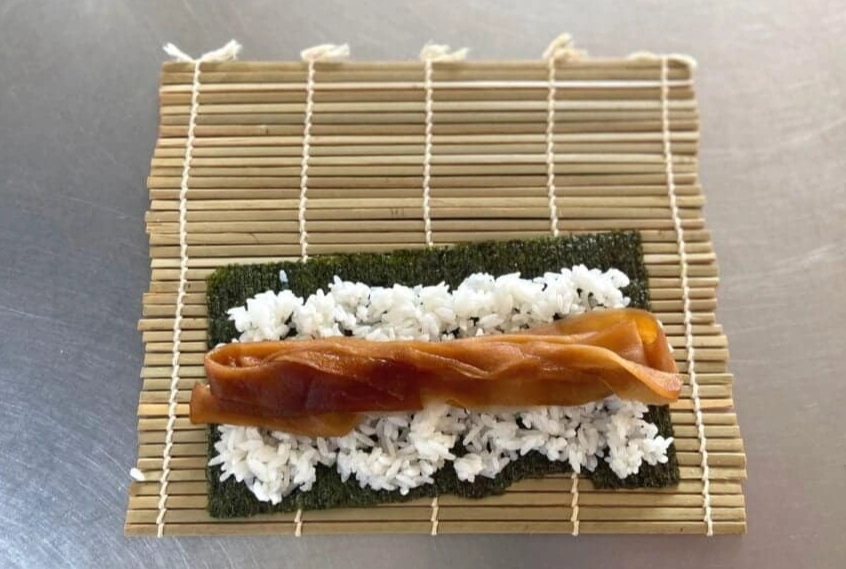
Seasonings for Kanpyo
This is the flavor bath. The standard trio is soy sauce, mirin, and sugar. But the type matters. Use usukuchi (light-colored) soy sauce if you can. It's saltier but won't darken the kanpyo as much as koikuchi (dark soy). Real mirin, not "mirin-type seasoning," which is just corn syrup and flavoring. The sugar is usually granulated white sugar. The balance is key: savory, sweet, with a hint of alcohol from the mirin that cooks off.
Additional Fillings (Denbu)
Traditional Futo-Maki isn't just kanpyo. It's a colorful party inside. The most common partner is Denbu or Oboro – fine, fluffy shavings of white fish (like cod or pollock) seasoned and dyed a soft pink. It adds a subtle sweetness and incredible visual contrast. Other classics include:
- Kampyo Simmered Shiitake: Mushrooms cooked in a similar sweet-savory broth.
- Tamagoyaki: The slightly sweet, layered Japanese omelette, cut into strips.
- Spinach (Ohitashi): Blanched and seasoned spinach.
You don't need all of them, but a combination of two or three creates the authentic layered look and taste.
| Core Ingredient | Key Characteristic & Purpose | What to Look For / Avoid |
|---|---|---|
| Dried Kanpyo | Provides savory-sweet backbone and chewy texture. Absorbs seasoning. | Pale, pliable strands. Avoid dark, brittle, or dusty packages. |
| Sushi Rice | Binds the roll, offers acidic balance to sweet fillings. | Short-grain Japanese rice. Freshly cooked and seasoned while warm. |
| Nori Sheet | Holds everything together, adds oceanic umami. | Full-size, thick, dark sheets. Toast lightly before use. |
| Seasoning Mix | Infuses the kanpyo with its signature flavor. | Usukuchi soy sauce, real mirin, sugar. Avoid "mirin-fu" seasoning. |
| Denbu (Pink Fish Flakes) | Adds color, subtle sweetness, and textural contrast. | Fine, fluffy texture. Bright pink is fine, but natural pale pink is ideal. |
How to Prepare Kanpyo for Sushi: The Step-By-Step Process
This is the most critical stage, and where most quick recipes fail you. Rushing this ruins everything.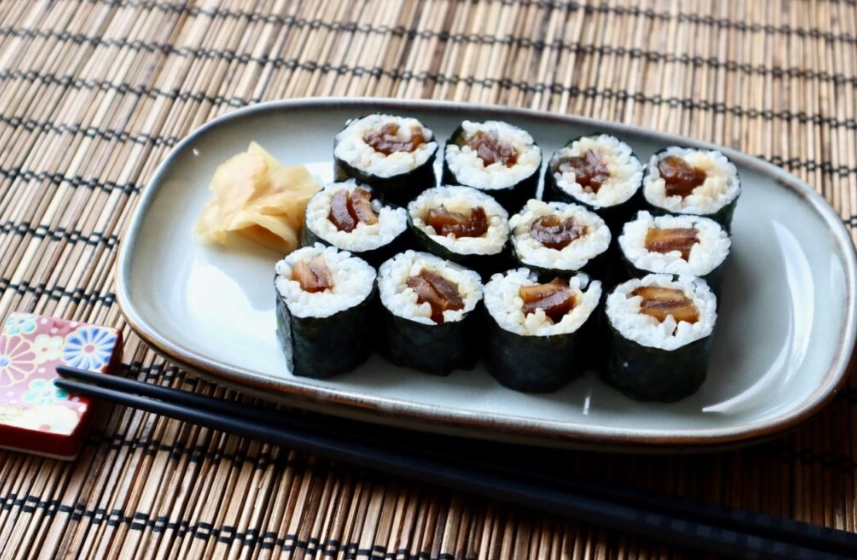
Step 1: Rehydrating and Cleaning. Don't just toss it in water. Place the dried kanpyo in a bowl and cover with plenty of water. Let it soak for at least 30 minutes, or until pliable. Now, here's the part everyone misses: scrub it. Take a small handful and rub it vigorously between your palms under running water. You'll see a white, slightly slimy residue come off. This removes any natural bitterness and ensures the kanpyo will absorb the seasoning properly. Rinse until the water runs clear.
Step 2: Simmering to Perfection. After cleaning, squeeze out excess water. Don't cut it yet. Place the strands in a saucepan. Add just enough water to cover, along with your seasoning mix (soy, mirin, sugar). A common ratio for one small package (about 10g dried) is 2 tbsp soy, 2 tbsp mirin, and 1.5 tbsp sugar, plus ½ cup water. Bring to a simmer, then reduce heat to low. Place a drop-lid (otoshibuta) or a circle of parchment paper directly on the surface. This ensures even cooking and absorption. Simmer for 20-25 minutes.
How do you know it's done? The kanpyo should be tender but still have a slight bite—al dente, if you will. It should be uniformly colored by the broth. If it's mushy, you've gone too far. Let it cool in the pot. This resting time is when it really soaks up the last of the flavor.
Step 3: Draining and Cutting. Once cool, gently squeeze out the excess simmering liquid. You can save this liquid—it's a fantastic seasoning for other dishes. Now, cut the long strands into lengths slightly shorter than your nori sheet, about 7 inches. They're ready.
Assembling the Perfect Kanpyo Roll: Tips from a Sushi Chef
You have your prepared fillings. Now for the assembly. The goal is a tight, cylindrical roll where every bite has a bit of everything.
Lay your bamboo mat flat. Place a sheet of nori on it, shiny side down. With wet hands (keep a bowl of water with a splash of vinegar nearby), take a handful of sushi rice—about ¾ to 1 cup. Gently spread it evenly over the nori, leaving a 1-inch border at the top farthest from you. Press lightly; you're not making a rice cake.
Now, lay your fillings horizontally across the rice, about one-third up from the edge closest to you. Place 3-4 strands of kanpyo first, then a line of pink denbu next to it, then maybe a strip of tamagoyaki. Don't overstuff. This is the number one assembly error. The fillings should form a neat, compact bundle.
Lift the edge of the mat with your thumbs, fold the nori over the fillings, and tuck the edge under them. Apply even pressure along the length of the roll as you continue to roll forward, using the mat to shape it into a tight cylinder. Seal the top border with a few grains of rice or a dab of water. Let the rolled sushi sit for a minute, seam-side down, to set.
To cut, use the sharpest knife you own. Wet the blade before each cut to prevent sticking. Cut the roll in half, then each half into thirds, for six pieces. Wipe the knife clean between cuts. If your roll is squeezing out or deforming, your knife is dull, or you're pressing down too hard. Use a gentle sawing motion.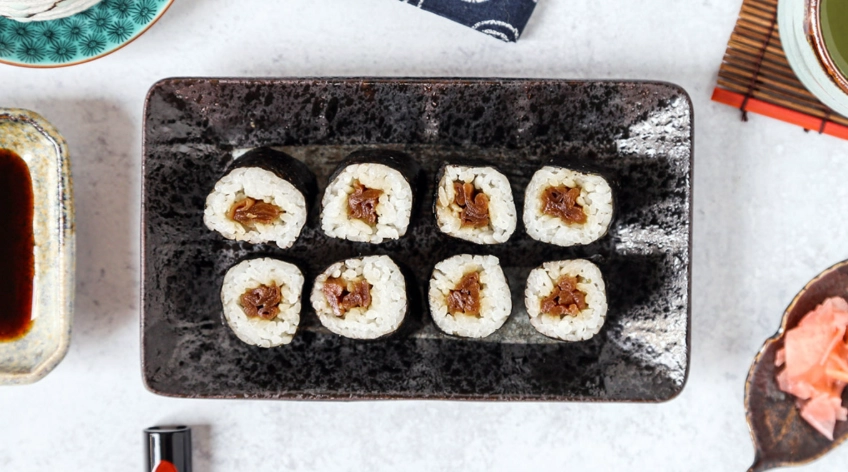
Common Substitutions and Modern Twists on Kanpyo Roll Fillings
Can't find an ingredient? Want to mix it up? Here are some tested ideas.
For Kanpyo: There's no perfect substitute. The closest in texture and function might be rehydrated and simmered dried shiitake stems (shredded), but the flavor is earthier. Some use thin strips of simmered gobo (burdock root), but it's much firmer. Honestly, if you're going for authentic taste, order kanpyo online. It keeps for ages dried.
For Denbu: Finely flaked cooked crab meat (real or imitation) mixed with a tiny bit of mayo and sriracha for color. Or, skip the pink and use plain, seasoned white fish flakes. For a vegetarian roll, very fine strands of seasoned, steamed carrot can mimic the color and slight sweetness, though not the texture.
Modern Twists: I've seen chefs add a thin spread of wasabi-infused mayo under the rice, or sprinkle toasted sesame seeds over the rice before adding fillings. For a richer roll, a sliver of avocado alongside the kanpyo works surprisingly well, adding creaminess. But remember, the kanpyo should still be the star.
Where to Buy Authentic Kanpyo and Other Ingredients
Your local Asian or Japanese grocery store is the first stop. Look in the dried goods aisle. Kanpyo is often sold in small, clear plastic bags or boxes. Denbu is in the refrigerated or frozen section, near other fish products. For high-quality nori and real mirin, the same store is your best bet.
If you don't have a local store, online retailers are a lifesaver. Websites like Amazon, Wee!, or specialty Japanese food online shops reliably stock dried kanpyo. When buying online, read reviews. Look for products imported from Japan. A 20-gram bag costs between $5-$10 and will make many, many rolls.
For the most authoritative information on traditional Japanese food processing, you can refer to resources from the Japanese Ministry of Agriculture, Forestry and Fisheries (MAFF), which documents traditional foods like dried vegetables.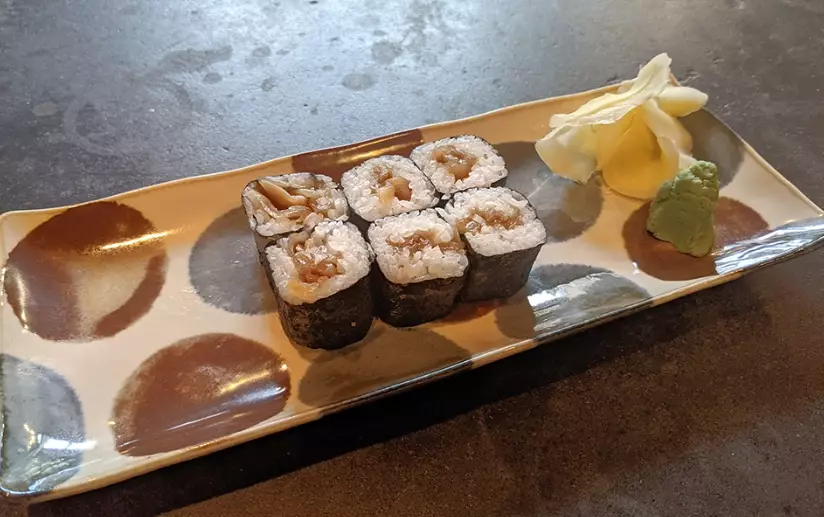
Kanpyo Roll FAQs: Solving Your Specific Problems
Can I use regular soy sauce for seasoning kanpyo, or is light soy sauce mandatory?
You can use regular (koikuchi) soy sauce. The roll will still taste good. However, the kanpyo will turn a much darker, almost brown color, which isn't the classic look. Usukuchi (light) soy sauce has a higher salt content and lighter color, so it seasons effectively without darkening. If you only have dark soy, use a tiny bit less and maybe a pinch more sugar to balance the deeper, slightly bitter notes.
My kanpyo roll always falls apart when I cut it. What am I doing wrong?
Three likely culprits. First, your rice might be too wet or under-seasoned. Proper sushi rice is sticky. Second, you're overstuffing. The fillings should be a compact bundle, not bursting at the seams. Third, and most common, your knife isn't sharp enough, or you're not wetting it between cuts. A dull knife mashes the roll instead of slicing cleanly. Invest in a good, sharp chef's knife and treat it well.
 Can I skip simmering the kanpyo and use it dried or just rehydrated?
Absolutely not. The simmering step is non-negotiable. It's not just about rehydrating; it's about flavor infusion. Dried kanpyo is bland and slightly tough. Simmering it in the sweet-savory broth transforms its texture and makes it the flavorful core of the roll. Skipping this is like making spaghetti with uncooked, unseasoned noodles.
How long can I store prepared kanpyo? Can I make it ahead?
Prepared kanpyo is a great make-ahead item. Once simmered, cooled, and squeezed, store it in an airtight container in the refrigerator for up to 5 days. You can also freeze it for a month. Thaw in the fridge before using. The flavor often deepens after a day in the fridge.
 I'm vegetarian. What can I use instead of denbu (fish flakes)?
For the color and a hint of sweetness, try making a vegetarian "denbu" from firm tofu. Press and crumble extra-firm tofu, then sauté it in a pan with a little sesame oil, sugar, salt, and a drop of red food coloring or beet powder for pink. Cook until dry and fluffy. It won't taste like fish, but it adds a nice textural element and the traditional pink stripe. Alternatively, just double up on the kanpyo and add a strip of seasoned spinach for color contrast.
Reader Comments