You know that bright yellow, crisp, slightly sweet strip in your futomaki or inside-out roll? That's Yamagobo, or takuan, and it's the unsung hero that holds countless sushi rolls together. It's not just a filler—it's a textural masterstroke and a flavor balancer that cuts through rich fish and creamy avocado. But most people just eat it without a second thought. After rolling sushi for over a decade, I've seen home cooks make the same mistakes with it, and I've tasted the difference when it's done right. This guide isn't just about identifying it; it's about understanding why it works, how to use it like a pro, and where to find the best examples.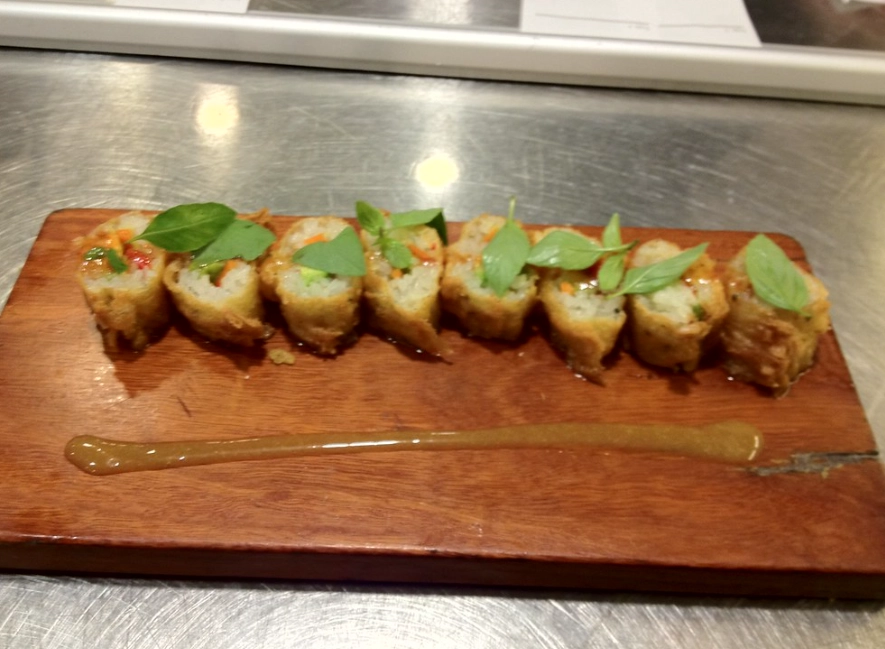
Quick Bite: What's Inside
What is Yamagobo? The Story Behind the Crunch
Yamagobo is the Japanese name for pickled burdock root (gobo). Takuan is the more general term for the bright yellow pickled daikon radish you often see. Here's the twist: in many sushi contexts outside Japan, especially in North America, "yamagobo" is used interchangeably to refer to that sweet, yellow pickled item, which is almost always takuan (pickled daikon), not actual burdock root. The real, fibrous burdock root is darker and used differently. For the purpose of your sushi roll craving, when you hear "yamagobo," think of the iconic yellow takuan.
Its magic lies in the preparation. Daikon radish is traditionally sun-dried, then pickled in a mixture of rice bran (nuka), salt, sugar, sometimes turmeric for color, and kombu. The process takes months, developing a complex sweet-sour-salty flavor and that legendary crunch that survives being rolled in rice and seaweed.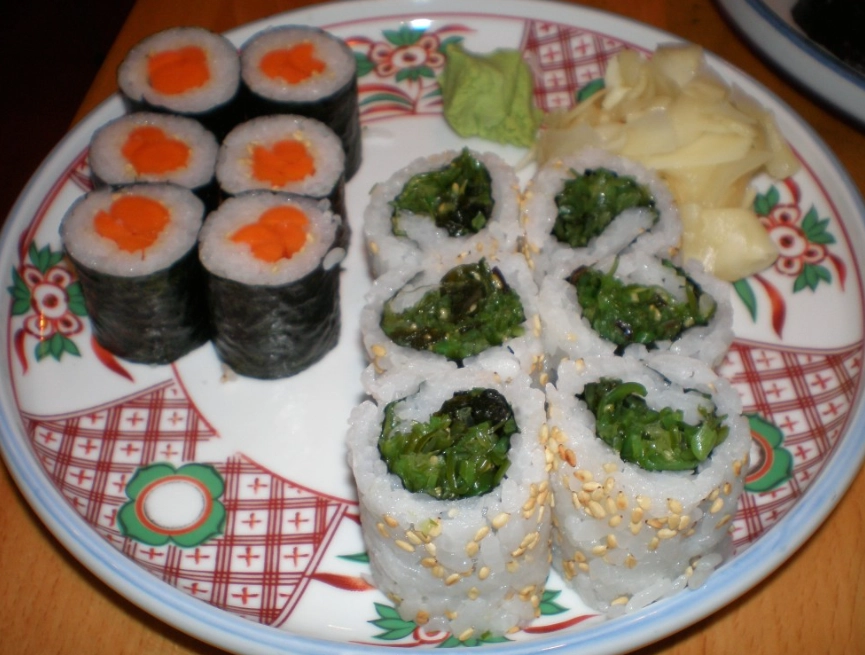
How to Make Yamagobo Roll at Home (The Right Way)
You don't need to ferment daikon for months. For home purposes, a quick-pickled version or store-bought takuan works perfectly. Let's build a classic Kappa Maki (cucumber roll) upgraded with yamagobo.
Gathering Your Sushi Toolkit
You can find prepared takuan (yamagobo) in the refrigerated section of any Japanese or Asian grocery store. Brands like Yamagobo by Miyako or Takuan from Marukai are reliable. It usually comes pre-cut into strips, which is a huge time-saver. If you only find whole takuan, just slice it into matchsticks about 1/4-inch thick and the length of your nori sheet.
You'll also need: sushi rice (short-grain Japanese rice), rice vinegar, sugar, salt, nori sheets, an English cucumber, a bamboo rolling mat (makisu), and a very sharp knife.
The Step-by-Step Roll
1. Season the rice. Cook your sushi rice. While it's hot, gently fold in a mixture of rice vinegar, sugar, and salt. Fan it to cool and get that glossy finish. This step is non-negotiable—plain rice makes sad sushi.
2. Prep the fillings. Cut the cucumber into long, thin spears, removing the watery seed core. Pat your yamagobo strips dry with a paper towel. This is key. Excess moisture makes your nori soggy and the roll harder to slice.
3. Lay the foundation. Place a nori sheet shiny-side down on your bamboo mat. With damp hands, spread about 3/4 cup of rice evenly over the nori, leaving a 1-inch border at the top.
4. Arrange the crunch. About 1/3 of the way up from the bottom, lay a line of cucumber spears and 2-3 strips of yamagobo parallel to each other.
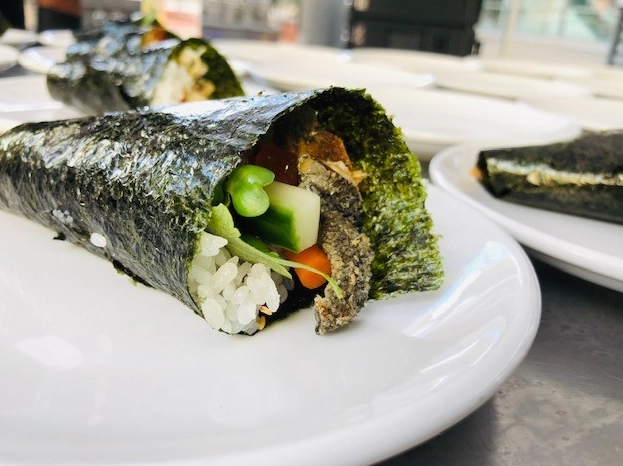
5. Roll with confidence. Using the mat, lift the edge closest to you over the fillings, tucking them in tightly. Roll forward firmly, applying even pressure. Use the bare nori border to seal the roll. Let it rest seam-side down for a minute before cutting.
6. The clean cut. Wet your knife before each slice. Cut the roll in half, then each half into thirds. Wipe the knife clean between cuts.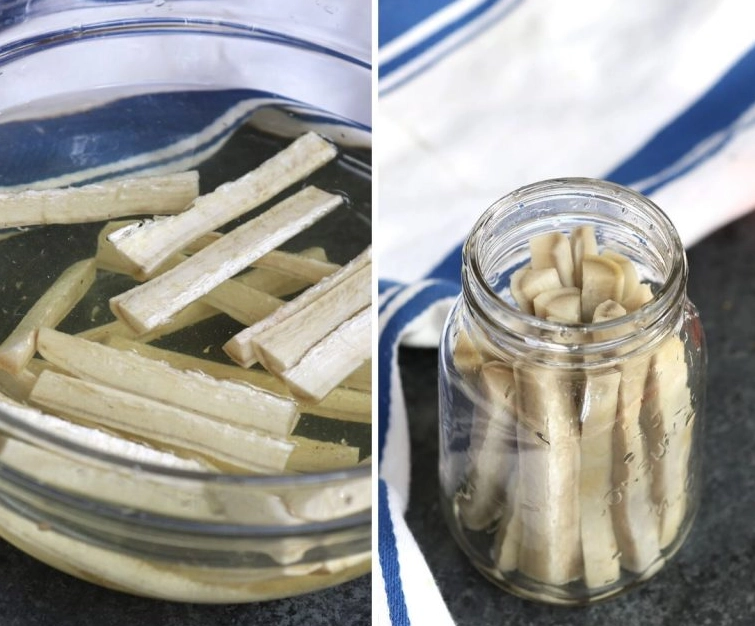
Perfect Pairings: What Goes Best with Yamagobo?
Yamagobo's sweet crunch is a team player. Here’s how it shines in different roles.
The Classic Vegetarian Powerhouse: In a Kampyo Maki, it's paired with sweet dried gourd strips. The two textures—crunchy and slightly chewy—with their shared sweet notes are a minimalist dream.
The California Roll's Secret Weapon: In the iconic inside-out roll, yamagobo works alongside imitation crab, avocado, and cucumber. Its sweetness cuts through the mayonnaise in the crab mix, and its crunch stands up to the creamy avocado. Without it, the roll can feel mushy.
Beyond the Basics – My Favorite Combo: Try a roll with smoked salmon, cream cheese, yamagobo, and a thin slice of green apple. The yamagobo bridges the smoky, creamy, and tart flavors while maintaining structural integrity. It's a game-changer.
Where to Eat Exceptional Yamagobo Rolls
You can find yamagobo in any sushi joint, but the quality of the takuan itself varies wildly. A great one is crisp, not limp, and has a balanced flavor. Here are three spots (based on my travels and chef networks) where they don't treat it as an afterthought.
| Restaurant & Location | Signature Roll Featuring Yamagobo | Why It's Special | Price Point & Hours |
|---|---|---|---|
| Sushi Izakaya Gaku 1329 S King St, Honolulu, HI |
"Honolulu Futomaki" | They make their takuan in-house with a longer, less sweet fermentation. The crunch is phenomenal and it's packed with local ingredients like tamagoyaki and kanpyo. | $$$ (Roll ~$18). Dinner only, 5PM-10PM. Reservations essential. |
| Taro's Fish Multiple locations in Toronto, CA |
"Vegetarian Deluxe Roll" | A market and sushi bar that sources incredible produce. Their yamagobo is always fresh and crisp, paired with avocado, asparagus, and pickled shiitake in a massive, satisfying roll. | $$ (Roll ~$12). Market hours, typically 10AM-7PM. No reservations for takeout counter. |
| Umi Kitchen Portland, OR (Various Food Trucks) |
"PDX Crunch Roll" | A food truck focusing on sustainable fish and bold veggie rolls. They quick-pickle local daikon with yuzu peel, giving their yamagobo a unique citrusy twist you won't find elsewhere. | $ (Roll ~$9). Check their social media for truck locations & hours (usually lunch). |
3 Common Yamagobo Mistakes Even Sushi Lovers Make
1. Using it straight from the jar, dripping wet. This is the #1 reason homemade rolls fall apart. That extra pickle brine soaks into the nori in seconds, turning it into a chewy, un-cuttable mess. Always pat it dry.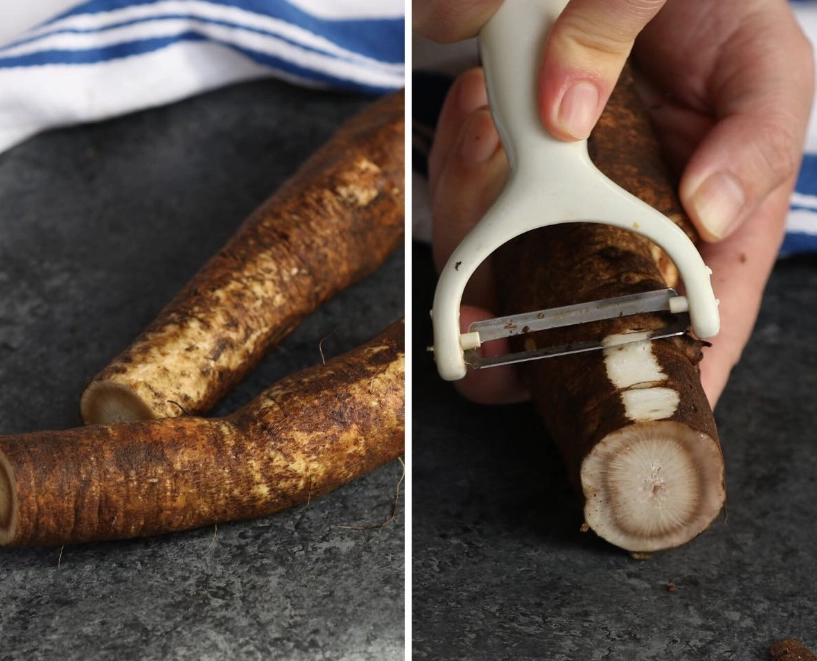
2. Thinking all yellow pickles are the same. There's a huge difference between high-quality, naturally fermented takuan and the neon-yellow, artificially colored and overly sweet versions sold in some stores. The latter can taste like candy and have a weird, soft texture. Read labels and aim for brands with simpler ingredients (daikon, salt, rice bran, sugar, turmeric).
3. Overpowering it with strong sauces. Yamagobo's subtle sweetness is meant to complement, not compete. Drowning a roll containing yamagobo in spicy mayo or unagi sauce completely masks its flavor. Try the first piece with just a dab of soy sauce to appreciate it.
Your Yamagobo Questions, Answered
 My yamagobo roll always comes out too sweet. How can I balance the flavor?
Reader Comments