Key Takeaways
- Breaking Down the Bowl: Where Do the Calories Come From?
- Aburasoba Calories at Popular Chains & Shops: A Reality Check
- So, Is Aburasoba Actually Healthy?
- How to Enjoy Aburasoba with Fewer Calories (If You Want To)
- Common Questions About Aburasoba Calories (FAQ)
- Final Thoughts on Navigating Aburasoba Calories
So you've discovered aburasoba, that incredibly rich, savory, and downright addictive Japanese noodle dish. The one without the soup, where the flavors cling to every strand of noodle. It's a game-changer, right? But then, maybe after your second or third blissful bowl, a little thought pops into your head: just how many calories are in this thing? You're not alone. I asked myself the same question after becoming a bit too fond of my local spot's special spicy aburasoba.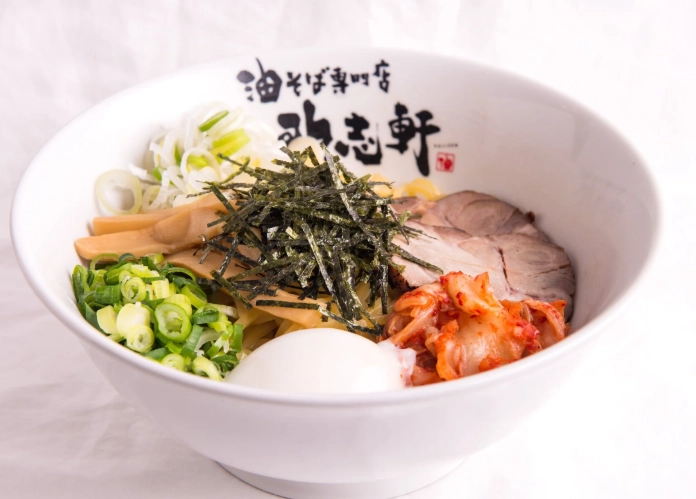
Let's cut to the chase. There's no single magic number. Anyone who tells you "aburasoba is exactly XXX calories" is oversimplifying. The truth about aburasoba calories is messy, variable, and depends on a whole bunch of factors—where you get it, what's in it, and how it's made. A basic bowl from a chain might be one thing, while a chef's special at a renowned shop is a completely different beast. We're talking a range, roughly from 500 to over 1,000 calories per serving. That's a big swing.
Why the huge difference? It all comes down to the components. Unlike ramen where the broth is the main calorie vehicle (and you might not drink it all), with aburasoba, every drop of that intensely flavored sauce, every gram of minced pork, and every noodle is meant to be eaten. There's no hiding. So understanding aburasoba calories means taking the bowl apart, piece by delicious piece.
The Core Idea: Aburasoba (油そば), literally "oil noodles" or "fatty noodles," is a dry ramen variant. The calories come primarily from the noodles (wheat flour, water, kansui), the fatty meat topping (like minced pork or chashu), the flavored oil or sauce (tare), and additions like mayonnaise, cheese, or a raw egg yolk. No broth means the flavors—and the calories—are concentrated on the noodles themselves.
Breaking Down the Bowl: Where Do the Calories Come From?
To really get a handle on aburasoba calories, you need to play food detective. Let's look at the usual suspects in a standard bowl.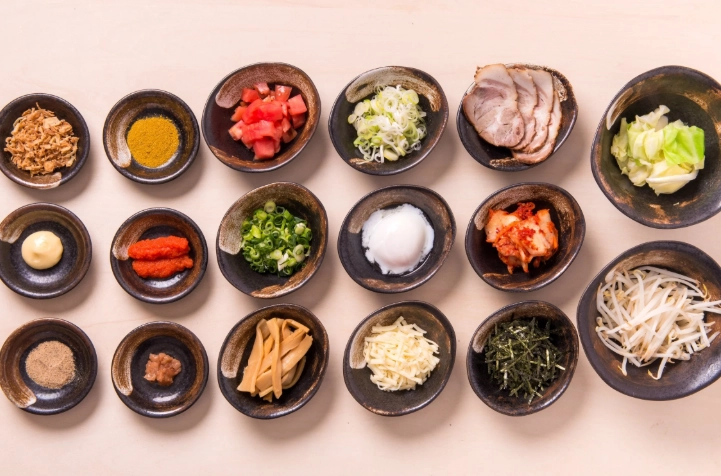
The Noodles Themselves
This is your foundation. A typical serving of ramen noodles for one bowl is about 120g to 150g of uncooked noodles. According to standard nutritional data for wheat-based noodles (like those used in ramen and aburasoba), this portion alone can contribute between 400 to 500 calories. It's mostly carbohydrates, with some protein from the wheat. The type of flour and whether eggs are used can tweak this number slightly. So, even before we add a single drop of sauce, we're already in significant calorie territory. It's the base load for any aburasoba calories calculation.
The Meat Topping (The Flavor Bomb)
This is where things get heavy, literally. The most common topping is buta miso (minced pork seasoned with miso and other flavors). We're not talking lean pork here. It's often a fatty cut, fried up until it's crispy and rendered, then mixed with savory sauces. A generous scoop of this can easily add 200 to 350 calories. Some shops use slices of chashu (braised pork belly), which is famously fatty and can add even more. If you see glistening, beautiful pieces of meat on your noodles, that's a major calorie contributor right there.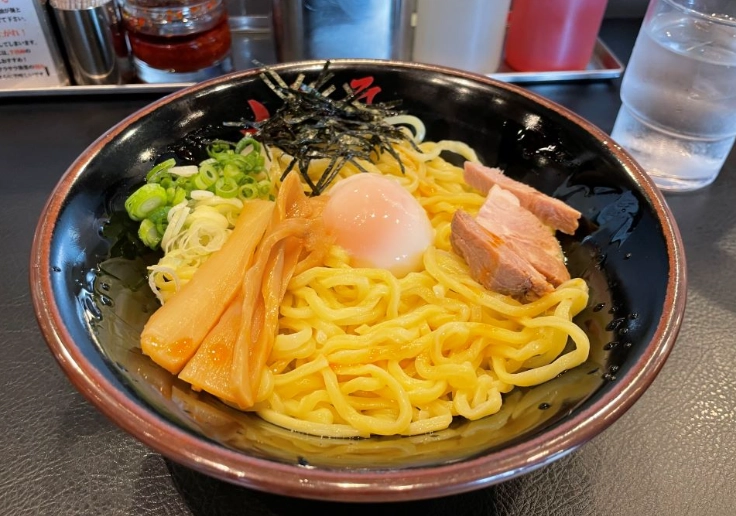
I remember one particular shop that was famous for its mountain of minced pork. It was glorious, but halfway through, I could literally feel the oil. Delicious, but definitely not a light meal.
The Sauce and Oil (The Secret Engine)
This is the soul of aburasoba, and its biggest calorie wildcard. The "sauce" is usually a combination of a concentrated tare (soy-based seasoning), fragrant oils (like roasted sesame oil, chicken fat, or pork lard), vinegar, and sometimes other secret ingredients. A tablespoon of sesame oil is about 120 calories. If a shop is generous with its flavored oils to make the noodles slick and aromatic, this component alone can contribute 150 to 300 calories of pure fat. It's what makes the noodles so addictive and coats your mouth with flavor, but it's a stealthy source of aburasoba calories.
The Extras and Garnishes
This is the customization zone, where you can accidentally double the calorie count.
- Mayonnaise (Karashi Mayo): A popular drizzle. Just one tablespoon of Japanese mayonnaise adds about 100 calories.
- Raw Egg Yolk: Often placed in the center. One yolk adds about 55 calories and rich creaminess.
- Cheese: Some modern versions include grated cheese or a cheese sauce. A sprinkle of parmesan (10g) is about 40 calories.
- Fried Garlic, Fried Onions: These add crunch and flavor but are fried in oil, adding extra calories.
- Vegetables: Menma (bamboo shoots), shredded cabbage, nori, green onions. These are generally low-calorie and add volume and nutrients.
Aburasoba Calories at Popular Chains & Shops: A Reality Check
Let's get specific. I went digging through available nutritional information (where shops provide it) and estimates from Japanese food databases to give you a ballpark. Remember, these are estimates for a standard, regular-sized bowl. Special sizes or limited-time offerings will be higher.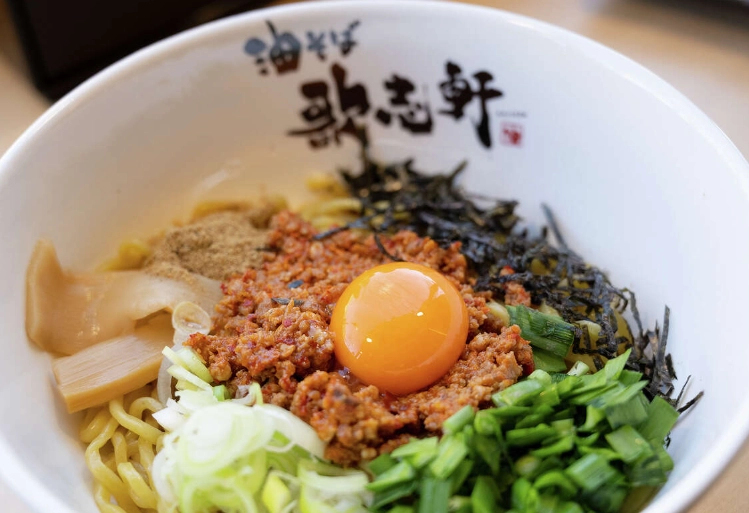
| Shop / Style | Key Characteristics | Estimated Calorie Range | Notes & Personal Take |
|---|---|---|---|
| Standard Chain Aburasoba (e.g., generic shop offering) | Basic noodles, moderate minced pork, standard sauce, basic veggies (cabbage, nori). | 550 - 700 kcal | This is your baseline. It's a full meal, comparable to a large plate of pasta carbonara. Satisfying but not overly extravagant. |
| Specialty Shop Signature Bowl (e.g., famous Tokyo shops) | Thicker, artisan noodles, generous fatty chashu or double minced pork, rich, complex sauce/oil blend, often includes egg yolk. | 750 - 950 kcal | This is the experience people line up for. The aburasoba calories here are high, but so is the flavor payoff. You'll likely feel very full afterwards. |
| Modern Fusion / Loaded Bowl | Includes additions like a heap of karashi mayo, cheese, fried garlic chips, extra egg, or even butter. | 900 - 1,200+ kcal | This is the calorie bomb category. Incredibly indulgent. I tried one with extra mayo and cheese once and couldn't finish it—it was too rich even for me. |
| "Light" or Veggie-Focused Version | Smaller noodle portion, leaner protein (chicken, extra veggies), light sauce, no egg/mayo. | 450 - 600 kcal | Harder to find, but some shops offer options. The flavor is less intense, but it can scratch the itch if you're being mindful. |
A quick note on sourcing: Getting precise data is tough because many small, famous shops treat their recipes as secrets. The Japanese Ministry of Agriculture, Forestry and Fisheries (MAFF) provides general data on wheat flour and noodle composition, which helps us estimate the base. For specific chain data, it's best to check their official websites if they have a nutrition section—some larger chains do.
So, Is Aburasoba Actually Healthy?
This is the million-dollar question, isn't it? "Healthy" is a tricky word. Let's reframe it: What are the nutritional pros and cons of aburasoba?
On the plus side, you're getting a decent amount of protein from the meat and noodles, some fiber and vitamins from the vegetable toppings (like cabbage and green onions), and carbohydrates for energy. The fats in the oils can be satisfying and help absorb fat-soluble vitamins.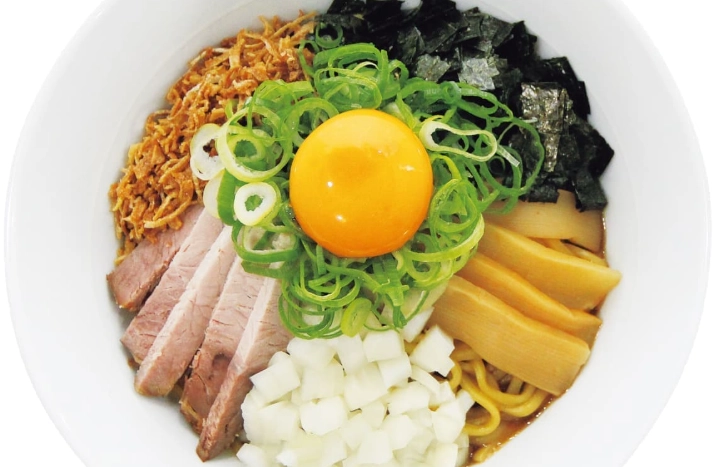
But let's be real. The cons are significant for regular consumption. The aburasoba calories are often very high in saturated fats (from pork fat and lard), sodium (from the concentrated tare sauce and seasonings), and refined carbohydrates (from the white wheat noodles). It's typically low in a wide variety of vitamins and minerals you'd get from a more balanced meal with diverse vegetables.
My Take: I don't think of aburasoba as a "health food." I think of it as a fantastic, occasional treat. A culinary experience. Trying to fit a 900-calorie, sodium-heavy bowl into a daily diet focused on weight loss or heart health would be a struggle. But as a once-in-a-while delicious meal? Absolutely. It's about context and frequency.
How to Enjoy Aburasoba with Fewer Calories (If You Want To)
You don't have to give it up entirely if you're watching your intake. Here are some practical, no-judgment tips I've used myself or seen others do. They're about smarter choices, not deprivation.
When Ordering at a Restaurant:
- Ask for "Sauce Wakeme" or "Light Sauce": This is the single biggest move. You're asking for less of the flavored oil/sauce mixture. The flavor will be less intense, but you'll significantly cut down on fat and aburasoba calories. You can always ask for a little extra on the side if it's too dry.
- Skip or Go Easy on the High-Calorie Toppers: Say no to the optional mayonnaise drizzle or cheese. Ask for the egg yolk on the side—you can use half. Every bit helps.
- Prioritize Veggies: If there's an option to add extra cabbage, bean sprouts, or spinach, do it. It adds volume and nutrients with minimal calories, helping you feel fuller.
- Share a Bowl or Get a Smaller Size: Some places offer a smaller "mini" size. Or, share a regular bowl with a friend and order a side salad.
- Don't Feel Obligated to Finish All the Noodles: This is a hard one, I know. But if you're full, stop. The last few bites soaked in oil at the bottom of the bowl are often the heaviest.
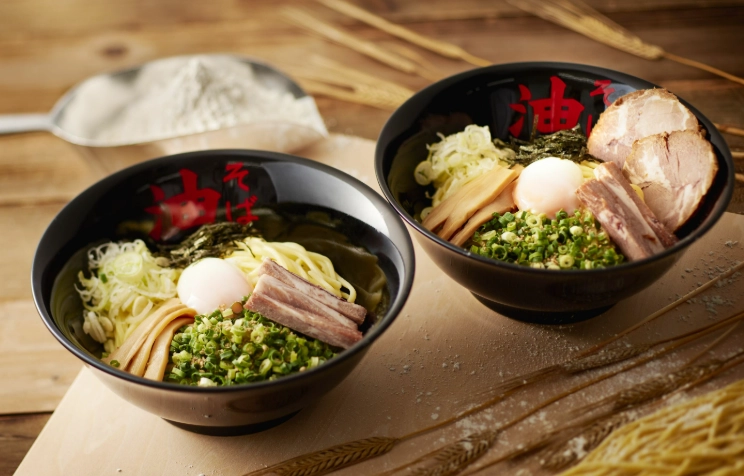
If You're Making It at Home:
This is where you have full control over the aburasoba calories. You can create a version that's 80% as delicious for half the calorie impact.
- Choose Your Noodles: Look for lower-calorie noodle options like shirataki noodles (almost zero calories but different texture) or mix regular noodles with zucchini noodles ("zoodles").
- Leaner Protein: Use ground chicken or turkey instead of fatty pork. Or use a smaller amount of pork and bulk it up with finely chopped mushrooms for umami.
- Reinvent the Sauce: Instead of pure sesame oil or lard, use a small amount for flavor and thin it out with low-sodium chicken or vegetable broth. Use low-sodium soy sauce, a touch of miso, and rice vinegar. The consistency will be more like a light dressing than a heavy oil.
- Load Up on Veggies: Make the bowl half vegetables. Spinach, bok choy, carrots, bean sprouts, corn—get creative.
Common Questions About Aburasoba Calories (FAQ)
Final Thoughts on Navigating Aburasoba Calories
Look, aburasoba is a celebration of flavor. It's umami, fat, and carbs in perfect, messy harmony. Getting hung up on the exact calorie count can ruin the experience. The point of this deep dive isn't to scare you away, but to give you the knowledge to make informed choices.
If you're going to a famous shop for the first time, throw the rules out the window. Order the signature bowl as the chef intended. Savor it. Enjoy every last slurp. The aburasoba calories in that moment are the price of admission for a fantastic meal.
If it's become a weekly habit and you're wondering why your pants feel tight, then use the tips. Ask for light sauce, skip the mayo, add veggies. The dish is versatile enough to accommodate a more mindful approach.
Understanding what goes into it—the noodles, the pork, the slick of flavorful oil—demystifies the bowl. You respect it more. You know that the incredible taste has a tangible source, and you can decide how much of that source you want on any given day. That's the real power. Now go enjoy your noodles, however you choose to.
Reader Comments