You know that glossy, deeply savory-sweet sauce that makes grilled eel (unagi) so irresistible? That's unagi sauce, or "nitsume." It's the soul of the dish. Buying a bottle is easy, but it often tastes one-dimensional—too sweet, too salty, or just plain artificial. After years of tweaking recipes and even a disappointing trip to a restaurant where the sauce was lackluster, I realized the best version comes from your own kitchen. It's simpler than you think, and the difference is night and day. This guide will walk you through making authentic unagi sauce, explain why each ingredient matters, and show you how to use it beyond just eel.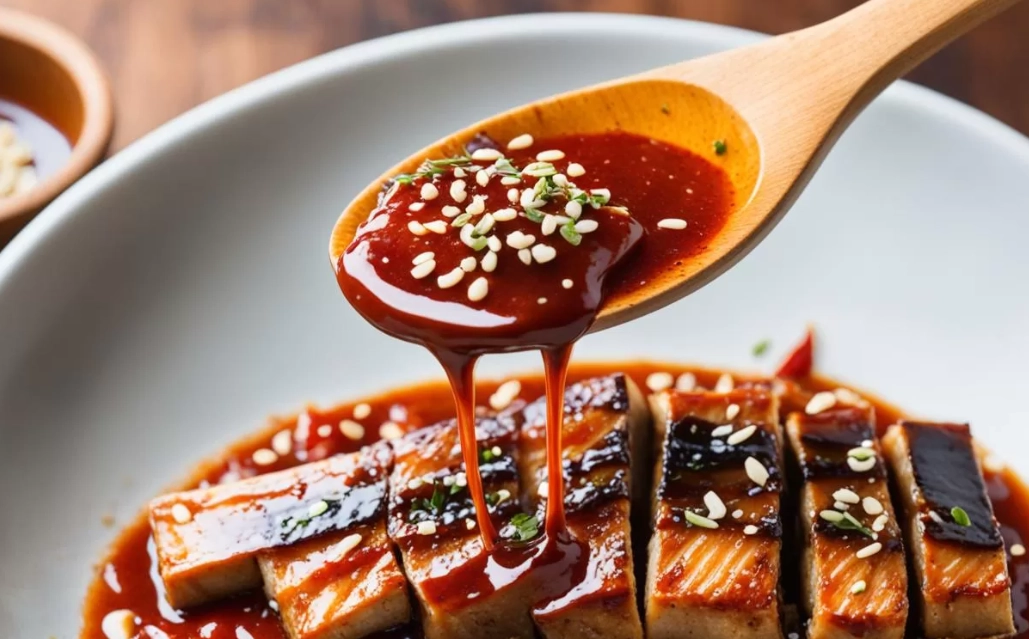
What You'll Find in This Guide
The Core Unagi Sauce Recipe & Ingredients
At its heart, unagi sauce is a "tare"—a Japanese glazing and dipping sauce built on a foundation of soy sauce, mirin, and sugar. The magic is in the reduction and balance. Let's break down what you need.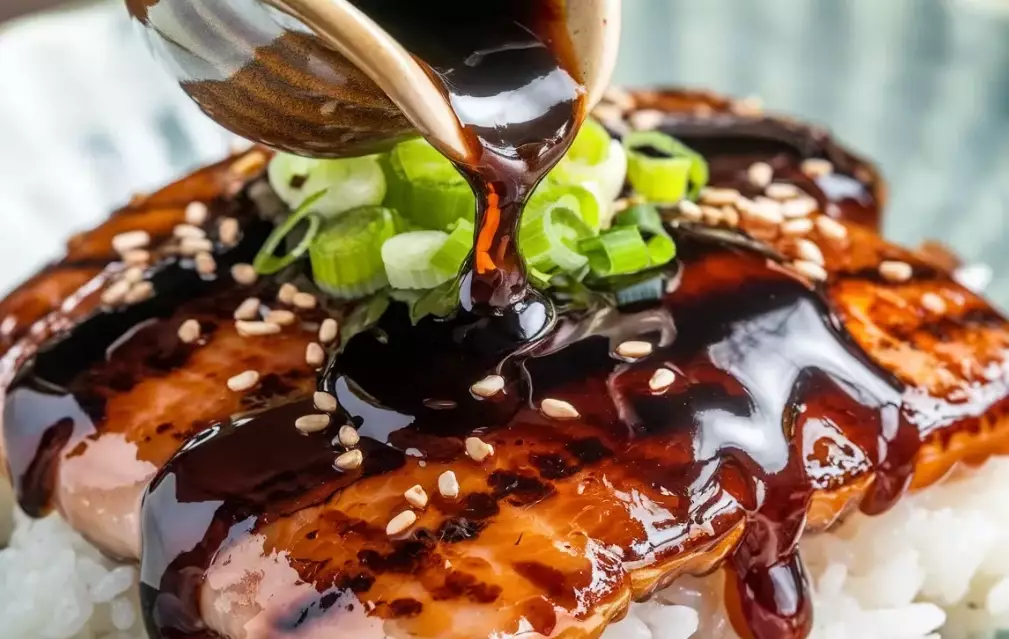
| Ingredient | Quantity (Standard Batch) | Purpose & Expert Notes |
|---|---|---|
| Japanese Soy Sauce (Koikuchi) | 1/2 cup (120 ml) | Provides the salty, umami backbone. Use a standard koikuchi soy sauce like Kikkoman. Avoid light (usukuchi) soy—it's saltier and will throw off the balance. |
| Mirin | 1/2 cup (120 ml) | A sweet rice wine that adds complexity and shine. Use hon mirin (real mirin) if possible. If you only have "mirin-fu" (seasoning mirin), reduce the sugar slightly. |
| Granulated Sugar | 1/4 to 1/3 cup (50-65g) | Creatives the signature sweetness and helps with glazing. Start with 1/4 cup; you can add more later. Some traditional recipes use wasanbon sugar for a finer taste, but regular sugar works perfectly. |
| Sake | 2 tablespoons (30 ml) | Adds depth and mellows the overall flavor. Cooking sake is fine. It also helps reduce any unwanted fishy notes if you're using the sauce with eel. |
| Optional: Eel Bones or Dashi | A handful of bones or 1/4 cup dashi | For an ultra-authentic layer of flavor. Some chefs simmer grilled eel bones in the sauce. A simpler hack is to add a splash of awase dashi (kombu & bonito stock). This is the "secret" many home recipes miss. |
That's it for the basics. The equipment is simple too: a small, heavy-bottomed saucepan and a whisk or wooden spoon. Avoid thin pots—they can cause the sugar to scorch during the reduction.
Step-by-Step Cooking Process
Making the sauce is more about patience than skill. The goal is to combine and reduce the ingredients into a thick, syrupy glaze.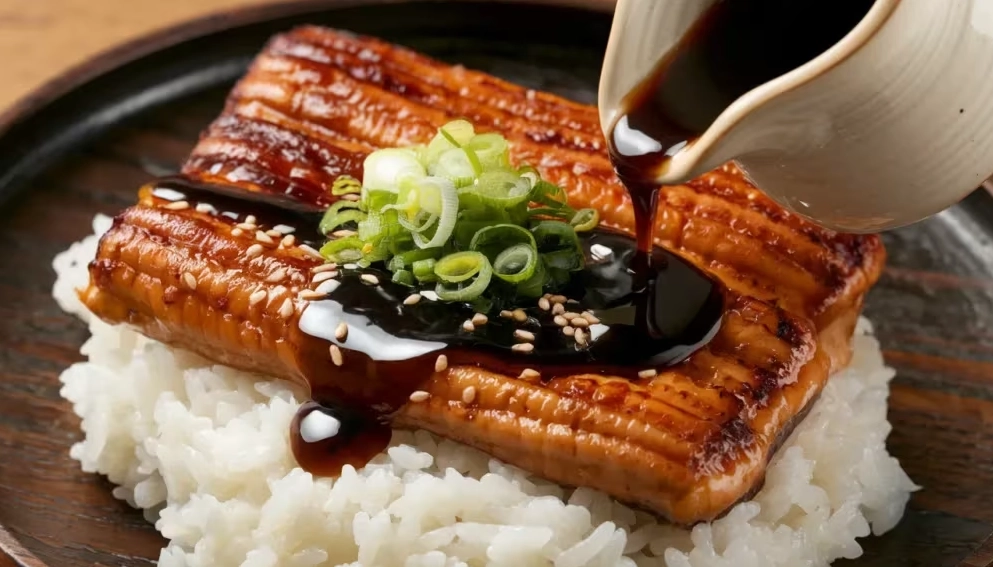
1. Combine and Dissolve
In your saucepan, combine the soy sauce, mirin, sake, and sugar. Place it over medium heat. Whisk gently until the sugar is completely dissolved. This is crucial. If you start boiling before the sugar dissolves, you risk creating a grainy texture. I just swirl the pan until I can't feel any granules at the bottom.
2. The Simmer and Reduction
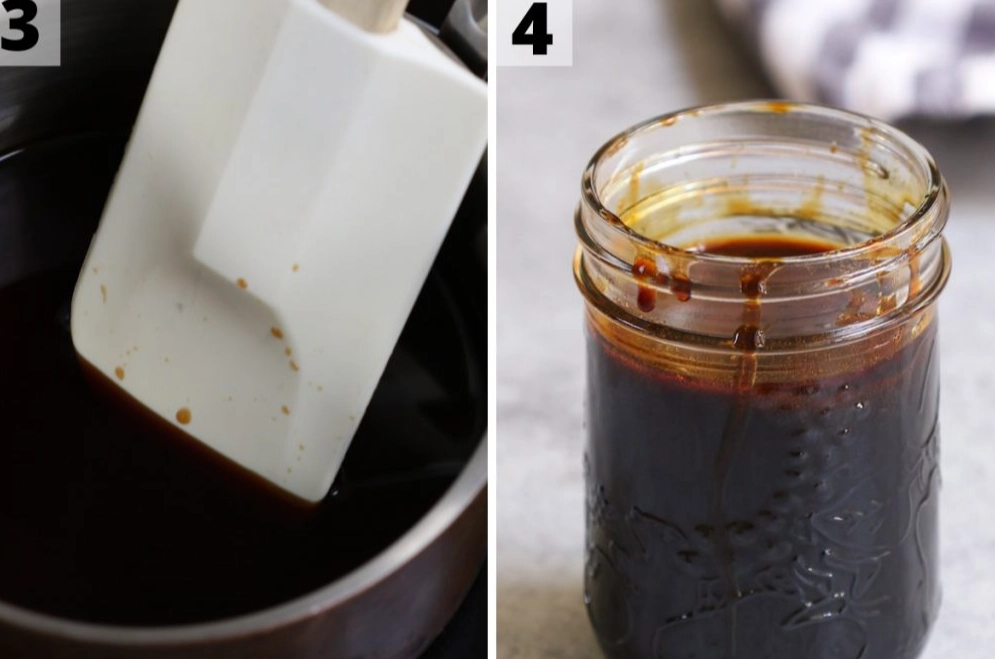
Once the sugar is dissolved, bring the mixture to a gentle simmer. Reduce the heat to low-medium. You want a steady stream of small bubbles, not a raging boil. Let it simmer uncovered for 15 to 25 minutes. Stir occasionally to prevent sticking, especially in the final minutes.
How do you know when it's done? The sauce will reduce by about one-third to one-half. It should coat the back of a spoon. Drag your finger across the coated spoon; if it leaves a clear path, the sauce is ready. It will thicken slightly more as it cools. Remember, it will be thinner when hot.
3. Cooling and Storing
Remove the sauce from heat and let it cool in the pan. Transfer it to a clean glass jar or bottle once it's at room temperature. It keeps in the refrigerator for 3 to 4 weeks. The flavors actually meld and improve after a day or two.
Pro-Tip from a Mistake I Made: Don't walk away for a long phone call. I did that once, and the sauce reduced too much, turning into a sticky, almost candy-like glue in the bottom of the pan. It was salvageable by adding a bit of hot water and re-dissolving it, but the flavor was slightly more concentrated and bitter. A timer is your friend.
Common Variations & Flavor Twists
The basic recipe is a canvas. Here’s how professional kitchens and home cooks tweak it.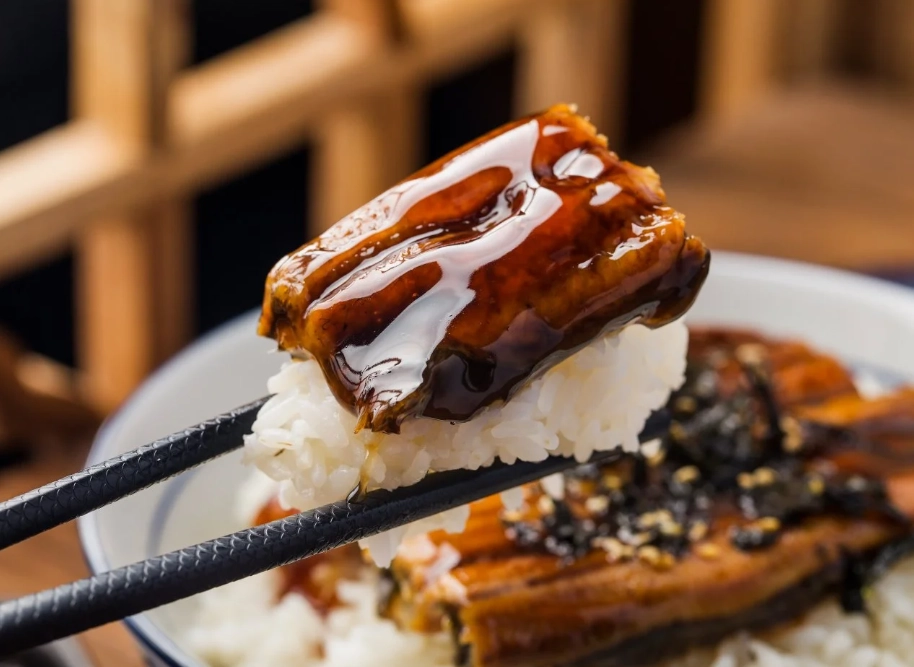
The "Umami Bomb" Version: Add a 1-inch piece of kombu (dried kelp) and a small handful of bonito flakes to the simmering sauce. Strain them out after cooling. This adds a profound savory depth that store-bought versions can't match.
The Ginger Zest Variation: Add 3-4 thin slices of fresh ginger during the simmer. Remove before storing. It gives a bright, clean note that cuts through richness, perfect for grilled chicken or salmon.
For a Darker, Richer Color & Flavor: Substitute 1 tablespoon of the regular soy sauce with dark soy sauce. This is a Chinese ingredient, not strictly traditional, but it gives a incredible mahogany color and a deeper, molasses-like note. Use sparingly.
The Quick Fix for Store-Bought: If you have a bottle of mediocre unagi sauce, doctor it. Pour some into a pan, add a squeeze of fresh orange juice or a teaspoon of sake, and simmer for 2-3 minutes. It wakes up the flavors instantly.
Using Unagi Sauce Beyond Grilled Eel
This sauce is a versatile powerhouse. Think of it as a Japanese-style barbecue glaze or a gourmet dipping sauce.
As a Glaze: Brush it on during the last few minutes of grilling or broiling. It works on salmon, chicken thighs, pork belly, or even firm tofu. The sugar caramelizes, creating a beautiful lacquer.
As a Dipping Sauce: Thin a small amount with a few drops of dashi or water and use it for tempura shrimp, drizzle over cucumber salads, or as a dip for yakitori (skip the tare).
The Ultimate "Fast Food" Upgrade: Make a quick unagi don (eel bowl) hack. Grill or pan-fry some sliced eggplant or mushrooms until tender, brush generously with the sauce, and serve over hot rice with a sprinkle of sesame seeds. It’s shockingly good and vegetarian-friendly.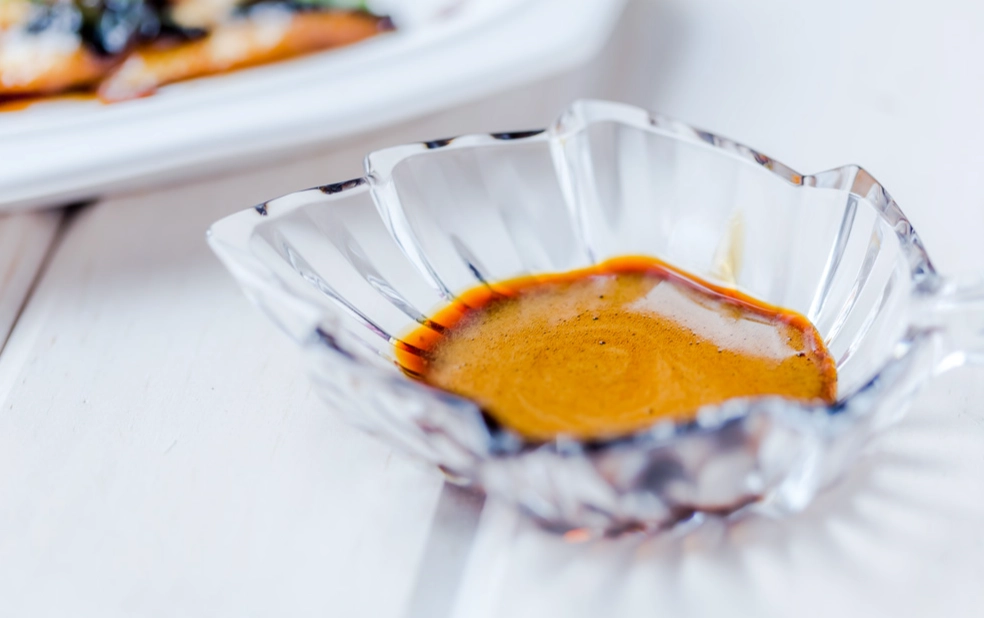
Top 3 Mistakes to Avoid (And How to Fix Them)
I've seen these errors countless times, even in otherwise good recipes.
1. Boiling on High Heat. This causes the sauce to reduce too quickly on the outside while the center remains thin. The sugar can also burn, giving a bitter taste. Fix: Always maintain a gentle simmer.
2. Using "Light" Soy Sauce (Usukuchi). It's saltier and paler than regular soy sauce. Your sauce will end up too salty and lack the classic dark color. Fix: Stick with standard koikuchi soy sauce.
3. Not Letting it Cool to Judge Thickness. The sauce is always runnier when hot. If you keep reducing it until it looks "right" in the hot pan, you'll end up with a thick, sticky paste once it cools. Fix: Use the "coat the spoon" test and trust that it will thicken upon cooling.
Your Unagi Sauce Questions Answered
Can I make unagi sauce without mirin? What's a good substitute?
Mirin is key for its specific sweetness and acidity. If you're in a pinch, combine 1/2 cup of sake (or dry sherry) with 1 1/2 tablespoons of sugar. Simmer it for a minute to dissolve the sugar before adding the soy sauce. It won't be identical, but it's a decent workaround. Avoid just using extra sugar—you'll miss the complexity.
Why is my homemade unagi sauce too thin even after cooling?
You likely didn't reduce it enough. The simmer needs time to evaporate the water content. Pour it back into the pan and simmer for another 5-10 minutes. Conversely, the type of mirin matters. "Hon mirin" has more body than cheap "mirin-fu" seasoning, which is mostly syrup and water.
 My sauce turned out too sweet. How can I balance it?
This is a common issue with Western palates. Next time, start with the lower 1/4 cup of sugar. To fix this batch, you have two options. Option A: Make a half-batch of the sauce without any sugar, reduce it, and mix it with your too-sweet batch. Option B: Add a tiny splash of rice vinegar or lemon juice (start with 1/4 tsp) to introduce acidity and cut the sweetness. Be very careful with this—add drop by drop.
How long does homemade unagi sauce last, and can I freeze it?
In a sealed container in the fridge, it lasts 3-4 weeks due to its high sugar and salt content. Yes, you can freeze it. Pour it into an ice cube tray. Once frozen, pop the cubes into a freezer bag. Thaw a cube or two whenever you need it. The texture might be very slightly different after thawing, but the flavor remains excellent.
Is there a significant difference between store-bought and homemade?
Massive. Store-bought versions often use high-fructose corn syrup, caramel color, and artificial flavors to cut costs and ensure long shelf life. They taste flat and one-note—just sweet and salty. Homemade has layers: the initial sweetness, the rounded umami from soy and mirin, and a clean finish. Once you make it, you'll find the bottled stuff almost unpalatable.
Reader Comments