The short answer is a resounding yes, but with a critical asterisk. Yellowtail, particularly the prized Japanese variety known as Hamachi, is a staple on sushi menus worldwide for a reason. Its rich, buttery flavor and firm texture make it an exceptional candidate for raw consumption. However, the path from the ocean to your sashimi plate isn't as straightforward as just catching a fish and slicing it. The real question isn't "can you," but "*how* can you safely eat yellowtail raw?" I've spent over a decade working with seafood suppliers and chefs, and the mistakes I see most often come from misunderstanding what "sushi-grade" really means and assuming all fish labeled "yellowtail" are the same.
Quick Navigation: What You'll Learn
What Makes Yellowtail Safe for Raw Consumption?
Safety isn't about luck; it's about a controlled process. When people get nervous about raw fish, they're usually worried about two things: parasites and bacteria. Let's break down how proper handling addresses both.
The Critical Role of Deep Freezing
This is the non-negotiable step that most home enthusiasts gloss over. The U.S. Food and Drug Administration (FDA) Food Code recommends freezing fish intended for raw consumption at -4°F (-20°C) or below for 7 days, or at -31°F (-35°C) or below until solid and storing at -31°F (-35°C) for 15 hours. This isn't your home freezer's "fast freeze" shelf. Commercial blast freezers achieve temperatures your kitchen appliance simply cannot. This process effectively kills parasites, which are the primary biological hazard in wild-caught fish. A common misconception is that farmed fish are automatically parasite-free. While the risk is lower due to controlled feed, it's not zero, and freezing is still the gold standard for safety. I've seen too many well-meaning foodies try to use "fresh off the boat" fish for sashimi without this step—it's a risk not worth taking.
Not All "Yellowtail" Are Created Equal
Here's where specificity saves the meal. The term "yellowtail" can refer to several different species, and their suitability for sashimi varies wildly.
| Common Market Name | Scientific Name / Notes | Sashimi Suitability | Flavor & Texture Profile |
|---|---|---|---|
| Hamachi | Japanese Amberjack (*Seriola quinqueradiata*). Often farmed in Japan. | Excellent. The premier choice. Consistently high fat content, ideal texture. | Rich, buttery, slightly sweet. Firm yet tender flesh. |
| Buri | Wild, mature Japanese Amberjack. Larger than Hamachi. | Excellent, but seasonal. Considered a winter delicacy in Japan. | More robust, fuller flavor than farmed Hamachi. Higher fat in winter. |
| Kanpachi | Greater Amberjack (*Seriola dumerili*). Often farmed. | Very Good. Gaining popularity for its cleaner, milder taste. | Leaner, firmer, with a clean, subtle flavor. Less fatty than Hamachi. |
| Hiramasa | Yellowtail Kingfish (*Seriola lalandi*). Farmed in Australia & others. | Very Good. Known for its consistent quality and sustainability. | Clean, mild flavor with a firm, smooth texture. Often described as "clean-tasting." |
| Yellowtail (U.S.) | Often California Yellowtail (*Seriola lalandi dorsalis*). Wild-caught. | Conditional. Must be bled, iced immediately, and properly frozen for safety. | Can be excellent if handled perfectly, but flavor varies with diet and season. |
If you're at a fish counter and they just say "yellowtail," ask for the specific species. A reputable vendor will know. The farmed Japanese varieties (Hamachi, Kanpachi) are bred for sashimi and have predictable fat content and texture, which is why they dominate high-end sushi bars.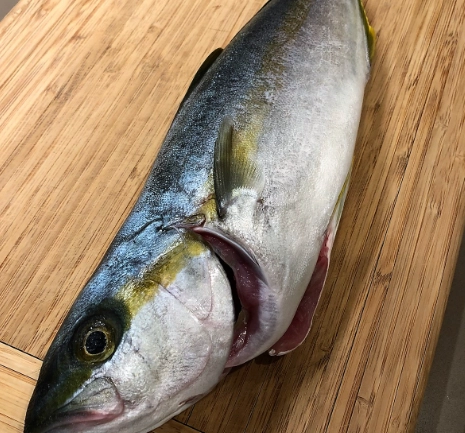
Expert Tip: The biggest mistake I see is assuming "sushi-grade" is a regulated term. It's not. It's a marketing label that indicates the seller believes the fish is suitable for raw eating based on their handling. Your trust should be in the vendor's practices—specifically, their freezing protocol and freshness—not just the label.
How to Select and Prepare Yellowtail for Raw Eating at Home
Taking the DIY route is rewarding, but it requires a disciplined approach. You are the final quality control checkpoint.
Sourcing: Where to Buy
Skip the regular supermarket seafood aisle unless it has a dedicated, trusted sushi counter. Your best bets are:
- Japanese or Korean Specialty Markets: Stores like Mitsuwa, H Mart, or Nijiya often receive whole, frozen-at-sea (FAS) Hamachi or Hiramasa loins specifically for sashimi. The staff can usually confirm it's been frozen for parasite destruction.
- High-End Fishmongers: Establishments that supply restaurants. Don't be shy—ask directly: "Has this yellowtail been frozen to FDA guidelines for parasite destruction? Is it Hamachi or another species?" Their willingness and ability to answer these questions tells you everything.
- Online Sustainable Seafood Retailers: Companies like Catalina Offshore Products or Sizzlefish often sell sashimi-grade, previously frozen yellowtail portions. You're paying for their expertise in handling.
When you're looking at the fish, trust your senses. The flesh should look glossy and vibrant, not dull or dry. There should be zero fishy smell—only a clean, oceanic aroma. Any ammonia notes are a hard pass.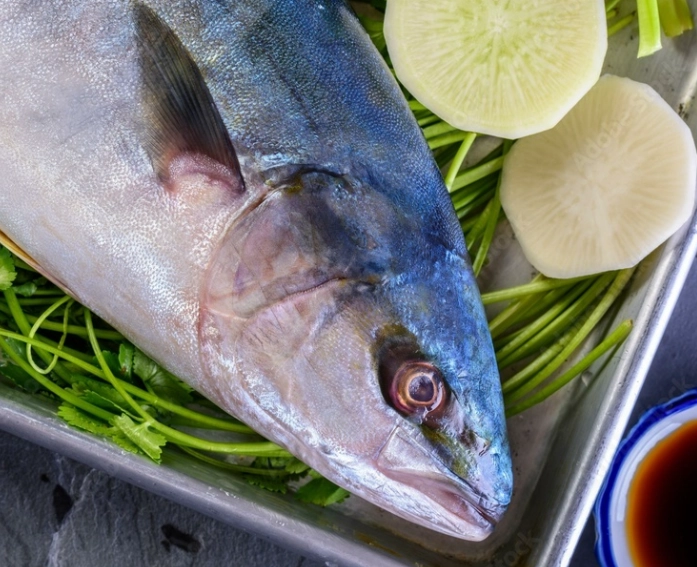
The Home Preparation Process: A Step-by-Step Guide
Let's assume you've sourced a safe, previously frozen Hamachi loin. Here's how to turn it into sashimi.
1. Thawing with Care: Move the vacuum-sealed loin from your freezer to the refrigerator. Let it thaw slowly for 12-24 hours. Never thaw at room temperature or in water, as this compromises texture and safety.
2. The Mise en Place: Sanitize your cutting board and knife. A long, thin, razor-sharp sashimi knife (*yanagiba*) is ideal, but an extremely sharp chef's knife will work. Have a bowl of cold water and a towel nearby to wipe the knife between cuts.
3. Trimming and Slicing: Pat the loin completely dry. Examine it for any remaining dark bloodlines or sinew—these can be bitter. Use the tip of your knife to remove them. To slice, use a single, confident pulling motion. Don't saw back and forth. Aim for slices about 1/4-inch thick. Angle the knife slightly for attractive, elongated slices.
4. Serving Immediately: Arrange the slices on a chilled plate. Serve immediately with soy sauce, a dab of real wasabi (not the dyed horseradish paste), and perhaps some grated ginger and shiso leaf. The goal is to eat it within minutes of slicing.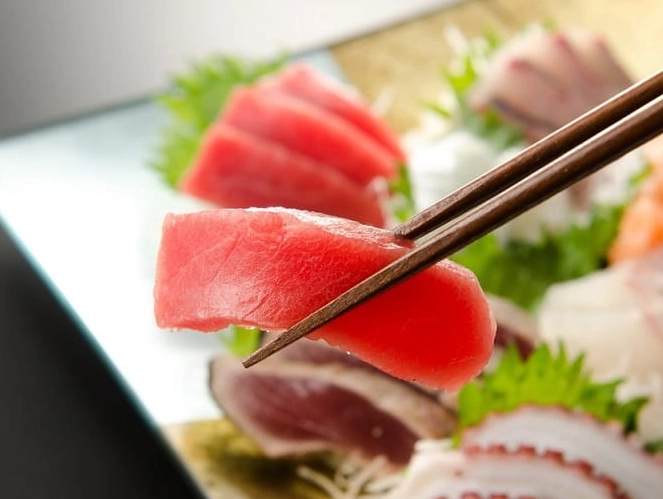
Where to Find and Enjoy Safe Raw Yellowtail
When dining out, your vigilance shifts from preparation to selection. A good restaurant does all the hard work for you, but not all restaurants are good.
At a sushi bar, Hamachi is almost always a safe and delicious choice. Look for it on the menu as "Hamachi" or "Yellowtail Sashimi/Nigiri." A high-end omakase experience will often feature both Hamachi and the seasonal Buri. Don't hesitate to ask the chef what species they're serving—it shows interest and helps you learn.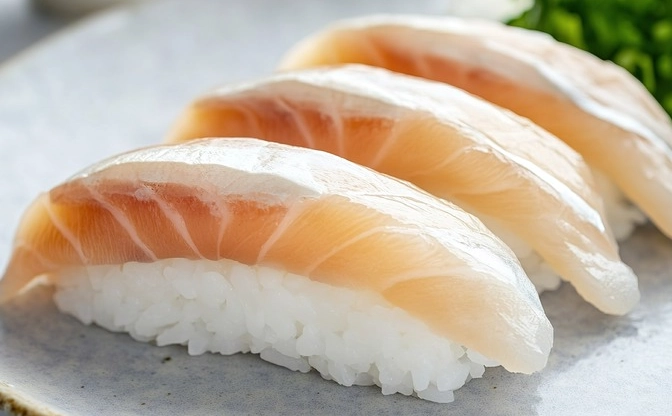
At a non-Japanese restaurant (like a "fusion" spot or a seafood grill) that offers a "yellowtail crudo" or "yellowtail tartare," be slightly more cautious. The dish can be fantastic, but ask how the fish was treated. A good server should be able to say something like, "Our fish is sourced from a supplier who flash-freezes it for sushi." If they seem unsure or say it's "never frozen," I'd personally order something cooked.
I had a disappointing experience once at a trendy bistro. Their "yellowtail tiradito" was mushy and lacked flavor. Later, I realized they were likely using a local wild yellowtail that hadn't been handled with sashimi in mind—bled poorly, not iced fast enough, or incorrectly frozen. The lesson? Context matters. A Japanese restaurant's entire business is built on raw fish safety; a general restaurant might just be following a recipe.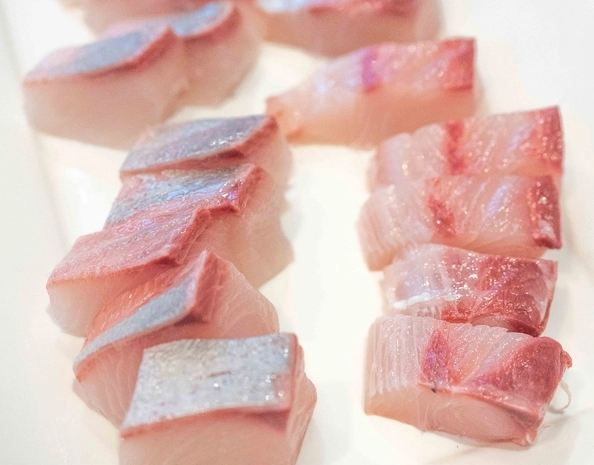
Your Raw Yellowtail Questions, Answered
Can I eat yellowtail raw straight from the grocery store fish counter?
Almost certainly not. Unless the counter has a dedicated, labeled "sushi-grade" section and the staff can explicitly confirm the fish has been frozen to parasite-killing temperatures, assume it is for cooking only. The risk from parasites like anisakis is real and can cause severe gastric distress.
Is farmed yellowtail safer for sashimi than wild-caught?
Generally, yes, due to controlled diet and lower parasite exposure. This is why farmed Hamachi is the industry standard. However, "safer" doesn't mean "safe without freezing." Commercial farms still follow freezing protocols. The main benefit of farmed fish for the eater is consistency in fat content and flavor.
I'm pregnant. Can I eat raw yellowtail?
The standard medical advice is to avoid all raw fish due to the risk of foodborne illness, which poses a greater danger during pregnancy. If you choose to consume it, the parameters are extremely strict: it must be from a highly reputable source (like a top-tier sushi restaurant) known for its freezing practices, and you should consult your doctor. Many opt for cooked yellowtail dishes or vegetarian sushi during this time to eliminate the worry entirely.
How can I tell if the yellowtail sashimi I'm served is fresh?
Use your eyes and nose. The flesh should be translucent and glistening, not opaque or milky. It should hold its shape firmly on the plate. Most importantly, it should smell clean—like the ocean breeze or cucumber—with absolutely no off, fishy, or ammonia odors. Texture is key: it should be firm and melt in your mouth, not soft, mushy, or stringy.
What's the difference between yellowtail sashimi and yellowtail nigiri?
It's the same fish, just different presentations. Sashimi is the sliced fish served alone, often in slightly thicker pieces, focusing purely on the fish's flavor. Nigiri is a slice of fish draped over a small, hand-formed mound of vinegared rice. With nigiri, you experience the harmony of fish and rice. Try both to see which you prefer; many find the rice in nigiri complements the richness of yellowtail perfectly.
Reader Comments