Quick Navigation
- Deconstructing the Classic: What Makes Agedashi Tofu Special?
- Your Vegan Agedashi Tofu Shopping List & Why It Matters
- The Foolproof Step-by-Step Vegan Agedashi Tofu Recipe
- Traditional vs. Vegan Agedashi Tofu: A Side-by-Side Look
- Answering Your Vegan Agedashi Tofu Questions (FAQ)
- Taking Your Vegan Agedashi Tofu to the Next Level
Let's be honest. The first time I tried to make agedashi tofu at home, it was a disaster. I was trying to veganize a classic Japanese recipe, and let's just say the tofu ended up more like a soggy sponge than those beautifully crisp, golden cubes you get at a good izakaya. The broth tasted wrong, the coating refused to stick, and the whole thing felt like a compromise. That experience, frustrating as it was, sent me down a rabbit hole. I talked to chefs, read old cookbooks (thank goodness for libraries), and tested batch after batch in my own kitchen. What I discovered is that making a truly great vegan agedashi tofu recipe isn't about finding a one-to-one replacement for the traditional ingredients. It's about understanding the role each component plays and building new, plant-based layers of flavor that achieve the same soul-satisfying result.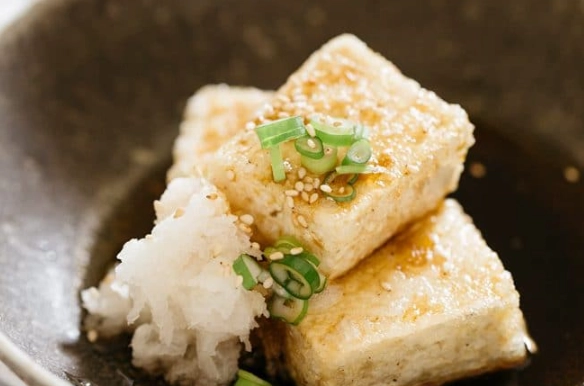
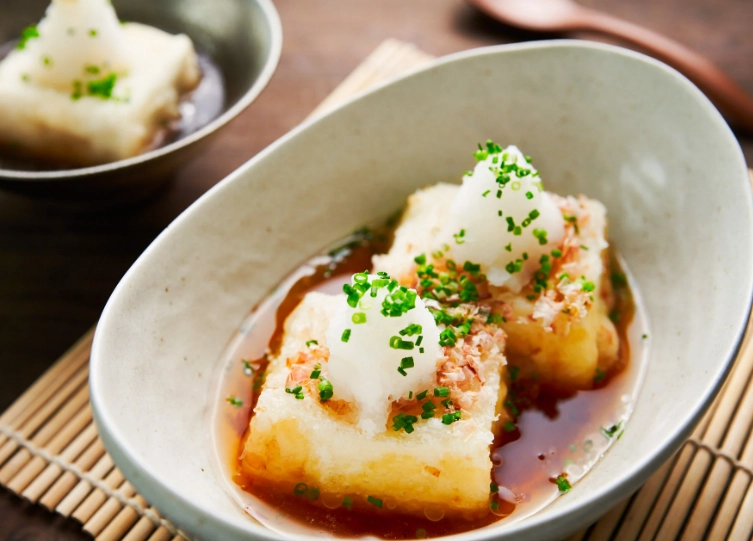
So, what exactly is agedashi tofu? In its traditional form, it's a beloved Japanese appetizer of soft, silken tofu that's lightly dusted in potato starch and deep-fried until it develops a delicate, crackling shell. It's then served piping hot in a small pool of tentsuyu broth—a savory, umami-rich sauce made from dashi (fish and kelp stock), mirin, and soy sauce—and topped with grated daikon, green onions, and sometimes bonito flakes. The magic is in the contrast: the crisp exterior giving way to the custardy interior, all soaked in that deeply savory sauce. The challenge for a vegan version is twofold: replicating the crisp coating without egg (often used in some variations to help the starch adhere) and, more importantly, creating a dashi broth with the same profound depth without using katsuobushi (dried bonito flakes).
Why bother? Well, if you love Japanese food but follow a plant-based diet, this dish is a milestone. It proves you don't have to miss out on texture or complexity. This guide is the result of all my trial and error. I'll walk you through not just a recipe, but the why behind each step. We'll cover how to choose the right tofu (this is 90% of the battle), how to build a vegan dashi that will make you forget all about fish stock, and the little tricks to frying that ensure a shatteringly crisp crust every single time. This isn't just a recipe; it's your ticket to recreating a restaurant-quality vegan agedashi tofu in your own kitchen, no compromise needed.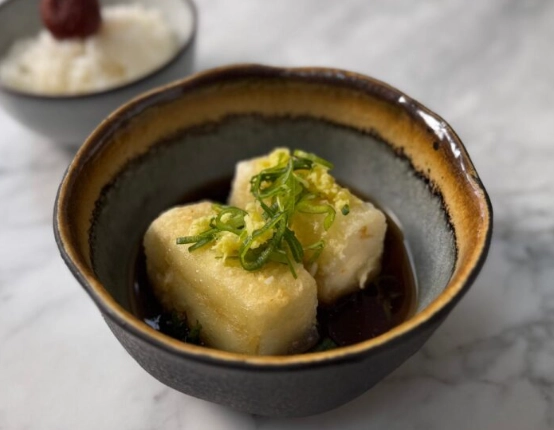
Deconstructing the Classic: What Makes Agedashi Tofu Special?
Before we start swapping ingredients, it helps to know what we're aiming for. The soul of this dish is in its balance. It's deceptively simple, with each element serving a specific purpose. The tofu provides a soft, mild, creamy base. The coating adds texture and a slight sweetness from the caramelizing starch. The broth is the flavor engine—salty, sweet, umami, and aromatic. The toppings add freshness, bite, and visual appeal. When you take a bite, all these elements should hit you in sequence: first the crisp, then the soft tofu, then the warm, savory broth that ties it all together.
The traditional dashi is the biggest hurdle. Authentic Japanese dashi gets its signature umami from kombu (seaweed) and katsuobushi. The kombu provides a deep, oceanic savoriness, while the katsuobushi adds a smoky, meaty complexity. For a vegan agedashi tofu recipe, we need to find a way to mimic that layered umami without the fish. Some recipes just use soy sauce and mirin, but that gives you a one-dimensional, salty-sweet sauce. It lacks the roundness, the depth. It tastes… thin. I've found that the key is to use a combination of umami-rich plant foods. Shiitake mushrooms are a classic vegan dashi base, offering a savory, almost meaty flavor. Adding a piece of kombu is non-negotiable for that sea-mineral note. But to really bridge the gap, I like to include a small amount of soy sauce or tamari during the dashi simmering process, which allows its flavor to mellow and integrate, rather than just being poured in at the end. It makes a world of difference.
And then there's the frying. The goal is a thin, delicate, and incredibly crisp shell that protects the tofu but doesn't feel like a thick batter. Potato starch (katakuriko) is the traditional and, in my opinion, the best choice. It fries up lighter and crisper than cornstarch or wheat flour. The trick is to coat the tofu thoroughly but shake off every single speck of excess starch. Any loose powder will burn in the oil and turn your beautiful broth murky and bitter. I can't stress this enough. Be merciless when you shake that strainer.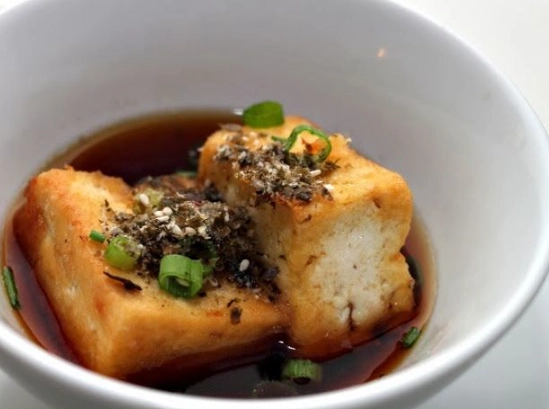
Your Vegan Agedashi Tofu Shopping List & Why It Matters
Great dishes start with great ingredients. You don't need anything fancy, but choosing the right versions of simple items is crucial. Let's break it down.
The Star: Choosing the Right Tofu
This is the make-or-break ingredient. You want silken tofu (kinugoshi dofu), not firm, extra-firm, or even soft tofu. Silken tofu is set differently, resulting in a texture that's incredibly smooth, delicate, and custard-like—almost like a very firm panna cotta. It's fragile, which is part of the challenge, but it's what gives agedashi tofu its iconic mouthfeel. Firm tofu will be too dense and rubbery; it won't soak up the broth in the same magical way.
Where do you find it? Look in the refrigerated section of Asian grocery stores or well-stocked supermarkets. It often comes in a tall, rectangular plastic tub. Mori-Nu brand silken tofu in shelf-stable aseptic packages is also a fantastic and consistent option, and it's usually labeled clearly as "silken." If you're unsure, gently press the package. Silken tofu will feel very soft and jiggly, even through the packaging.
Handling it is an art.
You need to be gentle. Open the package and carefully drain the water. The best method I've found is to slide the block of tofu onto a large, flat plate or a shallow baking dish. Don't use a cutting board with a lip, as you'll need to pour liquid off later. We need to remove excess water to help the coating stick and to prevent explosive oil splatters, but we can't press it like firm tofu. Instead, we'll use a gentle pressing technique with paper towels.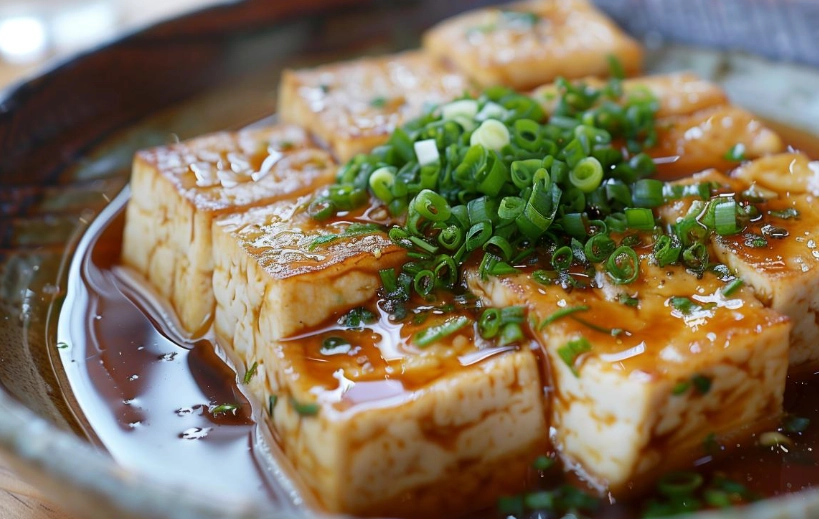
The Flavor Foundation: Building a Vegan Dashi Broth
Your broth is your sauce. For a truly standout vegan agedashi tofu recipe, take the time to make this from scratch. It simmers in 20 minutes and the flavor is incomparable to just mixing soy and mirin.
- Dried Shiitake Mushrooms: These are umami bombs. Avoid pre-sliced ones if possible; whole dried shiitakes often have better flavor. You'll use the soaking liquid, which is liquid gold.
- Kombu (Dried Kelp): A piece about the size of a postcard. Look for kombu with a whitish, powdery substance on the surface—that's natural glutamate, the source of umami. Don't wash it off; just wipe gently with a damp cloth. According to the Japanese Ministry of Agriculture, Forestry and Fisheries, kombu is a foundational element of Washoku (traditional Japanese dietary culture) for its unique savory properties.
- Soy Sauce or Tamari: Use a good-quality Japanese soy sauce (like Kikkoman) for a balanced flavor. Tamari (which is often, but not always, gluten-free) is a bit richer and less sharp. For a gluten-free vegan agedashi tofu, tamari is your best friend.
- Mirin: This sweet Japanese rice wine is essential. It adds a subtle sweetness and glossy finish to the sauce. If you're in a pinch, a tiny bit of sugar mixed with dry sherry or even white wine can approximate it, but real mirin is better. Avoid "mirin-type seasoning" which is just corn syrup and flavoring.
- Sake (optional but recommended): A splash of cooking sake adds another layer of complexity and helps balance the sweetness of the mirin.
The Crunch: Coating & Frying Essentials
- Potato Starch (Katakuriko): This is the secret to the ethereal crispness. Cornstarch will work in a pinch, but it tends to fry up slightly denser and can get chewy if the sauce sits on it too long. Potato starch stays crisper longer. You can find it in Asian grocery stores or the international aisle.
- Neutral High-Heat Oil: Grapeseed, rice bran, or canola oil are perfect. You need enough to deep-fry, about 1.5 to 2 inches in a heavy-bottomed pot. A deep-fry thermometer is highly recommended for nailing the right temperature.
The Fresh Finish: Toppings
These aren't just garnish; they're integral. Grated daikon (peeled and grated on the fine side of a box grater) adds a refreshing, peppery wetness. Thinly sliced green onions (scallions) provide color and a sharp bite. I also love adding a pinch of freshly grated ginger for a little zing. For a touch of color and earthiness, you can't go wrong with a few shreds of nori (toasted seaweed).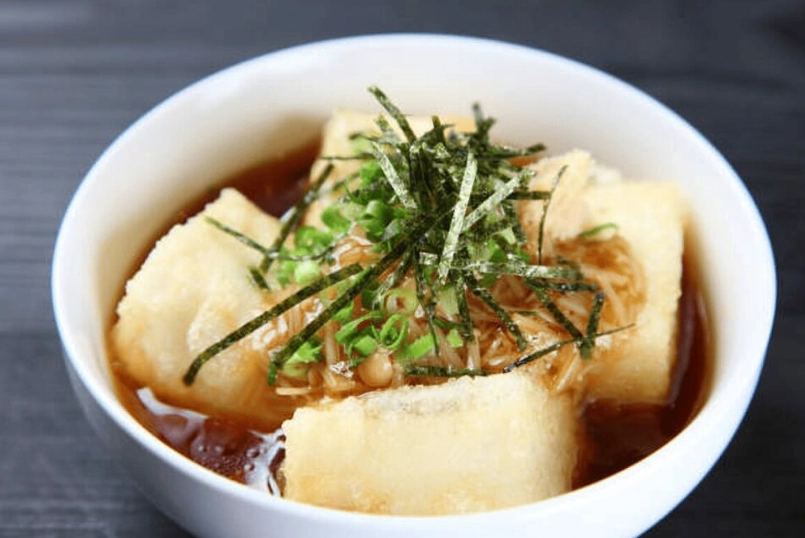
The Foolproof Step-by-Step Vegan Agedashi Tofu Recipe
Alright, let's get cooking. I've written these steps to be as clear as possible, including the "why" so you understand the process, not just follow it blindly.
Step 1: Prepare the Tofu (The Gentle Press)
Carefully remove the silken tofu from its package and let it drain in a colander for a moment. Then, gently slide the whole block onto a large, flat plate. Take several layers of paper towels and place them over the tofu. Place another flat plate (or a small cutting board) on top. Now, here's the key: add a light weight. A small can of beans or a 14-ounce can of tomatoes is perfect. You are NOT trying to squeeze all the water out. You just want to apply gentle, even pressure for 15-20 minutes. This will remove enough surface moisture so the starch will stick, while keeping the interior beautifully custardy. After pressing, cut the tofu into roughly 1.5-inch cubes. Use a very sharp knife and a gentle sawing motion to avoid squashing the cubes.
Step 2: Make the Vegan Tentsuyu (Broth)
While the tofu presses, make your broth. In a small saucepan, combine 1 ½ cups of cold water, 1 dried shiitake mushroom (broken in half if large), and one 4-inch piece of kombu (wiped clean). Let it soak for 10 minutes if you have time—this helps extract more flavor. Then, turn the heat to medium-low and bring it to just barely a simmer. You should see small bubbles forming at the edge of the pot. Right before it comes to a full boil, remove the kombu. If you boil kombu, it can release sliminess and bitter compounds. Let it simmer gently for another 10 minutes.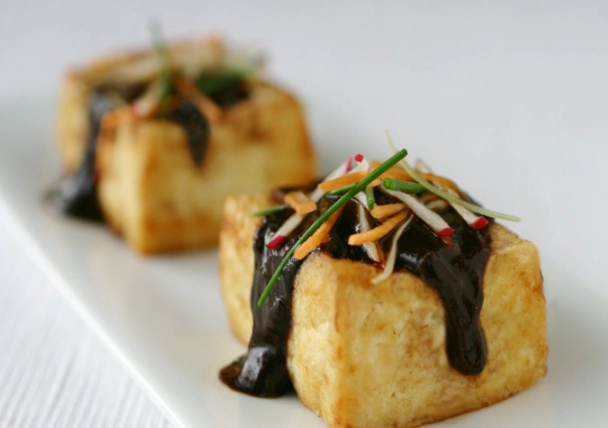
Remove the shiitake mushroom (you can save it for stir-fries!). To the hot broth, add 3 tablespoons of soy sauce or tamari, 3 tablespoons of mirin, and 1 tablespoon of sake (if using). Bring it back to a very gentle simmer for just 2-3 minutes to let the alcohol cook off and the flavors meld. Turn off the heat. This is your tentsuyu. Taste it. It should be savory, slightly sweet, and deeply flavorful. It will taste strong on its own—remember, it's meant to be a sauce, not a soup. Set it aside.
Step 3: The Coating & Frying Dance
This is the active part. Get your station ready: your plate of tofu cubes, a wide, shallow bowl with about ½ cup of potato starch, a slotted spoon or spider strainer, a wire rack set over a baking sheet (or a plate lined with fresh paper towels), and your pot of oil, heated to 340°F (170°C). Why 340°F? Higher than that, and the outside browns too fast before the inside heats through. Lower, and the tofu absorbs too much oil and gets greasy.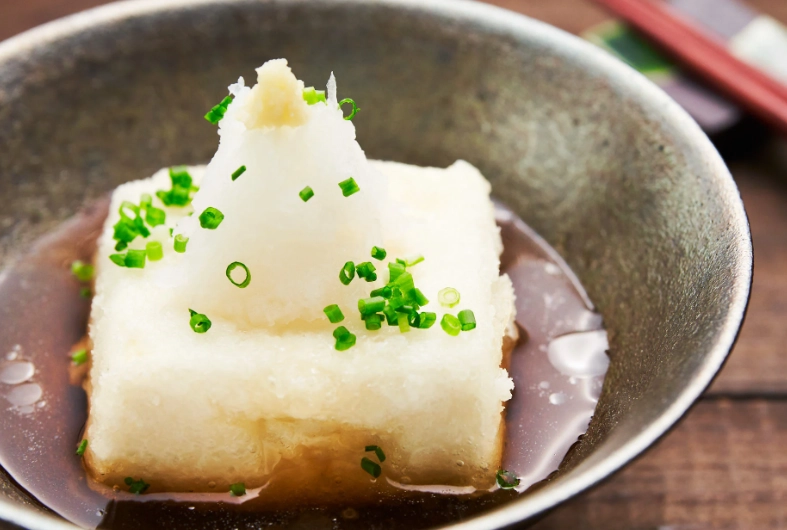
Take 3-4 tofu cubes at a time and gently roll them in the potato starch. Ensure every surface is coated. Then, lift them up and place them in a fine-mesh strainer. Shake the living daylights out of that strainer over the bowl of starch. You want to see no loose powder falling off. This is the single most important tip for a clean, crisp fry.
Gently lower the coated tofu cubes into the hot oil. Don't crowd the pot; fry in batches. They should sizzle gently. Fry for about 3-4 minutes, turning occasionally with the slotted spoon, until they are a uniform pale golden brown and incredibly crisp. The coating will feel firm and sound hollow if you tap it gently with your spoon.
Transfer the fried tofu directly to the wire rack. Do not put them on paper towels right away if you can help it. The steam they release will get trapped against the paper and make the bottom soggy. The rack allows air to circulate, keeping them crisp on all sides. Fry all your batches this way.
Step 4: Assembly & Serving
Warm your serving bowls by rinsing them with hot water. Place 3-4 cubes of the hot, crispy tofu in each bowl. Pour about ¼ cup of the warm tentsuyu broth around the tofu—not over the top, as you want to preserve that crispness for as long as possible. Immediately top with a small mound of grated daikon (squeeze it gently in your hand to remove excess liquid first), a sprinkle of green onions, and any other toppings you like.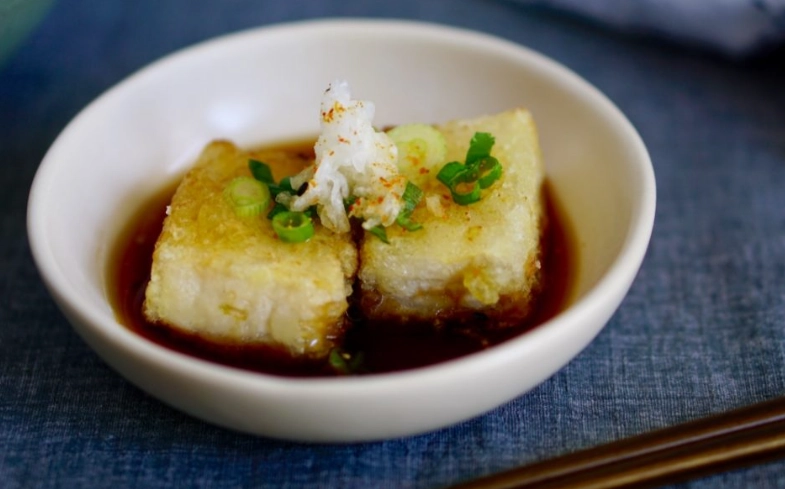
Serve immediately.
I mean it. This dish waits for no one. The joy is in eating it the second it's assembled, hearing the faint sizzle as the hot tofu meets the broth, and taking that first bite where the shell is still at its peak crispness. It's a moment of pure, savory bliss.
Traditional vs. Vegan Agedashi Tofu: A Side-by-Side Look
It's helpful to see how this vegan version stacks up against the classic. The goal isn't to be identical, but to be equally delicious and satisfying in its own right.
| Component | Traditional Agedashi Tofu | Vegan Agedashi Tofu |
|---|---|---|
| Dashi Broth Base | Kombu + Katsuobushi (dried bonito) | Kombu + Dried Shiitake Mushrooms |
| Core Flavor Profile | Deep, smoky, oceanic umami | Earthy, savory, complex umami |
| Coating Binder | Potato starch only (sometimes a light egg wash) | Potato starch only (no egg needed) |
| Key Toppings | Daikon, green onion, bonito flakes | Daikon, green onion, grated ginger, nori |
| Texture Outcome | Delicate crisp shell, custardy interior | Identical crisp shell and custardy interior |
| Allergen Notes | Contains fish (bonito), may contain wheat (soy sauce) | Naturally egg-free, dairy-free. Can be gluten-free with tamari. |
As you can see, the structure and experience remain beautifully intact. The swap is primarily in the flavor foundation, moving from a fish-based umami to a mushroom and seaweed-based one. The texture, the most important part for many, is perfectly achievable in a vegan agedashi tofu recipe.
Answering Your Vegan Agedashi Tofu Questions (FAQ)
Taking Your Vegan Agedashi Tofu to the Next Level
Once you've mastered the basic vegan agedashi tofu recipe, the world is your oyster mushroom. Here are some ways to play with it.
Broth Variations: Try adding a small piece of dried porcini mushroom along with the shiitake for an even deeper, woodsier flavor. For a lighter, sweeter note, add a 1-inch piece of peeled ginger to the dashi as it simmers, then remove it with the kombu. You can also finish the tentsuyu with a teaspoon of yuzu juice or lemon juice for a bright, citrusy accent.
Tofu Twists: For a heartier dish, use medium-firm tofu. Press it more thoroughly, cut it into slightly smaller cubes, and follow the same method. The interior will be meatier, less custardy, but still delicious. You can also try dusting the tofu with a 50/50 mix of potato starch and finely ground sesame seeds before frying for a nutty flavor and extra crunch.
The journey to perfecting this dish in my own kitchen taught me more about balance, texture, and umami than almost any other recipe. It's a testament to the fact that plant-based cooking isn't about subtraction, but about smart, flavorful construction. A great vegan agedashi tofu isn't a "vegan version" of something; it's a stellar dish in its own right that happens to be made from plants. It has the crisp, the soft, the savory, and the refreshing all in one bite. It's the kind of food that makes you pause and just appreciate how good something so simple can be. So heat up that oil, make that broth, and get ready for some of the best tofu you've ever made. You've got this.
Reader Comments